
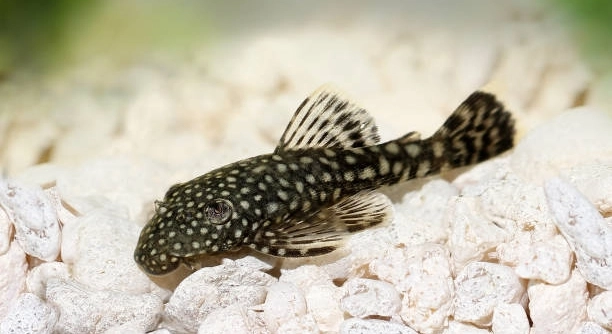
Do you ever notice your pleco behaving differently but can’t pinpoint why? Many fish owners overlook subtle cues that indicate illness. Recognizing these early signs is key to keeping your pleco healthy and thriving in its tank.
Plecos can display several hidden symptoms when unwell, including changes in appetite, abnormal swimming patterns, discoloration, fin damage, lethargy, excess mucus, and unusual hiding behavior. Early identification of these signs allows timely intervention to prevent worsening health.
Understanding these behaviors will help you protect your pleco’s health. Observing carefully ensures you can address problems before they escalate further.
Loss of Appetite
A sudden decrease in appetite is often the first sign your pleco may be feeling unwell. Healthy plecos are typically consistent eaters, feeding on algae wafers, vegetables, and occasional protein sources. When a pleco stops eating or eats less than usual, it can indicate stress, infection, or internal parasites. Tank conditions such as poor water quality, incorrect temperature, or low oxygen levels may also affect feeding behavior. Observing your pleco’s usual feeding routine allows you to notice small changes early. Gradually, loss of appetite can lead to weight loss and weakened immunity, making the fish more vulnerable to additional health problems. It’s important to monitor water parameters regularly and ensure a balanced diet. If reduced feeding persists for more than a day or two, consider consulting a veterinarian specializing in fish. Early intervention can prevent more severe complications and help restore your pleco’s normal appetite.
Loss of appetite can signal underlying health issues, requiring prompt attention to prevent worsening conditions.
Addressing feeding issues involves adjusting diet, tank environment, and monitoring behavior. Ensure clean water, stable temperature, and nutritious food. If the pleco continues avoiding food, testing for parasites or bacterial infections may be necessary. Consistent observation helps identify triggers, such as aggressive tank mates or overfeeding, which could stress the fish. Sometimes, simply rotating fresh vegetables or algae wafers encourages eating. Treating water quality problems is essential, as plecos are sensitive to ammonia and nitrite levels. If illness is suspected, quarantining the fish can prevent spreading disease. Early recognition of appetite changes allows timely treatment, helping your pleco regain strength and continue healthy growth in the tank. Maintaining a routine feeding schedule and documenting consumption patterns provides valuable information for long-term care. Understanding your pleco’s preferences and reactions to food ensures a balanced diet, supporting its overall well-being and resilience against illnesses.
Abnormal Swimming Patterns
Abnormal swimming behavior includes erratic movement, floating near the surface, or dragging along the tank floor. Plecos usually glide along surfaces smoothly, so sudden changes are noticeable.
Erratic swimming often reflects stress, infection, or poor water quality. Parasites, bacterial infections, and low oxygen levels can interfere with a pleco’s ability to swim normally. Observing how the fish interacts with tank decorations or other inhabitants helps identify patterns. Stress from sudden temperature fluctuations or incompatible tank mates may also trigger unusual movement. Monitoring behavior over several hours allows detection of subtle changes that could otherwise be missed. Sometimes, plecos may dart rapidly, bump into objects, or remain stationary in corners. These behaviors indicate the fish is conserving energy or reacting to discomfort. Correcting water parameters and providing hiding spaces can reduce stress. In cases of infection, proper diagnosis and treatment are necessary to restore normal swimming. Maintaining a consistent, clean environment supports recovery and prevents recurrence. Documenting swimming patterns and changes provides insight into the pleco’s overall health and helps guide effective interventions.
Discoloration
Discoloration in plecos can appear as faded colors, dark spots, or unusual pale areas. Healthy plecos maintain consistent tones, so any shift may indicate stress, poor water quality, or disease, requiring prompt attention to prevent further health issues.
Fading or patchy colors often result from poor water conditions, such as high ammonia, nitrite, or nitrate levels. Illnesses like bacterial or fungal infections may also cause visible changes. Some plecos naturally adjust color slightly depending on lighting and diet, but sudden or extreme changes are abnormal. Observing the fish during feeding and resting periods helps determine if the discoloration is constant or intermittent. Ensuring clean water and a balanced diet can improve coloration and overall health. Quarantining affected plecos may prevent transmission of contagious diseases to other tank inhabitants.
Correcting discoloration involves addressing water parameters, diet, and potential infections. Maintaining stable temperatures and reducing stress from aggressive tank mates supports recovery. In severe cases, targeted treatments like antibacterial or antifungal medications may be necessary. Gradual improvement in color signals the pleco’s health is stabilizing. Observing long-term trends rather than isolated changes helps differentiate between temporary stress effects and serious illness. Proper care, including regular water testing and tank maintenance, ensures vibrant, healthy coloration over time, enhancing the fish’s appearance and overall well-being.
Fin Damage
Damaged fins may include tears, fraying, or unusual clamping. Plecos use their fins for balance and movement, so any damage affects daily activity and signals potential health concerns.
Fin deterioration often results from bacterial or fungal infections, aggressive tank mates, or sharp tank decorations. In some cases, poor water quality can weaken fins, making them more prone to injury. Observing the pleco’s interaction with its environment helps identify the cause. Treatment involves improving water conditions, removing hazards, and applying appropriate medication if an infection is suspected. Regular monitoring prevents minor damage from worsening.
Preventing fin damage requires consistent maintenance, careful tank setup, and attention to social dynamics. Sharp rocks, decorations, or overcrowding can contribute to injury, so adjusting the habitat helps protect the pleco. Balanced nutrition strengthens fin tissue, reducing susceptibility to tears. When infections occur, isolating the pleco and applying antibacterial or antifungal treatments can restore fin health. Observing regrowth patterns ensures recovery is progressing, and addressing stressors like aggressive tank mates or sudden environmental changes supports long-term fin integrity. Documenting any changes allows for early detection and timely intervention.
Lethargy
Lethargy in plecos appears as prolonged inactivity, minimal movement, or staying hidden for long periods. Healthy plecos are usually active at night, so persistent sluggishness signals stress, illness, or poor tank conditions requiring attention.
Lethargy can result from low oxygen levels, poor water quality, or infections. Ensuring proper filtration, stable temperatures, and regular water changes can help restore activity.
Excess Mucus
Excess mucus on a pleco’s body or fins can indicate irritation, infection, or stress. A thin protective layer is normal, but thick or cloudy mucus suggests a health problem. Proper water conditions and careful observation are key to resolving this issue.
Unusual Hiding Behavior
When plecos hide excessively or avoid usual areas, it often reflects stress, illness, or changes in the tank environment. Observing patterns can help identify underlying issues affecting the fish’s health.
What should I do if my pleco stops eating?
If your pleco suddenly refuses food, first check water quality and temperature, as poor conditions are often the cause. Ensure ammonia, nitrite, and nitrate levels are within safe ranges and the water is well-oxygenated. Offering fresh vegetables like zucchini or cucumber can encourage eating. Avoid overfeeding other fish, as competition may discourage your pleco from feeding. If appetite does not return after a day or two, consider isolating the pleco in a quarantine tank for closer observation. Persistent refusal to eat may indicate internal parasites or bacterial infections, which require treatment from a veterinarian familiar with fish care.
How can I tell if fin damage is caused by stress or infection?
Fin damage from stress usually appears as minor tears or fraying without discoloration. Stress can result from aggressive tank mates, sharp decorations, or sudden changes in water parameters. Infection-related fin damage often includes redness, inflammation, or white edges around the fins. Observing the pleco’s behavior helps differentiate the cause. Stress-related damage tends to improve when the environment is stabilized, while infected fins may worsen without treatment. Cleaning the tank, improving water quality, and providing hiding spots can reduce stress. If infection is suspected, applying antibacterial or antifungal medication can restore fin health.
Why is my pleco hiding more than usual?
Excessive hiding can signal illness, stress, or poor tank conditions. Plecos naturally seek shelter during daylight, but if hiding behavior increases significantly, it may indicate discomfort. Check water temperature, pH, and oxygen levels to ensure a stable environment. Stress from aggressive tank mates or sudden changes can also trigger hiding. Adding adequate hiding spaces and reducing disturbances helps your pleco feel secure. If hiding is accompanied by other symptoms, such as lethargy or discoloration, a closer inspection for disease or parasites is necessary. Quarantining the pleco may prevent potential spread to other fish.
How do I manage excess mucus on my pleco?
A thin mucus layer is normal and protects the pleco’s skin, but thick or cloudy mucus often indicates stress or infection. Start by testing water parameters, as high ammonia or poor filtration can irritate the skin. Improving water quality and reducing stressors such as overcrowding can help. If mucus persists, inspect the pleco for external parasites or fungal infections. Treatments may include medicated baths or water treatments recommended by a fish veterinarian. Monitoring your pleco daily allows early intervention if symptoms worsen. Maintaining consistent tank conditions prevents recurrence and supports the pleco’s natural protective coating.
Can pleco discoloration return to normal?
Yes, discoloration can improve with proper care. Ensure the water is clean, stable, and within the species’ preferred temperature and pH range. Nutritional deficiencies can also affect color, so provide a varied diet of algae wafers, vegetables, and occasional protein. Quarantining sick plecos prevents spread of disease and reduces stress. Infections may require antibacterial or antifungal treatments to restore healthy coloration. Gradual improvement often occurs over days or weeks, depending on the severity and underlying cause. Observing the pleco regularly and maintaining consistent care promotes recovery and long-term vibrant color.
When should I consult a veterinarian for my pleco?
Consult a veterinarian if your pleco exhibits persistent loss of appetite, fin deterioration, abnormal swimming, or signs of infection such as mucus buildup or discoloration. Sudden behavioral changes, rapid weight loss, or worsening symptoms despite stable tank conditions also warrant professional attention. Early consultation improves the chances of recovery and helps prevent complications. A veterinarian can diagnose bacterial, fungal, or parasitic infections and recommend effective treatments. Maintaining detailed notes on your pleco’s behavior, feeding habits, and water parameters can assist in accurate diagnosis. Prompt professional care ensures the long-term health and wellbeing of your pleco.
How can I prevent these hidden signs from appearing?
Prevention begins with maintaining stable water quality, proper temperature, and adequate oxygenation. Regular tank cleaning, water testing, and partial water changes reduce stress and prevent disease. Providing a balanced diet, sufficient hiding spots, and minimizing aggressive tank mates supports overall health. Observing behavior daily allows early detection of minor changes before they develop into serious issues. Avoid sudden changes in lighting, temperature, or diet, as plecos are sensitive to environmental shifts. Quarantining new fish before adding them to the main tank prevents the introduction of disease. Consistent care and careful monitoring are the most effective ways to keep your pleco healthy and active.
What are the first steps if I notice multiple signs of illness?
If you notice multiple warning signs, such as lethargy, fin damage, and discoloration, prioritize stabilizing water conditions immediately. Test ammonia, nitrite, nitrate, pH, and temperature. Isolate the affected pleco in a quarantine tank to prevent disease spread. Remove aggressive tank mates and sharp decorations to reduce stress. Offer easily digestible food to support nutrition. Document all observed symptoms to guide treatment decisions. Consult a fish veterinarian if signs persist or worsen. Early intervention is critical, as multiple symptoms often indicate a serious underlying issue. Proper observation and care increase the chances of full recovery.
How long does it take for a pleco to recover?
Recovery time varies depending on the severity of illness and the cause. Minor stress or water-related issues may see improvement within a few days. Infections or parasite infestations can take several weeks with proper treatment. Consistent care, clean water, and a nutritious diet accelerate healing. During recovery, observe feeding habits, swimming behavior, and coloration daily. Avoid introducing new fish or stressors to support the pleco’s immune system. Recovery is gradual, and improvements may be subtle at first. Patience and diligence in monitoring water quality and behavior are essential to ensure the pleco regains full health.
Can diet affect my pleco’s health?
Yes, diet plays a major role in preventing illness. Plecos require a mix of algae, vegetables, and occasional protein sources to maintain strength, coloration, and immune function. Nutritional deficiencies can lead to weak fins, faded colors, and reduced resistance to infections. Offering a variety of foods encourages natural foraging behavior and ensures balanced nutrient intake. Overfeeding can pollute the tank, causing stress and illness, while underfeeding weakens the fish. Rotating fresh vegetables, algae wafers, and occasional protein treats keeps the diet diverse and supports long-term health. Proper nutrition complements clean water and a stable environment, reducing the likelihood of hidden signs of sickness.
Why does my pleco show unusual swimming patterns at night?
Unusual swimming at night can indicate stress, low oxygen, or infection. Plecos are naturally nocturnal, but erratic movement, darting, or floating may signal discomfort. Check water parameters and tank conditions for sudden changes. Remove aggressive tank mates and ensure hiding spots are available. Observing swimming patterns consistently helps detect persistent problems. Quarantining the fish may be necessary if infection is suspected. Gradual correction of water quality, proper feeding, and reduced stress often restores normal nocturnal activity. Monitoring behavior at night provides insight into the pleco’s overall health and helps prevent minor issues from escalating.
Final Thoughts
Caring for a pleco involves more than just feeding and maintaining the tank. These fish are sensitive to their environment, and even small changes can affect their health. Observing your pleco regularly helps you notice subtle behaviors that indicate stress or illness. Changes in appetite, swimming patterns, fin condition, coloration, mucus levels, and hiding habits are all signs that your pleco might be unwell. Addressing these signs early prevents minor issues from developing into serious problems. Regular water testing, maintaining stable temperatures, and ensuring proper filtration are crucial for keeping your pleco healthy. A balanced diet with fresh vegetables, algae wafers, and occasional protein supplements strengthens their immune system and promotes vibrant coloration. By combining consistent observation with proper care, you reduce the risk of hidden health issues.
Maintaining a stable and safe environment is key to long-term pleco health. Sharp decorations, overcrowding, and aggressive tank mates can cause stress or injury, leading to fin damage or unusual behavior. Providing sufficient hiding spaces allows plecos to feel secure, which reduces stress and supports natural activity levels. It is also important to monitor water quality closely, as ammonia, nitrite, and nitrate spikes can trigger illness and affect appetite or coloration. If illness occurs, isolating the affected pleco in a quarantine tank helps prevent the spread of disease. Medicated treatments, when necessary, can restore fin health, reduce excess mucus, and resolve infections. Observing gradual improvements after treatment shows that your pleco is recovering, and maintaining proper care prevents relapses. Paying attention to the environment, diet, and social dynamics ensures that your pleco can thrive comfortably.
Ultimately, the key to a healthy pleco lies in consistent care and attention to detail. Early recognition of hidden signs, combined with proactive interventions, can prevent minor problems from escalating. Every pleco responds differently to environmental changes, so documenting feeding habits, swimming behavior, and overall appearance is helpful. Understanding their natural behavior and needs allows you to respond appropriately to signs of illness or stress. A healthy pleco is active, maintains vibrant coloration, has intact fins, and exhibits normal feeding and hiding behavior. By prioritizing water quality, balanced nutrition, and a calm environment, you support your pleco’s overall well-being. Small, regular efforts in care and observation go a long way in ensuring that your pleco remains healthy, active, and vibrant throughout its life.

Hello,
If you enjoy the content that we create, please consider saying a "Thank You!" by leaving a tip.
Every little bit helps us continue crafting quality advice that supports the health, happiness, and well-being of pets around the world, for pets of all shapes, sizes, and species.
We really appreciate the kindness and support that you show us!