
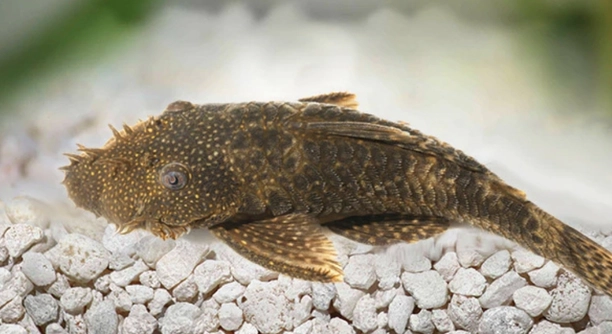
Caring for a pleco can be rewarding, but illness can make it stressful. These freshwater fish are sensitive to changes in water quality, diet, and environment, which can impact their overall health and daily behavior in your aquarium.
Helping a pleco recover from illness requires attention to water parameters, diet adjustments, tank hygiene, and stress reduction. Ensuring optimal conditions and monitoring their health closely supports recovery and prevents further complications, promoting a stable and safe environment for healing.
Learning to recognize signs of illness early and applying these recovery methods can make a meaningful difference in your pleco’s health. Proper care ensures your fish thrives in a safe, balanced aquatic habitat.
Monitor Water Quality Closely
Maintaining clean, balanced water is essential for a pleco’s recovery. Test the water regularly for ammonia, nitrite, nitrate, and pH levels. Sudden fluctuations can stress your fish and slow healing. Perform partial water changes, ideally 20 to 30 percent weekly, to remove toxins and replenish minerals. Make sure the water temperature remains stable, as plecos are sensitive to sudden changes. Using a quality filter and cleaning it periodically helps maintain optimal conditions. Avoid overfeeding, as leftover food can decay and degrade water quality. Observing your pleco’s behavior in response to water changes helps you adjust care routines effectively. Proper water management reduces stress and supports the immune system. By keeping the tank environment stable, you allow your pleco to focus energy on recovery instead of coping with harmful conditions.
Even small improvements in water quality can significantly enhance a sick pleco’s chances of recovering fully. Consistency is key.
Patience is essential. Regular monitoring and small adjustments prevent relapses. A stable, clean tank encourages natural behaviors like grazing and resting, which are critical for health. Watching your pleco gradually regain appetite and activity signals that recovery is progressing.
Adjust Their Diet
Providing the right nutrition supports immune function and overall recovery. Offer a balanced diet including algae wafers, blanched vegetables, and occasional protein supplements. Avoid overfeeding, which can cause digestive issues or further stress. Remove uneaten food promptly to prevent water contamination.
Introduce new foods gradually to ensure your pleco accepts them without stress or rejection.
During recovery, protein-rich foods like bloodworms or shrimp can help repair tissue and restore energy, while vegetables like zucchini, cucumber, and spinach provide essential vitamins. Feeding small portions multiple times a day is better than one large meal. Be mindful of your pleco’s appetite; a sick fish may eat less initially. Maintaining variety in the diet prevents nutritional deficiencies and encourages consistent eating habits. Avoid sudden changes in food type, as plecos are sensitive to abrupt dietary shifts. Over time, observing preferences and response to different foods allows you to create a reliable, recovery-focused feeding plan. Keeping meals simple but nutrient-rich helps strengthen immunity and supports long-term health.
Reduce Stress in the Tank
Minimizing stress helps plecos recover faster. Keep the tank quiet, avoid sudden movements, and limit handling. Provide hiding spots using driftwood or decorations where your fish can feel secure and rest.
Stress weakens the immune system, making recovery slower. Crowded tanks or aggressive tankmates can trigger stress responses in plecos. Observe interactions and separate any fish showing aggression. Controlling lighting, avoiding abrupt changes in temperature, and keeping feeding routines consistent also reduces stress. A calm environment allows your pleco to conserve energy for healing. Simple adjustments like dimming lights or rearranging decorations to create sheltered areas can make a significant difference in their comfort.
Providing natural hiding spaces encourages normal behavior and reduces visible signs of stress. Even subtle changes, like adding plants or adjusting water flow, improve well-being. A relaxed pleco is more likely to eat, explore, and recover fully, showing gradual improvement in activity and coloration.
Maintain Tank Cleanliness
Regular cleaning prevents infections and keeps water safe. Remove leftover food, debris, and waste from the substrate frequently. Clean decorations gently to avoid harmful chemicals.
A clean tank supports healing by limiting bacteria, fungi, and other pathogens. Use a siphon to vacuum the substrate during water changes and rinse filter media with tank water to avoid killing beneficial bacteria. Avoid harsh soaps or chemicals. Pay attention to hard-to-reach areas where waste can accumulate. Regular observation helps identify early signs of illness caused by poor hygiene. By staying consistent with cleaning routines, you create a stable environment where your pleco can regain strength and reduce the risk of repeated infections. Maintaining cleanliness reduces stress and improves appetite, essential for recovery.
Isolate Sick Plecos
Separating a sick pleco prevents the spread of illness and allows focused care. Use a quarantine tank with similar water conditions to minimize stress. Monitor their behavior and appetite closely during isolation.
Isolation helps prevent cross-infection and gives your pleco a calm, controlled environment. Keep the tank clean and maintain stable water parameters to support recovery. Providing hiding spots and minimal disturbances allows the fish to rest and regain strength.
Observe Behavior Daily
Watching your pleco’s daily activity helps detect subtle signs of improvement or decline. Note changes in swimming, feeding, and resting patterns to adjust care as needed. Consistent observation is essential for timely interventions and recovery tracking.
Support Immune Health
Maintaining optimal conditions, proper diet, and low-stress environments strengthens your pleco’s immune system. Healthy fish recover faster and resist future illnesses.
FAQ
How do I know if my pleco is sick?
Signs of illness in plecos include loss of appetite, unusual swimming patterns, clamped fins, faded color, or visible spots and lesions on their body. Lethargy and hiding more than usual can also indicate stress or infection. Observing daily behavior helps detect problems early.
Can water changes really improve recovery?
Yes. Regular water changes remove waste, toxins, and excess nutrients that can promote bacterial growth. Partial changes, about 20–30 percent weekly, help maintain stable conditions. Using dechlorinated water at the correct temperature ensures the pleco isn’t stressed during the process.
What foods are best for a recovering pleco?
Blanched vegetables such as zucchini, cucumber, and spinach provide essential vitamins. Algae wafers give necessary nutrients and help maintain digestion. Occasionally offering protein-rich foods like bloodworms or shrimp can support tissue repair. Feed small portions multiple times a day to encourage eating.
How long does it take for a pleco to recover?
Recovery time varies depending on the illness and the pleco’s overall health. Minor issues may improve in a few days, while infections or severe stress can take several weeks. Consistency in care, water quality, and diet greatly influences recovery speed.
Should I medicate my pleco?
Medication is only necessary for bacterial, fungal, or parasitic infections. Always identify the specific issue before treating. Overuse or incorrect medication can harm the fish. Following professional guidance or reliable aquarium resources ensures safe treatment.
Is tank size important during recovery?
Yes. A spacious, properly filtered tank reduces stress and allows the pleco to swim freely. Overcrowded conditions can increase aggression, spread disease, and slow recovery. Providing hiding spots in a clean environment is equally crucial.
Can other fish affect recovery?
Aggressive or fast-moving tankmates may stress a sick pleco, slowing healing. Monitoring interactions and, if necessary, temporarily separating the pleco ensures it can rest and feed without disturbances. Calm tankmates promote a safer, more controlled recovery environment.
How often should I monitor water parameters?
During recovery, check ammonia, nitrite, nitrate, pH, and temperature at least twice a week. Sudden changes can stress the fish and worsen illness. Keeping logs helps identify trends and prevent recurring problems, supporting consistent care.
What if my pleco stops eating completely?
Loss of appetite is common during illness. Ensure water quality is optimal and provide easy-to-digest foods. Try offering blanched vegetables or algae wafers close to the hiding spots. If the appetite doesn’t return within a few days, consult a veterinarian or aquarium specialist.
Can stress alone make a pleco sick?
Yes. Stress from poor water quality, overcrowding, aggressive tankmates, or sudden environmental changes can weaken the immune system. Reducing stress with proper hiding places, stable conditions, and minimal disturbances is essential for both recovery and long-term health.
How do I prevent future illnesses?
Maintain stable water parameters, a balanced diet, and a clean environment. Quarantine new fish before introducing them to the main tank. Regular observation of behavior and health helps catch early signs of illness before it becomes serious. Preventive care is the most effective strategy.
Are plecos prone to specific diseases?
Common issues include bacterial infections, fungal growth, parasitic infestations, and internal digestive problems. These can arise from poor water quality, stress, or improper diet. Early detection and proper care are key to managing these conditions effectively.
Can temperature changes affect recovery?
Yes. Sudden drops or spikes in water temperature can stress plecos and slow healing. Keep the water within the species-specific range and avoid abrupt changes during cleaning or water changes. Stable temperatures support immune function and overall recovery.
Is it necessary to provide hiding spots during recovery?
Absolutely. Hiding spots reduce stress and give your pleco a secure place to rest. Driftwood, caves, or plants create shelter. A comfortable environment encourages natural behavior, reduces stress-related complications, and promotes faster healing.
How do I know if my pleco has fully recovered?
A fully recovered pleco resumes normal feeding, swimming, and resting patterns. Its color should be vibrant, fins fully extended, and there should be no visible signs of illness. Consistent behavior over time indicates that the pleco has regained strength and health.
What role does diet play in long-term health?
A balanced diet maintains immune function, supports growth, and prevents digestive issues. Providing vegetables, algae-based foods, and occasional protein ensures nutritional needs are met. Consistent, varied feeding habits reduce the risk of illness and improve longevity.
Can I mix new medications with regular tank care?
Medications should be used carefully. Avoid strong chemicals that may disrupt beneficial bacteria. Remove activated carbon during treatment and continue gentle water changes. Following manufacturer instructions and monitoring water quality ensures safe treatment.
How can I make the tank safer for a sick pleco?
Remove sharp decorations or objects that could injure the fish. Ensure gentle water flow and adequate hiding spots. Minimize disturbances and keep the environment calm. A stable, safe space helps the pleco focus energy on healing.
What is the most common mistake during recovery?
Overhandling or unnecessary tank changes can stress the fish. Ignoring water quality or overfeeding may also slow recovery. Consistency in care, monitoring, and gentle intervention is essential for a smooth healing process.
How do I maintain recovery progress after the fish seems healthy?
Continue regular water changes, balanced feeding, and monitoring behavior. Keep stress levels low and avoid overcrowding. Maintaining these practices ensures the pleco stays healthy and reduces the likelihood of relapse or secondary infections.
Are quarantine tanks necessary for future illnesses?
Yes. Quarantine tanks allow early detection and treatment of new illnesses without affecting the main tank. They prevent disease spread and give sick fish a calm, controlled environment for recovery. Proper quarantine practices protect the health of all tank inhabitants.
Can I use natural remedies for minor issues?
Some natural remedies, like adjusting salt levels or adding aquarium-safe herbs, can support recovery. However, they should complement proper care and not replace professional treatment for serious infections. Observation and moderation are key to their effectiveness.
How do I track recovery progress effectively?
Keep a journal of feeding habits, behavior, water parameters, and appearance. Note any changes daily or weekly. Tracking progress allows you to adjust care, identify setbacks, and ensure the pleco is improving consistently. Consistent monitoring leads to better long-term outcomes.
What should I do if recovery stalls?
If there’s no improvement after a week or symptoms worsen, consult a veterinarian or aquarium specialist. Persistent issues may require targeted treatment, changes in care, or additional support to ensure full recovery. Early intervention prevents complications.
Can plecos recover from severe illnesses at home?
Many illnesses can be treated at home with proper care, isolation, and monitoring. Severe cases may need professional advice or medication. The key is maintaining optimal conditions, reducing stress, and responding quickly to changes in health.
How often should I check my pleco after recovery?
Even after apparent recovery, regular observation is important. Weekly checks of behavior, appetite, and water quality help prevent relapses. Maintaining consistent routines ensures long-term health and stability for your pleco.
What signs indicate relapse?
Loss of appetite, unusual swimming, faded color, or increased hiding may indicate illness returning. Early detection allows immediate intervention, preventing serious complications.
Are supplements necessary for recovery?
Supplements can aid recovery but are not always required if the diet is balanced. Vitamin-rich vegetables and occasional protein usually provide adequate nutrients. Use supplements cautiously and follow recommended dosages.
How important is routine maintenance during recovery?
Routine maintenance ensures water quality remains optimal, preventing stress and infection. Consistent care, feeding, and cleaning practices support recovery and reduce the risk of future health problems.
Can tank decorations affect health?
Yes. Rough or sharp objects can injure a sick pleco. Smooth surfaces and hiding spots are preferable, reducing stress and physical harm during recovery.
What water temperature is ideal for recovery?
Maintain species-specific temperature ranges, usually around 74–80°F for most plecos. Stable temperatures support metabolism, immune function, and overall healing, avoiding additional stress.
How can I encourage feeding during illness?
Offer easy-to-eat foods near hiding spots. Try small portions, soft vegetables, or specialized wafers. Reducing stress and maintaining clean water also encourages appetite.
Is it normal for a pleco to hide more when sick?
Yes. Hiding is a natural stress response. Providing shelters allows rest, reduces stress, and helps energy be directed toward recovery.
How can I prevent infections in the future?
Maintain clean water, a balanced diet, low-stress conditions, and quarantine new fish. Early observation and care prevent illness and support long-term health.
How do I manage multiple sick fish?
Separate each sick fish if possible, maintain optimal water quality, and monitor individually. Avoid overcrowding, which increases stress and slows recovery.
What role does oxygenation play during recovery?
Adequate oxygen supports metabolism and healing. Ensure proper aeration and water flow without creating strong currents that stress the pleco.
Can plecos tolerate temporary changes in water conditions?
Minor, gradual changes may be tolerated, but sudden shifts in pH, temperature, or hardness can cause stress and delay recovery. Stability is key.
How do I identify less obvious illnesses?
Watch for subtle signs like slower movement, faded color, irregular breathing, or reduced appetite. Daily observation and comparing behavior to normal patterns help detect early problems.
What if a pleco refuses all food?
Try offering a variety of soft, easy-to-digest foods and monitor water quality. Persistent refusal requires professional evaluation, as it can indicate serious illness.
Are some pleco species more sensitive than others?
Yes. Some species are more prone to stress or dietary issues. Researching species-specific needs ensures proper care and reduces the risk of illness.
Can frequent water testing cause stress?
Testing itself is low-stress if done carefully. Minimize disruptions, avoid sudden temperature changes, and maintain consistent handling techniques to reduce any impact.
How do I know when to end isolation?
End isolation once the pleco shows consistent appetite, normal behavior, and no visible signs of illness for at least a week. Gradually reintroduce to the main tank under observation.
Should I adjust lighting during recovery?
Soft, consistent lighting helps reduce stress. Avoid bright, sudden changes that may startle a sick pleco. Lighting can influence feeding and resting patterns.
Can overfeeding prolong illness?
Yes. Uneaten food decays and degrades water quality, stressing the pleco. Feed small, manageable portions and remove leftovers promptly to support recovery.
Are there signs of permanent damage after severe illness?
In some cases, fin damage, discoloration, or slower growth may persist. Early intervention and consistent care reduce the likelihood of long-term effects.
Is it okay to use tank additives for recovery?
Some additives, like electrolytes or water conditioners, may support recovery. Avoid unnecessary chemicals, and always follow safe usage guidelines.
How do I prevent recurring stress-related illnesses?
Maintain stable water, consistent feeding routines, hiding spots, and low-stress conditions. Observing behavior daily helps prevent issues before they become serious.
Can I mix sick and healthy fish during treatment?
Avoid mixing until the sick fish fully recovers. Isolation prevents disease spread, reduces stress, and allows targeted care for the affected pleco.
Do all plecos need the same care during recovery?
Care may vary by species, size, and individual health. Adjust diet, temperature, and tank setup based on the specific pleco’s needs. Observing behavior and response ensures effective recovery.
How do I know if home treatment is enough?
If your pleco improves steadily in appetite, activity, and appearance, home care is sufficient. Lack of progress or worsening symptoms requires professional intervention.
Can stress from tank maintenance affect recovery?
Yes. Gentle, consistent maintenance minimizes stress. Avoid sudden water changes, loud noises, or abrupt decoration adjustments during the healing period.
What is the best way to track long-term health?
Keep a log of water parameters, feeding, behavior, and appearance. Consistent tracking identifies trends, prevents relapses, and ensures continued well-being.
Are some illnesses contagious to other fish?
Yes. Bacterial, fungal, and parasitic infections can spread. Isolation and quarantine practices prevent transmission and protect tankmates.
Can supplements replace a balanced diet?
Supplements complement but do not replace proper nutrition. Providing varied, high-quality food ensures all essential nutrients for recovery and long-term health.
How do I adjust care for older plecos?
Older plecos may recover slower and require gentler conditions, softer foods, and careful observation. Maintaining low stress and clean water is critical.
Is professional consultation necessary for all illnesses?
Not always. Minor issues may resolve with proper care, but persistent or severe symptoms warrant professional advice to ensure safe and effective treatment.
How important is patience during recovery?
Very. Plecos heal slowly, and rushed interventions or overhandling can worsen their condition. Patience allows natural recovery and reduces stress.
Can multiple small changes improve recovery more than one large change?
Yes. Gradual, consistent improvements in water, diet, and environment reduce stress and allow the pleco to adjust, supporting steady recovery.
Are certain water parameters more critical than others?
Ammonia, nitrite, pH, and temperature are particularly important. Keeping these stable prevents stress and promotes immune function, essential for healing.
How do I know if a treatment is effective?
Improved appetite, activity, and coloration indicate effective care. Observing consistent positive changes confirms that recovery efforts are working.
Can plecos adapt to minor changes in diet during recovery?
Yes, if changes are gradual. Sudden shifts can cause stress or refusal to eat. Introduce new foods slowly while monitoring acceptance and digestion.
What are signs that a pleco is fully stable post-recovery?
Normal feeding, swimming, vibrant coloration, and extended fins indicate health. Consistent behavior over several weeks confirms long-term recovery.
Is frequent observation necessary even after recovery?
Yes. Regular monitoring ensures early detection of stress, illness, or water issues, helping maintain ongoing health and prevent relapses.
Can recovery be sped up safely?
Focus on consistent water quality, balanced diet, stress reduction, and proper isolation. Avoid rushing with excessive handling or harsh treatments, as these can slow progress.
What should I do if I notice unusual behavior after recovery?
Investigate water parameters, diet, and tankmates. Early intervention prevents setbacks and maintains the pleco’s health. Consulting a professional may be necessary for persistent or severe changes.
How can I support a pleco with recurring issues?
Maintain clean, stable conditions, provide balanced nutrition, monitor behavior, and isolate when necessary. Preventive care reduces the likelihood of repeated illness.
Can overhandling during feeding affect recovery?
Yes. Excessive interaction can stress a sick pleco, reduce appetite, and slow healing. Offer food close to hiding areas with minimal disturbance.
What are the most effective preventive measures?
Consistent water quality, balanced diet, stress reduction, quarantine for new fish, and daily observation. Preventive care ensures long-term health and reduces illness risk.
How do I balance treatment and daily maintenance?
Prioritize gentle cleaning, monitor water parameters, and avoid abrupt changes. Consistency and minimal disruption allow the pleco to focus energy on recovery.
Can stress from tankmates be permanent?
Prolonged stress can weaken the immune system. Adjusting tank composition and providing hiding spots reduces long-term health impacts.
What role does tank layout play in recovery?
A well-arranged tank with hiding spots, smooth surfaces, and gentle water flow reduces stress and allows natural behavior, supporting faster healing.
How often should I revisit care routines?
Regularly assess water quality, diet, and behavior. Updating care based on observation ensures continued recovery and long-term well-being.
Are there seasonal considerations for pleco recovery?
Temperature fluctuations and changes in lighting or feeding schedules can impact recovery. Maintain stable conditions throughout the year to support health.
Can a pleco recover without professional help?
Many do, with proper water management, diet, stress reduction, and observation. Severe or persistent illnesses may still require consultation.
How important is routine feeding during recovery?
Consistent, appropriate portions encourage appetite, maintain energy, and support immune function. Skipping meals or overfeeding can hinder healing.
Can stress from noise affect recovery?
Yes. Loud sounds or frequent disturbances increase stress, slow healing, and may reduce appetite. Keep the tank environment calm.
How do I prevent tank-related injuries during recovery?
Remove sharp objects and provide smooth decorations. Adequate hiding spots reduce risk of injury and stress.
Are plecos sensitive to chemical changes during recovery?
Yes. Avoid harsh cleaners, soaps, or sudden chemical additives. Use aquarium-safe treatments to maintain safe conditions.
What is the most important factor for long-term recovery?
Stable water, low stress, proper nutrition, and consistent observation. Maintaining these factors ensures full recovery and prevents future illness.
How do I identify subtle improvements in health?
Look for increased activity, appetite, color restoration, and fin extension. Small positive changes indicate gradual progress toward full recovery.
Can isolation tanks affect social behavior long-term?
Short-term isolation for recovery usually does not affect social behavior. Prolonged isolation may lead to cautious interaction with other fish.
How do I safely reintroduce a recovered pleco?
Acclimate slowly by matching water parameters and observing interactions. Gradually reintroduce to the main tank while monitoring behavior to prevent stress or aggression.
Are there signs that indicate complete immune recovery?
Regular feeding, normal activity, vibrant color, and resistance to minor stressors indicate a restored immune system. Consistency over weeks confirms health.
Can environmental enrichment aid recovery?
Yes. Hiding spots, driftwood, and gentle water flow encourage natural behaviors and reduce stress, supporting faster healing.
What precautions should I take with new fish post-recovery?
Quarantine new arrivals, monitor water quality, and introduce them slowly. This prevents re-infection and maintains a stable environment for your pleco.
How can I ensure the pleco remains healthy long-term?
Consistent water management, balanced diet, stress reduction, regular observation, and preventive measures keep your pleco thriving and minimize future illnesses.
Is it normal for a pleco to be less active after severe illness?
Yes, recovery may take time. Gradually, activity levels increase as health and energy return. Monitoring progress ensures proper care.
Can lighting adjustments improve recovery speed?
Soft, consistent lighting reduces stress, encourages
Final Thoughts
Caring for a pleco during illness requires attention, patience, and consistency. Maintaining clean water, balanced nutrition, and a calm environment are the foundation of recovery. Sudden changes in temperature, pH, or water quality can easily stress a sick pleco and slow the healing process. It is important to keep water parameters stable, perform partial water changes regularly, and monitor the tank for any signs of contamination or leftover food. Providing hiding spots and gentle water flow allows the fish to rest, feel secure, and focus energy on regaining strength. Observing behavior, appetite, and coloration daily can provide valuable insight into their condition and indicate whether adjustments in care are needed. Even small improvements in water quality or diet can have a meaningful impact on a pleco’s recovery, demonstrating the importance of consistent, careful maintenance.
Diet plays a critical role in recovery and long-term health. Offering a mix of algae wafers, blanched vegetables, and occasional protein-rich foods ensures the pleco receives essential nutrients. Sick plecos may have a reduced appetite, so providing small, frequent meals and placing food near their hiding spots can encourage feeding. It is also crucial to introduce any new foods gradually to prevent further stress or digestive issues. Avoid overfeeding, as uneaten food can decay and degrade water quality, leading to additional problems. Supplements can sometimes support recovery, but they should not replace a balanced diet. Observing your pleco’s preferences and responses to different foods helps create a diet plan that supports both recovery and overall well-being. Consistency in feeding routines allows the fish to regain energy, repair tissues, and strengthen its immune system, reducing the likelihood of recurring illnesses.
Stress management is another essential aspect of helping a pleco recover. Stress can weaken the immune system and slow healing, so minimizing disturbances in the tank is critical. Keep the environment quiet, avoid unnecessary handling, and monitor interactions with other tankmates. Aggressive or fast-moving fish can create tension, so separating or providing additional hiding spaces can prevent unnecessary stress. Isolation in a quarantine tank may be necessary for sick plecos to allow focused care and reduce the risk of spreading disease. Even subtle adjustments, such as rearranging decorations, dimming lights, or controlling water flow, can significantly improve comfort and encourage natural behaviors. Patience and consistency in these practices allow the pleco to regain strength gradually, restoring normal activity, feeding, and coloration. By maintaining a clean, stable, and low-stress environment, coupled with proper nutrition and careful observation, you create the best conditions for your pleco to recover fully and maintain long-term health in the aquarium.

Hello,
If you enjoy the content that we create, please consider saying a "Thank You!" by leaving a tip.
Every little bit helps us continue crafting quality advice that supports the health, happiness, and well-being of pets around the world, for pets of all shapes, sizes, and species.
We really appreciate the kindness and support that you show us!