
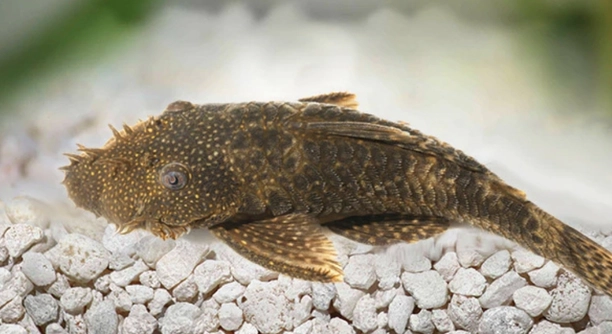
Do you ever find yourself observing your pleco gliding along the aquarium walls, seemingly disappearing when the lights turn on? These gentle fish often keep to themselves, leaving many aquarium owners unsure of their natural preferences.
Plecos are primarily nocturnal creatures, preferring darkness over daylight. They are most active during nighttime hours, using low light conditions to forage and explore. Bright daylight often encourages hiding behaviors, reflecting their natural habitat tendencies.
Understanding their light preferences is essential for maintaining a healthy environment, ensuring your pleco feels secure and behaves naturally in its tank.
Understanding Pleco Behavior
Observing plecos can be fascinating because their behavior is quite different from other aquarium fish. They are naturally nocturnal, preferring to hide during daylight and emerge when the tank is dim. In their natural habitat, rivers and streams provide plenty of shaded areas, driftwood, and rocks where plecos can take cover. This instinct carries over into home aquariums. Plecos use darkness to feel safe and to search for food without feeling threatened. If you notice your pleco staying in one spot during the day, it is likely resting or hiding rather than being ill. Lighting plays a major role in their comfort. Overly bright tanks can stress plecos, causing them to hide excessively or avoid feeding. Adjusting light cycles to simulate dawn and dusk can help your pleco feel more secure. Observing these patterns helps owners provide a more natural, stress-free environment.
Keeping plecos in dim lighting supports natural behavior, reducing stress and encouraging regular activity during feeding periods.
Plecos also respond to changes in their surroundings. Sudden bright lights or rearranged decorations can lead to hiding or unusual behavior. Driftwood, caves, and plants mimic their natural habitat, providing both shelter and surfaces to graze on algae. Nighttime is when plecos truly thrive, actively exploring and feeding. Using a low-wattage light or creating shaded areas allows you to watch activity without causing stress. Maintaining a consistent light schedule helps regulate their behavior. Some owners notice their plecos even moving around more comfortably as the tank settles into a pattern that mimics natural day-night cycles. Understanding these tendencies ensures a healthy tank environment and helps the fish exhibit natural behaviors, keeping them active and reducing the risk of health issues.
Creating the Ideal Lighting Environment
Dim or indirect lighting is best for plecos, as it allows them to feel secure and reduces stress within the tank.
Maintaining a proper lighting schedule ensures plecos remain active and healthy. Aim for a balanced cycle with about ten to twelve hours of light and darkness. Avoid sudden bright lights, as they can trigger hiding or aggressive behavior. Incorporating shaded areas or floating plants helps diffuse light, giving plecos places to rest during daylight hours. This setup encourages natural grazing habits on tank surfaces while providing comfort and security. Proper lighting is not just about visibility; it impacts their overall health, behavior, and feeding patterns. A tank designed with careful light management benefits both the fish and the aquarium’s ecosystem, creating harmony between the fish and its surroundings. Over time, observing how plecos respond to these adjustments can inform further improvements. Understanding their preferences allows owners to create an environment where the pleco can thrive naturally, encouraging activity during low light hours while minimizing stress during the day.
Adjusting Tank Setup for Plecos
Providing hiding spots is essential for plecos to feel secure. Caves, driftwood, and dense plants give them shelter during daylight hours. Without proper cover, plecos may become stressed, reduce feeding, or hide excessively. Creating multiple shaded areas allows natural movement and exploration within the tank.
Adjusting tank décor can have a noticeable effect on pleco behavior. Driftwood serves as both a hiding spot and a surface for algae growth, which plecos feed on. Smooth rocks and caves give them secure resting areas while minimizing stress. Floating plants help diffuse light, creating darker zones where plecos can retreat. Rearranging decorations occasionally may encourage activity, but sudden changes can trigger stress. Proper placement of these elements supports natural behavior and overall well-being, promoting a more active and healthier pleco.
Lighting and tank layout work together to influence pleco activity. A combination of low-light areas, hiding spots, and gentle illumination encourages movement during dusk or nighttime hours. Careful attention to these details ensures your pleco’s behavior mirrors its natural instincts. Consistent patterns allow the fish to explore freely without feeling threatened, reducing stress-related health issues. Monitoring how plecos respond to these changes helps maintain a stable, secure environment, encouraging natural feeding, grazing, and resting behaviors that support long-term health and vitality.
Feeding and Activity Patterns
Plecos are most active during low-light hours, feeding primarily at night. Aligning feeding times with their natural activity encourages consistent growth and health.
Observing pleco feeding patterns shows that they prefer grazing on algae and plant matter during dim conditions. Offering vegetables such as zucchini or cucumber supplements their diet while encouraging movement. Nighttime feeding aligns with their instinctual behaviors, reducing competition and stress from other fish. Proper nutrition supports energy levels for nocturnal activity while maintaining overall health. Feeding schedules should be consistent, with portions adjusted to prevent overfeeding.
Activity levels also depend on environmental cues, including light intensity and tank layout. Plecos will explore and graze more when they feel safe, avoiding brightly lit areas. Including multiple feeding spots and surfaces encourages natural foraging behavior while preventing dominance by other fish. Observing these patterns helps identify stress or health issues early. Ensuring a balance between nutrition, hiding areas, and gentle illumination promotes active nighttime behavior, contributing to a more dynamic and stable aquarium ecosystem.
Light and Stress Levels
Plecos become stressed under bright or fluctuating light. Consistently dim lighting helps them feel secure, reducing hiding behavior and encouraging natural activity patterns. Proper lighting supports both mental and physical health in these sensitive fish.
Stress can also be influenced by sudden changes in tank décor or overcrowding. Providing stable hiding spots and maintaining consistent lighting cycles minimizes anxiety and promotes normal behavior.
Nighttime Observation
Observing plecos during nighttime reveals their natural feeding and exploration habits. They move more freely, graze on algae, and interact with tank surfaces. Nighttime is when they exhibit their most active behaviors, providing insight into their true nature.
Seasonal Light Changes
Plecos can adjust to gradual changes in daylight length, but sudden shifts may disrupt activity. Maintaining stable light patterns supports health and feeding behavior, allowing them to remain comfortable throughout seasonal changes.
Choosing Tank Lighting
LED or low-wattage lighting is ideal for pleco tanks. These lights provide sufficient visibility without overwhelming brightness, creating a balanced environment for both daytime and nighttime activity.
FAQ
Do plecos need complete darkness to be active?
Plecos do not require complete darkness, but they thrive in low-light conditions. Dim lighting simulates their natural environment, allowing them to explore and feed comfortably. Too much light can make them hide more often, reducing their activity and affecting their health over time.
Can plecos adapt to bright daylight?
Plecos can tolerate brighter lighting for short periods, but prolonged exposure may cause stress. They will often seek shelter under driftwood, plants, or other decorations. Gradually increasing light intensity can help them adjust, but providing shaded areas remains essential for comfort.
How long should the lights be on in a pleco tank?
A consistent light cycle of around 10 to 12 hours works best. This mimics natural day and night patterns, encouraging normal activity and feeding behavior. Maintaining a stable schedule prevents stress and helps plecos establish predictable routines.
What type of lighting is best for plecos?
Low-wattage LED or fluorescent lights are ideal because they provide visibility without overwhelming brightness. Floating plants or shaded areas help diffuse light, giving plecos options to retreat while still allowing observation during the day.
Do plecos prefer natural sunlight or artificial lighting?
Artificial lighting is generally sufficient for plecos. Direct sunlight can heat the water unevenly and encourage algae overgrowth. A controlled artificial light source allows you to manage intensity and duration, keeping the environment stable and comfortable.
How can I tell if my pleco is stressed from light?
Signs of stress include excessive hiding, reduced feeding, and erratic swimming. If your pleco spends most of the day in the same spot or avoids surfaces with algae, it may be reacting to overly bright light. Adjusting lighting and adding hiding spaces usually alleviates these issues.
Should plecos have different lighting at night?
Plecos naturally prefer darkness at night, but low-level ambient lighting is acceptable if you want to observe them. Red or blue aquarium lights are often used because they provide visibility without disturbing nocturnal behavior.
Do plecos sleep during daylight hours?
Yes, plecos rest during the day in shaded or hidden areas. This resting period is essential for their health. Nighttime activity is when they feed, graze, and explore the tank, reflecting their nocturnal instincts.
Will changing light affect pleco feeding?
Yes, feeding is closely tied to light levels. Bright light can discourage movement and grazing, while dim conditions encourage natural foraging. Offering food during low-light periods aligns with their active phase and supports better nutrition and growth.
Can tank décor impact pleco comfort with light?
Absolutely. Driftwood, caves, and plants create shaded zones, allowing plecos to escape bright areas. Proper décor balances light distribution, encourages exploration, and reduces stress, contributing to healthier behavior and improved overall well-being.
Are all pleco species equally nocturnal?
Most plecos are primarily nocturnal, but activity levels can vary among species. Some may be slightly more active during the day, but all benefit from dim lighting and shaded areas that replicate natural habitats.
Does light intensity influence algae growth for plecos?
Yes, brighter light can increase algae growth, which plecos feed on. However, excessive light may stress the fish. Balancing light intensity ensures healthy algae growth without causing discomfort or hiding behavior.
How often should lighting be adjusted for plecos?
Lighting should remain consistent, with gradual changes for seasonal shifts if needed. Sudden adjustments can disrupt feeding and activity patterns. Observing pleco behavior helps determine if light changes are appropriate or causing stress.
Can plecos recognize day length changes?
Plecos can sense gradual changes in daylight length, which influences activity cycles. Maintaining a stable artificial light schedule ensures predictable behavior and minimizes stress from sudden environmental changes.
Is it necessary to use timers for pleco tanks?
Timers are highly recommended. They provide a consistent light cycle, reduce human error, and mimic natural day-night rhythms. Consistency supports healthy activity, feeding, and resting patterns, benefiting overall pleco health.
Final Thoughts
Plecos are naturally nocturnal fish, and their behavior is closely tied to light levels. Observing them over time shows that they are most active during low-light conditions, using the darker hours to feed and explore. Bright lighting tends to make them retreat to hiding spots, such as caves, driftwood, or dense plants. This instinct is part of their natural survival strategy, carried over from rivers and streams where shaded areas provide safety from predators. In home aquariums, replicating these conditions is essential to keeping plecos comfortable and healthy. Tank owners who provide dim lighting and shaded areas often notice more natural activity, regular feeding, and less stress-related behavior. Understanding this basic aspect of pleco biology allows aquarists to create an environment that encourages the fish to behave as they would in the wild, which in turn improves their overall well-being.
Adjusting the tank setup to suit plecos’ lighting preferences is straightforward but impactful. Driftwood and caves serve dual purposes: they give the fish secure hiding spots and surfaces to graze on algae, which is a natural part of their diet. Floating plants and other décor can help diffuse light, creating zones of shade where the pleco feels safe. Maintaining a consistent light schedule also plays a critical role in regulating behavior. Sudden changes in light intensity or tank arrangement can stress the fish, causing excessive hiding or disrupted feeding habits. Gradual adjustments are better if changes are necessary, and timers are an excellent tool for maintaining reliable day-night cycles. Paying attention to these details not only encourages natural activity but also supports physical health by allowing plecos to follow their instinctual routines for feeding and resting.
Finally, observing your pleco’s behavior over time provides valuable insight into how they respond to light and their environment. Each fish may have slight variations in activity, but the overall pattern remains consistent: they prefer dim conditions and seek shelter during bright periods. Offering a balanced environment with controlled lighting, adequate hiding spots, and proper feeding schedules ensures that plecos remain active, healthy, and stress-free. Being attentive to these factors also helps prevent health issues that may arise from prolonged stress or disrupted routines. For anyone keeping plecos, understanding and respecting their natural preferences is key to creating a harmonious aquarium where the fish can thrive naturally. Proper lighting, décor, and consistency in care work together to maintain both the physical and behavioral health of plecos, making them a fascinating and rewarding species to keep.

Hello,
If you enjoy the content that we create, please consider saying a "Thank You!" by leaving a tip.
Every little bit helps us continue crafting quality advice that supports the health, happiness, and well-being of pets around the world, for pets of all shapes, sizes, and species.
We really appreciate the kindness and support that you show us!