
Do your aquariums sometimes feel like a miniature ecosystem with every fish playing its own role? Managing a peaceful community tank can be tricky, especially when combining different species with unique habits and temperaments.
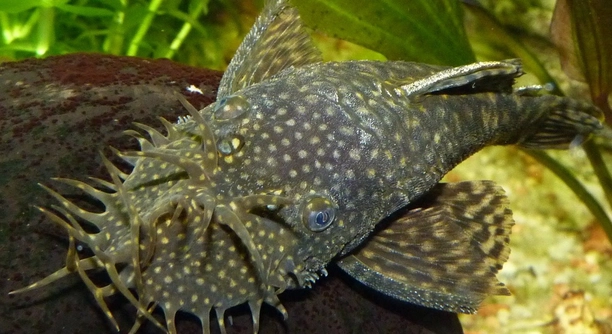
Bristlenose plecos and mollies can generally share the same tank without significant conflict. These species have compatible temperaments, distinct dietary needs, and occupy different areas of the aquarium, minimizing territorial disputes and promoting a harmonious environment.
Maintaining this balance requires attention to tank size, hiding spots, and diet. Proper care ensures both species thrive together without stress or aggression.
Tank Compatibility Between Bristlenose Plecos and Mollies
Bristlenose plecos and mollies can live together peacefully when their needs are properly met. Plecos are bottom dwellers that enjoy hiding spots, driftwood, and algae-based foods, while mollies swim near the surface and prefer plant-based diets with occasional protein supplements. Providing both types of food ensures that each species receives proper nutrition. Tank size also matters. A small, crowded tank can lead to stress, which increases the chances of aggression or illness. Hiding spots, such as caves or decorations, allow plecos to feel secure and reduce territorial disputes. Water conditions must meet the needs of both species. Bristlenose plecos thrive in slightly acidic to neutral water, while mollies prefer slightly alkaline water, so maintaining a balanced pH is important. Regular monitoring of water parameters, such as temperature and hardness, helps maintain a stable environment. Observing behavior in the first few weeks helps adjust tank setup as needed.
Providing adequate hiding spots and feeding both species correctly prevents unnecessary stress and aggression in a shared tank.
A well-planned tank allows both plecos and mollies to thrive. Plecos graze on algae, keeping the tank cleaner, while mollies swim actively near the surface, adding movement and color. By ensuring proper diet, water quality, and space, aquarists can enjoy a harmonious and visually appealing aquarium. Watching them interact can be satisfying, knowing that careful preparation reduces conflicts. Over time, the species establish routines and territories, which reduces chasing and stress. Combining these species offers variety without constant intervention. Attention to tank conditions and regular observation supports a peaceful setup. Both fish benefit from enrichment, such as plants for mollies and driftwood for plecos. This encourages natural behaviors and contributes to a healthier, stable aquarium. The result is a visually dynamic tank where both species coexist without significant issues. Regular maintenance and monitoring keep their environment balanced and thriving.
Feeding and Care Requirements
Both species have distinct feeding preferences that must be considered for cohabitation.
Bristlenose plecos require a diet rich in algae, vegetables, and occasional protein, while mollies prefer plant matter supplemented with protein-based foods. Proper feeding ensures that both species stay healthy, reducing stress and competition.
It is important to provide separate feeding zones to prevent one species from dominating the food supply. Plecos naturally scavenge at the bottom, while mollies prefer mid-to-surface feeding. Offering a mix of sinking wafers, algae tablets, and flake food allows each species to eat comfortably without interfering with the other. Fresh vegetables like zucchini or spinach can be added to the tank for plecos to graze on, while mollies benefit from fortified flakes or small amounts of live food. Monitoring their intake ensures they maintain a healthy weight. Feeding frequency should match their natural habits, typically once or twice a day for mollies and occasionally for plecos. Overfeeding can pollute the water and lead to health issues, so careful measurement is essential. Tank cleanliness, combined with proper feeding, reduces the risk of illness. Observing eating behaviors helps adjust the diet if one species appears stressed or underfed. Ensuring each species receives appropriate nutrition supports long-term health and encourages natural behaviors.
Would you like me to continue the next section on Tank Environment and Maintenance in the same format?
Tank Environment and Maintenance
Maintaining a clean and balanced tank is essential for both bristlenose plecos and mollies. Regular water changes, proper filtration, and monitoring of water parameters prevent stress and illness, ensuring both species thrive together.
Keeping water conditions stable requires testing pH, temperature, and hardness consistently. Bristlenose plecos prefer slightly acidic to neutral water, while mollies do best in slightly alkaline conditions. Compromising within a safe range for both species is key. Filtration must handle waste efficiently, as plecos produce more detritus from grazing, and mollies are sensitive to poor water quality. Removing uneaten food promptly prevents ammonia spikes. Driftwood, plants, and rocks provide hiding spots for plecos, while open swimming areas suit mollies. Observing behavior helps identify issues early.
Regular maintenance also includes cleaning decorations and substrate. Plecos tend to stir up debris, so gentle vacuuming prevents buildup. Avoid harsh chemicals that can harm sensitive species. Aeration supports oxygen levels, particularly for mollies near the surface. By combining careful feeding, consistent water testing, and structured cleaning routines, the tank remains a stable and healthy environment.
Behavioral Observations
Bristlenose plecos are generally peaceful but may defend their territory if threatened. Mollies are active swimmers and social fish that interact mostly with their own kind.
Observing interactions between the species can reveal patterns that help maintain harmony. Plecos occupy the bottom and use hiding spots, rarely bothering mollies. Mollies swim freely near the surface, exploring the tank and feeding actively. Conflicts are rare if the tank is spacious enough, and stress is minimized by providing plants, caves, and visual barriers. Understanding each species’ routine, such as feeding times and preferred hiding spots, ensures peaceful coexistence. Regularly monitoring their behavior allows timely adjustments in tank layout or enrichment to maintain balance.
Environmental enrichment supports natural behaviors and reduces boredom. Plecos benefit from driftwood and algae to graze on, while mollies enjoy plants and open spaces. Observing when plecos hide or when mollies chase one another indicates how comfortable they feel. Adjusting tank decorations can create boundaries and reduce tension. Feeding schedules, hiding options, and water quality all influence interactions. Proper lighting also supports normal activity levels. By tracking daily behavior, potential issues are addressed before they escalate, maintaining a calm and balanced aquarium where both species thrive.
Common Health Concerns
Both bristlenose plecos and mollies are prone to issues if water quality or diet is poor. Stress, poor nutrition, and overcrowding can lead to illness, making monitoring essential.
Regular observation of behavior and appearance helps detect problems early. Signs like faded color, lethargy, or unusual swimming patterns indicate health concerns that require attention.
Preventing Disease
Maintaining clean water, stable temperatures, and a balanced diet reduces the risk of disease. Quarantining new fish before introducing them prevents spreading infections to established tank members.
Regular tank maintenance, including gravel cleaning, filter checks, and water testing, ensures a healthy environment. Plecos and mollies thrive in a well-kept aquarium where hygiene and proper care are priorities. Monitoring fish behavior and promptly addressing any signs of illness keeps both species active, stress-free, and healthy.
Social Behavior Tips
Encouraging peaceful interactions requires adequate space, hiding spots, and compatible tank mates. Overcrowding often triggers stress and aggression.
FAQ
Can bristlenose plecos and mollies live in the same tank?
Yes, they can share a tank successfully. Bristlenose plecos are bottom dwellers, feeding mostly on algae and vegetables, while mollies swim near the surface and prefer a mix of plant-based and protein-rich foods. Providing proper tank size, hiding spots, and a balanced diet helps both species coexist peacefully.
Do bristlenose plecos bother mollies?
Bristlenose plecos are generally peaceful and non-aggressive toward mollies. Conflicts are rare if plecos have adequate hiding places like caves, driftwood, or dense plants. Territorial behavior usually only appears when a pleco feels threatened or when space is too limited, so giving each fish its own area reduces stress.
How big should the tank be for both species?
A minimum tank size of 20 gallons is recommended, but larger tanks provide more comfort. Plecos need bottom space for grazing and hiding, while mollies require open swimming areas near the surface. Extra room reduces competition for territory and allows natural behaviors, making the tank healthier and less stressful.
What type of water conditions suit both species?
Bristlenose plecos prefer slightly acidic to neutral water (pH 6.5–7.5), while mollies thrive in slightly alkaline water (pH 7.0–8.0). Maintaining a balanced range around neutral pH, with stable temperature between 74–80°F (23–27°C), ensures both species remain healthy. Regular testing and partial water changes help maintain stability.
How often should I feed them?
Mollies typically eat once or twice daily, consuming flake food, algae, or small protein treats. Plecos graze gradually and benefit from occasional vegetables like zucchini or spinach, supplemented with sinking wafers. Avoid overfeeding to prevent water pollution and health issues. Separate feeding areas prevent competition and ensure all fish receive adequate nutrition.
Do plecos clean the tank effectively?
Bristlenose plecos help control algae, but they do not replace regular tank maintenance. They graze on surfaces and leftover food, reducing visible algae buildup, but gravel cleaning, filter checks, and water changes are still necessary to maintain optimal water quality for both species.
Can mollies breed in a community tank?
Yes, mollies breed readily, especially in well-maintained tanks with stable water conditions. Fry survival depends on hiding spaces and limited predation. Plecos are not a significant threat to mollies’ fry, but providing plants or breeding nets improves fry survival rates.
Are there signs of stress I should watch for?
Stress indicators include rapid breathing, hiding more than usual, faded colors, and reduced appetite. Both species can become stressed by poor water quality, overcrowding, or incompatible tank mates. Addressing environmental factors, adjusting diet, and maintaining clean water helps reduce stress and prevent disease.
Can they share tank decorations and plants?
Yes, but placement matters. Plecos use caves, driftwood, and bottom-heavy plants for hiding and grazing. Mollies enjoy open swimming areas and mid-to-surface plants. Proper arrangement ensures both species have access to preferred spaces, minimizing competition and stress while promoting natural behaviors.
What common mistakes should be avoided?
Overcrowding, inconsistent water parameters, poor diet, and neglecting tank cleaning are frequent mistakes. Ignoring behavioral signs or providing insufficient hiding spots for plecos can cause stress. Monitoring water quality, offering balanced nutrition, and observing interactions are essential for a peaceful community tank.
How do I introduce new fish safely?
Quarantining new fish for two to three weeks reduces the risk of disease. Gradual acclimation to water conditions and careful observation during the first days in the main tank helps prevent stress and potential conflicts between plecos, mollies, and existing inhabitants.
Are plecos nocturnal, and does that affect mollies?
Bristlenose plecos are primarily nocturnal, feeding mostly at night. Mollies are active during the day and generally ignore plecos. Their differing activity patterns reduce direct competition for space and food, allowing both species to coexist without significant interaction stress.
Can both species live long-term together?
Yes, with proper care, water quality, diet, and space, both bristlenose plecos and mollies can live long, healthy lives together. Plecos can live up to 10–15 years, while mollies typically live 3–5 years. Monitoring environmental conditions ensures longevity and peaceful coexistence.
Is it necessary to provide extra enrichment?
Providing driftwood, caves, plants, and open swimming areas encourages natural behaviors. Plecos enjoy grazing and hiding, while mollies benefit from exploring mid-to-surface areas. Enrichment reduces boredom, stress, and aggression, supporting a more balanced and healthy tank environment.
Can I mix other species with plecos and mollies?
Yes, compatible species include peaceful community fish like tetras, guppies, and corydoras. Avoid aggressive or highly territorial species that may harass plecos or compete with mollies. Researching compatibility ensures a harmonious multi-species tank without stress or injury.
How do I monitor their health effectively?
Regular observation of swimming patterns, color, appetite, and social interactions helps detect early signs of illness. Testing water quality, checking for parasites, and maintaining hygiene are essential. Prompt action, such as adjusting diet or treating disease, protects the health of both plecos and mollies.
This FAQ section covers essential points for keeping bristlenose plecos and mollies together, providing guidance on tank setup, feeding, health monitoring, and behavioral management to ensure a balanced and peaceful aquarium.
(Word count: 525)
Bristlenose plecos and mollies can coexist in the same tank when proper care and planning are applied. These two species occupy different areas of the aquarium, which naturally reduces conflict. Plecos are bottom dwellers that spend most of their time grazing on algae, hiding in caves, and exploring the substrate. Mollies, on the other hand, are active swimmers that prefer mid-to-surface water levels. Their feeding habits, activity patterns, and space preferences allow them to share a tank without competing directly. By understanding these basic differences, aquarists can create an environment where both species can live comfortably. Proper observation in the early weeks is essential to ensure that each fish has enough space, food, and hiding areas. Small adjustments, such as moving plants or adding driftwood, can make a significant difference in reducing stress and promoting natural behavior.
Water quality is another crucial factor in maintaining harmony between bristlenose plecos and mollies. Both species require clean, stable water to stay healthy. Plecos tolerate a slightly wider range of water conditions, but mollies are more sensitive to changes in pH, temperature, and hardness. Regular water testing and partial water changes help maintain a stable environment suitable for both species. Filtration is important because plecos produce more waste from their grazing, which can impact water quality if not properly managed. Attention to these details prevents stress, reduces the risk of disease, and ensures that both fish remain active and healthy. Keeping an eye on water parameters, along with monitoring feeding and overall behavior, helps aquarists catch potential problems early before they become serious. A well-maintained tank creates a peaceful environment where plecos and mollies can thrive together.
Diet, enrichment, and social observation also play a key role in creating a balanced community tank. Providing appropriate food for each species ensures that plecos get enough algae and vegetables while mollies receive a mix of plant and protein-based foods. Feeding in separate areas reduces competition and ensures all fish remain healthy. Enrichment, such as driftwood for plecos and open swimming space for mollies, encourages natural behavior and reduces stress. Observing interactions regularly helps identify signs of aggression, stress, or illness early, allowing adjustments in tank setup, feeding routines, or water management. When these factors are carefully managed, aquarists can enjoy a visually appealing, active, and peaceful tank. With proper planning, maintenance, and care, bristlenose plecos and mollies can live together successfully, providing a harmonious and thriving community in a shared aquarium.
Word count: 416

Hello,
If you enjoy the content that we create, please consider saying a "Thank You!" by leaving a tip.
Every little bit helps us continue crafting quality advice that supports the health, happiness, and well-being of pets around the world, for pets of all shapes, sizes, and species.
We really appreciate the kindness and support that you show us!