
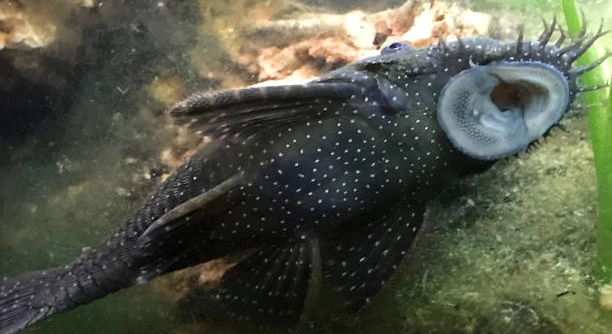
Are your plecos thriving in their current tank setup, or do you notice signs of stress and limited activity? Maintaining a proper environment is essential for these unique fish, as small changes can have a big impact on their well-being.
Upgrading a pleco tank involves considering filtration, hiding spaces, substrate type, lighting, water flow, tank size, and enrichment features. Each of these elements directly affects the fish’s health, behavior, and overall longevity in a controlled aquatic environment.
Implementing these upgrades can transform your plecos’ habitat, ensuring they remain active, healthy, and comfortable while enhancing the aesthetic appeal of your aquarium.
Filtration That Actually Works
A strong filtration system is essential for plecos. These fish produce a significant amount of waste, which can quickly cloud the water and harm their health. Using a high-quality canister or hang-on-back filter helps maintain water clarity and reduces harmful ammonia and nitrite levels. Plecos also prefer slow to moderate water flow, so adjusting filter output is important. Regular maintenance, such as cleaning sponges and replacing filter media on schedule, ensures the system functions efficiently. Additionally, combining mechanical, chemical, and biological filtration creates a balanced environment, keeping your tank stable. Over-filtering can stress the fish, so it’s important to match the filter size to tank volume. Using a pre-filter sponge can protect baby plecos and small tank mates. Proper filtration reduces the need for frequent water changes, allowing for a healthier and more stable environment. Overall, investing in reliable filtration benefits both fish and your time spent maintaining the tank.
Proper filtration keeps water clean, reduces stress, and ensures plecos stay healthy while thriving in their tank environment consistently.
Keeping plecos in poorly filtered water can lead to disease, slower growth, and decreased activity. By prioritizing filtration, you create a stable home, reduce harmful chemical spikes, and maintain oxygen levels. Consistent water quality improves feeding behavior and encourages natural activity. Investing in a reliable system now prevents future problems and helps plecos reach their full size. Adjusting flow and using a mix of filter types ensures waste is managed efficiently. Regular maintenance keeps the tank visually appealing and safe. A well-filtered environment reduces odor, algae growth, and the need for excessive water changes, making care easier. Understanding how filtration directly impacts pleco health allows for better long-term planning and a more vibrant aquarium overall.
Hiding Spaces and Enrichment
Plecos need places to hide to feel secure and reduce stress. Rocks, caves, driftwood, and PVC pipes give them natural shelters and mimic their habitat.
Providing hiding spots improves fish behavior, encourages natural activity, and reduces aggression.
Adding enrichment like driftwood or textured surfaces supports feeding and exploration. Plecos scrape surfaces for algae and need mental stimulation to stay active. A mix of hiding spaces at different tank levels lets them choose preferred spots. Changing decor occasionally keeps their environment interesting. Using natural wood also helps slightly acidify water, which some species prefer. Proper placement of decorations avoids blocking swimming areas while creating cozy shelters. Overcrowding the tank with hides can restrict movement, so balance is key. Enrichment improves health, reduces stress, and promotes natural behavior, creating a more dynamic and engaging tank for your plecos.
Substrate and Tank Bottom Care
Choosing the right substrate is important for plecos, as they spend a lot of time at the tank bottom. Smooth sand or fine gravel prevents injury and allows natural foraging behavior.
A soft substrate reduces the risk of scraping their delicate undersides while providing a comfortable surface to move and rest on. It also helps maintain water quality by trapping debris in a manageable way for easy cleaning. Avoid sharp or coarse gravel that can damage fins or barbels. Some plecos prefer digging or burrowing slightly, and a gentle substrate supports this natural behavior. Regular vacuuming prevents waste accumulation, keeping the tank healthier. The substrate type also affects plant growth, giving live plants a stable rooting base. Combining substrate choice with proper water flow ensures detritus doesn’t collect excessively. A well-selected substrate enhances both fish health and tank appearance, making care easier.
Maintaining a clean and gentle substrate improves plecos’ comfort, prevents injuries, and encourages natural bottom-dwelling behavior while supporting overall tank health.
Substrate choice directly impacts feeding, as plecos scrape algae and debris from surfaces. A fine substrate allows them to forage efficiently without damaging their barbels. It also promotes natural resting behavior and provides a sense of security. Choosing sand or smooth gravel minimizes stress and prevents disease from abrasions. Proper substrate management complements filtration and hiding spaces, contributing to overall stability in water quality. Cleaning and maintaining substrate reduces toxic buildup, improving fish longevity and activity. Considering substrate alongside tank layout and décor creates a harmonious environment, allowing plecos to exhibit natural behaviors freely. A soft, clean bottom makes both maintenance and fish care easier while promoting healthier, more active plecos in the long term.
Lighting and Water Flow
Plecos prefer dimmer lighting and moderate water movement. Excessive brightness can stress them, causing hiding or inactivity.
Controlled lighting replicates natural conditions, supporting circadian rhythms and algae growth for feeding. Consistent water flow prevents stagnant areas and ensures oxygen circulation.
Lighting should be adjusted based on tank décor and live plant needs. Too much light accelerates algae growth in unwanted areas while too little can reduce food availability for algae-eating plecos. Using timers ensures consistent day-night cycles, which helps fish maintain normal activity. Water flow should mimic river-like currents, allowing plecos to swim comfortably while not exhausting them. Combining proper lighting and gentle flow enhances overall tank balance, reduces stress, and improves fish visibility for observation. Adjusting both elements according to species preferences creates a stable and enriching environment that encourages healthy behavior and growth.
Tank Size and Space
Plecos grow larger than many expect, so a spacious tank is essential. Crowded conditions can stress them, stunt growth, and increase disease risk.
A minimum of 30 gallons is recommended for smaller species, while larger plecos need 75 gallons or more. Adequate space allows normal swimming, foraging, and interaction with décor.
Driftwood and Natural Decor
Adding driftwood benefits plecos in multiple ways. Many species rasp on it for fiber, aiding digestion. It also creates natural hiding spaces and contributes to water chemistry by slightly acidifying it. Incorporating driftwood enhances the tank’s aesthetics while supporting natural feeding and behavior.
Temperature and Water Quality
Maintaining stable temperature and water parameters is critical. Sudden changes or poor water quality can weaken immune systems, making plecos more prone to illness. Regular monitoring ensures optimal conditions and healthy fish.
FAQ
What is the ideal water temperature for plecos?
Plecos thrive in temperatures between 74°F and 80°F. Keeping water consistently within this range prevents stress and supports metabolism. Sudden fluctuations can weaken their immune system and make them more susceptible to illness. Using a reliable heater and thermometer helps maintain stable conditions.
How often should I perform water changes?
Weekly water changes of 20–30% are generally sufficient for maintaining water quality. Larger tanks may allow slightly longer intervals, but monitoring ammonia, nitrite, and nitrate levels is crucial. Regular water changes prevent toxic buildup, reduce algae, and maintain healthy fish activity.
Do plecos need live plants?
Live plants are not strictly necessary, but they improve water quality and offer additional hiding spaces. They also provide surfaces for algae growth, which plecos can graze on. Choosing hardy plants that tolerate lower light and moderate flow works best in pleco tanks.
Can plecos live with other fish?
Plecos are generally peaceful but may defend territory if crowded. Tank mates should be non-aggressive and able to tolerate similar water parameters. Avoid housing them with fish that nip fins or outcompete them for food. Providing multiple hiding spots reduces territorial disputes.
How large do plecos get?
Size depends on the species. Common plecos can reach up to 24 inches, while smaller species stay around 4–6 inches. Tank size should reflect their adult dimensions to allow proper swimming space, prevent stress, and reduce health problems.
What should I feed my plecos?
Plecos eat algae, vegetables, and sinking pellets. Fresh vegetables like zucchini, cucumber, and spinach are beneficial. Providing a balanced diet with occasional protein helps growth and overall health. Remove uneaten food to maintain water quality.
Do plecos need driftwood?
Many species benefit from driftwood, which aids digestion and provides natural hiding areas. It also slightly softens and acidifies water, mimicking natural habitats. Adding driftwood supports natural feeding behaviors and encourages activity in the tank.
How can I tell if my pleco is stressed?
Signs include hiding excessively, loss of appetite, erratic swimming, or rubbing against surfaces. Poor water quality, inadequate space, or aggressive tank mates often cause stress. Addressing these factors promptly helps restore health and normal behavior.
Is lighting important for plecos?
Moderate, dim lighting works best. Bright lights can stress plecos and force them to hide constantly. Timers ensure consistent day-night cycles, supporting natural activity and encouraging algae growth for grazing. Adjust lighting based on plant needs and fish comfort.
How long do plecos live?
Plecos can live 10–15 years with proper care, though some species reach 20 years. Longevity depends on diet, water quality, tank size, and stress levels. Consistent maintenance and monitoring extend their lifespan and keep them active and healthy.
Do plecos need specialized filtration?
Yes, strong filtration is necessary due to their waste production. A combination of mechanical, chemical, and biological filtration ensures water clarity and stability. Adjusting flow prevents stress while maintaining oxygenation and clean conditions.
Can plecos survive in small tanks?
Small tanks can be temporary housing for juveniles, but adult plecos require larger tanks. Insufficient space limits growth, reduces activity, and increases stress. Investing in a properly sized tank ensures long-term health and proper behavior.
How often should I clean the tank?
In addition to weekly water changes, remove debris from substrate and decorations regularly. Over-cleaning can disrupt beneficial bacteria, so balance is key. Cleaning supports water quality and reduces disease risk, keeping plecos active and healthy.
Are plecos nocturnal?
Most plecos are nocturnal, becoming more active at night. Providing dim lighting and hiding spaces during the day allows them to rest. Nighttime feeding aligns with natural behavior and encourages healthy activity patterns.
Can plecos eat algae wafers exclusively?
Algae wafers are convenient but not sufficient alone. A varied diet including vegetables and occasional protein ensures proper nutrition. Over-reliance on wafers can lead to deficiencies, affecting growth, health, and activity levels.
How do I acclimate a new pleco?
Float the bag in the tank for 15–20 minutes to equalize temperature, then gradually mix tank water into the bag over an hour. This minimizes stress and prevents shock from sudden changes in water chemistry.
What water parameters should I monitor?
Monitor pH, ammonia, nitrites, and nitrates regularly. Plecos prefer slightly acidic to neutral water (pH 6.5–7.5). Maintaining stable parameters prevents disease, supports digestion, and promotes overall well-being. Regular testing is essential for long-term health.
Do plecos need aeration?
Aeration supports oxygen levels, especially in heavily stocked tanks or warm water. While strong filtration provides some oxygenation, adding an air stone ensures consistent oxygen distribution and a healthier environment.
How can I reduce pleco aggression?
Provide ample hiding spaces, maintain proper tank size, and avoid overcrowding. Balanced diet and stable water conditions also reduce stress-induced aggression. Observing behavior regularly helps identify and address potential conflicts early.
Can plecos live in brackish water?
Most plecos are freshwater species, though a few tolerate mild brackish conditions. Research species-specific requirements before adding salt. Sudden changes in salinity can be harmful, so gradual adjustments and monitoring are crucial.
Are plecos suitable for beginners?
Many pleco species are hardy and low-maintenance, making them suitable for aquarists with some experience. Understanding size requirements, filtration needs, and diet ensures proper care and long-term success. Choosing a species that fits tank size simplifies maintenance.
What is the best way to breed plecos?
Breeding requires a separate tank, hiding spots, and proper water parameters. Many species lay eggs in caves or crevices. Males guard eggs, and fry need small foods like infusoria or finely crushed pellets. Maintaining stable conditions improves breeding success.
How do I prevent algae overgrowth?
Balancing light, feeding, and nutrient levels controls algae. Plecos help by grazing, but excess light or waste can trigger blooms. Regular maintenance and monitoring ensure a healthy balance, supporting both fish and plant growth.
Can plecos live alone?
Yes, plecos can thrive alone, especially larger species. Social interaction is not required, though they benefit from enrichment and hiding spots. Avoid overcrowding to reduce stress and maintain optimal water quality.
How do I handle a sick pleco?
Isolate affected fish, check water parameters, and identify symptoms. Use appropriate treatment or medication based on diagnosis. Maintaining clean water and proper diet helps recovery and prevents further illness in the tank.
Do plecos need a varied diet?
Yes, combining algae, vegetables, and occasional protein supports growth, digestion, and overall health. A varied diet prevents deficiencies and keeps fish active. Over-reliance on a single food type can cause malnutrition and reduce lifespan.
Can plecos survive in cold water?
Cold water slows metabolism and increases stress. Most plecos require tropical temperatures above 74°F. Using a reliable heater prevents illness and supports normal feeding, growth, and activity levels.
How do I reduce pleco stress during tank maintenance?
Avoid sudden water changes, rough handling, and bright lights. Moving decorations carefully and performing maintenance in steps reduces disruption. Stress management improves health and prevents long-term behavioral issues.
What is the best way to introduce new plecos?
Acclimate gradually using the drip method or floating bag technique. Ensure water parameters match the main tank. Introducing new fish slowly reduces shock, prevents stress, and encourages peaceful integration with existing inhabitants.
Do plecos need regular checkups?
Observing behavior, appetite, and appearance regularly serves as informal checkups. Watching for unusual signs like fin damage or inactivity helps catch issues early. Consistent monitoring maintains health without requiring professional intervention.
Can plecos live with shrimp or snails?
Many plecos coexist with peaceful invertebrates, but larger species may eat small shrimp or damage soft-shelled snails. Choosing compatible tank mates and providing hiding spots protects invertebrates while maintaining harmony.
How often should plecos be fed?
Feed 1–2 times daily, adjusting portions to prevent overfeeding. Remove uneaten food to maintain water quality. Consistent feeding supports growth, energy levels, and healthy behavior patterns in the tank.
What is the best way to clean pleco tanks?
Combine partial water changes, substrate vacuuming, and filter maintenance. Avoid over-cleaning to preserve beneficial bacteria. Cleaning ensures water quality, reduces algae buildup, and supports overall fish health.
Can plecos survive without hiding spots?
They may survive but experience higher stress. Hiding spots are crucial for security, reducing aggression, and promoting natural behaviors. Providing caves, driftwood, and plants improves overall well-being.
Do plecos need live food?
Live food is optional and can be used as a supplement. Algae, vegetables, and prepared pellets are sufficient for most species. Live food adds variety and enrichment but is not mandatory.
How do I manage pleco growth in smaller tanks?
Select species that remain small or plan for future tank upgrades. Overcrowding stunts growth, increases stress, and reduces lifespan. Proper planning ensures long-term health and comfort for the fish.
What signs indicate plecos are healthy?
Active swimming, consistent appetite, smooth fins, and normal coloration are good indicators. Healthy plecos graze regularly and interact with their environment without excessive hiding or lethargy.
Can plecos live with aggressive fish?
Avoid housing plecos with fin-nippers or highly territorial species. Aggressive tank mates stress plecos, reduce feeding, and may cause injury. Providing hiding spots and careful selection of companions prevents conflict.
How do I encourage natural grazing behavior?
Offer surfaces with algae growth, supplement with vegetables, and provide driftwood. A varied environment stimulates foraging instincts and keeps plecos active and healthy.
Is it necessary to use water conditioners?
Yes, water conditioners remove chlorine, chloramine, and heavy metals. They make tap water safe for plecos and prevent stress or illness caused by untreated water. Regular use ensures stability.
What tank decorations are safe for plecos?
Smooth rocks, driftwood, PVC pipes, and non-toxic plants are ideal. Avoid sharp edges or toxic materials that can harm fins, barbels, or skin. Proper decorations promote hiding and natural behavior.
Can plecos live in community tanks?
Yes, with compatible species. Avoid overcrowding and aggressive tank mates. Providing adequate hiding spots and feeding opportunities ensures harmony and reduces stress in community setups.
How do I treat common pleco diseases?
Identify symptoms early, isolate affected fish, and use targeted medications or treatments. Maintaining clean water and proper diet helps prevent recurrence. Common issues include ich, fin rot, and bacterial infections.
Are plecos sensitive to pH changes?
Yes, sudden pH swings stress plecos and can harm health. Keeping pH between 6.5 and 7.5 ensures stability. Monitor regularly and adjust gradually if needed. Stable water chemistry promotes overall well-being.
Do plecos need supplemental calcium?
Some species benefit from extra calcium, especially for bone and fin development. Providing cuttlebone or mineral-rich foods ensures proper growth and maintains health.
Can plecos adapt to new tanks quickly?
Gradual acclimation is necessary. Sudden changes in water chemistry or temperature cause stress. Proper introduction techniques improve adaptation and reduce health risks.
How do I monitor pleco health over time?
Regular observation of activity, appetite, coloration, and behavior provides insight. Keeping a log of water parameters, diet, and growth trends helps detect problems early.
Is tank cycling important before adding plecos?
Yes, cycling establishes beneficial bacteria that process waste. Adding plecos to an uncycled tank risks ammonia spikes, stress, and illness. Patience ensures a safe and stable environment.
Can plecos survive in cold climates without heating?
No, tropical plecos need stable warmth. Cold water slows metabolism, increases stress, and may lead to illness. Using a reliable heater maintains appropriate temperature.
How do I prevent fin damage in plecos?
Avoid sharp decorations, overcrowding, and aggressive tank mates. Smooth substrate and gentle handling protect fins. Healthy water conditions reduce risk of disease-related fin rot.
Do plecos need periodic fasting?
Fasting once a week can help digestion and prevent overfeeding. It mimics natural feeding patterns without harming overall health.
How do I select a healthy pleco?
Look for active behavior, clear eyes, intact fins, and proper body shape. Avoid fish showing signs of stress, discoloration, or abnormal swimming. Healthy plecos adapt better to new tanks and thrive long-term.
Can plecos live in low-oxygen water?
They need well-oxygenated water. Low oxygen causes stress, lethargy, and increased disease risk. Filtration, aeration, and proper plant balance help maintain oxygen levels.
What is the best diet for growing plecos?
A mix of algae, vegetables, and protein ensures balanced nutrition. Proper diet supports growth, digestion, and overall health while encouraging natural behavior.
How do I reduce algae overgrowth while feeding plecos?
Control light duration, monitor feeding, and maintain clean water. Providing surfaces for grazing plecos balances algae without causing excessive blooms.
Are plecos compatible with goldfish?
Compatibility depends on species. Some plecos tolerate goldfish, but differences in temperature and activity can cause stress. Adequate space and hiding spots reduce conflict.
How often should I check water parameters?
Weekly testing is recommended. Frequent checks ensure ammonia, nitrite, nitrate, and pH remain stable. Monitoring prevents issues and supports pleco health.
Can plecos survive in tap water without treatment?
No, untreated tap water contains chlorine and chloramine harmful to fish. Using water conditioners makes tap water safe and maintains stability.
Do plecos need UV sterilizers?
UV sterilizers are optional but help control algae, bacteria, and parasites. They improve water clarity and reduce disease risk in heavily stocked tanks.
What is the best way to introduce plecos to a community tank?
Acclimate slowly, provide hiding spots, and ensure compatible tank mates. Monitor interactions to prevent stress or aggression. Gradual integration promotes peaceful coexistence.
Can plecos tolerate fluctuating temperatures?
Fluctuations cause stress and weaken immunity. Maintaining a stable temperature ensures proper digestion, activity, and overall health. Gradual adjustments are safer than sudden changes.
How do I encourage plecos to eat vegetables?
Blanch vegetables to soften them, secure them with clips or weights, and rotate types. Plecos often prefer vegetables softened or partially decomposed to make grazing easier.
Are plecos sensitive to water hardness?
Most tolerate moderate hardness, but extreme levels can stress fish and affect growth. Testing and adjusting hardness ensures proper conditions for long-term health.
Can plecos live with bettas?
Generally yes, if tank size allows space. Avoid aggressive bettas and provide hiding areas. Observation is important to ensure both species remain stress-free.
Do plecos need quarantine before adding to a tank?
Yes, quarantining reduces risk of introducing disease. Observing new fish for 2–3 weeks ensures health before mixing with established inhabitants.
How do I prevent overfeeding in plecos?
Feed measured portions once or twice daily and remove uneaten food. Overfeeding affects water quality and leads to obesity or digestive issues.
Can plecos live with cichlids?
It depends on cichlid temperament and tank size. Larger, aggressive cichlids may stress plecos. Proper hiding spaces and monitoring interactions reduce conflict.
How do I handle plecos during tank moves?
Use a secure container, maintain water temperature, and minimize stress. Avoid rough handling and sudden environmental changes. Gradual acclimation to the new tank supports adjustment.
What are the most common pleco health issues?
Fin rot, ich, fungal infections, and parasites are common. Maintaining clean water, stable parameters, and proper diet prevents many issues. Early detection and treatment improve recovery chances.
Do plecos need night feeding?
Nocturnal species benefit from evening or night feeding. This aligns with natural behavior and ensures active grazing. Adjust feeding times to match activity patterns.
Can plecos live with tetras?
Yes, small peaceful fish like tetras usually coexist well. Ensure adequate space and hiding spots to prevent stress. Monitor interactions initially.
How do I maintain long-term pleco health?
Consistent water quality, balanced diet, proper tank size, hiding spaces, and stable environmental conditions promote longevity. Regular observation and maintenance prevent stress and disease.
Are plecos compatible with koi?
Koi are much larger and may outcompete plecos for food. Large tanks and careful monitoring are required to prevent stress or injury.
Do plecos need a sand-only tank?
Not necessarily, but smooth substrates like sand or fine gravel are safest for bottom-dwelling behavior. Avoid sharp materials that can damage skin or barbels.
How do I monitor pleco growth?
Observe body size, weight, and activity over time. Keeping records helps detect abnormalities or stunted growth, allowing timely interventions.
Can plecos survive without algae?
They can survive with supplemental foods, but algae provides natural grazing opportunities and enrichment. A mix of algae, vegetables, and pellets is ideal.
Do plecos require pH stability?
Yes, stable pH supports digestion, behavior, and immune function. Sudden changes can cause stress and health issues. Monitor and adjust gradually if needed.
How do I prevent plecos from injuring themselves?
Use smooth substrates, avoid sharp décor, maintain proper flow, and prevent overcrowding. Safe environments reduce physical damage and stress.
Can plecos live in small apartments?
Yes, if tank size and filtration are adequate. Regular maintenance and monitoring ensure healthy fish even in limited spaces.
Do plecos need oxygenation devices?
Aeration helps maintain oxygen levels, especially in heavily stocked or warm tanks. It supports respiration and reduces stress.
How do I manage pleco behavior in community tanks?
Provide hiding spaces, adequate feeding, and compatible tank mates. Observe interactions and adjust décor or tank layout to reduce conflict and stress.
Can plecos adapt to new diets?
Gradual introduction of vegetables, pellets, and protein allows adaptation. Sudden changes may cause refusal or digestive issues. Patience ensures acceptance and proper nutrition.
Do plecos require special care during winter?
Maintain stable tank temperatures with heaters. Cold water slows metabolism and can cause stress. Monitoring temperature and water quality ensures consistent care.
How do I prevent plecos from damaging plants?
Select sturdy plants, anchor them, and avoid soft
Final Thoughts
Caring for plecos involves more than just adding them to a tank and feeding them occasionally. These fish are unique in their habits, size, and dietary needs, which means their habitat must meet certain standards to keep them healthy and active. Proper filtration is crucial, as plecos produce a significant amount of waste. A reliable filter combined with regular maintenance ensures water quality remains stable and free from harmful chemicals. Equally important is the substrate choice. Smooth sand or fine gravel provides a safe surface for bottom-dwelling behavior, prevents injuries, and allows for natural foraging. Attention to these details supports their overall well-being and promotes longevity in the tank.
Providing adequate hiding spaces and enrichment is another critical aspect of pleco care. Driftwood, caves, and textured surfaces mimic their natural environment and give them security, which reduces stress. Plecos are naturally nocturnal and enjoy dim lighting conditions, so creating an environment that reflects their preferences encourages natural activity patterns. Water flow should be moderate, replicating river-like conditions while ensuring oxygenation throughout the tank. Live plants are optional but beneficial for water quality and additional grazing surfaces. These factors combined create a stable and enriching environment where plecos can display natural behaviors while remaining healthy.
Diet and tank monitoring are equally important for maintaining pleco health. A balanced diet consisting of algae, vegetables, and occasional protein keeps them active, supports growth, and prevents nutritional deficiencies. Regular water testing for pH, ammonia, nitrites, and nitrates allows early detection of issues before they become serious. Temperature stability is vital, as fluctuations can stress plecos and weaken their immune systems. Observing their behavior regularly, checking for signs of stress or disease, and making adjustments to tank conditions when necessary ensures they thrive. Thoughtful planning, proper maintenance, and attention to their specific needs create a long-term, healthy environment, making the effort worthwhile for anyone keeping plecos.

Hello,
If you enjoy the content that we create, please consider saying a "Thank You!" by leaving a tip.
Every little bit helps us continue crafting quality advice that supports the health, happiness, and well-being of pets around the world, for pets of all shapes, sizes, and species.
We really appreciate the kindness and support that you show us!