
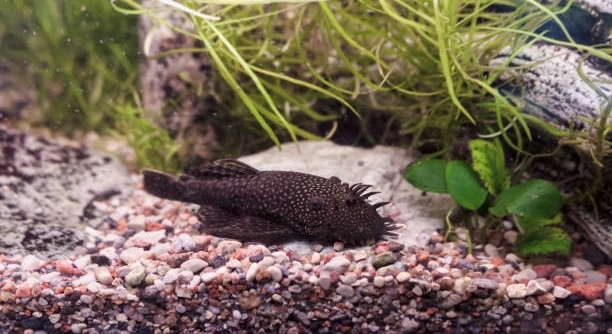
Do plecos thrive in bare tanks, or do they prefer a more decorated environment? Many aquarium owners wonder how these fish adapt when their tank lacks hiding spots and natural decor. Their habits can seem simple yet intriguing.
Plecos can survive in bare tanks, but they generally benefit from structured environments. Lack of hiding places and surfaces may increase stress and limit natural behaviors. Providing driftwood, rocks, or plants supports health, activity, and overall well-being.
Understanding their needs can improve tank management and ensure plecos remain active and healthy, even when the aquarium environment is minimal.
Why Plecos Prefer Hiding Spots
Plecos are naturally shy fish that feel safer when they have places to hide. In the wild, they spend most of their time under rocks, driftwood, or plants, only emerging to feed. A bare tank removes these protective spots, which can lead to stress and irregular behavior. Stress in fish can reduce appetite, weaken their immune system, and make them more prone to disease. Observing a pleco in a tank without decor, you may notice it sticking to the sides or remaining in one corner for hours. Even simple additions, like a piece of driftwood or a PVC pipe, can make a significant difference. They offer both a refuge and a surface for grazing algae, which is part of a pleco’s natural feeding routine. Providing a balance of open swimming space and sheltered areas ensures plecos feel secure and exhibit more natural, active behaviors in the tank environment.
Even a single hiding spot improves pleco comfort and encourages normal behavior patterns.
Adding proper shelters reduces stress and supports natural habits. Over time, you’ll notice your pleco exploring more and appearing more relaxed. A minimal setup can work, but structured decor ensures long-term health and satisfaction.
How Bare Tanks Affect Pleco Health
Bare tanks can lead to subtle health issues in plecos. Without surfaces for grazing, they may not get enough algae or biofilm to eat. Limited hiding spots can increase stress, raising susceptibility to illness.
A well-decorated tank prevents boredom, promotes natural behavior, and encourages feeding habits. Driftwood is especially beneficial as it provides both a hiding area and a place to rasp, which is essential for digestion. Rocks, caves, and live plants mimic natural habitats and improve water quality by offering surfaces for beneficial bacteria. Without these elements, plecos can become lethargic, cling to glass, or develop skin abrasions. Even though plecos are hardy, prolonged exposure to a bare environment can lead to chronic stress, which reduces lifespan. Observing your pleco regularly helps detect early signs of discomfort or poor health. Simple adjustments, like adding driftwood or a small cave, can dramatically improve their well-being. Maintaining some decor in the tank ensures plecos live longer, healthier lives, showing more natural movement and social behaviors.
Signs Your Pleco Is Uncomfortable
A pleco in a bare tank may stay in one spot, avoid swimming, or hide excessively. Loss of appetite and unusual rubbing against tank surfaces can indicate stress.
Plecos rely on both visual and physical stimuli to feel secure. Without driftwood, caves, or plants, they can appear sluggish and uninterested in exploring. Over time, this inactivity can lead to weakened muscles and reduced immune response. You might notice them clinging to glass or corners more than usual, showing clear signs of discomfort. Small changes, like adding a hiding spot or a piece of driftwood, often immediately improve their behavior, making them more active and responsive.
Providing natural textures and surfaces allows plecos to graze and interact with their environment. These simple additions can reduce stress, promote healthy feeding, and encourage normal activity. Plecos may start exploring and showing more typical behaviors once they feel secure.
Simple Ways to Improve a Bare Tank
Adding driftwood, rocks, or PVC pipes creates hiding spots without overcrowding the tank. These additions give plecos both safety and surfaces for grazing.
Driftwood is particularly beneficial because it supports digestion and mimics natural habitat. Plants, even small ones, improve water quality and provide extra shelter. Rocks or caves offer secure resting places and reduce stress. Avoid overcrowding; balance open swimming areas with shelters. Observing pleco behavior helps determine which setups work best. Over time, plecos become more confident, active, and healthier when the tank includes these simple enhancements. These changes are easy to implement and provide significant benefits, making a basic tank feel more natural and supportive.
Choosing the Right Hiding Spots
Plecos need secure areas to feel safe. Driftwood, rocks, and small caves provide natural shelters that reduce stress and encourage normal activity in the tank.
Placement matters. Hiding spots should be accessible yet allow open swimming space. Avoid overcrowding to maintain water flow and reduce territorial disputes.
Feeding and Grazing in Bare Tanks
Without natural surfaces, plecos may struggle to graze effectively. Driftwood and textured rocks allow them to rasp and access algae, supporting digestion. Providing algae wafers or fresh vegetables ensures proper nutrition when natural grazing options are limited. Regular observation helps adjust feeding routines to their needs.
Monitoring Pleco Behavior
Watch for signs of stress, such as hiding, rubbing, or lethargy. Early intervention helps prevent long-term health issues.
FAQ
Do plecos really need hiding spots?
Yes, plecos feel safer with hiding places. In a bare tank, they may become stressed, hide in corners, or show reduced activity. Simple shelters like driftwood, caves, or PVC pipes give them security and encourage natural behaviors. Even one well-placed hiding spot can make a noticeable difference.
Can plecos survive in completely bare tanks?
Technically, plecos can survive in a bare tank because they are hardy fish. However, survival does not equal comfort. Lack of surfaces to graze and places to hide increases stress and can reduce their lifespan. Adding decor improves health, reduces stress, and encourages normal movement and feeding habits.
What type of driftwood is best for plecos?
Hardwoods like Malaysian driftwood or Mopani are ideal. These woods release beneficial tannins, provide natural grazing surfaces, and do not decompose quickly. Avoid soft or resinous woods, as they can break apart and affect water quality. Rinse and soak driftwood before placing it in the tank.
Are plants necessary in a pleco tank?
Plants are not strictly necessary but are highly beneficial. Live plants improve water quality, provide extra shelter, and create a more natural environment. Even hardy plants like Java fern or Anubias, which plecos are less likely to uproot, add value to the tank’s overall ecosystem.
Will plecos damage decorations?
Plecos are mostly gentle on decorations. They may rasp on driftwood or rocks but rarely move heavy items. Soft plants may be nibbled or uprooted. Choosing sturdy decorations and plants minimizes damage while still giving plecos surfaces to explore and graze on.
How often should I check on pleco behavior?
Daily observation is ideal. Look for hiding patterns, appetite, and activity levels. Sudden changes may indicate stress or health issues. Adjusting tank decor or feeding routines based on these observations ensures plecos remain healthy and comfortable in their environment.
Do plecos get bored in bare tanks?
Yes, lack of stimulation can lead to boredom and lethargy. Providing surfaces to graze, hiding spots, and occasional rearrangements helps keep plecos active. Even simple additions like a small cave or piece of driftwood can make a noticeable improvement in their engagement with the tank.
Can plecos live with minimal decorations if the tank is large?
A large tank provides space but does not eliminate the need for hiding spots. Open water can still be stressful, especially for shy species. Minimal decor is better than none, but some form of shelter and grazing surface is still necessary for long-term health and natural behavior.
Is it necessary to add caves or PVC pipes?
While not strictly required, caves and PVC pipes are excellent options. They provide dark, secure spaces that mimic natural habitats. Plecos feel safer resting and hiding in these areas. They are also inexpensive, easy to clean, and highly effective for reducing stress in a bare or minimally decorated tank.
How can I tell if my pleco is stressed in a bare tank?
Stress signs include excessive hiding, rubbing against surfaces, clinging to glass, reduced appetite, and sluggish movement. Observing these behaviors early allows for adjustments such as adding decor, improving water quality, or modifying feeding routines, helping plecos regain comfort and normal activity.
What are the best ways to enrich a bare tank for plecos?
Adding driftwood, rocks, and caves provides surfaces to graze and shelter. Live or artificial plants offer extra cover and structure. Regularly rearranging these elements slightly can simulate natural changes and keep plecos engaged. Providing variety ensures a stimulating, healthy environment without overcrowding.
Do juvenile plecos have different needs than adults?
Juveniles require smaller hiding spots and surfaces for grazing, as they are more vulnerable and active. Adults need larger shelters but benefit from the same types of decor. Both stages thrive with a combination of driftwood, rocks, and occasional plants to promote natural behaviors and reduce stress.
Can a bare tank affect pleco lifespan?
Prolonged lack of hiding spots and grazing surfaces can increase stress, reduce immune function, and lead to illness, indirectly affecting lifespan. While plecos are hardy, providing decor and proper feeding ensures they live longer, healthier lives and display natural, active behaviors.
Is it safe to add decorations gradually?
Yes, gradually adding decor is safe and can help plecos adjust. Start with one or two hiding spots, then slowly introduce more elements. Observing their reactions ensures that additions are effective without causing stress or territorial disputes. Gradual changes help plecos feel secure while exploring new structures.
Do plecos interact with tankmates differently in bare tanks?
Bare tanks can increase stress and territorial behavior, leading to potential conflicts. Proper decor allows plecos to establish their own spaces, reducing disputes and aggression. Even minimal hiding spots or surfaces improve interactions, letting plecos coexist more peacefully with other tank inhabitants.
What is the simplest way to improve a bare tank?
Adding driftwood and a single cave or PVC pipe is the simplest improvement. These additions give plecos a secure place to hide and surfaces to graze, reducing stress and encouraging natural behaviors without overcrowding the tank.
How often should decor be cleaned or replaced?
Clean decor when algae build-up becomes excessive, usually every few weeks. Driftwood may need occasional soaking to remove debris. Rocks and PVC pipes can be rinsed with water. Avoid harsh chemicals that could harm plecos or disrupt tank balance. Regular maintenance keeps their environment safe and healthy.
Can plecos adapt to bare tanks over time?
They may adapt to some degree, but even acclimated plecos benefit from hiding spots and grazing surfaces. Adaptation does not eliminate stress or fully replicate natural behavior. Providing simple decor supports long-term health, comfort, and natural activity, making the tank a more suitable home.
Are there alternatives to natural driftwood?
PVC pipes, ceramic caves, and artificial driftwood are effective alternatives. They offer similar hiding and grazing benefits without affecting water chemistry. These options are easy to clean, durable, and allow flexibility in tank design while still supporting pleco well-being.
How can I encourage plecos to explore a decorated tank?
Adding food near hiding spots or grazing surfaces encourages movement. Driftwood and rocks placed strategically allow gradual exploration. Observing plecos and adjusting decor placement can increase confidence and activity, helping them feel secure and engaged in their environment.
Do plecos prefer certain textures or materials?
They enjoy rough surfaces for grazing and smooth, safe shelters for hiding. Driftwood, textured rocks, and PVC pipes provide both types of surfaces. Soft or sharp materials should be avoided to prevent injury, ensuring plecos remain healthy while interacting with their surroundings.
How important is water quality in a bare tank?
Water quality is critical, especially in a bare tank without plants or natural filtration surfaces. Plecos are sensitive to poor water conditions, which can compound stress from lack of hiding spots. Regular testing, water changes, and proper filtration help maintain a stable environment.
Can minimal decor work for some pleco species?
Some plecos, like common plecos, tolerate bare tanks better than shy or territorial species. Minimal decor can suffice if basic needs for hiding and grazing are met. However, most species still benefit from a few carefully placed shelters and surfaces for natural activity.
Does adding decor change pleco feeding habits?
Yes, proper decor encourages grazing on surfaces like driftwood and rocks, supplementing diet with natural algae. It may also reduce food competition with tankmates by providing secluded areas to feed, ensuring plecos get adequate nutrition and maintain healthy activity levels.
Is it possible to over-decorate a pleco tank?
Yes, too many hiding spots can reduce swimming space, create poor water circulation, and increase debris accumulation. Balance is key. Ensure open areas for movement while providing adequate shelters for comfort, grazing, and natural behavior. A few well-chosen pieces are more effective than cluttering the tank.
Do plecos use hiding spots differently during the day and night?
Plecos are nocturnal and often hide during daylight hours. At night, they become more active, exploring and grazing. Proper hiding spots allow safe daytime rest, encouraging healthier activity patterns and reducing stress, making them more confident and active during their natural nocturnal cycle.
How does tank size affect pleco comfort in bare tanks?
Larger tanks offer more swimming space but do not replace the need for hiding spots. Open areas may still feel unsafe without shelters. Even in big tanks, minimal decor like driftwood or caves supports natural behavior and reduces stress. Size alone is not enough to ensure comfort.
Are there any signs that my pleco prefers one type of hiding spot over another?
Observe which areas plecos use most. Frequent resting in a cave or under driftwood indicates preference. Adjust placement or add similar structures to encourage activity and comfort. Plecos may ignore unused areas, showing clear choices that guide tank setup decisions.
Can bare tank stress be reversed?
Yes, adding hiding spots and grazing surfaces reduces stress and restores normal behaviors. Changes may not be immediate, but over time, plecos become more active, confident, and healthier. Proper observation and adjustment ensure the environment meets their needs effectively.
Is it okay to mix artificial and natural decor?
Yes, combining driftwood, rocks, PVC pipes, and artificial plants provides variety. This mix offers hiding, grazing, and visual interest while maintaining safety. A balanced combination supports pleco comfort, reduces stress, and encourages natural behavior patterns without compromising water quality.
Do plecos show personality differences in bare versus decorated tanks?
Plecos in decorated tanks tend to be more active, confident, and exploratory. In bare tanks, they are often shy, inactive, or cling to edges. Providing hiding spots and surfaces encourages natural behaviors, allowing plecos’ personalities to emerge more fully.
How long should new decor be left before plecos use it?
Most plecos take a few days to explore new structures. Gradual introduction and placement near existing hiding spots encourages investigation. Observing reactions ensures they feel safe. Patience allows plecos to adjust naturally, helping them take full advantage of added shelters and surfaces.
Can overfeeding compensate for a bare tank?
No, extra food does not replace the need for hiding spots or surfaces to graze. Overfeeding can cause water quality issues and stress. Proper decor combined with a balanced diet ensures plecos remain healthy, active, and display natural behaviors in the tank.
Are some species more tolerant of bare tanks?
Yes, hardy species like common plecos tolerate sparse setups better than shy or territorial types. However, all plecos benefit from even minimal shelters and grazing surfaces. Providing appropriate decor ensures health, comfort, and natural behavior for any species kept in captivity.
Is it necessary to monitor water parameters more closely in bare tanks?
Yes, without plants or biofilm-covered surfaces, bare tanks have less natural filtration. Regular testing for ammonia, nitrites, nitrates, and pH is crucial. Maintaining stable conditions reduces stress, supports immunity, and ensures plecos remain healthy in a minimally decorated environment.
Do plecos ever completely ignore added decorations?
Some may ignore certain structures initially. Preferences vary by individual, species, and placement. Observing usage helps identify favored spots. Even if ignored at first, decorations provide security and grazing options, improving overall tank conditions and offering long-term benefits.
How can I make a minimal tank feel more natural?
Use a few driftwood pieces, rocks, or small caves. Add a hardy plant or two. Arrange decor to create open swimming areas alongside hiding spots. This balance mimics natural habitats while keeping the tank simple, safe, and comfortable for plecos.
Are there signs that a bare tank is affecting growth?
Slow growth, lethargy, or reduced appetite can indicate stress from minimal decoration. Lack of grazing surfaces and hiding spots may impact health. Adding suitable decor and monitoring feeding habits helps restore growth and overall well-being.
What’s the most important factor for pleco comfort?
A combination of secure hiding spots, surfaces for grazing, proper diet, and stable water conditions ensures comfort. Even in simple setups, addressing these factors supports health, natural behavior, and long-term survival, making plecos feel safe and active in their environment.
Can rearranging decor stress plecos?
Sudden, drastic changes may cause temporary stress. Gradual adjustments allow plecos to adapt. Moving one or two items at a time encourages exploration while maintaining a sense of security. Observing behavior ensures changes are beneficial and not disruptive.
Do plecos need variety in hiding spots?
Yes, multiple types of shelters offer options for resting, grazing, and avoiding conflicts with tankmates. Variety prevents boredom, encourages natural exploration, and supports overall health. Even a few well-chosen spots provide sufficient comfort and stimulation in a minimal setup.
How important is lighting in a bare tank?
Lighting affects behavior. Too bright can stress plecos, especially without hiding spots. Dimmed or shaded areas help replicate natural conditions, encouraging normal nocturnal activity and reducing anxiety in open environments. Proper lighting complements decorations and enhances comfort.
Can bare tank stress cause illness?
Prolonged stress weakens immunity, making plecos more susceptible to disease. Lack of shelter and grazing surfaces contributes to chronic stress. Providing hiding spots, appropriate feeding, and stable water conditions reduces risk and supports long-term health.
What is the simplest way to prevent stress in bare tanks?
Add at least one driftwood piece or small cave. This provides immediate refuge, surfaces for grazing, and reduces anxiety. Minimal changes can have a significant impact, improving activity levels, appetite, and overall well-being in plecos.
Do plecos prefer certain tank zones?
They often favor lower and shaded areas near driftwood or rocks. Open swimming space is used sparingly. Observing their preferred zones helps optimize decor placement, ensuring comfort and encouraging exploration.
Is it worth investing in high-quality decor for plecos?
Yes, durable driftwood, ceramic caves, and safe rocks last longer, maintain water quality, and provide better surfaces for grazing and hiding. Quality decor supports health, reduces maintenance, and enhances overall tank satisfaction for plecos.
Can adding a few decorations make a big difference?
Absolutely. Even one or two well-placed shelters or surfaces significantly reduces stress, encourages activity, and improves feeding behavior. Minimal but thoughtful additions are often enough to transform a bare tank into a more comfortable environment.
Do plecos ever get used to a bare tank without decor?
They may adapt to some extent, but stress is often still present. Natural behaviors like grazing and hiding are limited. Providing even minimal decor supports health, reduces anxiety, and allows plecos to express normal behaviors.
How does water temperature affect plecos in bare tanks?
Stable temperature is critical. Stress from temperature fluctuations compounds stress from lack of hiding spots. Maintaining species-appropriate temperatures supports metabolism, immunity, and overall comfort in a minimally decorated environment.
Can I combine multiple species with plecos in a bare tank?
Yes, but lack of hiding spots may increase territorial disputes or stress. Even minimal shelters help plecos establish their own space and coexist peacefully with tankmates, reducing aggression and promoting natural behavior.
How do I know if a pleco is using new decorations correctly?
Signs include resting inside caves, grazing on driftwood, or exploring rocks. Frequent use indicates comfort and acceptance, showing the additions are effective. If ignored, try adjusting placement or adding similar structures.
Do plecos benefit from seasonal changes in decor?
Occasional rearrangement or minor additions can stimulate exploration and reduce boredom. Subtle changes mimic natural variation, supporting activity and engagement without causing significant stress or territorial issues.
Can stress from a bare tank affect breeding?
Yes, stressed plecos are less likely to breed. Providing hiding spots, stable water conditions, and appropriate nutrition supports reproductive behavior and overall health. Minimal decor improvements can have a significant impact on breeding readiness.
Is there a preferred layout for pleco comfort?
Balance open swimming areas with hiding spots. Place shelters near the bottom or in shaded areas. Ensure grazing surfaces are accessible. A simple, structured layout supports security, encourages exploration, and maintains natural behaviors.
Do plecos ever use vertical space in a tank?
Plecos generally stick to lower levels but may explore vertical surfaces if driftwood or rocks extend upward. Providing some vertical structure increases grazing surfaces and adds interest without overcrowding the tank.
Can minimal lighting changes improve comfort?
Dim or shaded lighting reduces stress, especially in bare tanks. Plecos feel safer with lower light, which encourages natural nocturnal activity. Even minor adjustments can enhance comfort and reduce hiding due to perceived threats.
Are plecos more active with multiple hiding spots?
Yes, multiple options reduce stress and allow confident movement. Plecos explore more, graze effectively, and display natural behaviors when they feel secure in their environment. One or two hiding spots may be enough, but variety enhances activity.
What is the best material for pleco caves?
Ceramic, PVC, or natural driftwood are ideal. They are safe, durable, and provide secure spaces for resting and grazing. Avoid sharp edges or soft materials that may injure the fish. Durable materials last longer and support natural behaviors.
Can stress from a bare tank affect coloration?
Yes, stressed plecos may lose vibrancy or appear dull. Providing hiding spots, grazing surfaces, and stable water conditions supports natural coloration and overall health. Color changes are often an early sign of discomfort.
How long does it take for plecos to adjust to new decor?
Adjustment varies, typically from a few days to a couple of weeks. Gradual introduction and observation help them feel safe. Once comfortable, plecos begin using new hiding spots and grazing surfaces consistently.
Are artificial plants useful for plecos?
Yes, they provide cover and create shaded areas without being uprooted. While they do not offer grazing surfaces, they add visual security and contribute to a more natural-feeling environment in bare or minimal tanks.
Do plecos prefer certain water flow areas in bare tanks?
They often favor moderate flow near driftwood or rocks. Too strong a current may stress them, while stagnant areas reduce oxygenation. Providing gentle, consistent flow supports comfort and normal behavior.
Is it necessary to rearrange decor often?
Frequent drastic changes can stress plecos. Minor adjustments occasionally are enough to keep the environment stimulating. Observing their behavior ensures changes support comfort and exploration without causing anxiety.
Can minimal shelters prevent disease?
Shelters reduce stress, which strengthens immunity. While they do not directly prevent disease, creating a secure environment contributes to overall health, making plecos less susceptible to illness caused by stress or poor conditions.
Do plecos prefer natural or artificial surfaces for grazing?
Natural surfaces like driftwood or textured rocks are preferred. They allow rasping, support digestion, and provide more enrichment. Artificial surfaces may help, but natural materials better support feeding behavior and comfort.
Are there specific decorations plecos avoid?
Sharp or rough materials, unstable items, and resinous woods are generally avoided. Plecos prefer smooth shelters for resting and rough surfaces for grazing. Observing
Final Thoughts
Plecos are hardy and adaptable fish, but their well-being depends heavily on their environment. A bare tank can support life, yet it often falls short in meeting their natural behavioral and psychological needs. These fish are used to habitats filled with driftwood, rocks, and plants, which provide hiding spaces and surfaces for grazing. Without these elements, plecos may become stressed, hide excessively, or show reduced activity. Even simple additions, like a small cave or a piece of driftwood, can dramatically improve their comfort and overall health. Observing their behavior in a bare tank often reveals subtle signs of stress that are easy to address with minimal changes.
Providing appropriate decorations is not about making the tank look elaborate; it is about creating a space that supports natural habits. Plecos rely on surfaces to rasp algae and biofilm, which helps digestion and provides mental stimulation. Hiding spots give them security during daylight hours, as most species are nocturnal and naturally shy. Driftwood, rocks, or even PVC pipes can mimic natural shelters while still leaving open swimming areas. Incorporating these elements reduces stress, improves activity, and encourages normal feeding habits. Over time, plecos in a minimally decorated tank with carefully placed shelter and surfaces display more natural, confident behavior, which is a clear sign of improved well-being.
Even when space or resources are limited, small adjustments to a bare tank can have lasting benefits. Monitoring water quality, maintaining a balanced diet, and observing pleco behavior ensures that stress is minimized. Gradual additions of hiding spots or grazing surfaces can be enough to enhance their environment significantly. Plecos may appear indifferent at first, but over days or weeks, they typically begin using new structures, showing signs of comfort and security. By prioritizing their natural needs, even a simple tank can become a supportive home where plecos thrive. These thoughtful, small improvements are not just about aesthetics—they directly impact the fish’s health, activity, and overall quality of life. Creating this balance between minimalism and functionality ensures plecos remain healthy, active, and more comfortable, making the tank a space where they can live longer and more naturally.

Hello,
If you enjoy the content that we create, please consider saying a "Thank You!" by leaving a tip.
Every little bit helps us continue crafting quality advice that supports the health, happiness, and well-being of pets around the world, for pets of all shapes, sizes, and species.
We really appreciate the kindness and support that you show us!