
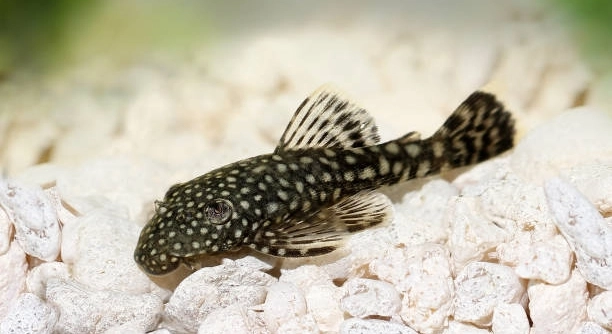
Are you setting up a new tank for your bristlenose pleco and want to ensure it thrives in its environment? These small, algae-eating fish require specific conditions to stay healthy and active in home aquariums.
Bristlenose pleco tank setup requires appropriate substrate, hiding spots, water parameters, filtration, lighting, diet, and regular maintenance. Ensuring these essentials are properly implemented supports fish health, encourages natural behavior, and promotes a stable, thriving aquatic ecosystem.
Following the right setup practices will make caring for your pleco easier and more enjoyable, allowing your fish to flourish in its carefully prepared habitat.
Substrate Selection
Choosing the right substrate for a bristlenose pleco tank is essential for both their comfort and tank maintenance. Fine gravel or sand works best because it allows the pleco to forage without injuring its delicate barbels. Sharp or coarse substrates can cause damage to their sensitive mouths and make feeding more difficult. Sand is particularly useful because it mimics the soft riverbeds plecos naturally inhabit, reducing stress and encouraging natural behavior. Substrates also play a role in maintaining water quality. Certain substrates can trap debris or create dead spots if not properly cleaned. It is important to rinse and prepare any substrate before adding it to the tank to minimize dust or contaminants. Layering the substrate with driftwood or smooth rocks can provide additional hiding spaces and grazing surfaces, creating a healthier and more engaging environment. Regular vacuuming and gentle stirring prevent buildup of waste, keeping the pleco’s habitat clean and balanced.
Selecting a soft, smooth substrate improves pleco health and encourages natural foraging while reducing stress and the risk of injury.
Proper substrate supports the fish’s behavior and contributes to the overall ecosystem of the tank. It helps beneficial bacteria grow, stabilizes water parameters, and provides surfaces for algae growth, which is a primary food source. Including varied textures like small rocks or driftwood allows the pleco to explore safely. Cleaning the substrate periodically prevents harmful ammonia spikes and keeps the tank visually appealing. Sand or fine gravel is easy to maintain and gentle on the pleco’s barbels. Over time, substrate choices affect tank longevity, water clarity, and fish activity levels, making it a critical element of the setup. Consistently monitoring the substrate ensures the pleco remains comfortable and healthy.
Hiding Spots and Decorations
Bristlenose plecos need multiple hiding spots to feel secure and reduce stress in the tank. Caves, driftwood, and smooth rocks work well.
Providing these elements mimics natural environments, allowing plecos to rest during the day, graze at night, and explore safely. Decorations also influence algae growth, supporting dietary needs.
Decorations like driftwood serve dual purposes: they offer shelter and release beneficial tannins into the water, slightly lowering pH and softening the water. Caves or hollow ornaments give plecos places to hide, especially during molting or periods of high activity. It is important to ensure that any decorations are smooth, free from sharp edges, and securely positioned to prevent injury or tank disruption. Arranging multiple hiding spots encourages territorial behavior and reduces conflicts if multiple plecos share the tank. Additionally, plants, whether live or artificial, can provide extra cover and help maintain water quality by absorbing nutrients. A balanced combination of hiding spaces and open swimming areas keeps plecos active and content. Observing where plecos prefer to rest can guide adjustments to decoration placement, making the environment more suitable for their daily routines and promoting overall wellbeing.
Water Parameters
Bristlenose plecos thrive in stable water conditions. Maintaining a temperature between 73°F and 81°F, pH around 6.5–7.5, and moderate hardness ensures their health. Sudden fluctuations can stress them and impact feeding behavior or growth.
Consistent water quality is essential for long-term pleco health. Using a reliable thermometer and test kits helps monitor temperature, pH, ammonia, nitrites, and nitrates. Frequent small water changes, about 20–25% weekly, prevent toxin buildup without shocking the fish. Plecos are sensitive to high ammonia levels, which can damage gills and weaken immune systems. Softening water slightly or adding natural tannins from driftwood can replicate river conditions. Keeping parameters stable supports activity, coloration, and natural behaviors. Avoiding abrupt changes in temperature or chemistry minimizes stress and reduces the risk of disease.
Filtration works hand in hand with water parameters to maintain a safe environment. A medium to strong filter ensures debris removal and oxygenation while preserving water clarity. Plecos are bottom dwellers, so ensuring proper flow near the substrate prevents waste buildup. Biological filtration is crucial, allowing beneficial bacteria to break down ammonia into less harmful compounds. Choosing a filter rated for the tank size and performing regular maintenance keeps plecos healthy. Balancing water chemistry, temperature, and filtration creates a thriving habitat where plecos can feed, rest, and explore naturally.
Filtration and Water Flow
Efficient filtration removes debris, excess food, and waste from the tank. Strong biological filtration ensures stable ammonia and nitrite levels.
Plecos prefer moderate water flow that mimics their natural river habitats. Too strong a current can stress them, while too weak can reduce oxygen levels.
Selecting a filter with both mechanical and biological capabilities supports tank stability. Mechanical filtration captures particles and uneaten food, preventing decay, while biological media houses beneficial bacteria to break down harmful chemicals. Positioning the filter to create gentle currents near the bottom helps distribute oxygen and nutrients without overwhelming the pleco. Regular maintenance, such as rinsing filter media in tank water, prevents clogging and maintains efficiency. Plecos also benefit from aeration, especially in larger tanks, which improves gas exchange and supports healthy behavior. Proper filtration reduces algae blooms and improves visibility, enhancing tank aesthetics. Observing fish response to water flow allows adjustments to achieve optimal comfort and activity levels.
Lighting
Bristlenose plecos do not require intense lighting. Moderate or dim lighting helps reduce stress and encourages natural nocturnal activity. Too bright lights may cause hiding or inactivity.
Lighting also supports live plant growth, which plecos use for cover and grazing. Using a timer ensures consistent day-night cycles.
Diet and Feeding
Bristlenose plecos are primarily herbivorous but benefit from a varied diet. Algae wafers, fresh vegetables, and occasional protein sources meet nutritional needs. Feeding small portions daily prevents water quality issues and encourages natural foraging behaviors. Driftwood provides fiber and helps with digestion, making it a functional part of their diet.
Tank Maintenance
Regular cleaning and partial water changes are essential to prevent ammonia spikes. Removing uneaten food and debris supports pleco health.
FAQ
How often should I feed my bristlenose pleco?
Bristlenose plecos should be fed small portions once or twice daily. Overfeeding can pollute the tank and stress the fish. Algae wafers and fresh vegetables like zucchini, cucumber, or spinach provide essential nutrients. Monitor their eating habits and remove uneaten food to maintain water quality.
Can bristlenose plecos live with other fish?
Yes, bristlenose plecos are generally peaceful and can coexist with most community fish. Avoid aggressive species that may harass or injure them. Providing multiple hiding spots reduces stress and territorial disputes. Plecos are nocturnal, so their activity often occurs when other fish are less active.
How big should the tank be?
A minimum of 20 gallons is recommended for a single adult bristlenose pleco. Larger tanks are preferable for multiple plecos or community setups. Adequate swimming space, hiding spots, and stable water parameters are critical for their health and longevity.
Do bristlenose plecos need live plants?
Live plants are not required but highly beneficial. They provide hiding spots, improve water quality, and allow natural grazing. Fast-growing species like Java fern or Anubias are suitable. Avoid delicate plants that plecos may uproot during foraging.
How often should I perform water changes?
Partial water changes of 20–25% weekly are ideal. This maintains stable water chemistry, reduces toxins, and supports overall fish health. More frequent changes may be necessary if the tank is heavily stocked or if water parameters fluctuate.
What is the best substrate for bristlenose plecos?
Fine gravel or sand is ideal. Smooth substrates prevent damage to sensitive barbels and support natural foraging behavior. Avoid sharp or coarse materials. Adding driftwood or smooth rocks enhances grazing surfaces and provides extra shelter.
Do bristlenose plecos need hiding spots?
Yes, hiding spots are essential. Caves, driftwood, and hollow decorations help them feel secure, especially during the day when they are less active. Multiple hiding areas reduce stress and allow for natural territorial behavior if keeping more than one pleco.
How can I tell if my pleco is healthy?
Healthy bristlenose plecos are active at night, have clear eyes, intact fins, and smooth skin. They graze on algae and vegetables consistently. Lethargy, loss of appetite, or unusual spots may indicate illness, requiring attention to water quality and diet.
Do bristlenose plecos need driftwood?
Driftwood is highly recommended. It provides hiding spaces and releases tannins that soften water and slightly lower pH. Many plecos rasp on driftwood, which aids digestion and supplements their fiber intake. Ensure driftwood is aquarium-safe and properly cleaned before use.
Can bristlenose plecos survive in cold water?
They prefer temperatures between 73°F and 81°F. Prolonged exposure to colder water can weaken their immune system and slow digestion. Using a reliable heater and thermometer ensures stable, optimal conditions for health and growth.
How long do bristlenose plecos live?
With proper care, bristlenose plecos can live 5–10 years or longer. Consistent water parameters, a balanced diet, and a safe environment with hiding spots contribute to longevity. Regular maintenance and observation prevent common health issues.
What do I do if my pleco stops eating?
Loss of appetite can indicate stress, illness, or poor water quality. Check water parameters, ensure proper temperature, and offer fresh vegetables or algae wafers. Observe behavior closely and isolate if necessary to prevent disease spread.
Is it necessary to use a filter?
Yes, filtration is crucial. Plecos produce waste that can quickly raise ammonia and nitrite levels. A filter with mechanical and biological media maintains water clarity and chemical stability, supporting overall health and longevity.
How do I prevent algae overgrowth?
Balanced lighting, regular water changes, and proper feeding help control algae. Plecos contribute by grazing naturally, but manual removal may be needed in heavily planted or brightly lit tanks. Avoid excess nutrients from overfeeding or decaying plants.
Can bristlenose plecos reproduce in home aquariums?
Yes, they can spawn in captivity. Providing caves or hollow decorations encourages breeding. Males guard eggs while females lay them. Stable water conditions, proper diet, and minimal disturbance increase the likelihood of successful breeding.
Are plecos compatible with small shrimp or snails?
Generally, yes. Bristlenose plecos are not aggressive toward shrimp or snails. However, ensure enough hiding spots for smaller invertebrates. Monitor interactions, especially with juvenile plecos that may be more curious or assertive.
What should I do if my pleco injures itself?
Minor injuries from decorations or tank mates can happen. Isolate if necessary, maintain clean water, and monitor for infection. Using smooth decorations and checking tank layout reduces the risk of injury.
Can bristlenose plecos tolerate tap water?
Yes, if properly treated. Use a water conditioner to remove chlorine or chloramines. Monitoring pH, hardness, and temperature ensures a stable environment, preventing stress and promoting health.
How can I reduce stress in my pleco?
Provide hiding spots, maintain stable water parameters, avoid overcrowding, and minimize sudden changes in lighting or temperature. Observing natural behaviors helps identify stress triggers early.
Do bristlenose plecos eat algae only?
No, they are omnivorous. Algae is a staple, but vegetables, algae wafers, and occasional protein supplements provide complete nutrition. A varied diet keeps them healthy and active.
What are signs of water quality problems?
Cloudy water, unusual odors, high ammonia or nitrite levels, and fish behavior changes indicate issues. Immediate water testing, partial changes, and filter maintenance prevent long-term harm.
How important is tank size for multiple plecos?
Tank size directly affects stress and territorial behavior. Multiple plecos need at least 30 gallons, hiding spots, and swimming space to reduce conflicts and maintain health.
Can I keep plecos in a heavily planted tank?
Yes, they coexist well with hardy plants. Plecos may nibble on some leaves but generally avoid harming healthy, established plants. Driftwood and hiding spots protect delicate vegetation.
Are plecos nocturnal?
Yes, they are most active at night. Daytime hiding is normal. Understanding this helps manage feeding schedules and tank lighting to match natural behavior.
What is the best water flow for bristlenose plecos?
Moderate flow mimics natural river habitats. Too strong a current stresses them, while low flow reduces oxygenation. Positioning filters to create gentle currents near the bottom works best.
Can plecos live alone?
Yes, they tolerate solitary living. However, multiple plecos require enough space, hiding spots, and resources to prevent stress and aggression.
How do I acclimate a new pleco?
Float the bag in the tank for 15–20 minutes, gradually mix tank water into the bag, then gently release the fish. This prevents shock from temperature or water chemistry differences.
Are plecos sensitive to light changes?
Yes, sudden changes can stress them. Gradually adjust lighting and use timers for consistent day-night cycles to promote normal behavior and reduce hiding.
Do plecos need supplemental calcium?
Not usually. A varied diet and driftwood provide necessary minerals. In soft water tanks, occasional vegetable or algae-based supplements can help maintain healthy bone and fin development.
Can plecos survive in brackish water?
No, they are freshwater species. Salt or brackish conditions can harm them, disrupt osmoregulation, and lead to health issues. Maintain stable freshwater parameters.
How do I encourage algae growth for my pleco?
Moderate lighting, nutrient balance, and stable water conditions support algae growth. Driftwood, decorations, and slow-growing plants also provide surfaces for grazing. Manual feeding may still be needed to supplement natural algae.
What are common pleco diseases?
Ich, fin rot, and bacterial infections are most common. Maintaining clean water, stable parameters, and proper diet prevents most issues. Early detection and treatment are critical for recovery.
Do plecos need water heaters?
Yes, if tank temperature drops below 73°F. A reliable heater ensures stable, optimal conditions for activity, feeding, and long-term health.
Can plecos help control algae?
Yes, they naturally graze on algae, reducing buildup on surfaces. However, they should not be relied on as the sole solution and still require regular tank maintenance.
Are plecos aggressive toward each other?
Generally, no. Conflicts may occur if hiding spots are limited. Providing caves and space reduces territorial disputes and stress among multiple plecos.
How do I know when a pleco is ready to breed?
Mature males develop larger bristles, and females appear rounder when carrying eggs. Providing caves, stable water, and proper diet encourages spawning behavior.
Can plecos survive without driftwood?
Yes, but driftwood benefits digestion and provides hiding spots. Without it, monitor feeding and consider alternative fiber sources to support digestive health.
What is the ideal tank temperature range?
Bristlenose plecos thrive between 73°F and 81°F. Maintaining this range supports metabolism, feeding, and activity. Sudden fluctuations can stress them.
Do plecos require weekly tank maintenance?
Yes, cleaning debris, performing partial water changes, and checking filtration ensure stable water conditions and prevent disease. Regular maintenance promotes long-term health.
How much algae should I allow in the tank?
Moderate growth is acceptable and provides natural grazing. Excess algae may indicate overfeeding or nutrient imbalance. Manage lighting and nutrients to maintain balance.
Can plecos tolerate other bottom dwellers?
Yes, peaceful species like Corydoras or small loaches generally coexist. Ensure sufficient hiding spots to reduce competition and stress.
Are plecos sensitive to sudden movements?
Yes, abrupt disturbances can stress them. Avoid banging the tank or sudden light changes, especially during the day when they are resting.
What is the best water hardness for plecos?
Moderate hardness (5–15 dGH) is ideal. Soft water with slight tannins mimics natural conditions and supports health, digestion, and breeding.
Do plecos need a quarantine tank?
Yes, quarantining new fish prevents disease introduction. Observe for parasites or illness before adding them to the main tank.
How long do juvenile plecos take to mature?
Typically 6–12 months, depending on diet, water quality, and temperature. Providing stable conditions supports proper growth and development.
Can plecos survive in low-light tanks?
Yes, they adapt well to low or moderate light. Dim lighting reduces stress and encourages natural nocturnal activity.
How often should I check water parameters?
Weekly testing is recommended, including ammonia, nitrites, nitrates, pH, and temperature. Frequent monitoring prevents issues and supports long-term health.
Can plecos be overfed?
Yes, overfeeding leads to poor water quality, obesity, and digestive issues. Small, controlled portions are best, removing uneaten food promptly.
Do plecos need a companion species?
No, they are content alone. However, tank mates should be peaceful and compatible, sharing space without competing aggressively for food or hiding spots.
Is it necessary to provide a sand layer?
Sand is preferred for foraging and protects sensitive barbels. Fine gravel works, but avoid sharp or coarse materials that may injure the fish.
How do I introduce multiple plecos?
Provide adequate hiding spots and space to reduce territorial disputes. Introduce them simultaneously if possible, monitoring behavior closely during the first days.
What do I do if a pleco stops grazing on algae?
Offer fresh vegetables or algae wafers to supplement diet. Check water parameters, lighting, and stress levels. Observation and adjustments help restore normal feeding habits.
Can plecos tolerate slight pH changes?
Yes, minor fluctuations are tolerated, but stable pH around 6.5–7.5 is optimal. Sudden shifts can stress the fish and impact health.
Are plecos compatible with cichlids?
Some peaceful cichlids may coexist, but aggressive species should be avoided. Multiple hiding spots reduce conflict and stress.
Do plecos need nightly feeding?
Feeding once or twice daily is sufficient. Their nocturnal habits mean they are more active at night, but overfeeding should be avoided to maintain water quality.
What should I do if my pleco develops white spots?
White spots often indicate ich. Quarantine, raise water temperature gradually, and treat with an appropriate medication while maintaining clean water conditions.
Can plecos survive in soft water?
Yes, but ensure proper diet and driftwood for fiber. Extremely soft water should be monitored for pH stability and mineral balance.
How do I prevent fin damage?
Use smooth decorations, provide adequate space, and avoid aggressive tank mates. Regular water changes and proper nutrition also support fin health.
Do plecos need hiding spaces even in small tanks?
Yes, even small tanks require caves or driftwood. Lack of shelter increases stress and reduces natural behavior.
Are plecos sensitive to chlorine?
Yes, always treat tap water with a water conditioner to remove chlorine or chloramines before adding to the tank.
How can I encourage natural grazing behavior?
Provide algae-covered surfaces, driftwood, and vegetables. Maintaining low to moderate lighting encourages plecos to forage naturally without stress.
What is the best way to transport a pleco?
Use a secure, water-filled container with air space. Minimize temperature fluctuations, avoid rough handling, and limit transport time to reduce stress.
Do plecos require a specialized diet in winter?
Maintain regular feeding, offering algae wafers and vegetables. Ensure stable water temperature to support digestion and activity during cooler periods.
Can plecos survive with fluctuating temperatures?
Frequent fluctuations are harmful. Stable temperatures within 73–81°F are essential to avoid stress, weakened immunity, and reduced feeding.
What is the ideal nitrate level for plecos?
Keep nitrates below 20 ppm. Regular water changes and filtration prevent accumulation, supporting health and reducing stress.
How do I tell if my pleco is stressed?
Signs include hiding excessively, reduced feeding, clamped fins, or unusual swimming patterns. Adjust water parameters, lighting, and hiding spots to alleviate stress.
Do plecos need live food?
No, they thrive on algae, vegetables, and prepared wafers. Occasional protein sources can supplement their diet but are not required.
Are plecos prone to diseases?
Yes, primarily ich, fin rot, and bacterial infections. Maintaining clean water, proper diet, and stable conditions prevents most health issues.
How often should I inspect decorations and substrate?
Regularly check for sharp edges, loose objects, or waste buildup. Safe, stable decorations prevent injury and promote a healthy environment.
Can plecos live in tanks with fluctuating hardness?
Sudden changes stress them. Maintain moderate hardness consistently to support natural behavior, digestion, and overall health.
Do plecos need a night feeding routine?
Not strictly. Feeding once or twice daily is sufficient, but providing food during active periods aligns with natural nocturnal habits.
What is the ideal tank setup for breeding plecos?
Provide caves, stable water parameters, proper diet, and minimal disturbance. Males guard eggs, and females deposit them in protected areas, increasing hatching success.
How do I prevent algae starvation in plecos?
Ensure surfaces support algae growth, supplement diet with wafers and vegetables, and maintain balanced lighting and nutrients to sustain grazing opportunities.
Can plecos live in a high-traffic area?
No, frequent disturbances increase stress. Place the tank in a quieter location with stable lighting and minimal vibration.
Are plecos compatible with bettas?
Yes, generally. Ensure plecos have hiding spots, and monitor for betta aggression, especially during feeding or territorial displays.
What should I do if my pleco hides constantly?
Check water parameters, tank layout, and lighting. Ensure hiding spots are sufficient but not excessive, encouraging normal activity without stress.
Do plecos require supplemental vitamins?
Not usually. A balanced diet of vegetables, algae wafers, and occasional protein provides necessary nutrients for growth and health.
How do I acclimate plecos to a new tank?
Float the bag in tank water, gradually mix water over 15–20 minutes, then release carefully. This prevents shock from temperature or chemistry differences.
Can plecos tolerate fluctuating pH and hardness?
Sudden changes are harmful. Maintain stable conditions within preferred ranges for optimal health, growth, and natural behavior.
Do plecos need an air stone?
Not mandatory but beneficial in larger tanks or low-flow setups to improve oxygenation and circulation, supporting health and activity.
Are plecos nocturnal feeders?
Yes, they are most active at night. Feeding schedules should account for natural behavior, though occasional daytime feeding is acceptable.
Can plecos survive in small tanks?
Yes, but space limitations increase stress. Minimum 20 gallons for one pleco is recommended, with proper hiding spots and filtration to maintain water quality.
What should I do if my pleco is not grazing algae?
Offer fresh vegetables, wafers, and ensure sufficient algae surfaces. Check water parameters, lighting, and stress factors to encourage normal feeding behavior.
Do plecos require periodic health checks?
Yes, observing behavior, appetite, fins, and skin helps detect early signs of illness. Timely adjustments prevent severe health problems.
Can plecos tolerate fluctuating temperatures or lighting?
No, stability is essential. Consistent temperature and light cycles reduce stress and support natural feeding and activity patterns.
How do I maintain a healthy pleco tank long-term?
Regular water changes, proper diet, consistent water parameters, adequate hiding spots, and careful observation ensure the pleco remains healthy, active, and stress-free over the years.
Can plecos coexist with aggressive fish?
No, aggressive species can stress or injure plecos. Peaceful tank mates and sufficient hiding areas are necessary for a safe environment.
What is the best way to prevent disease in plecos?
Maintain clean water, stable parameters, balanced diet, quarantine new fish, and observe behavior closely. Early intervention is critical for long-term health.
How do I encourage natural behavior in plecos?
Provide driftwood, hiding spots, algae surfaces, and proper feeding. Mimicking natural conditions promotes grazing, exploration, and nocturnal activity.
Can plecos tolerate overcrowded tanks?
No, overcrowding increases stress, competition, and disease risk. Provide adequate space, hiding spots, and filtration
Final Thoughts
Bristlenose plecos are hardy and adaptable fish, but their well-being depends heavily on proper tank setup and care. Ensuring stable water parameters, adequate hiding spots, appropriate substrate, and a balanced diet creates a safe and healthy environment for them to thrive. Every element of the tank contributes to their overall health, from water temperature to filtration and water flow. Paying attention to these details can prevent common health problems, reduce stress, and support natural behavior. Observing how your pleco responds to its surroundings allows you to make small adjustments that improve its comfort and activity. Even minor improvements, like adding a new hiding spot or adjusting flow near the bottom, can make a noticeable difference in how active and content your fish appears. Plecos are sensitive to sudden changes, so consistency in maintenance, feeding, and water parameters is key to long-term success.
Understanding the needs of bristlenose plecos also involves knowing their natural behaviors and preferences. They are primarily nocturnal and spend much of the day hiding, so the tank should include multiple caves, driftwood, or plants to accommodate this behavior. Their diet is mostly herbivorous, relying on algae and plant matter, but they also benefit from supplemental foods like vegetables and algae wafers. Providing a variety of food ensures they get the nutrients necessary for healthy growth and proper digestion. Driftwood is not just a decoration but an important element for fiber intake and for creating a natural grazing environment. By paying attention to these small details, the tank becomes a more suitable habitat that encourages natural behavior, reduces stress, and increases the likelihood of seeing your pleco display its full range of activity, including grazing, exploring, and resting comfortably.
Long-term care for bristlenose plecos also means keeping a close eye on water quality and routine maintenance. Regular partial water changes, filter upkeep, and substrate cleaning prevent the buildup of harmful chemicals and support a stable aquatic environment. Even with a healthy diet and sufficient hiding spaces, poor water quality can quickly undermine a pleco’s health. Observing the fish daily for changes in behavior, appetite, or appearance helps catch potential problems early. Consistency and attention to detail are essential to ensuring your pleco thrives in its tank. By following these care practices and maintaining a suitable environment, your bristlenose pleco can live a long, healthy life while exhibiting natural behaviors, making them an enjoyable and fascinating addition to your aquarium.

Hello,
If you enjoy the content that we create, please consider saying a "Thank You!" by leaving a tip.
Every little bit helps us continue crafting quality advice that supports the health, happiness, and well-being of pets around the world, for pets of all shapes, sizes, and species.
We really appreciate the kindness and support that you show us!