
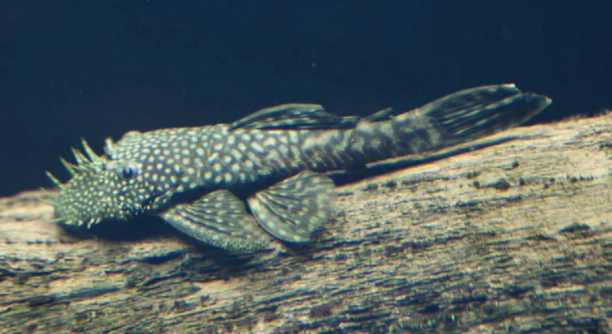
Do your plecos often disappear for days, leaving you worried about their well-being? Many aquarium owners experience this, and it can be stressful when your fish seems to vanish without explanation from the tank.
Plecos often hide due to environmental stress, improper tank setup, or inadequate nutrition. Overcrowding, sudden water parameter changes, and lack of hiding spaces significantly impact their behavior, leading them to retreat and avoid interaction for extended periods.
Understanding these mistakes is essential for creating a comfortable habitat. Addressing them will encourage your plecos to feel secure, active, and visible in their aquarium again.
Inadequate Hiding Spaces
Plecos need places to feel safe. Without enough caves, driftwood, or plants, they will retreat and stay hidden for days. I noticed in my own tank that when I added extra driftwood, my pleco started exploring more during the day. Hiding spots also help reduce stress caused by bright lights or active tankmates. A tank that seems empty may actually feel threatening to your fish if there are no secure areas. Rocks and PVC pipes can provide temporary shelters, while live plants offer natural coverage. Plecos often prefer darker areas and will feel more confident if they can retreat without being completely exposed. Avoid placing decorations too close to each other, as this can limit swimming space. Changing the layout gradually allows the pleco to adjust without stress. Regularly check that hiding spots are stable and won’t trap or injure your fish.
Adding a variety of shelters encourages your pleco to be more active and visible.
Creating multiple hiding areas makes your pleco feel secure. Driftwood, rocks, and plants simulate natural conditions and reduce anxiety. Gradually rearranging items can improve exploration, while ensuring they are safe and stable prevents injuries. Observing your pleco’s preferences helps optimize tank layout.
Poor Water Quality
Dirty or unstable water makes plecos anxious. I learned that even small spikes in ammonia or nitrite caused mine to disappear for days. Consistent testing and partial water changes are essential. Sudden changes in temperature or pH also cause stress. Plecos thrive in clean water with moderate flow and stable parameters. A filter that maintains gentle circulation and regular removal of debris ensures a healthy environment. Overfeeding can increase waste, which affects water quality, so monitor feeding carefully. I noticed that after improving filtration and reducing leftover food, my pleco returned to its usual spots. Regular monitoring of nitrate, ammonia, and pH prevents long-term health issues and encourages natural behavior.
Monitoring water and maintaining stable parameters is critical for pleco activity and health. Clean water reduces stress, improves appetite, and prevents hiding behavior. Regular checks keep your tank safe and comfortable.
Overcrowded Tank
Too many fish in the tank make plecos stressed and withdrawn. I noticed mine would hide for days when tankmates were too active or aggressive, making it hard for it to find calm spaces.
Overcrowding increases competition for food and space, leaving plecos anxious and reluctant to explore. In my experience, reducing the number of fish or moving them to another tank significantly improved my pleco’s visibility. Stress from a crowded environment can also weaken their immune system, making them more susceptible to illness. Plecos need room to swim, rest, and access hiding spots without interference. Each additional fish changes the social dynamic, which plecos respond to by hiding. Monitoring stocking levels and understanding each species’ territorial behavior helps maintain a balanced tank.
Proper spacing allows plecos to establish safe zones and swim freely. Providing enough territory minimizes stress and encourages natural behaviors. Observing interactions can guide adjustments to tank population and layout.
Improper Diet
A poor diet can make plecos lethargic and hide frequently. I noticed mine would stay hidden when I relied too heavily on store-bought flakes instead of varied foods.
Plecos require a mix of vegetables, algae wafers, and occasional protein to stay healthy. Lack of fiber or insufficient nutrition can reduce their energy, making them seek shelter more often. In my experience, adding zucchini, cucumber, and occasional shrimp improved activity and visibility. Overfeeding can also cause problems by polluting the tank and triggering stress-related hiding. Observing what your pleco prefers and rotating food types ensures balanced nutrition. Consistent feeding schedules reinforce healthy behavior and reduce the urge to hide.
Monitoring diet and adjusting feeding habits helps plecos feel secure and active. Balanced nutrition strengthens immunity and supports natural behaviors, reducing prolonged hiding periods.
Sudden Environmental Changes
Sudden changes in light, temperature, or water flow can make plecos retreat. I noticed my pleco would disappear for days after moving the tank or changing the lighting setup too quickly.
Gradual adjustments help plecos adapt without stress. Rapid shifts in their environment can trigger hiding as a defense mechanism, even if water parameters remain stable.
Lack of Proper Tank Maintenance
Neglecting regular cleaning affects pleco behavior. Uneaten food and debris accumulate, leading to poor water conditions and stress.
Plecos rely on a clean and stable environment. In my experience, skipping weekly water changes caused prolonged hiding, even in a well-filtered tank. Routine maintenance prevents buildup of harmful substances and supports healthy activity, keeping plecos visible and confident.
Incompatible Tankmates
Aggressive or overly active fish can frighten plecos, causing them to hide for extended periods.
Ensuring compatible tankmates helps plecos feel secure. Peaceful species that do not compete for territory or food create a calmer environment, encouraging natural behaviors and reducing hiding.
Why does my pleco hide all day?
Plecos are naturally nocturnal and often prefer low light conditions. If they are hiding all day, it can also indicate stress from tankmates, poor water quality, or insufficient hiding spots. I noticed that when I added extra caves and driftwood, my pleco started exploring during the day, showing more normal behavior.
Is it normal for plecos to hide for days?
Yes, occasional long hiding periods are normal, especially after changes in their environment. Moving decorations, introducing new fish, or altering water parameters can trigger this behavior. In my tank, after a water change, my pleco disappeared for a couple of days but returned once conditions stabilized. Regular monitoring helps distinguish normal hiding from signs of illness.
Can improper lighting make plecos hide?
Absolutely. Plecos prefer dimly lit areas. Bright overhead lights or direct sunlight can make them retreat. I adjusted my tank lighting to mimic shaded areas, and my pleco became more visible. Providing shaded zones with plants or caves reduces stress and encourages natural activity.
How do I know if my pleco is sick or just hiding?
Signs of illness include clamped fins, discoloration, lack of appetite, or unusual swimming patterns. I learned to compare these symptoms with normal hiding behavior. If your pleco is otherwise active at night and feeding well, it is likely just hiding due to environmental factors rather than sickness.
What foods encourage plecos to come out of hiding?
Vegetables like zucchini, cucumber, and spinach work well, along with algae wafers and occasional protein treats. I noticed my pleco became more active during feeding times when I introduced a varied diet. Offering food in different areas encourages exploration and reduces prolonged hiding.
Do plecos need friends to feel comfortable?
Not necessarily. While some species tolerate companions, overcrowding or incompatible tankmates can cause stress. My pleco prefers a quiet environment with minimal competition. Ensuring compatible species and enough space reduces anxiety and encourages it to come out more often.
How often should I clean the tank to prevent hiding?
Regular water changes and substrate cleaning are crucial. I perform weekly partial water changes and remove leftover food to maintain clean conditions. Neglecting maintenance can increase stress, leading to hiding. Consistent care supports natural behavior and improves overall health.
Can temperature fluctuations affect pleco behavior?
Yes. Plecos prefer stable temperatures, typically between 72–78°F (22–26°C). Sudden changes make them seek shelter. I use a reliable heater and monitor the thermometer daily. Maintaining steady water temperature keeps plecos comfortable and encourages them to remain active.
Do plecos hide more when stressed?
Stress is a common reason for hiding. Factors like aggressive tankmates, poor water quality, or sudden changes trigger this behavior. I noticed that reducing stressors, like adding hiding spots and improving water quality, made my pleco more confident and less reclusive.
Can rearranging the tank make plecos hide longer?
Yes, changing the layout can temporarily scare them. When I moved driftwood and rocks, my pleco vanished for a few days. Gradual changes and keeping familiar hiding spots accessible help plecos adjust without extended hiding periods.
Is it normal for plecos to hide after being introduced to a new tank?
Yes, acclimation can take several days. I always provide plenty of hiding spaces and avoid sudden water changes. This allows the pleco to feel secure and reduces prolonged stress. Gradual acclimation ensures healthier adaptation to the new environment.
Can overfeeding affect pleco hiding behavior?
Overfeeding leads to water pollution and stress, prompting plecos to hide. I feed my pleco small portions and remove leftovers to maintain clean water. Proper feeding schedules reduce hiding and support overall health, keeping them active and comfortable.
Do plecos prefer certain substrates?
Soft sand or smooth gravel works best. Rough or sharp substrates can injure plecos, making them seek shelter more often. In my tank, switching to sand increased their activity and reduced prolonged hiding. Substrate type plays a subtle but important role in comfort and behavior.
How long is too long for a pleco to hide?
A few days is normal, but more than a week may indicate a problem. I learned to monitor appetite, water quality, and tank conditions. If hiding persists, check for illness, water issues, or environmental stressors to address the problem promptly.
Can live plants encourage plecos to come out?
Yes, live plants provide natural hiding spots and shade. I noticed my pleco exploring more after I added dense plants. They feel secure and more willing to swim around when there are places to retreat that mimic their natural habitat.
Do plecos hide more at certain times of the day?
Yes, they are mostly nocturnal. Mine hides during bright daylight and becomes active at night. Adjusting feeding schedules to evening hours aligns with their natural behavior, encouraging activity while respecting their instincts.
Are certain pleco species more prone to hiding?
Some species, like bristlenose plecos, are naturally more reclusive, while others, like common plecos, may be more visible. Understanding the tendencies of your specific species helps set expectations for their behavior and ensures you provide the right environment.
Can water flow affect hiding behavior?
Strong currents can stress plecos, causing them to hide. I adjusted my filter output to create gentle flow, and my pleco became more active. Providing areas with slower currents lets them rest and reduces hiding due to discomfort.
Do plecos need darkness at night?
Yes, a natural day-night cycle helps regulate activity. I make sure lights are off at night, allowing my pleco to feed and explore naturally. Maintaining consistent light cycles supports their circadian rhythm and encourages normal behavior.
Can sudden introduction of new objects scare plecos?
Yes, unfamiliar decorations or equipment can make plecos hide temporarily. I introduce items gradually and keep some familiar shelters accessible. This reduces stress and helps them acclimate without prolonged hiding.
How can I tell if hiding is due to stress or illness?
Observe feeding, fin condition, and swimming patterns. Healthy plecos usually eat and explore at night. Stress-induced hiding resolves with environmental improvements, while illness may persist. In my experience, careful observation and small adjustments help distinguish the cause.
Can temperature drops at night affect hiding?
Yes, sudden drops can make plecos retreat to warmer areas. I use a heater and cover the tank when necessary. Stable nighttime temperatures encourage normal activity and reduce unnecessary hiding.
Do plecos hide more in small tanks?
Limited space increases stress, especially with active tankmates. My pleco hid more in a 20-gallon tank but became active when moved to a 40-gallon setup with adequate hiding spots. Providing enough room is essential for comfort and confidence.
Can adding more hiding spots reduce stress?
Yes, adding caves, plants, or driftwood provides security. I noticed my pleco became more visible and confident once additional shelters were added. Multiple hiding spots prevent competition and support natural, relaxed behavior.
Are plecos sensitive to vibrations?
Yes, frequent vibrations from nearby movement or equipment can make them retreat. I position tanks away from heavy traffic and reduce unnecessary tapping. This creates a calmer environment and encourages them to explore rather than hide.
Do plecos hide more during water parameter fluctuations?
Yes, sudden changes in pH, ammonia, or nitrate levels trigger hiding. I learned to test water regularly and maintain stable conditions. Consistent parameters reduce stress and help plecos feel safe, encouraging them to remain active and visible.
How long does it take for a pleco to adjust to a new environment?
Adjustment can take several days to a week. I always provide hiding spots, stable water, and minimal disturbance during this period. Gradual acclimation ensures they feel secure and reduces prolonged hiding.
Can aggressive feeding competition make plecos hide?
Yes, dominant tankmates may chase plecos during feeding, prompting them to retreat. I feed in multiple locations and monitor interactions. This ensures plecos can access food safely and encourages them to explore without fear.
Does water temperature above optimal range cause hiding?
High temperatures can stress plecos and reduce activity. I maintain 72–78°F to keep my pleco comfortable. Extreme heat increases hiding and decreases feeding, so proper regulation is essential for health and normal behavior.
Do plecos hide more when breeding?
Yes, breeding behavior often includes prolonged hiding. I observed mine retreat to caves during spawning. Providing secluded areas supports natural reproductive behavior while keeping stress minimal.
Can poor oxygen levels affect hiding?
Yes, low oxygen causes lethargy and hiding. I ensure adequate surface agitation and aeration. Maintaining oxygen-rich water keeps plecos active and reduces unnecessary hiding episodes.
Is hiding a sign of long-term stress?
Persistent hiding may indicate ongoing environmental stress. I assess water quality, tankmates, and hiding spots when this happens. Addressing stressors gradually improves well-being and encourages normal behavior.
Can plecos learn to be less shy?
Yes, consistent care, proper feeding, and a stable environment help plecos become more confident. My pleco became noticeably more active after creating a calm, well-structured tank with multiple hiding spots.
Does tank size influence pleco hiding behavior?
Smaller tanks increase stress, making hiding more frequent. I noticed improved activity after upgrading to a larger tank with enough space to swim and hide. Proper tank size is critical for natural behavior.
Can seasonal changes affect pleco activity?
Yes, changes in temperature or light patterns can influence behavior. I maintain stable indoor conditions to minimize stress and reduce prolonged hiding. Consistent lighting and temperature help plecos maintain regular activity patterns.
Do plecos hide more with noisy surroundings?
Yes, vibrations and noise can trigger hiding. I place my tank in a quieter area, reducing unnecessary movement and disturbances. Calm surroundings encourage exploration and reduce stress-induced hiding.
Can introducing new fish trigger hiding?
Yes, new tankmates create stress and competition. I quarantine new arrivals and monitor interactions carefully. Gradual introductions and adequate hiding spots reduce anxiety and encourage normal pleco activity.
How can I reduce hiding behavior overall?
Maintaining clean water, stable temperature, compatible tankmates, and multiple hiding spots encourages natural behavior. I noticed my pleco became active after adjusting these factors. Consistency in care and environment significantly reduces prolonged hiding and improves overall health.
Do plecos hide more during molting or growth?
Yes, physical changes like growth spurts can trigger temporary hiding. Providing safe, undisturbed areas allows them to rest and adapt comfortably. In my tank, growth phases coincided with slightly longer hiding periods but resolved naturally.
Can stress from handling increase hiding?
Yes, handling or netting plecos frequently causes fear. I limit interactions and avoid unnecessary handling. Reducing stress through minimal disturbance encourages natural behavior and keeps plecos active in their environment.
Is hiding behavior inherited or species-specific?
Some species are naturally shy, while others are more social. I found bristlenose plecos tend to hide more than common plecos. Knowing species tendencies helps manage expectations and provides appropriate care to reduce prolonged hiding.
Does lighting color affect pleco activity?
Plecos prefer dim or blue-toned lighting, mimicking shaded waters. I adjusted my tank lights, and my pleco became more active during the day. Proper lighting reduces stress and encourages natural movement without forcing exposure.
Can adding driftwood encourage activity?
Yes, driftwood provides natural shelter and grazing surfaces. My pleco became more confident and visible after introducing multiple pieces. It promotes natural behavior and reduces the tendency to hide for extended periods.
Does hiding affect pleco health long-term?
Extended hiding due to stress or poor conditions can impact health, reducing appetite and immunity. I ensure clean water, proper diet, and secure spaces to minimize hiding and support overall well-being.
Can aquarium decorations scare plecos?
Sudden placement or unstable decorations can trigger hiding. I gradually introduce new items and secure them to prevent accidents. Familiar, stable setups encourage exploration and reduce stress-related hiding.
Are plecos more active at night?
Yes, plecos are primarily nocturnal. I observed increased activity after lights were turned off. Feeding in the evening aligns with natural behavior, encouraging movement while respecting their instincts.
Can plecos become less reclusive with time?
Yes, consistent care, stable environment, and proper hiding spots help plecos gain confidence. My pleco gradually became more visible and active after creating a safe, predictable habitat. Patience is key to reducing prolonged hiding behavior.
Do plecos hide more when water hardness changes?
Yes, sudden shifts in hardness can stress plecos. I maintain consistent parameters using regular water testing. Stable water chemistry reduces hiding and promotes healthy, active behavior.
Can overcrowding tankmates increase hiding?
Yes, too many fish create competition and stress. I noticed my pleco hid more in crowded conditions. Providing adequate space and compatible species encourages natural exploration and reduces prolonged hiding periods.
Does feeding location affect hiding?
Yes, feeding in one area may cause shy plecos to avoid food. I scatter food and provide quiet feeding zones, encouraging them to come out and explore safely. Proper placement reduces hiding during feeding times.
Can seasonal temperature changes trigger hiding?
Yes, plecos are sensitive to temperature fluctuations. I maintain steady indoor conditions to prevent stress and extended hiding. Consistent temperature supports normal activity and reduces stress-related retreats.
Do plecos hide when stressed by noise?
Yes, loud or constant noise triggers hiding. I placed my tank in a quieter area, and my pleco became more confident. Calm surroundings encourage exploration and reduce stress-induced hiding behavior.
Can introducing plants reduce hiding?
Yes, dense plants create safe zones and shaded areas. I added several plants, and my pleco became more visible. Providing natural cover reduces anxiety and encourages active behavior while allowing retreat when needed.
Do plecos hide more in winter?
Temperature drops or changes in light patterns can make them less active. I maintain consistent indoor conditions, helping my pleco remain comfortable and reduce unnecessary hiding. Stable environmental conditions support natural activity year-round.
Can plecos learn tank routines?
Yes, they respond to consistent feeding and environmental patterns. My pleco became more predictable in activity and feeding times. Establishing routines reduces stress, encouraging them to spend more time outside hiding spots.
Does water pH affect hiding?
Yes, sudden or extreme pH changes cause stress. I monitor pH regularly to keep it stable. Consistent water chemistry supports comfort, reducing prolonged hiding and encouraging normal behavior.
Can plecos adapt to new tank layouts?
Yes, gradual rearrangement allows adjustment. I noticed temporary hiding after changes, but activity resumed once the pleco became familiar with the layout. Providing familiar hiding spots during transitions reduces stress.
Do plecos hide more when breeding?
Yes, they seek secluded areas for spawning. I provide caves and dark spots, allowing natural reproductive behavior. Hiding during breeding is normal and supports healthy reproduction.
Does diet variety reduce hiding?
Yes, offering vegetables, algae wafers, and protein treats encourages activity. I observed increased exploration when rotating foods. A balanced diet supports energy levels and reduces prolonged hiding.
Can tank lighting schedules influence hiding?
Yes, consistent day-night cycles support activity patterns. I ensure lights turn on and off at the same times daily. Predictable lighting encourages normal behavior and reduces hiding during active periods.
Do plecos hide more with frequent disturbances?
Yes, tapping, moving equipment, or sudden noises increase hiding. I minimize disturbances to create a calm environment. Reduced stress promotes confidence and natural behavior.
Can water flow changes affect hiding?
Yes, strong currents can cause stress. I adjusted my filter to create gentle flow, giving plecos areas to rest. Proper flow encourages exploration and reduces unnecessary hiding.
Do plecos hide more when territorial?
Yes, territorial disputes trigger hiding in some species. I observe interactions and separate aggressive fish when needed. Providing multiple hiding spots and sufficient space reduces conflict and encourages activity.
Can plecos become more social over time?
Yes, stable conditions and consistent feeding help them gain confidence. I noticed gradual increases in visibility and interaction with the tank environment. Patience and proper care reduce prolonged hiding behaviors.
Does tank size influence hiding?
Yes, small tanks increase stress and hiding. I upgraded to a larger tank, providing more space and hiding areas. Adequate size supports natural activity and reduces prolonged retreats.
Can water quality issues cause hiding?
Yes, poor water parameters make plecos retreat. I maintain regular water testing and changes to ensure safe conditions. Clean, stable water supports visibility, activity, and overall health.
Do plecos hide more during illness?
Yes, sickness often results in prolonged hiding, decreased appetite, or unusual behavior. I monitor for symptoms and address health issues promptly. Early detection and treatment improve recovery and reduce stress-induced hiding.
Can plecos hide when stressed by light intensity?
Yes, bright or sudden lighting causes them to retreat. I provide shaded areas and dim lighting zones. Proper light levels reduce stress and encourage natural activity patterns.
Do plecos hide more during feeding competition?
Yes, aggressive feeders may intimidate plecos. I distribute food in multiple locations and monitor interactions. This ensures safe feeding and reduces hiding behavior.
Can stable tank routines improve visibility?
Yes, consistent feeding, lighting, and water maintenance promote confidence. I observed increased activity once routines were established. Predictable conditions reduce stress and prolonged hiding.
Do plecos hide when threatened by other species?
Yes, predatory or aggressive tankmates trigger hiding. I choose compatible species and provide ample shelters. Safe conditions encourage exploration and reduce anxiety-driven retreats.
Can hiding indicate long-term stress?
Yes, persistent hiding signals ongoing stress or environmental issues. I assess water quality, tankmates, and hiding spots. Addressing these factors promotes comfort, confidence, and natural behavior.
Do plecos hide during water parameter testing?
Yes, temporary disturbances from testing can cause hiding. I perform tests carefully and quietly to minimize stress. Over time, plecos acclimate to routine monitoring.
Can plecos hide more in new tanks?
Yes, adjustment to unfamiliar surroundings often causes hiding. I provide multiple shelters and minimize disturbance. Gradual acclimation encourages confidence and normal activity.
Does hiding behavior vary by species?
Yes, some plecos are naturally shy, others more visible. Knowing species tendencies helps set expectations and guide tank setup for optimal comfort and activity.
Can adding decorations reduce hiding?
Yes, stable, familiar decorations provide security. I add driftwood, rocks, and plants gradually. Safe hiding areas encourage confidence while allowing exploration.
Do plecos hide more with water parameter instability?
Yes, sudden changes in pH, temperature, or ammonia levels trigger stress. Maintaining stable conditions reduces prolonged hiding and supports healthy activity.
Can feeding schedule influence hiding?
Yes, feeding at consistent times aligns with natural behavior. I feed in the evening when plecos
Plecos are naturally cautious fish, and hiding is a behavior they use to feel safe. Many factors can make them retreat for days, from environmental changes to dietary issues or overcrowded tanks. Observing their habits carefully allows you to distinguish normal hiding from signs of stress or illness. Providing stable water conditions, proper nutrition, and enough hiding spaces helps create a secure environment where plecos feel comfortable exploring their tank. I have noticed that small adjustments, like adding driftwood or plants, make a significant difference in their activity levels. These measures not only encourage visibility but also reduce anxiety, helping plecos maintain a healthier lifestyle.
Consistent care and attention to their tank setup are essential for reducing prolonged hiding. Water quality should be monitored regularly, including parameters like ammonia, nitrites, nitrates, and pH, to ensure a stable environment. Gradual changes in temperature or layout prevent unnecessary stress, while maintaining an appropriate tank size and compatible tankmates reduces competition and conflict. Feeding a balanced diet of vegetables, algae wafers, and occasional protein treats encourages natural foraging behavior and keeps plecos engaged. In my experience, creating a predictable routine for feeding and light cycles further reinforces comfort, allowing plecos to explore more openly during their active hours. Even minor improvements, like adjusting lighting or reducing strong currents, can encourage shy plecos to become more visible and active in the tank.
Patience is key when managing pleco behavior. Hiding is a natural instinct, and it may take time for a fish to adjust to a new tank or changes in its environment. Observing their behavior and providing multiple safe areas for retreat ensures that plecos feel secure while gradually building confidence. Avoid overhandling or frequent disturbances, as these can trigger repeated hiding. By focusing on stability, proper care, and attention to their needs, plecos are more likely to spend time outside their hiding spots, displaying natural and healthy behaviors. Over time, these efforts contribute to a more balanced tank environment, supporting both the physical health and psychological comfort of your plecos, while making the aquarium a more engaging and visually rewarding space to maintain.

Hello,
If you enjoy the content that we create, please consider saying a "Thank You!" by leaving a tip.
Every little bit helps us continue crafting quality advice that supports the health, happiness, and well-being of pets around the world, for pets of all shapes, sizes, and species.
We really appreciate the kindness and support that you show us!