
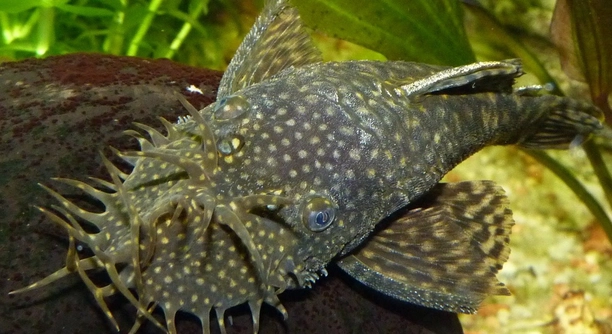
Bristlenose plecos are popular aquarium fish known for their unique appearance and algae-eating habits. They are peaceful, small, and adaptable, making them a favorite choice for many hobbyists looking to maintain a clean tank environment.
Bristlenose plecos can tolerate low water flow, as they naturally inhabit slow-moving rivers and streams. Their physiology allows them to thrive in gentle currents, provided water quality is maintained and oxygen levels remain stable for optimal health.
Understanding how water flow affects these fish is essential for their care. Small adjustments can significantly improve their comfort and longevity in home aquariums.
Understanding Bristlenose Plecos and Water Flow
Bristlenose plecos are hardy fish that can adapt to a variety of water conditions. They naturally live in rivers and streams with moderate to slow currents, which explains their tolerance for tanks with lower water flow. These fish rely on smooth surfaces to graze on algae, and strong currents can sometimes stress them or make feeding difficult. Maintaining steady, gentle water movement is ideal, as it allows them to move comfortably and perform natural behaviors without overexertion. Filtration is important, but the flow should not be so strong that it prevents them from attaching to surfaces or exploring their environment. Adding decorations like driftwood or rocks helps create calm zones, offering places to rest and feed. Tank setup and flow management directly impact their health, comfort, and overall behavior, making it essential to monitor both water movement and quality carefully for these plecos to thrive.
Low water flow is generally acceptable, but ensuring proper filtration and oxygenation remains critical for health and comfort.
Creating zones with gentle currents allows bristlenose plecos to move freely while still benefiting from filtered water. Proper flow prevents stress and supports natural feeding and resting behaviors.
Signs of Stress in Low or High Flow
Bristlenose plecos can show subtle signs of stress if water flow is inappropriate. Observing behavior, eating habits, and interaction with the environment helps detect issues early.
When flow is too strong, plecos may cling constantly to surfaces or hide more frequently. In low-flow areas with poor oxygenation, they can become lethargic or stop feeding. Regularly checking water parameters ensures that even in slow-moving tanks, oxygen levels and cleanliness are maintained. Adjusting the filter output or adding gentle circulation can improve conditions. Driftwood, plants, and caves provide shelter and resting areas, helping them manage stress. Feeding patterns also indicate comfort; healthy plecos will actively graze on algae and respond to supplemental foods. Maintaining a balance between flow, oxygenation, and tank enrichment keeps bristlenose plecos healthy and active while preventing long-term stress or behavioral changes. Careful observation combined with minor adjustments creates an environment where these fish can thrive naturally.
Adjusting Tank Flow for Bristlenose Plecos
Adjusting water flow starts with observing your plecos. Gentle currents are ideal, allowing them to graze and move without effort. Avoid strong outputs that can push them around or prevent natural behaviors. Small changes can make a big difference in comfort.
Using a sponge filter or redirecting the main filter output can create calmer areas. Driftwood and rocks help diffuse flow, offering resting spots. Monitor the tank over several days to see how the plecos respond. Gradual adjustments prevent sudden stress, and observing feeding habits can indicate whether conditions are improving. Flow should support natural movement, allowing plecos to explore and attach to surfaces easily. Keeping consistent water parameters alongside flow adjustments ensures health and reduces stress.
Tank decorations play a key role in managing flow. Adding caves, plants, and driftwood not only creates hiding spots but also breaks currents, providing plecos with low-flow zones. Positioning filters thoughtfully helps balance overall movement. Regular observation of activity and feeding confirms that flow adjustments meet the plecos’ needs. Over time, these small tweaks create a stable, comfortable environment, supporting their health, growth, and natural behaviors while preventing stress caused by inappropriate water movement.
Monitoring Pleco Behavior
Behavioral changes indicate if flow is suitable. Active grazing, normal swimming, and regular resting are positive signs of comfort.
If plecos cling excessively to surfaces or remain hidden, it may signal stress from strong or uneven currents. Observing interactions with tankmates and feeding patterns helps identify problems early. Ensuring oxygen-rich, clean water in all areas is critical, especially in slow-flow zones. Adjustments to filter output, water circulation, or decor can resolve issues. Consistent monitoring allows you to maintain stable conditions, ensuring plecos remain healthy and active while reducing the risk of stress-related behavior or health decline.
Creating Calm Zones
Calm zones help bristlenose plecos feel secure. Using driftwood, rocks, and plants breaks up strong currents. These areas allow plecos to rest and feed comfortably without being pushed around.
Positioning filters to redirect flow can enhance these zones. Even small adjustments improve swimming comfort and reduce stress.
Feeding in Different Flow Conditions
Feeding requires consideration of water movement. Plecos in strong currents may struggle to reach food, while those in low-flow areas can graze naturally on algae. Supplemental foods like wafers or vegetables should be placed in calm spots. Observing feeding habits ensures that all plecos receive enough nutrition and remain healthy.
Filter Choices for Bristlenose Plecos
Sponge filters or adjustable-output filters are ideal. They provide necessary filtration without creating overwhelming currents. Sponge filters also add oxygenation while keeping flow gentle. Proper filter selection helps maintain water quality, comfort, and allows plecos to thrive naturally in the aquarium environment.
Signs of Flow Adjustment Success
Successful flow adjustments are visible through normal activity, grazing, and relaxed resting. Plecos that explore and feed regularly indicate conditions are well balanced.
FAQ
Can bristlenose plecos survive in low-flow tanks?
Yes, bristlenose plecos can survive in low-flow tanks. They are naturally adapted to slow-moving rivers and streams, so gentle water movement is sufficient. What matters most is maintaining proper water quality, oxygen levels, and having calm areas where they can rest and feed without stress.
How can I create low-flow zones in my tank?
Low-flow zones can be created using decorations like driftwood, rocks, and plants. These items break up currents and offer hiding or resting spots. Redirecting filter output or using adjustable filters also helps, ensuring plecos have areas to graze comfortably and move without being pushed around by strong currents.
Will plecos eat algae in low-flow water?
Yes, bristlenose plecos will still eat algae in low-flow tanks. Algae growth can be slower in calm water, but plecos adapt easily. You can supplement their diet with algae wafers or vegetables placed in calm areas, ensuring they get proper nutrition even if natural algae is limited.
Do I need a strong filter for bristlenose plecos?
Strong filters are not necessary. Gentle filtration is better to avoid stressing plecos. Sponge filters or adjustable-output filters work well, providing clean water and adequate oxygenation without creating currents too strong for the fish to manage comfortably.
How do I know if water flow is too strong?
Signs of strong water flow include plecos clinging excessively to surfaces, hiding constantly, or struggling to feed. If they appear lethargic or are pushed around the tank, reduce the flow and provide calmer zones. Observation is key to finding the right balance.
Can plecos live in stagnant water?
Stagnant water is not suitable. While plecos tolerate low-flow environments, they still need oxygen-rich, clean water. Proper filtration and occasional water movement prevent oxygen depletion, waste buildup, and poor water quality, which can negatively affect their health and behavior.
How often should I adjust water flow?
Adjustments should be gradual and monitored over time. Observing pleco behavior, feeding, and activity helps determine if changes are effective. Once the tank has balanced flow, frequent adjustments are usually unnecessary, as sudden changes can cause stress.
What decorations work best for managing flow?
Driftwood, rocks, caves, and live plants are excellent. They create natural barriers, reduce strong currents, and provide hiding spaces. Placement near filter outputs or in open areas ensures plecos can choose between moving in gentle currents or resting in calm zones.
Can plecos thrive in tanks with uneven flow?
Yes, as long as there are calm zones. Plecos can navigate currents if they have areas to rest. Uneven flow can mimic natural habitats, but it is essential to maintain oxygen levels and monitor stress indicators, ensuring plecos remain active, healthy, and able to feed properly.
Does water flow affect breeding?
Yes, moderate flow is preferred during breeding. Calm areas encourage nest building and egg attachment. Excessive currents may dislodge eggs or stress plecos, while too little flow may reduce oxygenation around breeding sites. Gentle, consistent water movement supports healthy reproduction.
What is the easiest way to check if flow is suitable?
Observe behavior closely. Active grazing, normal swimming, and resting indicate appropriate flow. Changes in eating habits, clinging to surfaces, or hiding frequently suggest adjustments are needed. Watching plecos over several days helps ensure conditions remain comfortable.
Can I use powerheads with bristlenose plecos?
Powerheads can be used cautiously, but output should be adjusted to prevent strong currents. They are best placed to circulate water without creating overwhelming flow near resting or feeding areas. Combining powerheads with calm zones ensures plecos can navigate the tank safely.
How important is oxygenation in low-flow tanks?
Oxygenation is critical. Even in low-flow tanks, plecos need sufficient dissolved oxygen. Sponge filters, air stones, or gentle circulation devices maintain oxygen levels. Proper oxygenation prevents lethargy, reduces stress, and ensures plecos can feed and thrive naturally.
Can plecos adapt to different flow conditions over time?
Yes, they are adaptable, but changes should be gradual. Sudden strong currents can stress them, while gentle increases allow them to acclimate. Providing hiding spots and observing behavior ensures plecos adjust without health issues.
Do tankmates affect plecos in low-flow conditions?
Tankmates can influence flow and stress. Active or large fish may create strong currents, making calm zones essential. Plecos need space to graze and rest without interference. Proper placement of decorations and careful observation helps maintain a balanced environment.
Is it necessary to measure flow rate?
Measuring flow is helpful but not mandatory. Observing pleco behavior is often more effective. If plecos are active, feeding, and resting comfortably, the flow is likely appropriate. Adjustments can be based on their responses rather than exact numbers.
How do I balance filtration and gentle flow?
Using sponge or adjustable-output filters is effective. Positioning them to diffuse water movement prevents strong currents. Adding driftwood or plants near filter outputs creates calm zones, maintaining water quality without stressing plecos.
What happens if flow is too weak?
Flow that is too weak can reduce oxygenation and allow waste to accumulate. Plecos may become less active, feed less, and show signs of stress. Gentle circulation and proper filtration prevent these issues while still accommodating their low-flow preferences.
Can bristlenose plecos live in planted tanks with low flow?
Yes, planted tanks often create natural low-flow conditions. Plants reduce current, provide hiding spots, and help maintain water quality. Plecos thrive if oxygen levels are sufficient and there are surfaces for grazing, combining natural behavior with a comfortable environment.
How long does it take plecos to adjust to new flow conditions?
Adjustment varies by individual, but most plecos acclimate within a few days to a week. Gradual changes and observation ensure they remain comfortable. Monitoring feeding and resting behaviors indicates successful adaptation and allows for minor tweaks if necessary.
Are there signs of stress unrelated to flow?
Yes, poor water quality, lack of hiding spaces, and incompatible tankmates can cause stress. Even in ideal flow conditions, plecos need clean water, proper nutrition, and calm areas to maintain health. Observing overall behavior helps distinguish flow issues from other stress factors.
Do bristlenose plecos need a separate flow setup for breeding?
During breeding, calm zones are essential. Flow should be moderate to protect eggs and allow plecos to care for them. Adjustments to filtration or placement of decorations create safer breeding conditions while maintaining water quality.
Can I combine multiple flow management techniques?
Yes, combining decorations, adjustable filters, and careful placement creates a balanced environment. Each technique contributes to calm zones, appropriate currents, and oxygenation, ensuring plecos remain healthy, active, and able to feed naturally without stress.
Does temperature affect flow preferences?
Temperature influences metabolism, which can impact movement and oxygen needs. Warmer water increases activity, so slightly stronger flow may be tolerated. Cooler water reduces activity, making gentle currents preferable. Maintaining consistent temperature alongside appropriate flow supports pleco health.
How do I maintain low-flow conditions over time?
Regular maintenance, monitoring, and minor adjustments are key. Clean filters, check water quality, and reposition decorations as needed. Observing plecos ensures conditions remain suitable. Balanced, low-flow setups provide stable environments that support natural behavior, feeding, and long-term health.
Are there alternatives to mechanical filtration for low-flow tanks?
Yes, sponge filters and air-driven filtration are ideal alternatives. They provide gentle circulation and oxygenation without creating strong currents. Biological filtration through plants or bio-media can also complement these systems, maintaining water quality in low-flow conditions.
Can bristlenose plecos live in community tanks with varying flows?
Yes, if calm zones are available. Plecos can navigate currents created by other fish but need areas to rest. Observing behavior and providing sufficient hiding spots ensures plecos remain comfortable alongside more active or larger tankmates.
Do plecos prefer vertical or horizontal flow patterns?
Plecos are more affected by overall current strength than flow direction. Gentle, consistent flow in any pattern is acceptable. Calm areas along horizontal or vertical currents allow plecos to feed, rest, and explore without stress.
How can I tell if a pleco is adjusting well to flow changes?
Signs include normal grazing, swimming, and resting patterns. Reduced hiding, consistent feeding, and relaxed behavior indicate successful adaptation. Observing these behaviors over several days ensures that flow adjustments support health and natural activity.
Is it better to have uniform flow or mixed flow zones?
Mixed flow zones are ideal. They provide areas for rest, feeding, and gentle swimming. Uniform strong flow can stress plecos, while calm pockets combined with moderate currents mimic natural habitats and support their overall well-being.
How important is flow compared to water quality?
Water quality is equally or more important. Flow helps maintain oxygenation and waste removal, but clean water, proper pH, and stable parameters are critical for pleco health. Flow adjustments should complement these factors rather than replace them.
Can low-flow conditions increase algae growth?
Yes, calm water may allow algae to grow on surfaces more easily. This can benefit grazing plecos, but regular maintenance and monitoring are necessary to prevent excessive buildup that could affect water quality or create imbalances.
Should I move plecos slowly when adjusting flow?
Yes, gradual changes prevent stress. Sudden increases or decreases can shock plecos and impact feeding and resting behavior. Observing responses after small adjustments ensures comfort and allows for fine-tuning flow gradually.
Do plecos react differently to natural versus artificial flow?
They can. Natural flow patterns created by plants or decorations often feel more comfortable, while artificial strong currents may be stressful. Combining gentle mechanical flow with calm, natural zones creates an environment plecos can thrive in.
Can plecos become aggressive in high-flow areas?
High flow can increase stress, sometimes leading to defensive behavior or territoriality. Providing calm areas reduces conflict, ensures sufficient resting spots, and allows plecos to maintain natural social behavior without unnecessary tension.
Is it necessary to test flow rate in gallons per hour?
Testing exact flow rate is optional. Observation of pleco behavior is often sufficient. If they feed, swim, and rest normally, the flow is likely appropriate. Adjustments can be made based on comfort rather than precise measurements.
Do plecos prefer steady or variable flow?
Steady, gentle flow is preferred. Variable currents can simulate natural conditions but should not be strong enough to stress them. Calm zones within moderate flow create a balanced environment suitable for grazing, resting, and exploration.
How do I maintain oxygen levels in low-flow tanks?
Sponge filters, air stones, or gentle circulation maintain oxygenation. Live plants contribute to oxygen production. Regular water changes and monitoring ensure levels remain sufficient for healthy pleco activity and feeding, even with minimal water movement.
Are plecos sensitive to sudden flow changes?
Yes, they are. Sudden changes can cause stress, hide behavior, or reduce feeding. Gradual adjustments and observation ensure plecos adapt comfortably without health or behavior issues.
What’s the best way to combine flow and tank decoration?
Place driftwood, rocks, and plants strategically to break currents and create calm zones. Position filters so water moves gently through open areas while calm pockets provide resting and feeding spaces, balancing flow and enrichment for plecos.
Can low-flow tanks support multiple plecos?
Yes, if sufficient calm zones, hiding spaces, and surfaces for grazing are available. Maintaining water quality, oxygenation, and gentle currents ensures multiple plecos can coexist comfortably without stress or competition.
Do plecos require different flow in different tank sizes?
Yes, larger tanks may need more circulation to maintain oxygen and water quality. Smaller tanks require gentler flow to avoid stress. Adjusting filter output and decorations based on tank size ensures plecos remain comfortable and healthy.
How can I reduce strong flow from a filter?
Using spray bars, redirecting output, or attaching sponge pre-filters reduces flow. Driftwood and plants near the filter also diffuse water movement. These simple adjustments create calmer areas for plecos while maintaining proper filtration and oxygenation.
What is the impact of flow on pleco health long-term?
Proper flow supports natural behavior, feeding, and oxygenation, reducing stress and illness. Incorrect flow can cause fatigue, reduced feeding, or susceptibility to disease. Maintaining balanced conditions ensures long-term health, activity, and overall well-being for bristlenose plecos.
How often should I observe pleco behavior related to flow?
Daily observation is ideal, especially after adjustments. Monitoring swimming, grazing, and resting behaviors ensures flow is appropriate and helps detect stress or health issues early. Consistent attention maintains a stable, comfortable environment.
Can plecos thrive without flow adjustments if the tank is already calm?
Yes, if water quality and oxygen levels are sufficient. Gentle movement created naturally by filters or tank design may be enough. Monitoring behavior confirms that plecos remain active, feed properly, and have access to rest areas.
Do plecos prefer flow near the surface or bottom?
They primarily occupy the bottom but may move through mid-water areas. Gentle currents throughout the tank support oxygenation while calm bottom zones allow grazing and resting, ensuring plecos remain comfortable and healthy.
Can multiple adjustments be made at once?
Yes, but changes should still be gradual. Simultaneous adjustments to filters, decorations, or placement require observation to ensure plecos respond well. Monitoring behavior ensures adaptations improve conditions without causing stress.
How do I balance flow with other environmental factors?
Flow should complement temperature, water quality, and tank layout. Proper oxygenation, clean water, and calm zones allow plecos to thrive. Observing activity, feeding, and rest confirms that all factors work together to create a healthy environment.
What are common mistakes when managing flow?
Common mistakes include over-strong currents, insufficient calm zones, sudden changes, and ignoring oxygenation. These issues stress plecos and reduce feeding or resting behavior. Gradual adjustments, proper observation, and balance with water quality prevent problems and maintain comfort.
Do plecos need different flow during molting or growth periods?
During growth or molting, calmer areas help reduce stress and allow efficient feeding. Proper oxygenation remains critical. Adjusting flow slightly can support energy conservation and natural behavior during these periods.
Is it possible to overdo low-flow adjustments?
Yes, too many obstacles or overly diffused water can reduce circulation and oxygen. Ensure gentle flow remains sufficient for filtration and oxygenation while creating calm zones for plecos to thrive comfortably.
Can plecos detect subtle changes in flow?
Yes, they are sensitive to water movement. Even small changes can affect swimming patterns, grazing, and resting behavior. Observing responses allows fine-tuning to create an ideal environment.
Does tank shape affect flow management?
Yes, long or tall tanks influence current patterns. Placement of filters, decorations, and flow adjustments must consider tank dimensions to ensure calm zones, proper circulation, and accessible grazing areas for plecos.
How does plant density influence flow preferences?
Dense plants slow water movement, creating calm pockets. They provide shelter, grazing surfaces, and help diffuse currents. Balancing plant density with filter output ensures plecos remain comfortable while maintaining oxygen and water quality.
Are bristlenose plecos more tolerant of low flow than other plecos?
Yes, they are generally more adaptable to low-flow conditions compared to larger or more active pleco species. Their natural habitats favor gentle currents, making them suitable for calmer tanks with proper care.
What role does substrate play in flow management?
Substrate affects water movement and grazing surfaces. Smooth or fine substrates allow plecos to forage easily in low-flow areas, while heavier substrates help stabilize decorations that diffuse currents. Proper substrate choice supports comfort and natural behavior.
Can low-flow conditions affect disease susceptibility?
Yes, stagnant or poorly oxygenated areas can increase susceptibility to infections. Adequate flow, filtration, and oxygenation reduce harmful bacteria buildup and promote overall pleco health.
Do plecos prefer single or multiple calm zones?
Multiple calm zones are ideal, offering options for feeding, resting, and avoiding stronger currents. Variety allows plecos to choose areas based on preference, enhancing comfort and supporting natural behaviors.
Is it necessary to test pleco adaptation after every adjustment?
Yes, observing behavior after adjustments ensures they respond positively. Monitoring grazing, swimming, and resting confirms that changes improve comfort without causing stress or health issues.
Can flow influence pleco coloration or appearance?
Indirectly, yes. Stress from strong or unsuitable currents can dull coloration, while comfortable environments with gentle flow support natural colors, activity, and overall health. Proper flow maintenance contributes to a vibrant, healthy pleco.
How do I know when flow adjustments are complete?
Once plecos graze, swim, and rest normally across all tank areas, adjustments are likely sufficient. Minimal hiding, consistent feeding, and relaxed behavior indicate that flow and calm zones are balanced effectively.
Can low-flow zones help shy plecos?
Yes, shy or less active plecos benefit from calm zones. These areas provide security, allowing them to feed and explore without being disturbed by currents or more active tankmates.
Are there seasonal considerations for flow management?
Seasonal temperature changes may alter metabolism, affecting swimming and oxygen needs. Adjusting flow slightly to match seasonal activity helps maintain comfort and supports healthy feeding and behavior patterns.
Can flow adjustments impact breeding success?
Yes, gentle, stable flow encourages nest building and egg care. Strong or uneven currents can stress breeding plecos, while calm zones provide safe areas for mating, egg attachment, and fry development.
Should flow be adjusted differently for juvenile and adult plecos?
Juveniles may prefer gentler currents as they are smaller and less strong swimmers. Adults tolerate slightly higher flow, but calm areas remain essential. Adjusting based on size ensures comfort and supports healthy growth for all stages.
How do I ensure plecos remain comfortable with other tank equipment?
Position heaters, filters, and air stones to minimize strong currents in resting zones. Decorations can shield plecos from direct flow, maintaining calm areas while equipment functions effectively. Observation ensures comfort and natural behavior.
Can flow affect pleco interaction with tankmates?
Yes, high flow can increase stress and reduce interaction. Calm zones allow peaceful coexistence, reducing competition for food and resting areas while maintaining overall harmony in the aquarium.
Is it better to have too little or too much flow initially?
Too little flow can reduce oxygen and waste removal, while too much can stress plecos. Starting with gentle, moderate flow and observing responses allows safe, gradual adjustment to optimal conditions.
Do bristlenose plecos have flow preferences based on personality?
Individual plecos may prefer slightly different currents. Providing multiple calm zones and gentle movement accommodates these preferences, ensuring all fish remain comfortable and active.
How do I maintain low-flow tanks over long periods?
Regular monitoring
Final Thoughts
Bristlenose plecos are resilient and adaptable fish, which makes them suitable for a variety of aquarium setups. Their natural habitats are slow-moving rivers and streams, so they are comfortable in tanks with low or moderate water flow. While strong currents can be stressful and limit their ability to graze or rest, gentle movement supports their health and natural behaviors. Observing their activity and behavior is essential, as it helps identify if adjustments are needed. Simple steps, such as redirecting filter output, using sponge filters, or adding decorations like driftwood and rocks, can create calm zones where plecos can rest and feed without being pushed around.
Proper water quality is equally important alongside flow management. Even in low-flow tanks, maintaining clean water and sufficient oxygen levels ensures plecos remain healthy. Regular water changes, careful filtration, and monitoring key parameters like pH and ammonia help prevent stress and illness. Calm areas created with decorations not only provide comfort but also help plecos avoid unnecessary energy expenditure. Feeding patterns can also indicate whether the environment is suitable. Healthy plecos graze on algae or consume supplemental foods placed in calm zones. Over time, a balanced setup with gentle currents and stable water conditions allows them to thrive while displaying natural behaviors.
Flow management and tank design work together to create a comfortable environment for bristlenose plecos. Multiple calm zones and gentle currents allow these fish to explore, rest, and feed naturally. Adjustments should be gradual, with careful observation of how plecos respond. Individual fish may have slightly different preferences, so providing options is important. Attention to flow, water quality, and enrichment ensures that plecos remain active, healthy, and stress-free. By understanding their natural preferences and adapting the tank accordingly, it is possible to maintain a low-maintenance setup that supports their long-term well-being, behavior, and overall enjoyment in a home aquarium.

Hello,
If you enjoy the content that we create, please consider saying a "Thank You!" by leaving a tip.
Every little bit helps us continue crafting quality advice that supports the health, happiness, and well-being of pets around the world, for pets of all shapes, sizes, and species.
We really appreciate the kindness and support that you show us!