
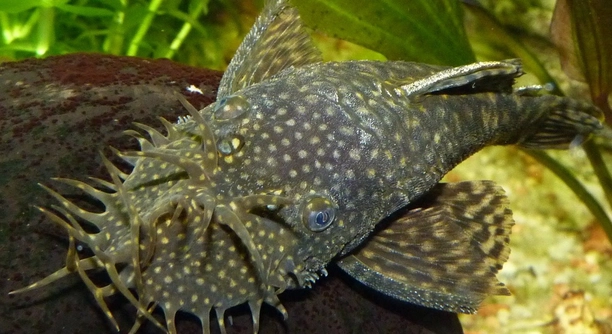
Do you ever notice your pleco spending hours circling the bubbler in its tank? Many owners find this behavior puzzling, as the fish seems almost obsessed with the rising stream of bubbles. Observing this can be oddly entertaining.
Plecos are naturally drawn to bubblers because the rising bubbles increase oxygen levels and stimulate water movement. This environment encourages natural behaviors such as foraging, exploration, and exercise, making the bubbler an essential enrichment tool for the fish’s well-being.
Understanding why your pleco favors the bubbler helps create a healthier, more engaging tank environment. This knowledge ensures your fish stays active and comfortable in its home.
Why Plecos Love Bubblers
Many plecos spend hours near the bubbler because it creates the kind of environment they enjoy. The rising bubbles increase oxygen in the water, which is essential for their health. Movement from the bubbles also mimics natural water currents that these fish encounter in rivers and streams. Plecos often use these currents to explore, hide, and forage. Observing a pleco circling or resting near the bubbler shows that it feels comfortable and stimulated. The bubbles can also help reduce stress by creating gentle water movement, which plecos naturally prefer. In addition, the bubbler can provide a sense of security. The motion and sound may mask sudden changes in the tank, keeping your pleco calmer. Providing a bubbler ensures the fish stays active and healthy. It is a simple way to meet both their physical and environmental needs without complicated equipment or routines.
Bubblers also prevent stagnant water areas. This improves oxygen distribution and supports the pleco’s natural swimming behaviors.
Understanding how bubblers benefit plecos helps create a tank that encourages healthy activity, reduces stress, and supports long-term well-being in a simple and effective way. Observing their interactions can reveal much about their preferences, habits, and energy levels. By monitoring how they engage with the bubbler, owners can adjust tank placement or bubble intensity to enhance comfort. Small adjustments, like positioning decorations near the bubbler, can make it a focal point for the fish. Additionally, combining the bubbler with hiding spots and proper feeding schedules ensures a balanced environment. Plecos may also use the bubbles to clean themselves, rubbing against gentle currents to remove debris or algae. This natural behavior promotes overall hygiene and reduces the need for constant manual maintenance. Ultimately, integrating a bubbler improves both the tank ecosystem and the fish’s quality of life. Watching a pleco interact with the bubbler can feel surprisingly rewarding and reinforces the importance of catering to their instincts.
Signs Your Pleco Enjoys the Bubbler
If your pleco repeatedly returns to the bubbler, it is a clear sign of enjoyment and comfort.
Plecos that favor the bubbler often show consistent swimming patterns around it, circling or hovering near the rising bubbles. They may also explore decorations and surfaces close to the bubbler more actively, using the water movement to navigate. Some plecos even rest directly in the stream of bubbles, which helps regulate their buoyancy and energy. This behavior demonstrates that they are both stimulated and relaxed. In contrast, a pleco that avoids the bubbler may need different enrichment or adjustments in bubble intensity. Monitoring these behaviors allows you to tailor the tank setup to their preferences. Offering a combination of oxygenation, current, and safe spaces ensures the pleco remains healthy and active. This simple observation can greatly improve how you maintain the tank and interact with your fish, ensuring long-term contentment.
Maintaining Your Pleco’s Tank Environment
Keeping the water clean and well-oxygenated is essential for a pleco’s health. Regular water changes, proper filtration, and a bubbler ensure stable conditions. Clean water prevents disease and encourages natural behaviors, including swimming near the bubbler.
A well-maintained tank creates a comfortable space for plecos. Filtration removes waste and toxins, while a bubbler improves oxygen distribution and water circulation. These factors reduce stress and support activity levels. Decorations and hiding spots complement this setup by offering rest areas near gentle currents. Monitoring water parameters, such as pH and temperature, ensures stability and prevents sudden fluctuations that can affect the fish’s behavior. Regular observation helps detect changes in how your pleco interacts with the bubbler, indicating overall well-being.
Consistency is key in maintaining a healthy environment. Plecos respond positively to routine care and stable conditions. A bubbler that runs consistently encourages natural exploration and foraging behavior. Observing the fish’s patterns near the bubbler can inform adjustments, such as repositioning decorations or changing bubble intensity. Proper feeding schedules and tank cleaning routines complement these efforts, ensuring the fish remains active, calm, and healthy. A stable environment makes it easier to address issues quickly and supports long-term happiness.
Bubble Intensity and Placement
Bubble placement affects how plecos interact with the tank. Positioning the bubbler near hiding spots encourages exploration and activity.
Adjusting bubble intensity can help meet your pleco’s needs. Gentle bubbles provide relaxation, while stronger currents stimulate swimming and play. Observing how your pleco responds allows you to fine-tune placement and intensity. Some plecos prefer hovering in the stream, while others swim around it for exercise. Experimenting with different locations can make the tank more engaging. Proper placement also ensures even oxygen distribution and prevents stagnant zones. Combining bubble streams with decorations and plants creates natural flow patterns that mimic rivers and streams.
Consistent adjustment of bubblers improves tank conditions and pleco behavior. Stronger bubbles encourage movement, which benefits digestion and muscle tone, while softer streams promote calm and stress reduction. Placement near hiding spots or open areas allows plecos to choose their preferred environment, fostering comfort and activity. Observing their preferences over time can reveal patterns in energy and behavior, guiding further adjustments. Careful attention to intensity and placement also prevents disturbances to other fish, maintaining a balanced ecosystem. A well-positioned bubbler enhances both the aesthetic and functional quality of the tank.
Common Pleco Behaviors Around Bubblers
Plecos often hover directly in the bubble stream, using it to rest or adjust buoyancy. Circling the bubbler is normal and shows the fish is active and comfortable with water movement.
Some plecos nibble at surfaces near the bubbler, likely exploring or cleaning algae. This is part of their natural foraging behavior.
Signs of Overstimulation
If a pleco constantly darts around the bubbler or avoids hiding spots, it may be overstimulated. Sudden changes in bubble intensity or placement can cause stress. Monitoring behavior ensures the environment remains balanced, allowing the fish to enjoy the bubbles without negative effects.
Combining Bubblers With Decorations
Bubblers work best when paired with decorations. Rocks, driftwood, and plants create flow patterns and resting areas. These additions encourage natural exploration and foraging while keeping the pleco engaged and comfortable within the tank.
Monitoring Your Pleco’s Health
Regularly checking your pleco’s activity and appetite ensures it is thriving. Changes in behavior near the bubbler can indicate health issues or stress, allowing timely intervention.
FAQ
Why does my pleco spend so much time at the bubbler?
Plecos are naturally drawn to areas with increased water movement and oxygen levels. The bubbler creates currents that mimic their natural habitats, providing stimulation and encouraging natural behaviors. Spending time near the bubbler is normal and indicates your fish feels comfortable and secure in its tank environment.
Is it normal for my pleco to rest in the bubble stream?
Yes, plecos often rest in the bubble stream to regulate buoyancy and conserve energy. The gentle movement allows them to remain active without expending too much effort. Resting near the bubbler is a healthy behavior, showing they are using the water flow to their advantage.
Can a bubbler stress my pleco?
Bubblers can cause stress if the water movement is too strong or placed incorrectly. Observe your pleco’s reactions—darting, avoiding certain areas, or staying constantly at the bottom may indicate overstimulation. Adjusting bubble intensity or repositioning the bubbler usually resolves these issues.
Do plecos need bubblers to survive?
Plecos do not strictly need bubblers, but they benefit from the oxygenation and stimulation bubblers provide. In a properly filtered and maintained tank, plecos can survive without a bubbler, but adding one promotes activity, reduces stress, and enhances overall well-being.
Why does my pleco nibble around the bubbler?
Nibbling near the bubbler is part of natural foraging behavior. The bubbles stir the water, loosening algae or debris, which plecos may investigate and consume. This activity encourages healthy feeding habits and keeps the fish engaged in its environment.
How do I know if my pleco is overstimulated by the bubbler?
Signs include frantic swimming, darting in circles, hiding more than usual, or refusing to rest. Overstimulation is typically resolved by lowering the bubble intensity, changing placement, or providing additional hiding spots to balance activity and calm areas.
Can a bubbler improve my pleco’s health?
Yes, bubblers increase oxygen levels, improve water circulation, and encourage movement. This supports muscle tone, digestion, and stress reduction. Regular use of a bubbler creates a dynamic environment that mimics natural rivers, benefiting both physical and mental health.
Is it safe to leave the bubbler on all the time?
Most plecos tolerate continuous operation, especially if the intensity is moderate. Continuous bubbles maintain oxygen levels and circulation, but occasional monitoring is important. Ensure the current is not too strong and that your pleco has access to calmer areas for rest.
Can other fish benefit from the bubbler as well?
Yes, bubblers increase oxygen distribution and water movement for all tank inhabitants. Many species enjoy the current and find it stimulating. However, some fish may prefer calmer zones, so provide hiding areas or slower currents to accommodate different species.
How should I position the bubbler for maximum benefit?
Place the bubbler where water movement enhances exploration and oxygenation without overwhelming the pleco. Near decorations or open areas is ideal, allowing the fish to choose between active swimming or resting in the bubble stream. Experimenting with placement helps find the perfect balance.
Do plecos interact differently with multiple bubblers?
Multiple bubblers can create varied currents, which some plecos enjoy exploring. However, too many or unevenly placed bubblers may confuse or stress the fish. Observing behavior and adjusting flow ensures plecos engage naturally and comfortably with their environment.
Will my pleco ever lose interest in the bubbler?
Plecos may reduce interaction with the bubbler as they explore other areas or become accustomed to the current. Occasional breaks are normal, but consistent attraction usually indicates the bubbler provides ongoing stimulation and comfort.
How does bubble intensity affect pleco behavior?
Gentle bubbles encourage calm resting, while stronger currents stimulate swimming and foraging. Adjusting intensity allows you to cater to your pleco’s energy level, ensuring they remain active without experiencing stress or fatigue.
Can a bubbler help with algae control?
Indirectly, yes. Water movement from the bubbler may dislodge algae, making it easier for plecos to graze. While it won’t replace regular cleaning, it supports natural feeding and maintenance behaviors.
Should I turn off the bubbler during feeding?
It’s not necessary to turn it off, but you may notice plecos interacting differently with food when bubbles are strong. Some fish prefer calmer water during feeding, so minor adjustments can optimize feeding behavior.
Can bubbler placement affect pleco territorial behavior?
Yes, plecos may claim areas near the bubbler as favored zones. Providing multiple hiding spots and evenly distributing currents reduces territorial stress and encourages exploration of the entire tank.
Do plecos show affection for the bubbler?
Plecos don’t form attachments like mammals, but consistent interaction with the bubbler shows comfort and preference. Their repeated engagement indicates they find the environment enjoyable and safe.
How often should I check the bubbler?
Daily observation is sufficient to ensure proper function, intensity, and placement. Monitoring allows early detection of issues such as malfunctioning pumps, excessive current, or overstimulation, maintaining a healthy environment for your pleco.
Can a bubbler help during warmer months?
Yes, bubblers increase oxygen levels, which can drop in warm water. Maintaining proper circulation prevents stress and supports overall health during temperature fluctuations, especially in summer months when oxygen levels may naturally decrease.
What should I do if my pleco ignores the bubbler?
If ignored, check water parameters, bubble intensity, and placement. Some plecos prefer calmer areas or may explore other enrichment. Adjusting conditions or adding decorations can encourage occasional interaction without forcing constant use.
This FAQ provides practical insights for understanding pleco behavior around bubblers, ensuring the fish remains healthy, active, and comfortable in its tank environment.
Final Thoughts
Plecos are fascinating fish with distinct behaviors that can seem puzzling at first. Their attraction to bubblers is a clear example of how their natural instincts influence tank interactions. Spending time near a bubbler is not random; it reflects a need for oxygen, stimulation, and comfort. Understanding this behavior helps create a tank that meets these needs effectively. The bubbles mimic currents plecos would encounter in rivers and streams, allowing them to explore, rest, and forage in a way that feels natural. Observing these behaviors closely gives insight into your pleco’s preferences, habits, and overall well-being, making it easier to provide a suitable environment that supports both physical and mental health. By paying attention to how your fish interacts with the bubbler, you can make adjustments that enhance comfort and activity without causing stress or overstimulation. This observation also helps in noticing early signs of health issues or environmental problems, allowing timely intervention to keep your pleco healthy and active.
Maintaining a well-balanced tank goes beyond simply adding a bubbler. Proper filtration, regular water changes, and monitoring parameters like pH, temperature, and oxygen levels are equally important. Decorations, hiding spots, and driftwood work in combination with bubblers to create an environment that plecos find stimulating and secure. The placement and intensity of the bubbler should be adjusted according to your fish’s behavior, ensuring that water currents are strong enough to encourage exploration but gentle enough to prevent stress. Plecos vary in temperament, and some may prefer calmer areas while others actively engage with strong currents. Observing your fish over time will reveal patterns in their activity and resting habits, guiding adjustments in tank setup. These small changes make a big difference in creating an environment that encourages natural behaviors while maintaining comfort and security. This approach ensures a dynamic, yet stable, habitat for your pleco.
Finally, caring for a pleco involves consistent attention and understanding of its behaviors. Interaction with the bubbler is one part of a broader strategy to maintain health and well-being. Ensuring clean, oxygen-rich water, providing hiding spots, and observing behavior patterns all contribute to a supportive environment. Plecos thrive in tanks that cater to their natural instincts, and a bubbler is a simple, effective tool for achieving this. Regularly checking the tank, adjusting bubble intensity, and observing your pleco’s preferences enhances their quality of life while reducing stress. The goal is to create a space where the fish can explore, rest, and forage comfortably. Paying attention to their behaviors near the bubbler also makes it easier to detect problems early, whether they are health-related or environmental. By combining proper care, consistent observation, and thoughtful placement of tank features, plecos can remain healthy, active, and comfortable. A bubbler, when used effectively, supports all these efforts, making it an essential part of maintaining a thriving aquatic environment.

Hello,
If you enjoy the content that we create, please consider saying a "Thank You!" by leaving a tip.
Every little bit helps us continue crafting quality advice that supports the health, happiness, and well-being of pets around the world, for pets of all shapes, sizes, and species.
We really appreciate the kindness and support that you show us!