7 Feeding Routines Lemon Tetra Seem to Prefer
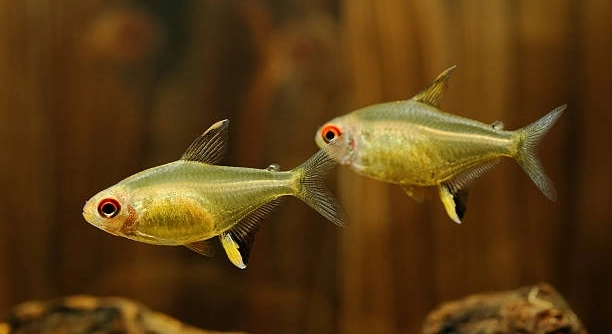
Lemon tetras are small, lively fish that brighten any home aquarium. Their feeding habits can be tricky to predict, making it important to observe and understand the routines they naturally prefer for a healthy life. Lemon tetras generally show a preference for multiple small feedings throughout the day, focusing on varied food types including flakes, … Read more
What Does It Mean When Lemon Tetra Twitch?

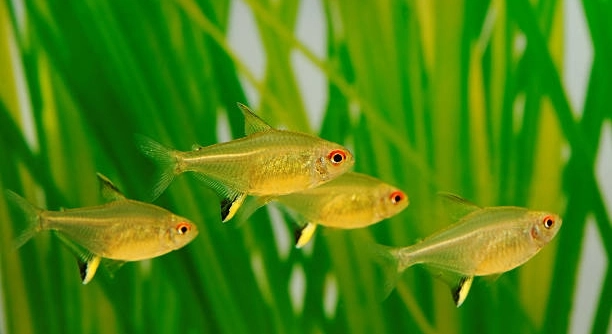
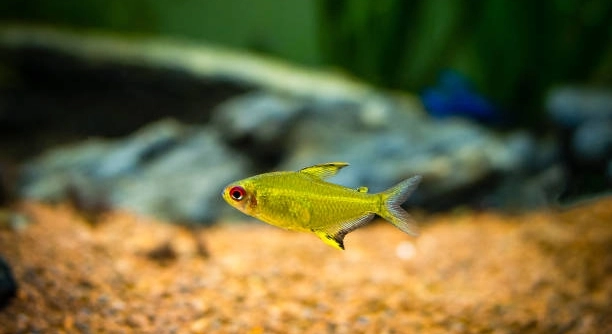
Have you noticed your lemon tetra making sudden, jerky movements in the tank? These little flicks and twitches can be surprising, especially if your fish usually swims calmly among its tank mates and decorations. Twitching in lemon tetras is often caused by stress, poor water quality, or minor irritation. It can also indicate the presence … Read more

Should You Cycle a Tank With Lemon Tetra?

Do you enjoy setting up a new aquarium but find yourself unsure about how to start the cycling process safely? Introducing fish too early can be tricky, especially with delicate species like Lemon Tetra. Cycling a tank with Lemon Tetra is generally not recommended because these fish are sensitive to water conditions. The proper approach … Read more

Can Lemon Tetra Remember Tankmates?

Do you ever notice your lemon tetras swimming together and wonder if they truly recognize each other over time? Their small size and bright colors make them charming companions, and many aquarists wonder about their social memory. Lemon tetras can remember tankmates for a certain period, recognizing familiar fish through visual and chemical cues. This … Read more

Can Lemon Tetra Change Color Temporarily?

Lemon tetras are small, vibrant fish often admired for their bright yellow hues. Many aquarium owners enjoy watching them swim together, creating a lively and colorful display that brings a sense of calm and beauty to any tank environment. Lemon tetras can change color temporarily due to stress, lighting conditions, or water quality fluctuations. This … Read more

Why Do Lemon Tetra Hide During the Day?

Lemon tetras are small, brightly colored fish that bring life to any freshwater aquarium. Many owners notice that these fish often hide during the day, staying near plants or decorations instead of swimming freely. Lemon tetras hide during daylight hours primarily due to instinctual behavior. They seek shelter to avoid predators, reduce stress from bright … Read more

7 Early Signs of Lemon Tetra Malnutrition

Do you ever notice your lemon tetras swimming less actively than usual or seeming less vibrant than before? Many fish owners may overlook early signs of malnutrition, which can quietly affect their health and overall well-being in the aquarium. Lemon tetra malnutrition typically presents through subtle physical and behavioral changes. These may include faded coloration, … Read more

7 Tricks for Easier Lemon Tetra Maintenance

Do you ever find yourself struggling to keep your lemon tetras happy and healthy in your aquarium? These small, vibrant fish can be sensitive to changes, making maintenance seem challenging for both beginners and experienced keepers. Maintaining lemon tetras is simplified by focusing on water quality, proper diet, tank setup, and consistent monitoring. Implementing structured … Read more

Why Is My Lemon Tetra Circling the Tank Nonstop?

Is your lemon tetra swimming in circles constantly, making your aquarium feel restless? Observing this behavior can be surprising, especially when your fish usually swims calmly and interacts peacefully with other tank mates. The primary reason lemon tetras circle nonstop is stress caused by environmental factors, such as poor water quality, improper tank size, or … Read more

7 Subtle Signs of Lemon Tetra Anxiety

Lemon tetras are small, bright fish that bring life to any aquarium. Their playful swimming can be calming, but sometimes they show signs of stress that may go unnoticed by owners who love observing them. Lemon tetra anxiety often manifests subtly through changes in behavior, including hiding more frequently, darting nervously, reduced appetite, clamped fins, … Read more