
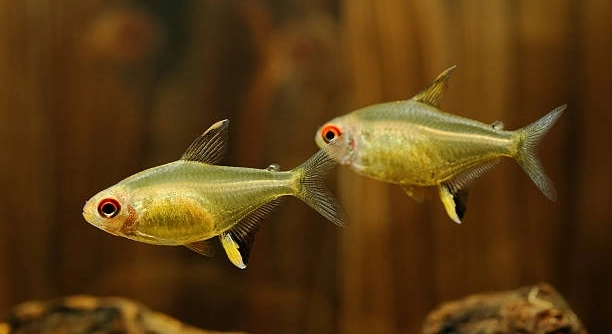
Lemon tetras are small, bright fish that bring life to any aquarium. Their playful swimming can be calming, but sometimes they show signs of stress that may go unnoticed by owners who love observing them.
Lemon tetra anxiety often manifests subtly through changes in behavior, including hiding more frequently, darting nervously, reduced appetite, clamped fins, or swimming irregularly. Recognizing these signs early is crucial to maintaining optimal health and preventing long-term stress-related issues.
Noticing these subtle changes can help improve your lemon tetras’ well-being and create a more peaceful and balanced aquarium environment.
Increased Hiding
When lemon tetras feel anxious, one of the first signs is hiding more often. You may notice them retreating behind plants, decorations, or rocks instead of swimming in open areas. This behavior is often subtle at first, but over time, it becomes more consistent and noticeable. Hiding can be triggered by sudden changes in the tank environment, aggressive tankmates, or even bright lighting. It’s important to observe the frequency and duration of hiding episodes to understand the level of stress your fish is experiencing. Providing ample cover, like dense plants or small caves, helps your tetras feel secure while still allowing them to explore. Additionally, ensuring that the tank setup mimics their natural environment with proper water flow and temperature can reduce anxiety. Avoid sudden movements or loud noises near the tank, as these can also increase hiding tendencies. Observing and adjusting the environment can make a significant difference in reducing stress behaviors over time.
Regularly monitoring where your tetras spend most of their time helps identify early signs of anxiety before it worsens.
Reducing hiding involves creating a balanced and calm tank environment. Using soft lighting, gentle filtration, and providing safe spaces encourages lemon tetras to swim more freely. Pairing them with compatible tankmates can also reduce stress levels, allowing them to feel comfortable and active.
Loss of Appetite
When lemon tetras are anxious, they may eat less or ignore food entirely. Even healthy fish can skip meals if they feel unsafe in their environment.
A consistent feeding schedule is essential to notice changes in appetite. Anxiety often causes fish to become hesitant during feeding times. If your tetras consistently avoid food, it may indicate stress rather than health issues. Addressing water quality, tankmates, and environmental factors can help restore normal feeding behavior. Introducing foods gradually or offering small portions at a time can encourage reluctant fish to eat. Observing feeding habits daily allows you to respond quickly, preventing further nutritional stress and keeping your tetras healthy and active. Creating a calm and predictable environment encourages confidence and reduces stress-related food refusal, supporting their overall well-being in the aquarium.
Clamped Fins
Clamped fins are a clear sign that lemon tetras are feeling stressed or anxious. Their fins stay tight against their bodies instead of spreading out naturally while swimming.
This behavior often indicates discomfort or poor water conditions. Water temperature, pH imbalances, or sudden changes in the tank can trigger fin clamping. Aggressive or overly active tankmates can also cause tension, making tetras retract their fins. It’s important to regularly check water parameters and ensure they match the recommended levels for lemon tetras. Providing hiding spots and reducing sudden disturbances in the tank can help them feel safer. Observing fin posture over time helps detect ongoing stress early.
Improving water quality, maintaining a stable environment, and minimizing disturbances can encourage your tetras to relax and fully extend their fins. Monitoring their interaction with other fish also helps reduce tension and anxiety in the tank.
Erratic Swimming
Erratic swimming can appear as darting, sudden stops, or frenzied movements that seem unusual for lemon tetras.
These behaviors are often linked to stress or discomfort in the aquarium. Poor water conditions, overcrowding, or incompatible tankmates can provoke sudden bursts of movement. Even changes in lighting or nearby vibrations can startle them, causing erratic swimming. Monitoring the tank’s environment and keeping conditions stable helps reduce these behaviors. Providing calm spaces and maintaining consistent routines makes your fish feel more secure.
Consistent observation and gradual adjustments can improve swimming behavior. Reducing stressors like sudden movements near the tank and ensuring adequate hiding spaces allows lemon tetras to swim naturally and comfortably, supporting overall health and reducing anxiety over time.
Faded Colors
When lemon tetras are stressed, their bright yellow hue can become dull or faded. This subtle change in color often goes unnoticed until compared with healthier tankmates or previous observations.
Faded colors are usually caused by prolonged stress, poor water conditions, or inadequate diet. Ensuring a balanced diet, clean water, and a calm environment helps restore their natural brightness over time.
Hiding in Corners
Some lemon tetras spend more time in tank corners or behind decorations when anxious. This behavior signals discomfort and a need for security. Creating more open swimming spaces alongside hiding spots encourages them to balance exploration with safety.
Gasping at the Surface
Gasping at the surface often indicates low oxygen levels or water quality issues. It can also be a stress response, showing that lemon tetras are struggling to feel comfortable in their environment. Regular water testing and aeration reduce this behavior and support healthier fish.
Loss of Social Interaction
Anxious lemon tetras may isolate themselves from the school. They stop swimming with other fish, showing withdrawal and reduced social engagement. Monitoring group behavior helps identify early signs of stress and maintain a balanced, cohesive school dynamic.
What causes anxiety in lemon tetras?
Anxiety in lemon tetras can be triggered by several factors. Poor water quality, sudden temperature changes, or incorrect pH levels often stress them. Overcrowded tanks and aggressive tankmates can also make them feel unsafe. Even loud noises or frequent disturbances near the aquarium may provoke anxious behavior. Environmental factors like bright lighting or lack of hiding spots contribute as well. Providing stable water conditions, proper tankmates, and sufficient cover helps reduce stress. Maintaining a calm and predictable environment allows lemon tetras to swim freely, eat normally, and display their natural colors. Stress is usually gradual, so observing daily behavior is key to identifying early signs.
How can I reduce hiding behavior?
Hiding is a common stress response in lemon tetras. To reduce this, make sure the tank has both open swimming areas and safe spaces like plants or small decorations. Avoid sudden movements near the aquarium and limit loud noises around the tank. Consistent water temperature and good filtration also make tetras feel secure. Grouping them in small schools can reduce anxiety since lemon tetras naturally feel safer in numbers. Gradually adjusting the tank environment rather than making sudden changes allows them to explore without fear. Over time, this encourages them to spend more time swimming openly rather than hiding constantly.
Why do lemon tetras clench their fins?
Clamped fins often indicate discomfort or stress. Poor water conditions, aggressive tankmates, or frequent disturbances are common triggers. Ensuring stable water parameters and proper filtration can help. Providing hiding spots and reducing direct exposure to tank disturbances allows them to relax. Clamped fins are usually a short-term response if stressors are addressed quickly. Observing fin posture regularly helps identify ongoing issues before they affect overall health.
What should I do if my tetras lose appetite?
Loss of appetite is often linked to stress or poor water quality. Check water parameters and ensure temperature, pH, and cleanliness are within recommended levels. Gradually introducing small amounts of food encourages eating without overwhelming anxious fish. Offering varied, high-quality foods can stimulate interest. Reducing aggressive tankmates or other stressors allows lemon tetras to eat confidently. Feeding at consistent times daily helps establish a sense of routine and security. Monitoring their response to food over several days shows whether appetite issues are temporary or persistent.
How can I improve swimming behavior?
Erratic swimming or darting is often a response to stress or discomfort. Stabilizing water conditions, minimizing sudden movements near the tank, and providing safe hiding spots can improve swimming patterns. Pairing lemon tetras with compatible tankmates helps reduce tension. Gradually adjusting light intensity or introducing gentle water flow encourages calm swimming. Observing interactions within the school allows for early detection of stress triggers, preventing prolonged anxiety. Regular maintenance and stable routines promote natural and relaxed swimming behavior over time.
When should I be concerned about gasping at the surface?
Gasping at the surface often points to low oxygen levels or water quality issues, but it can also signal stress. Testing water for ammonia, nitrites, and oxygen levels is essential. Improving aeration, filtration, and regular water changes reduces surface gasping. Persistent behavior despite stable conditions may indicate illness. Observing their overall activity, appetite, and fin posture alongside surface breathing provides a clearer picture of health. Immediate action can prevent more serious problems and support long-term well-being.
Can environmental changes prevent anxiety?
Yes, consistent and stable environmental conditions reduce anxiety significantly. Sudden temperature changes, frequent tank rearrangements, or introducing aggressive fish can trigger stress. Providing plants, decorations, and a balanced school encourages confidence. Maintaining clean water, stable lighting, and a predictable feeding routine creates a secure environment. Gradual changes in tank setup allow lemon tetras to adjust without panic, helping them maintain normal behavior and vibrant colors. Observing daily habits ensures that any small stressors are addressed quickly, preventing long-term anxiety.
Are social interactions important for lemon tetras?
Lemon tetras are schooling fish, so social interactions are vital. Isolation or aggressive tankmates can increase stress and anxiety. Keeping them in groups allows natural schooling behavior, reduces fear, and encourages feeding and swimming activity. Watching their interactions helps identify if certain fish cause tension. A cohesive school boosts confidence and overall well-being. Providing enough space for the group to swim together without overcrowding is key. Social dynamics directly influence stress levels, making observation and proper grouping essential for a healthy aquarium.
How long does it take for tetras to recover from stress?
Recovery time varies depending on the severity of anxiety and environmental adjustments. Minor stress may resolve in a few days if water quality, diet, and tank setup are improved. Chronic stress may take weeks of consistent care to reverse. Monitoring behavior, appetite, and coloration over time is essential. Gradually reducing stressors, stabilizing the environment, and supporting natural social behaviors help accelerate recovery. Patience is important, as pushing fish too quickly can worsen anxiety. Long-term maintenance of ideal tank conditions ensures lemon tetras remain healthy and confident.
What signs show that anxiety is improving?
Improvement is seen when lemon tetras swim more openly, show brighter colors, and interact with their school regularly. Appetite returns, fins fully spread, and hiding decreases. Surface gasping reduces, and erratic movements become less frequent. Observing these positive changes indicates that environmental adjustments are effective. Continued stable water conditions, proper feeding, and compatible tankmates help maintain their progress. Consistent observation ensures that stress does not return and that the fish remain healthy, active, and comfortable in their habitat.
Final Thoughts
Lemon tetras are small, lively fish that bring color and movement to any aquarium. They are naturally social and prefer to live in groups, so their behavior can tell you a lot about how comfortable they feel in their environment. Watching your tetras closely helps you notice subtle signs of anxiety before it becomes serious. Small changes, like hiding more often, clamped fins, or faded colors, may seem minor at first but often indicate that your fish are stressed. By paying attention to these signals, you can adjust their environment and care to reduce stress and help them feel more secure. Over time, consistent observation and small improvements can make a big difference in their overall well-being.
Maintaining stable water conditions is one of the most important ways to prevent and reduce anxiety in lemon tetras. Regular testing of temperature, pH, and water quality ensures that the tank stays within a safe range for them. Clean water, proper filtration, and regular water changes reduce stress and prevent health problems. In addition to water quality, providing a tank setup that includes hiding spots, plants, and decorations gives tetras places to retreat and feel safe. Avoiding sudden changes, loud noises, or aggressive tankmates also helps keep them calm. Small, consistent adjustments to their environment can encourage more natural behaviors, including swimming freely, feeding regularly, and interacting comfortably with other fish in the school.
Diet and social environment also play key roles in reducing anxiety. Feeding lemon tetras a balanced, varied diet keeps them healthy and more resilient to stress. Observing feeding habits can help identify when anxiety is present, as stressed fish may eat less or refuse food. Lemon tetras are social fish, so keeping them in appropriate groups allows them to feel secure and maintain natural schooling behavior. Ensuring that tankmates are compatible and that there is enough space for the group to swim together prevents tension and helps the fish feel confident. Paying attention to these factors—water quality, tank setup, diet, and social environment—creates a stable and safe habitat. Over time, your lemon tetras will display brighter colors, relaxed fins, and more active swimming, showing that they are comfortable and thriving in their aquarium.

Hello,
If you enjoy the content that we create, please consider saying a "Thank You!" by leaving a tip.
Every little bit helps us continue crafting quality advice that supports the health, happiness, and well-being of pets around the world, for pets of all shapes, sizes, and species.
We really appreciate the kindness and support that you show us!