
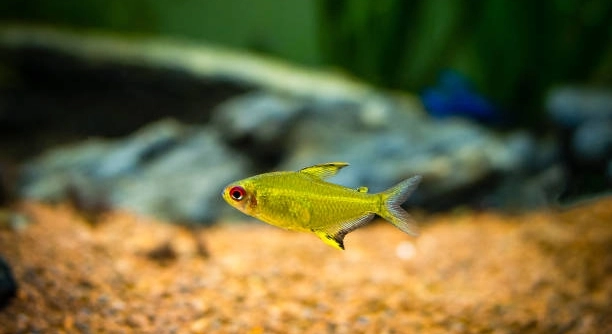
Is your lemon tetra swimming in circles constantly, making your aquarium feel restless? Observing this behavior can be surprising, especially when your fish usually swims calmly and interacts peacefully with other tank mates.
The primary reason lemon tetras circle nonstop is stress caused by environmental factors, such as poor water quality, improper tank size, or aggressive tank mates. Addressing these conditions helps reduce stress and promotes healthier, calmer swimming behavior.
Learning to recognize the subtle signs of discomfort can prevent bigger health issues. Adjusting your tank setup and monitoring behavior closely ensures your fish thrive over time.
Common Causes of Nonstop Circling
Many lemon tetras swim in circles when they are stressed or uncomfortable. Poor water conditions, like high ammonia or nitrate levels, can make them restless. Small tanks or overcrowded aquariums limit their swimming space, increasing anxiety. Sometimes, aggressive tank mates push them to constantly move. Changes in lighting or sudden vibrations near the tank can also trigger this behavior. Even minor shifts in temperature or pH can disturb them. Providing plenty of plants or hiding spots helps them feel safer. Feeding routines may also play a role; irregular or excessive feeding can upset their environment. Watching their behavior carefully over time can reveal patterns. Observing interactions between fish can help identify tension or dominance issues. Ensuring a calm, stable environment reduces stress and prevents constant circling. Regular water testing and tank maintenance are essential to keep them healthy and comfortable.
Stress from environmental changes or poor conditions is often the main reason for circling behavior.
Monitoring water quality, tank size, and fish interactions consistently allows you to reduce anxiety. Adding decorations and adjusting feeding routines also encourages calmer swimming. Regular observation helps catch problems early and maintain a stable environment.
Health Issues That Affect Swimming
Illnesses can cause lemon tetras to swim in circles or act abnormally.
Internal parasites, swim bladder problems, or infections may make swimming difficult. These conditions sometimes develop from poor water quality, unbalanced diets, or sudden temperature changes. Early detection is key. If you notice lethargy, discoloration, or rapid gill movement, it may signal a health issue. Treating the tank promptly, isolating affected fish, and following veterinarian advice improves recovery chances. Even mild infections can worsen if ignored. Maintaining a clean, stable environment and providing a proper diet strengthens immunity. Some tetras develop swim bladder problems that make normal swimming challenging. Observation is crucial to distinguish between stress-induced behavior and medical conditions. Consulting a fish health expert ensures accurate diagnosis and treatment.
Paying attention to water conditions, diet, and overall behavior is essential.
Health issues are often overlooked when fish circle the tank. Swim bladder disorders are common in tetras and can make maintaining position difficult, causing repetitive swimming. Parasites and infections may also produce unusual swimming patterns or erratic behavior. These problems sometimes appear gradually, making it tricky to notice early. Regular health checks, including visual inspection and behavior monitoring, allow for early intervention. Providing balanced nutrition and avoiding sudden environmental changes support recovery and reduce the chance of recurrence. Isolation tanks for sick fish prevent spreading illness, and proper medication improves outcomes. Keeping water temperature stable, filtering effectively, and performing routine water changes help prevent disease. Observing fish during feeding or interactions can reveal subtle signs of stress or illness. Acting quickly ensures lemon tetras remain active, healthy, and swim normally within their tank environment.
Tank Environment Adjustments
Small changes in the tank can greatly reduce circling behavior. Rearranging plants, adding hiding spots, or adjusting lighting creates a calmer environment. Consistent temperature and stable water parameters also help fish feel secure.
Providing adequate space is essential for lemon tetras. Crowded tanks increase stress, making them swim endlessly. Adding live plants or decorations gives them resting areas and reduces constant movement. Proper filtration and regular water changes maintain clean water, preventing stress-related behavior. Monitoring temperature and pH ensures they remain within safe ranges. Even small improvements, like dimming lights slightly or reducing noise near the tank, can make a noticeable difference. Observing your fish after each adjustment helps determine what works best for calming them.
Feeding habits also influence activity. Overfeeding or irregular feeding schedules can disturb the tank balance. Offering small, consistent meals encourages normal behavior. Watching how tetras respond to changes helps identify effective strategies. Providing floating or slow-sinking foods prevents stress during feeding. Keeping the environment predictable, including consistent lighting and gentle water flow, supports healthier swimming patterns. Ensuring all adjustments prioritize safety and comfort minimizes unnecessary stress and keeps fish calm.
Social Behavior and Interaction
Lemon tetras are schooling fish and feel safer in groups. Swimming in circles can indicate social stress or isolation.
When tank mates are aggressive or incompatible, tetras may exhibit repetitive swimming to avoid conflict. Observing group dynamics helps identify tension. Adding more tetras can reduce anxiety if they are underpopulated. Properly spacing fish and providing hiding spots reduces confrontations. Social hierarchy within the tank can affect behavior, so maintaining stable groups is important. Ensuring peaceful interactions supports natural swimming patterns and reduces stress.
Circling behavior often signals adjustment to social conditions. Introducing new fish gradually prevents sudden disruption in the school. Monitoring behavior after additions ensures the group remains balanced. Providing enough space for each fish reduces competition for territory. Offering plants, caves, or other structures gives fish options to retreat when stressed. Consistent feeding and minimizing sudden environmental changes strengthen social stability. Observing daily interactions helps spot problems before they escalate. Maintaining a calm, predictable environment encourages tetras to swim naturally. Over time, these practices help restore balance, reduce nonstop circling, and promote overall wellbeing.
Water Quality Maintenance
Regular water testing prevents stress-related swimming. Checking ammonia, nitrite, nitrate, and pH ensures the tank stays safe. Sudden fluctuations often trigger nonstop circling in lemon tetras.
Partial water changes and proper filtration maintain stable conditions. Clean water reduces the risk of disease and promotes calm behavior. Monitoring temperature and chemical levels consistently is essential.
Feeding Practices
Overfeeding can disturb the tank environment, causing tetras to swim continuously. Small, measured portions help maintain balance and prevent excess waste. Feeding at the same time each day establishes a routine. Observing how your fish respond during feeding provides insight into their comfort and health.
Temperature Stability
Maintaining a stable temperature keeps lemon tetras calm. Sudden shifts can stress them and trigger erratic swimming. Using a reliable heater and monitoring daily helps ensure consistency. Stable water temperature supports digestion, immune function, and overall activity levels, reducing stress-related behaviors in the tank.
Observation and Monitoring
Watching your tetras regularly helps detect early signs of stress or illness. Noticing changes in swimming patterns or interactions allows timely adjustments and care to maintain a healthy environment.
FAQ
Why is my lemon tetra circling the tank nonstop?
Lemon tetras often circle the tank due to stress from their environment. Factors like poor water quality, small tank size, sudden temperature changes, or aggressive tank mates can make them swim continuously. Adjusting these conditions usually reduces the behavior.
Can swim bladder issues cause circling?
Yes. Swim bladder problems can make it difficult for tetras to maintain balance. Fish may spin or swim in circles when their buoyancy is affected. Overfeeding, constipation, or infections are common causes. Providing a proper diet and treating underlying issues can help.
How many lemon tetras should be kept together?
Lemon tetras are schooling fish and feel safer in groups of at least six. Smaller groups may feel insecure, causing nervous, repetitive swimming. Larger groups encourage natural behavior, reducing stress and circling. Proper tank size is also important to accommodate their social needs.
Could water quality really affect swimming behavior?
Absolutely. High ammonia, nitrite, or nitrate levels can irritate fish, leading to frantic swimming. pH fluctuations and sudden temperature changes also contribute to stress. Regular water testing, partial water changes, and stable conditions are essential to keep lemon tetras calm.
Do tank decorations help reduce circling?
Yes, adding plants, rocks, or caves gives fish places to hide and rest. Hiding spots reduce stress from dominant tank mates and create a more natural environment. Rearranging decorations occasionally can also enrich the tank and encourage normal exploration.
Can diet influence circling behavior?
Feeding irregularly or giving too much food can disturb the tank’s balance and stress tetras. Small, consistent portions of high-quality food prevent digestive issues and reduce restless swimming. Observing how fish respond during feeding helps adjust their routine effectively.
How long does it take for tetras to calm down?
Once environmental or social issues are addressed, lemon tetras may take a few days to several weeks to calm down. Consistency in water quality, temperature, feeding, and tank arrangement accelerates the process. Regular observation ensures they gradually return to normal swimming patterns.
Is circling always a sign of illness?
Not always. Stress and social issues are more common causes than illness. However, if circling is accompanied by other signs like lethargy, loss of appetite, discoloration, or rapid gill movement, a health problem could be present. Early intervention improves recovery chances.
Should I isolate a circling tetra?
Isolation is only needed if illness is suspected. Otherwise, keeping them in their group helps maintain social stability. If the behavior is due to aggression from tank mates, rearranging the tank or adding more tetras is usually better than isolation.
How can I prevent nonstop circling in the future?
Maintaining stable water parameters, providing proper tank size, keeping an adequate school of tetras, and monitoring feeding routines all prevent stress. Regular observation and timely adjustments help maintain calm, natural swimming behavior. Proper planning reduces recurring circling behavior effectively.
Can lighting affect swimming patterns?
Bright or sudden lighting changes can stress tetras, causing repetitive swimming. Using consistent, moderate lighting and avoiding sudden exposure reduces anxiety. Providing shaded areas with plants or decorations also helps fish feel secure.
Do new tank mates affect circling behavior?
Yes, introducing aggressive or incompatible species can stress lemon tetras. New tank mates should be added gradually, ensuring enough space and hiding spots. Monitoring interactions helps prevent social stress, allowing fish to swim naturally.
Is nonstop circling dangerous for lemon tetras?
Persistent circling can increase stress, leading to weaker immunity and higher risk of illness. Addressing the causes promptly ensures long-term health. Calm, stable environments with proper social structure reduce stress-related risks.
How can I tell if circling is temporary or serious?
Temporary circling often resolves after minor environmental adjustments. Serious causes include illness or severe social stress. Observing other behaviors like feeding response, coloration, and energy levels helps determine whether intervention is required.
Can partial water changes really help?
Yes, regular partial water changes remove waste, stabilize water parameters, and reduce toxins. This improves overall tank health and decreases stress-related circling. Consistency in water maintenance is key to keeping lemon tetras calm and active.
How important is tank size?
Tank size matters significantly. Lemon tetras need space to swim freely. Small or overcrowded tanks cause stress, aggression, and repetitive swimming. A properly sized aquarium with sufficient hiding spots encourages healthy social behavior and reduces nonstop circling.
What should I do if behavior continues despite changes?
If circling persists after adjusting water quality, social structure, and feeding routines, consult a fish health expert. Persistent behavior may indicate underlying illness. Early diagnosis and treatment increase the chances of restoring normal swimming and overall well-being.
Taking care of lemon tetras involves paying attention to their environment, social needs, and overall health. These small fish are sensitive to changes in water quality, temperature, and tank size, and any sudden shift can trigger nonstop circling. Even small adjustments, like adding plants or hiding spots, can make a noticeable difference in their behavior. Maintaining a stable environment with consistent water parameters helps reduce stress and supports natural swimming patterns. Over time, keeping track of water chemistry, performing regular partial water changes, and monitoring temperature ensures that the tank remains safe and comfortable for the tetras.
Social structure is also a key factor in their well-being. Lemon tetras are schooling fish and rely on being part of a group to feel secure. Smaller groups or incompatible tank mates can increase anxiety, causing repetitive swimming or frantic behavior. Ensuring a proper school of at least six tetras helps them feel safer and encourages natural interactions. Observing their behavior during feeding and play can help detect any tension within the group, allowing adjustments before stress escalates. Rearranging the tank, adding decorations, or gradually introducing new tetras can help maintain balance in the group. Paying attention to how tetras respond to each change ensures that interventions are effective and that the fish feel secure in their space.
Health is another important consideration, as circling behavior can sometimes indicate underlying medical issues. Swim bladder problems, parasites, and infections may interfere with swimming and balance. Recognizing early signs, such as lethargy, loss of appetite, or unusual coloration, allows for timely treatment. Providing a balanced diet and avoiding overfeeding also supports digestive and immune health, reducing the likelihood of swimming irregularities. Even if the behavior is primarily stress-related, addressing water quality, social conditions, and nutrition can prevent potential illness. By creating a stable, calm, and enriched environment, observing fish daily, and responding quickly to changes in behavior, lemon tetras are more likely to swim naturally and thrive over the long term.

Hello,
If you enjoy the content that we create, please consider saying a "Thank You!" by leaving a tip.
Every little bit helps us continue crafting quality advice that supports the health, happiness, and well-being of pets around the world, for pets of all shapes, sizes, and species.
We really appreciate the kindness and support that you show us!