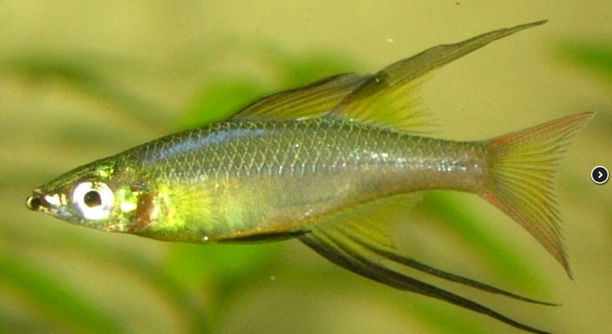
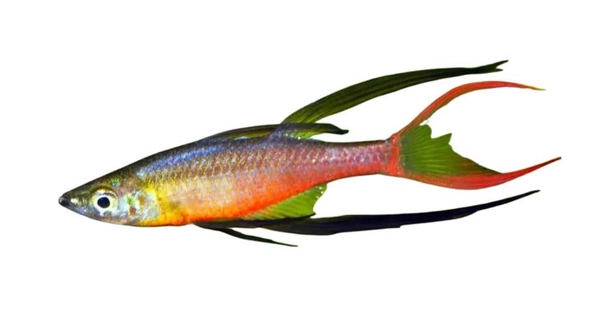
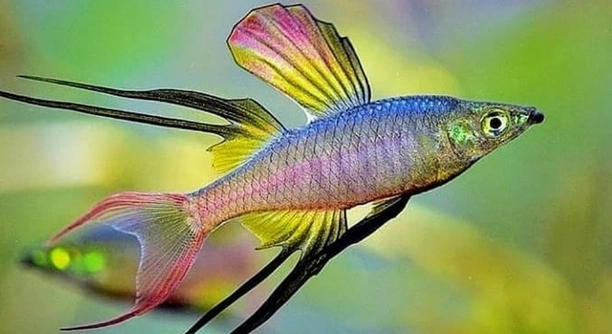
7 Reasons Threadfin Rainbowfish Stop Schooling
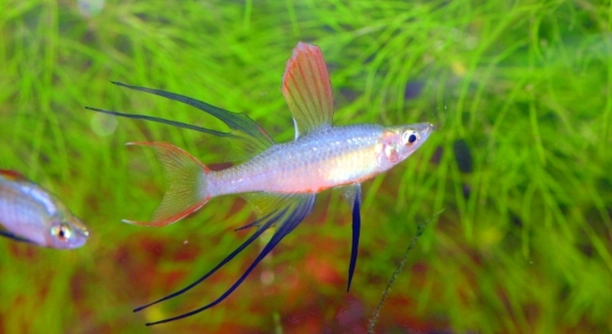
Have you ever noticed your Threadfin Rainbowfish swimming separately instead of together in a school? It can be surprising, especially when these fish are usually active and social. Understanding why they stop schooling helps in keeping them healthy. Threadfin Rainbowfish may stop schooling due to stress, illness, poor water quality, inappropriate tank size, lack of … Read more
7 Ways to Keep Threadfin Rainbowfish From Getting Bored

Keeping Threadfin Rainbowfish happy requires more than just clean water and proper food. These active fish need mental and physical stimulation to thrive in home aquariums. Boredom can affect their health, behavior, and overall well-being over time. Providing a stimulating environment involves adding varied plants, hiding spots, and open swimming areas. Rotating toys, changing tank … Read more

Can Threadfin Rainbowfish Be Shipped Safely? (Yes, Here’s How)

Threadfin Rainbowfish are vibrant and lively additions to any home aquarium. Many aquarists enjoy their shimmering colors, yet transporting them safely requires careful preparation to ensure their health and stress levels remain manageable. Yes, Threadfin Rainbowfish can be shipped safely when proper protocols are followed. Maintaining stable water conditions, using insulated packaging, and minimizing transport … Read more

Why Do Threadfin Rainbowfish Sometimes Swim Sideways?

Threadfin Rainbowfish are small, colorful fish often admired for their shimmering scales and lively movements. Observing them in home aquariums can be fascinating, especially when they display unusual behaviors that stand out from typical swimming patterns. Threadfin Rainbowfish sometimes swim sideways due to swim bladder issues, water quality imbalances, or minor injuries. The swim bladder … Read more

7 Tankmate Mistakes That Stress Threadfin Rainbowfish

Are your Threadfin Rainbowfish showing signs of stress despite careful care? Many aquarists face unexpected challenges when keeping these delicate fish healthy in community tanks. Even small tankmate mistakes can have significant impacts on their well-being. Threadfin Rainbowfish are particularly sensitive to incompatible tankmates, overcrowding, and aggressive behavior. Common mistakes include housing them with larger, … Read more

Why Threadfin Rainbowfish Hover Near the Surface

Threadfin Rainbowfish are small, vibrant fish that often catch attention in aquariums. Many aquarists notice they tend to stay near the water surface. This behavior is a natural part of their daily routine and habitat preference. Threadfin Rainbowfish hover near the surface primarily to access higher oxygen levels and feed on surface insects or floating … Read more

7 Subtle Clues Your Threadfin Feels Threatened

Do you ever notice your threadfin acting strangely, like swimming erratically or hiding more than usual, and wonder what it really means? A threadfin may show subtle signs of stress when it feels threatened, such as sudden darting, fin clamping, or unusual hiding. These behaviors are natural defense responses, signaling discomfort or insecurity within their … Read more

Do Threadfin Rainbowfish Like Dim Lighting at Night?

Threadfin Rainbowfish are popular freshwater aquarium fish, admired for their shimmering colors and active swimming. Many aquarium owners pay close attention to their care routines, including water quality, diet, and suitable lighting conditions for optimal health. Threadfin Rainbowfish generally prefer dim lighting at night, as this mimics their natural environment. Reduced light levels help minimize … Read more

7 Things That Stress Out Threadfin Rainbowfish Overnight

Threadfin rainbowfish are delicate freshwater fish that require a stable environment to thrive. Even minor changes in their surroundings can disrupt their routine and affect their overall health overnight. Observing their behavior helps prevent unnecessary stress. Several factors contribute to overnight stress in threadfin rainbowfish, including sudden temperature fluctuations, poor water quality, inappropriate lighting, overcrowding, … Read more