
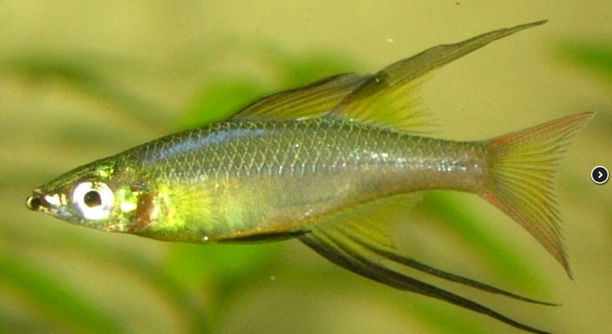
Do you ever notice your Threadfin Rainbowfish swimming mostly near the top or bottom of the tank while avoiding the middle? Many aquarists find this behavior puzzling, especially when their fish seem healthy and active.
Threadfin Rainbowfish avoid the middle of the tank primarily due to perceived vulnerability. The middle lacks cover and proximity to the tank’s surface or substrate, which provide safety cues. This behavior is a natural response to potential threats in open spaces.
Understanding these habits can improve tank design and fish care. Observing their preferred areas helps create a safer, more comfortable environment for your fish.
Tank Layout and Hiding Spots
Threadfin Rainbowfish prefer areas that provide both security and visibility. They often avoid open middle zones because these sections expose them to perceived threats from above and below. Incorporating plants, rocks, and driftwood near the top and bottom encourages natural swimming patterns. Positioning decorations strategically allows the fish to move freely while still feeling safe. This approach reduces stress and supports healthier behavior. Observing your fish can guide placement—if they consistently avoid certain areas, adding cover or rearranging tank features can help. Lighting also plays a role; brighter areas may feel more exposed. Moderate lighting combined with shaded regions enhances comfort. Substrate choice matters too, as darker or textured surfaces at the tank bottom can improve the sense of security. Over time, small adjustments can make the middle area more approachable. Careful attention to tank layout fosters natural activity while minimizing stress responses. Proper tank design is essential for promoting wellbeing.
Providing vertical structures near the tank center can gradually encourage exploration and reduce avoidance behaviors.
Adding tall plants or vertical rocks in the middle creates visual barriers, giving fish confidence to venture further. A mix of open and covered areas supports natural swimming habits and reduces persistent stress, allowing them to feel secure while exploring. Consistent observation helps identify problem zones, making small adjustments effective. Gradually introducing these elements can balance the tank, encouraging the fish to use the middle area while maintaining a safe environment. Over time, fish often adapt to the new layout, showing more diverse movement patterns and improved health indicators.
Schooling Behavior and Comfort Levels
Threadfin Rainbowfish are naturally social and rely on group dynamics for safety. They often cluster in upper and lower areas of the tank, leaving the middle less populated.
Being in a group provides reassurance, especially when open spaces feel risky. The presence of multiple fish creates a sense of security, reducing stress. In smaller tanks or sparse environments, this effect is amplified. Fish use social cues to navigate the tank, and a strong group presence can prevent panic or erratic swimming. Understanding these tendencies allows aquarists to create environments that mimic natural habitats. Placing cover elements where fish naturally gather supports this behavior. Tankmates’ activity influences movement patterns, so compatible species are important. Fish will gradually adjust their routes if new hiding spots or vertical structures are introduced. Observing interactions helps identify areas where fish feel insecure. Supporting schooling behavior with thoughtful design encourages natural exploration and balanced swimming patterns. It also reduces the risk of aggression or isolation, contributing to overall health and tank harmony. Proper monitoring and small environmental changes can improve comfort significantly.
Feeding Zones and Activity Patterns
Threadfin Rainbowfish often feed near the top and bottom, avoiding the middle where they feel exposed. Their natural instinct pushes them toward areas with cover or along the tank edges, making feeding behavior closely tied to comfort and perceived safety.
Feeding habits are influenced by both safety and accessibility. Floating or sinking foods placed near plants, rocks, or the substrate encourage natural foraging while minimizing stress. Fish tend to dart quickly to open spaces if they feel threatened, so limiting exposure during feeding reduces panic. Observing which areas fish frequent during meals can guide where to place decorations or additional hiding spots. Over time, adjusting feeding zones to match natural preferences improves both nutrition and behavior. Consistency is key—maintaining similar feeding locations reinforces comfort patterns.
Activity levels vary throughout the day, with bursts of movement often near secure zones. Threadfin Rainbowfish demonstrate increased swimming and playful interactions when they feel safe, avoiding central open areas unless confident. By arranging the tank to match these activity patterns, fish maintain a healthy balance of movement and rest. Monitoring their daily behavior helps identify stress points, allowing subtle environmental adjustments. Encouraging exploration without forcing exposure supports long-term wellbeing and a more dynamic tank environment.
Water Flow and Environmental Stress
Strong currents in the middle of the tank can make Threadfin Rainbowfish feel vulnerable, prompting them to stay near calmer zones.
Currents influence positioning because open, fast-moving water increases perceived risk. Fish prefer moderate flow near surfaces or bottom areas where plants and decorations buffer movement. Uneven water distribution can discourage exploration and create stress, reducing overall activity. Observing swimming patterns helps identify problem areas. Tank adjustments, such as redirecting filters or adding flow-reducing structures, allow fish to navigate comfortably. Gradual changes prevent sudden disruption of established swimming zones, ensuring the fish remain confident and stress-free. Proper flow management supports natural behavior and reduces avoidance of the tank center.
Water quality interacts with flow to affect behavior. Areas with stronger currents often have higher oxygen levels, but if fish feel exposed, they may ignore these zones. Maintaining consistent temperature, pH, and filtration throughout the tank helps balance comfort with environmental needs. Plants and decorations can break currents into gentler sections, making previously avoided middle areas accessible. By observing fish reactions to modified flow patterns, adjustments can be fine-tuned. Providing both calm and active zones caters to natural preferences, encourages healthy exercise, and reduces stress. Long-term attention to flow and environmental balance supports thriving Threadfin Rainbowfish and a more harmonious aquarium.
Lighting and Shade
Threadfin Rainbowfish tend to avoid bright, exposed areas in the middle of the tank. They feel safer near shaded regions created by plants or decorations, which offer protection from overhead light and perceived threats.
Adjusting lighting intensity and providing shaded zones can encourage more natural swimming patterns. Fish feel more confident exploring when they have safe, dimly lit areas. Even subtle changes in light direction or intensity influence comfort, making careful observation important.
Territorial Behavior
Territorial instincts can influence which areas fish occupy. Threadfin Rainbowfish may avoid the middle if other tankmates dominate nearby spaces or if open zones feel unclaimed and exposed. Proper spacing of decorations helps reduce tension and provides clear boundaries.
Temperature Preferences
Water temperature affects positioning. Threadfin Rainbowfish often stay in areas with stable, comfortable temperatures, typically near the top or bottom. Sudden temperature fluctuations in the middle can lead to avoidance.
FAQ
Why do Threadfin Rainbowfish avoid the middle even in large tanks?
Even in spacious tanks, the middle can feel exposed. Threadfin Rainbowfish rely on visual cues for safety, and open areas lack cover, making them vulnerable to perceived threats. Large tanks help with swimming space, but without plants, rocks, or vertical structures, the middle remains intimidating. Fish instinctively gravitate toward edges, surfaces, or bottom areas where they feel more secure.
Can adding more decorations encourage them to explore the middle?
Yes, adding plants, driftwood, or vertical rocks in central areas can create visual barriers and hiding spots. These structures break up open space, giving the fish a sense of protection. Gradual placement changes help fish adjust without causing stress. Over time, they may venture into previously avoided zones while maintaining a sense of security.
Does tank size affect their comfort with the middle?
Tank size influences movement but not necessarily comfort. Even in large tanks, the absence of cover in the middle leads to avoidance. Proper layout with varied heights, plants, and shaded areas matters more than total volume. Threadfin Rainbowfish prioritize safety cues over swimming space, so large open areas alone won’t encourage middle exploration.
How does water flow influence their position?
Strong currents in the middle can make the area feel risky. Fish often stay near calmer zones where flow is buffered by plants or decorations. Reducing excessive current or redirecting it with flow-reducing structures makes the middle more approachable. Observing swimming behavior helps identify areas where water movement causes discomfort.
Does lighting play a role in their avoidance?
Yes, bright, exposed areas make the middle feel unsafe. Threadfin Rainbowfish prefer dim or shaded regions created by floating plants, tall decorations, or strategic tank placement. Adjusting light intensity and direction can encourage confident exploration while minimizing stress. Shaded zones act as visual security markers.
Do tankmates affect their behavior?
Other fish can influence positioning. Dominant or aggressive species occupying central areas may push Threadfin Rainbowfish toward edges. Even neutral tankmates can make open spaces feel unsafe if there’s little cover. Observing social interactions and providing multiple safe zones reduces competition and encourages exploration.
Can temperature differences cause avoidance?
Yes, Threadfin Rainbowfish favor stable, comfortable temperatures. Areas with stronger heat or cooler currents, often in the middle, can be avoided. Maintaining consistent temperature across the tank, especially in central zones, ensures fish feel secure while swimming.
Is this behavior normal for all Threadfin Rainbowfish?
While individual variation exists, most exhibit avoidance of open middle spaces. This instinct reflects natural survival strategies, emphasizing cover and edge swimming. Observing behavior in your tank helps confirm if it’s typical or if environmental adjustments are needed.
How can I encourage more balanced swimming patterns?
Create shaded and vertical structures in the middle, maintain gentle water flow, and ensure temperature stability. Observe interactions with tankmates and adjust feeding zones accordingly. Gradual environmental changes help fish feel safe exploring central areas without forcing exposure.
Does stress affect middle avoidance?
Stress increases reluctance to enter open zones. Overcrowding, poor water quality, or sudden changes amplify this behavior. Ensuring a stable environment, adequate cover, and compatible tankmates reduces stress and encourages more natural swimming patterns.
Are there any signs they are adapting to the middle?
Increased time spent in central areas, exploratory swimming, and calmer interactions with tankmates indicate adaptation. Gradual improvement shows that environmental adjustments are effective and that the fish feel more secure in previously avoided zones.
How long does it take for them to explore the middle?
Adaptation varies, often taking days to weeks. Fish adjust at their own pace, and small incremental changes in decorations, flow, or lighting accelerate the process. Patience and observation are key to ensuring comfort and safety.
Can feeding influence middle exploration?
Yes, placing food near shaded or covered areas in the middle encourages fish to venture cautiously. Using a mix of floating and sinking foods helps them associate safe zones with positive experiences, gradually reducing avoidance behavior.
What is the safest approach to modify their tank environment?
Make gradual changes, such as adding plants or driftwood, adjusting lighting, and modifying water flow. Observe reactions carefully, and avoid sudden shifts that could increase stress. Incremental improvements foster confidence, allowing fish to explore middle areas naturally and safely.
Does schooling behavior help with middle exploration?
Threadfin Rainbowfish rely on social cues. When the group feels confident, individuals are more likely to explore open spaces. Encouraging safe group dynamics with proper spacing and compatible tankmates increases overall comfort and promotes more balanced swimming patterns.
Are there specific plants or decorations that work best?
Tall plants, vertical rocks, and driftwood provide visual cover and break open space. Floating plants also create shaded zones. Items that mimic natural habitats encourage natural instincts, making fish feel more secure while exploring previously avoided areas.
How important is observation in managing their behavior?
Observation is crucial. Watching swimming patterns, interactions, and feeding habits helps identify stress points and preferred zones. Subtle behavioral cues guide adjustments in layout, lighting, flow, and tankmates to encourage safe middle exploration. Consistent monitoring ensures long-term comfort and wellbeing.
Can these strategies work for other similar fish?
Yes, many small, schooling species respond similarly to cover, flow, and lighting adjustments. Understanding natural instincts and prioritizing security zones can improve comfort, activity levels, and overall tank health across species with comparable behaviors.
What if they never fully use the middle?
Complete avoidance is not unusual. As long as fish are healthy, feeding, and active, partial use of the tank is acceptable. Focus on providing secure zones and observing behavior rather than forcing middle exploration, respecting natural instincts.
How does age affect their behavior?
Younger fish may be more cautious, while older, more confident individuals may explore more freely. Age, experience, and group dynamics all influence comfort levels, so behavioral expectations should be adjusted accordingly.
Is partial middle avoidance harmful?
No, avoiding the middle is a natural survival behavior. Stress, health, and nutrition are more important indicators than zone preference. Ensuring safe, well-maintained areas allows the fish to thrive despite their natural avoidance tendencies.
Can this behavior indicate illness?
Typically, middle avoidance alone does not indicate illness. However, lethargy, loss of appetite, or unusual swimming patterns combined with avoidance could signal a problem. Monitoring overall health is essential to distinguish natural behavior from medical concerns.
How can I combine all strategies effectively?
Adjust lighting, water flow, temperature, decorations, and feeding locations gradually. Observe schooling behavior, stress levels, and activity patterns. Incremental, careful changes create a balanced tank where Threadfin Rainbowfish feel safe, promoting healthier swimming habits and more confident exploration of all areas.
Do these strategies require constant adjustment?
Once the tank environment is balanced, maintenance focuses on stability—consistent water quality, temperature, and compatible tankmates. Observation should continue, but frequent adjustments are rarely necessary if foundational elements are correctly implemented.
What is the ultimate goal of these strategies?
The goal is to provide a safe, comfortable habitat that respects natural instincts while encouraging balanced activity. Supporting confidence in all tank areas promotes wellbeing, reduces stress, and fosters natural, healthy behavior over time.
How do I know if my adjustments are successful?
Signs of success include more frequent middle-area exploration, calmer swimming, regular feeding, positive social interactions, and reduced stress behaviors. Gradual improvement indicates that the fish are adapting to environmental changes and feel secure throughout the tank.
Final Thoughts
Threadfin Rainbowfish are naturally cautious fish that rely heavily on instinct to feel safe in their environment. Their avoidance of the middle of the tank is a common behavior that reflects a natural need for security. In the wild, open water exposes fish to predators, so even in a home aquarium, this instinct remains. They prefer areas that offer cover, such as plants, driftwood, rocks, or shaded zones, and their positioning often corresponds with the presence of these features. Understanding this behavior helps aquarists create a more comfortable and secure habitat. Observing where your fish spend most of their time gives insight into their preferences and allows you to make small, practical adjustments that improve overall wellbeing.
Adjustments in tank layout, lighting, water flow, and temperature can make a meaningful difference in how Threadfin Rainbowfish explore their environment. Vertical decorations, floating plants, and strategically placed rocks provide visual barriers and shelter, encouraging them to venture into previously avoided zones without forcing exposure. Controlling water flow and providing gentle currents reduces stress in open areas, while consistent lighting and stable temperatures create a sense of predictability. Feeding zones can also influence movement patterns; placing food near safer areas allows fish to associate the middle with positive experiences. Over time, these subtle changes help your fish feel more confident and balanced in their swimming habits, while still respecting their natural instincts.
Maintaining a well-designed tank involves ongoing observation and small adjustments rather than drastic changes. Not all Threadfin Rainbowfish will fully use the middle of the tank, and this is normal. What matters most is that the fish remain healthy, active, and stress-free. Supporting their natural behavior, rather than forcing them into open spaces, results in a happier and more dynamic aquarium. By providing a combination of secure zones, gentle water flow, stable conditions, and suitable decorations, you can foster an environment that meets both their instinctual needs and their physical requirements. Over time, this thoughtful approach enhances not only the fish’s wellbeing but also the overall harmony and aesthetic of your aquarium, creating a balanced, peaceful aquatic space.

Hello,
If you enjoy the content that we create, please consider saying a "Thank You!" by leaving a tip.
Every little bit helps us continue crafting quality advice that supports the health, happiness, and well-being of pets around the world, for pets of all shapes, sizes, and species.
We really appreciate the kindness and support that you show us!