
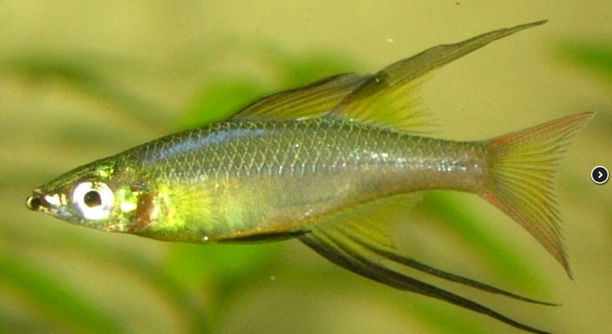
Threadfin Rainbowfish are small, colorful fish often admired for their shimmering scales and lively movements. Observing them in home aquariums can be fascinating, especially when they display unusual behaviors that stand out from typical swimming patterns.
Threadfin Rainbowfish sometimes swim sideways due to swim bladder issues, water quality imbalances, or minor injuries. The swim bladder helps regulate buoyancy, and any disruption can cause abnormal orientation. Maintaining proper care and monitoring health reduces the likelihood of this behavior.
Understanding why these fish swim oddly can improve care routines and ensure they remain healthy, active, and visually vibrant in any aquarium environment.
Understanding Swim Bladder Issues
Swim bladder problems are one of the main reasons Threadfin Rainbowfish swim sideways. The swim bladder is a small organ that helps fish control their buoyancy. When it is affected, fish may float awkwardly, tilt, or struggle to maintain a normal position. Overfeeding can cause the swim bladder to compress or malfunction. Uneaten food or sudden diet changes may also trigger issues. Temperature fluctuations in the tank can impact digestion and the bladder, leading to abnormal swimming. Even minor infections can inflame the swim bladder, affecting its function. Keeping the aquarium clean and providing a consistent diet helps prevent these problems. Observing fish behavior daily allows early detection of unusual swimming, making treatment easier. Mild cases may resolve naturally with rest and careful feeding adjustments, while persistent issues might need specific interventions. Proper care ensures that the fish regain stability and enjoy normal, smooth movement again.
Regular observation and gentle care can prevent minor swim bladder issues from becoming severe, keeping your fish active and healthy.
Treatment often includes fasting the fish for a day or two, adjusting water temperature slightly, and feeding easily digestible foods like peas or specialized pellets. These steps reduce stress on the swim bladder. If symptoms continue, consulting an experienced aquarist or veterinarian is recommended. Small infections or injuries may require medication. Ensuring stable water conditions and avoiding sudden changes prevents recurring problems. Tank layout can also influence swimming; providing gentle currents and open space supports better movement.
Maintaining Water Quality
Water quality has a direct impact on Threadfin Rainbowfish behavior. Poor water conditions stress fish and may lead to sideways swimming. Frequent water changes, monitoring pH, and keeping ammonia and nitrite levels low are essential.
Stable water parameters prevent health problems that affect buoyancy and overall activity. Regular testing helps detect imbalances before they cause serious issues. Avoid overcrowding and ensure proper filtration. Fish respond quickly to clean, well-maintained water, and consistent conditions support normal behavior. Removing waste promptly and avoiding sudden chemical changes reduces stress. Temperature stability also matters, as sharp drops or spikes can impact organ function and digestion. Providing a calm, consistent environment helps Threadfin Rainbowfish swim naturally and maintain vibrant coloration. Investing time in water maintenance pays off in healthier, more active fish. Observing fish after water changes can indicate if adjustments are needed, ensuring that they remain comfortable and oriented. Regular care fosters a stable tank ecosystem, reducing abnormal behaviors like sideways swimming and supporting long-term health. Clean water combined with proper diet promotes natural movement patterns, making these fish more enjoyable to watch and easier to care for.
Diet and Feeding Habits
Overfeeding Threadfin Rainbowfish can cause digestive problems that affect their swimming. Uneaten food can pollute the tank, and sudden diet changes may disrupt their system, leading to sideways swimming or tilting in the water.
Providing small, consistent meals helps prevent digestive stress. Foods that are too rich or hard to digest may lead to bloating, impacting the swim bladder. Feeding high-quality flakes, pellets, or occasional frozen foods in moderation supports normal digestion and buoyancy. Observing how fish eat can reveal if adjustments are needed. If bloating occurs, fasting for a day or feeding easily digestible foods like shelled peas can relieve pressure. Maintaining a balanced diet reduces the risk of abnormal swimming and promotes overall vitality in Threadfin Rainbowfish.
Occasionally, supplements like vitamins or algae-based foods can improve digestion and support swim bladder health. Avoid sudden changes in diet, as Threadfin Rainbowfish are sensitive to abrupt shifts. Rotating food types gradually ensures that their digestive system adapts without stress. Monitoring tank behavior after feeding helps identify issues early, allowing adjustments before more serious problems develop. Maintaining this careful feeding routine ensures that fish stay active, healthy, and oriented correctly.
Tank Environment
A properly arranged tank allows Threadfin Rainbowfish to swim comfortably. Avoid overcrowding, provide open swimming space, and ensure gentle water currents. Decorations should not obstruct movement or create stress.
Temperature, lighting, and water flow all affect fish activity. Sharp fluctuations in temperature or strong currents can disorient fish and worsen swim bladder issues. Plants and hiding spots give security without restricting swimming. Regular cleaning and monitoring water parameters ensure stable conditions. Using a reliable filter and maintaining consistent water chemistry prevents stress-related behaviors. Properly designed tanks support natural swimming patterns, reducing the risk of sideways swimming while keeping fish active and visually healthy. Observing fish daily helps catch problems before they escalate.
Minor Injuries
Threadfin Rainbowfish can swim sideways if they have small injuries. Scrapes from decorations or rough handling may temporarily affect balance.
Even minor wounds can stress the fish, making them swim awkwardly. Providing a safe environment and careful handling supports faster recovery and reduces abnormal swimming.
Stress Factors
Stress from sudden changes, aggressive tank mates, or loud noises can cause sideways swimming. Fish under stress may appear lethargic or swim erratically. Observing behavior and minimizing disturbances helps maintain a calm environment. Stress management is essential for overall health and normal swimming patterns in Threadfin Rainbowfish.
Observation Tips
Keep a close eye on swimming patterns after feeding, water changes, or tank adjustments. Early observation allows timely intervention.
When to Seek Help
Persistent sideways swimming may indicate serious health issues. Consulting an experienced aquarist or veterinarian ensures proper diagnosis and treatment.
FAQ
Why is my Threadfin Rainbowfish swimming sideways even though the water looks fine?
Even if water parameters appear normal, small fluctuations in temperature, pH, or ammonia levels can affect buoyancy. Stress, minor infections, or digestive issues may also cause sideways swimming. Daily observation and consistent care are key to identifying underlying problems.
Can overfeeding cause sideways swimming?
Yes. Overfeeding can lead to bloating, constipation, or swim bladder pressure. Uneaten food can pollute the water, adding stress. Feeding small, consistent portions and monitoring digestion reduces the risk of abnormal swimming. Occasionally fasting or feeding peas can relieve mild digestive issues.
How do I treat swim bladder problems at home?
Fasting the fish for 24–48 hours, adjusting water temperature slightly, and offering easily digestible foods like shelled peas can help. Maintaining clean water and stable conditions supports recovery. If symptoms persist, consult an experienced aquarist or veterinarian.
Can tank mates cause sideways swimming?
Aggressive or overly active tank mates may stress Threadfin Rainbowfish, leading to erratic swimming. Ensuring a peaceful community, providing hiding spots, and avoiding overcrowding minimizes stress and encourages normal swimming behavior.
Do decorations or tank layout affect swimming?
Yes. Sharp objects or cramped spaces can injure fish or restrict movement. Providing open swimming areas with smooth decorations helps maintain proper orientation and prevents injury-related sideways swimming.
Are certain foods better for preventing swim bladder issues?
High-quality flakes, pellets, and occasional frozen foods are easier to digest and support swim bladder health. Avoid sudden diet changes and overly rich or hard-to-digest foods. Gradual introduction of new foods prevents digestive stress and abnormal swimming.
How long does it take for fish to recover from minor injuries?
Minor injuries usually heal within a few days to a week if the tank is clean and stress is minimized. Observe swimming patterns and behavior during recovery. Isolation in a separate tank may help if aggression from tank mates is a factor.
Does temperature affect sideways swimming?
Yes. Sudden drops or spikes in water temperature can impact digestion and swim bladder function, causing tilting or sideways movement. Keeping water at a stable, appropriate temperature ensures proper organ function and normal swimming.
What signs indicate a serious health problem?
Persistent sideways swimming, loss of appetite, lethargy, or abnormal breathing may indicate severe swim bladder issues, infections, or organ problems. Professional advice is recommended if these symptoms continue despite proper care.
Can stress alone cause long-term swimming issues?
Prolonged stress can weaken the immune system and affect organ function, including the swim bladder. Reducing noise, maintaining stable water conditions, and avoiding aggressive tank mates help prevent stress-related problems and support long-term swimming health.
How often should I check water parameters?
Daily observation of behavior combined with weekly checks of pH, ammonia, nitrite, nitrate, and temperature helps catch imbalances early. Prompt intervention prevents conditions that could cause sideways swimming.
Are there supplements to support swim bladder health?
Occasional vitamin or algae-based supplements can improve digestion and organ function. Use them sparingly and follow package instructions. Supplements work best when combined with a consistent diet and proper tank care.
When is it necessary to quarantine a fish?
If sideways swimming is accompanied by visible injuries, infections, or aggressive tank mates, isolating the fish in a quarantine tank helps prevent further harm and allows focused treatment.
Can sideways swimming happen in young fish?
Yes. Juvenile Threadfin Rainbowfish may occasionally swim sideways due to incomplete development, stress, or minor digestive issues. Most recover as they grow, especially under stable, well-maintained conditions.
How can I prevent future episodes of sideways swimming?
Maintain clean water, stable temperature, consistent feeding, and a safe tank layout. Observe fish behavior daily and address minor issues early. Reducing stress and avoiding sudden changes is key to preventing recurring sideways swimming.
Is medication always required for sideways swimming?
Not always. Minor swim bladder issues, digestive problems, or stress may resolve with diet adjustments, water maintenance, and rest. Medication is only needed if symptoms persist or infection is suspected.
Can multiple causes affect swimming at once?
Yes. Swim bladder issues, stress, diet, minor injuries, and water quality can all interact. Identifying and addressing each factor improves recovery and supports normal swimming behavior.
How important is observation in preventing sideways swimming?
Daily observation helps detect changes early, allowing quick interventions. Noticing unusual swimming, appetite, or interactions with tank mates prevents small problems from escalating into long-term health issues.
Do sideways swimming fish recover fully?
Most Threadfin Rainbowfish recover fully if underlying causes are addressed promptly. Proper diet, clean water, safe tank layout, and reduced stress promote a return to normal swimming patterns.
How do I know if swimming behavior is normal?
Normal behavior includes smooth, coordinated movement, even buoyancy, and routine interaction with the environment. Sudden tilting, frequent sideways movement, or floating at the surface indicates potential health issues needing attention.
Are there long-term effects from repeated episodes?
Repeated episodes may stress the fish and weaken organ function over time. Consistent care, monitoring, and preventive measures reduce long-term risk and support overall health and activity.
Can I prevent swim bladder issues through diet alone?
Diet is important, but water quality, tank layout, and stress management are equally essential. A balanced approach ensures healthy digestion, proper buoyancy, and normal swimming behavior for Threadfin Rainbowfish.
What is the role of fasting in recovery?
Fasting allows the digestive system to reset, reducing pressure on the swim bladder. A short period of fasting followed by easily digestible foods often helps resolve minor swimming issues.
How do I introduce new foods safely?
Gradually add new foods in small portions while monitoring behavior. Sudden changes can disrupt digestion and buoyancy, so slow introduction ensures adaptation without stress or abnormal swimming.
Can sideways swimming indicate aging issues?
Older fish may develop swim bladder or organ problems naturally, leading to occasional sideways swimming. Maintaining stable conditions, proper diet, and gentle care supports their health and comfort as they age.
What should I do if symptoms persist after all adjustments?
Consult a qualified veterinarian or experienced aquarist. Persistent symptoms may indicate infection, organ issues, or severe swim bladder dysfunction requiring professional treatment for recovery.
How do I track progress during recovery?
Record feeding habits, water changes, swimming patterns, and behavior daily. Noting changes helps determine whether interventions are effective and when additional adjustments are needed to restore normal swimming.
Is it normal for a fish to recover slowly?
Yes. Recovery speed varies based on the cause, age, and health of the fish. Patience and consistent care often lead to full recovery over days or weeks.
Can sideways swimming be permanent?
Permanent sideways swimming is rare and usually results from severe or untreated swim bladder problems, major injuries, or chronic stress. Early intervention prevents long-term effects in most cases.
Are there environmental changes that trigger it suddenly?
Yes. Sudden temperature shifts, aggressive tank mates, or changes in water chemistry can trigger episodes. Keeping conditions stable reduces the likelihood of abrupt onset of sideways swimming.
Do all Threadfin Rainbowfish show the same symptoms?
No. Some may tilt occasionally, while others swim sideways continuously. Symptoms vary depending on the underlying cause, age, and individual resilience. Observing each fish individually helps tailor care effectively.
How can I combine preventive measures effectively?
Maintain clean water, stable temperature, proper diet, safe tank layout, and reduce stress. Regular observation and gradual adjustments create a supportive environment that minimizes the risk of sideways swimming.
Is it helpful to isolate fish proactively?
Isolation is useful if a fish shows signs of illness, injury, or aggression from tank mates. Quarantine prevents further complications and allows targeted care to support recovery.
What are the signs of improvement?
Improvement includes coordinated swimming, normal buoyancy, renewed appetite, and interaction with tank mates. Gradual return to normal behavior indicates that interventions are working.
Can sideways swimming be seasonal or temporary?
Yes. Minor episodes may occur due to short-term stress, feeding changes, or environmental adjustments. Temporary instances often resolve quickly with proper care.
How do I prevent recurrence after recovery?
Continue monitoring water quality, feeding routines, tank layout, and stress factors. Maintaining a stable and healthy environment reduces the chance of repeated sideways swimming in Threadfin Rainbowfish.
Are there behavioral signs before sideways swimming starts?
Slower movement, hesitation, or mild tilting may precede full sideways swimming. Early detection allows corrective measures before the behavior becomes persistent.
How can I adjust tank mates safely?
Separate aggressive fish or introduce peaceful species gradually. Ensure ample space and hiding spots to reduce competition and stress, supporting normal swimming for Threadfin Rainbowfish.
Can sideways swimming affect feeding behavior?
Yes. Fish may struggle to eat or show reduced appetite if buoyancy is affected. Adjusting diet and providing easy-to-access food supports proper feeding during recovery.
Do water changes help immediately?
Proper water changes improve quality and reduce stress, sometimes resulting in immediate improvement in swimming. Consistency is more important than frequency, avoiding sudden large changes.
Are there common mistakes that worsen swimming issues?
Overfeeding, sudden diet changes, aggressive tank mates, inconsistent temperature, and poor water quality can all worsen sideways swimming. Careful attention to these factors prevents escalation of problems.
How do I know if the tank itself is contributing?
Check for sharp objects, strong currents, overcrowding, or unstable conditions. Adjusting the tank environment often resolves or reduces abnormal swimming in Threadfin Rainbowfish.
Can lighting impact swim bladder function?
Lighting itself does not directly affect the swim bladder, but sudden changes or overly bright setups can stress fish, indirectly influencing swimming behavior. Consistent, moderate lighting supports comfort and natural activity.
Is sideways swimming painful for the fish?
Mild cases are usually not painful but can be stressful. Severe cases from injury or infection may cause discomfort. Monitoring behavior and providing proper care reduces stress and supports recovery.
Are there signs that indicate permanent damage?
Continuous sideways swimming, loss of appetite, poor growth, or chronic lethargy may indicate permanent organ or swim bladder damage. Professional advice is recommended in such cases.
Can breeding behavior affect swimming?
During breeding, males may display vigorous activity or quick directional changes, which can appear unusual. This is temporary and usually resolves after breeding activity ends.
How can I combine diet, environment, and observation effectively?
Feed balanced, easily digestible food, maintain stable water conditions, provide safe swimming space, and observe behavior daily. Coordinating all aspects creates a healthy, low-stress environment that minimizes sideways swimming episodes.
What is the most common reason for temporary episodes?
Stress, minor digestive issues, or sudden environmental changes are the most common triggers. Quick adjustments and careful observation usually restore normal swimming patterns without medical intervention.
How can I tell if swimming issues are improving or worsening?
Improvement shows coordinated movement, normal buoyancy, and regular feeding. Worsening includes persistent tilting, lack of appetite, or lethargy. Regular tracking helps assess recovery accurately.
Are there differences between young and adult fish in recovery?
Young fish may recover faster from minor digestive or stress-related issues. Adults may take longer, especially if swim bladder or organ problems are involved. Patience and consistent care ensure recovery for all ages.
Does water hardness affect swim bladder health?
Extreme water hardness can affect general health and digestion, indirectly influencing swim bladder function. Keeping parameters within recommended ranges supports proper buoyancy and reduces sideways swimming.
How long should I monitor after recovery?
Continue observing swimming patterns, feeding, and behavior for several weeks. This ensures the underlying cause is resolved and prevents recurrence.
Are sideways swimming episodes more common in home aquariums?
Yes, because tank conditions, diet, and stress levels are variable. Consistent care, stable environment, and proper feeding reduce frequency compared to less controlled conditions.
Can sideways swimming be mistaken for other behaviors?
Yes. Fish may tilt temporarily while inspecting the environment or during minor stress. Observing duration, frequency, and accompanying signs helps distinguish true health issues.
How do I maintain confidence in care without overreacting?
Track feeding, water quality, and behavior consistently. Small adjustments often resolve minor issues. Overreacting with abrupt changes can increase stress, so measured observation is more effective.
What is the role of patience in recovery?
Recovery can be gradual, especially for swim bladder or stress-related cases. Patience, careful observation, and consistent care often lead to full restoration of normal swimming behavior.
Can sideways swimming affect social interactions in the tank?
Yes. Fish may be less active or avoid interactions while recovering. Ensuring peaceful tank mates and adequate space helps maintain social balance.
Is occasional tilting normal?
Brief tilting may occur during feeding, turns, or inspection of the environment. Persistent or repeated episodes are indicators of underlying health or environmental issues needing attention.
Can sideways swimming be prevented entirely?
Complete prevention is unlikely, but careful diet management, stable water parameters, safe tank layout, and stress reduction minimize the risk and frequency of episodes.
Do all Threadfin Rainbowfish respond the same way to treatment?
Responses vary depending on age, health, and cause. Most recover with proper care, but some may need more time or professional intervention for complete restoration.
Are there long-term care practices to maintain proper swimming?
Consistent feeding, stable water quality, safe tank design, stress reduction, and daily observation form the foundation for long-term health and normal swimming behavior.
How do I balance diet and observation effectively?
Feed small, digestible portions, monitor appetite and swimming, and adjust gradually. Observing fish after feeding reveals whether diet changes improve swim bladder function.
What are the risks of ignoring sideways swimming?
Ignoring persistent swimming problems can lead to stress, organ damage, infections, and long-term health decline. Early intervention ensures better outcomes.
Can sideways swimming indicate multiple health issues at once?
Yes. Digestive problems, stress, injuries, and water quality issues can overlap. Addressing all potential factors is essential for recovery and preventing recurrence.
How can I make daily observation effective?
Set a routine for checking swimming patterns, feeding behavior, and tank conditions. Noting small changes early allows timely interventions and supports overall fish health.
Is there a difference between brief and continuous sideways swimming?
Brief episodes may be harmless or temporary stress responses. Continuous sideways swimming indicates more serious issues, requiring dietary, environmental, or medical interventions.
How does tank size influence swimming behavior?
Smaller tanks may restrict movement and increase stress, while larger, well-arranged tanks allow natural swimming and reduce episodes of sideways swimming. Proper space supports buoyancy and orientation.
What is the best approach if multiple fish show symptoms?
Assess water quality, diet, and tank environment first. Multiple affected fish often indicate systemic issues rather than individual health problems. Correcting the environment usually resolves the behavior for all fish.
Can sideways swimming resolve without intervention?
Minor temporary episodes may resolve spontaneously if stress or minor digestion issues subside. Careful observation ensures that serious underlying causes are not overlooked.
Are there specific foods that worsen swim bladder problems?
Foods that are hard to digest, overly rich, or fed in excess can contribute to bloating and swim bladder stress. Moderation and high-quality diet choices reduce risk.
Does stress from handling affect swim bladder health?
Yes. Rough or frequent handling can trigger stress, indirectly impacting buoyancy. Gentle care and minimal disturbance support normal swimming.
How do I distinguish swim bladder problems from infections?
Swim bladder issues often show tilting, floating, or sideways swimming without external symptoms. Infections may include redness, swelling, or visible lesions. Observation combined with water quality checks helps identify the cause.
Are there preventive treatments for recurring swim bladder issues?
Maintaining stable conditions, consistent diet, safe tank layout, and stress reduction are the most effective preventive measures. Occasional supplements can help but are secondary to basic care.
How long should I isolate a fish with ongoing swimming issues?
Isolation duration depends on severity. Minor cases may require a few days; serious or infectious cases may need weeks. Monitor closely and reintroduce only when recovery is evident.
Do environmental enrichments affect recovery?
Providing plants, hiding spots, and gentle currents encourages natural movement and reduces stress, supporting faster recovery from swim bladder or injury-related issues.
Can sideways swimming be an early warning for other illnesses?
Yes. Persistent or recurring episodes may precede more serious health problems. Monitoring behavior helps detect issues before they escalate.
What is the impact of tank cleaning on swimming behavior?
Regular cleaning improves water quality and reduces stress. Avoid abrupt or excessive cleaning that disrupts beneficial bacteria, as this can temporarily increase swimming irregularities.
How often should I review care routines?
Weekly reviews of feeding, water quality, and tank layout help ensure that all factors supporting healthy swimming are consistent and effective.
Are there signs that indicate full recovery?
Coordinated swimming, normal buoyancy, consistent appetite, and interaction with tank mates indicate successful recovery. Behavior should resemble pre-episode activity patterns.
Can sideways swimming affect growth or development?
Prolonged buoyancy issues or stress can impact growth, especially in young fish. Timely intervention supports normal development and long-term health.
Is it normal for recovered fish to have occasional relapses?
Mild relapses can occur due to minor stress or dietary changes. Continued care and observation prevent permanent issues and maintain healthy swimming behavior.
How can I ensure long-term prevention?
Maintain stable water parameters, consistent diet, safe tank layout, and minimize stress. Regular observation and early adjustments reduce the likelihood of future sideways swimming episodes.
Are there seasonal factors that affect swimming?
Changes in temperature or light cycles can cause temporary stress, occasionally leading to sideways swimming. Maintaining consistent conditions minimizes seasonal impacts.
Do tank location and external factors matter?
Placement near vibrations, drafts, or frequent movement can stress fish. Choosing a quiet, stable location supports normal swimming patterns.
Can sideways swimming affect reproduction?
Severe buoyancy or stress issues may reduce breeding activity. Addressing health and environmental factors supports normal reproductive behavior.
How can I safely introduce new fish without increasing risk?
Quarantine new fish and monitor water parameters. Gradual introduction prevents stress and reduces the likelihood of swim bladder or behavioral issues spreading to existing fish.
Are there signs that indicate permanent behavioral changes?
Continuous sideways swimming, chronic lethargy, or irregular feeding may suggest long-term effects. Early intervention usually prevents permanent damage.
Can sideways swimming be a sign of aging?
Older Threadfin Rainbowfish may occasionally tilt due to natural organ decline. Consistent care supports comfort and activity, even in aging fish.
What is the best approach to combine all preventive measures?
Feed balanced meals, maintain clean water,
Final Thoughts
Threadfin Rainbowfish are delicate and vibrant fish that can bring beauty and activity to any aquarium. Observing them swim gracefully is one of the most enjoyable aspects of keeping them. However, sideways swimming can be concerning and may indicate underlying issues. This behavior often stems from swim bladder problems, digestive difficulties, stress, minor injuries, or environmental factors. Recognizing the cause early is essential to helping the fish recover and maintain normal swimming patterns. Paying attention to daily behavior, feeding habits, and tank conditions allows for timely interventions that prevent minor problems from escalating. Consistent care, observation, and adjustments to diet or environment are the foundation of healthy fish management, ensuring that Threadfin Rainbowfish remain active and oriented correctly in their aquatic environment.
Proper diet and feeding routines play a significant role in preventing sideways swimming. Overfeeding or sudden changes in food type can cause digestive stress and bloating, which directly affects buoyancy. Feeding small, easily digestible meals and avoiding sudden diet shifts are effective measures to reduce swim bladder pressure and support healthy movement. Occasionally including vegetables like shelled peas can help relieve minor digestive issues. High-quality flakes or pellets designed for rainbowfish provide balanced nutrition and prevent overnutrition problems. Combining a stable feeding routine with regular observation of swimming behavior helps detect early signs of trouble. Adjustments made early, such as modifying diet or temporarily fasting the fish, can resolve many minor cases without requiring medical intervention. Feeding practices, therefore, are closely linked to overall health and directly influence how Threadfin Rainbowfish move and interact within their environment.
Equally important is maintaining a clean, stable, and safe tank environment. Water quality, temperature, and tank layout all influence the health and behavior of Threadfin Rainbowfish. Sudden changes in water chemistry, overcrowding, or strong currents can stress fish and contribute to sideways swimming. Providing open swimming areas, gentle currents, and secure hiding spots ensures that fish feel safe and can move naturally. Regular water testing and cleaning maintain optimal conditions that support organ function and reduce the likelihood of stress-related or injury-related swimming issues. Additionally, managing tank mates carefully and avoiding aggressive or overly active species reduces tension in the tank. By combining proper diet, careful observation, and a stable environment, you create the conditions necessary for your fish to thrive. Over time, consistent attention to these factors will help prevent recurrence of sideways swimming, ensuring that Threadfin Rainbowfish remain healthy, active, and visually vibrant, allowing their natural beauty and behavior to be fully enjoyed in your aquarium.

Hello,
If you enjoy the content that we create, please consider saying a "Thank You!" by leaving a tip.
Every little bit helps us continue crafting quality advice that supports the health, happiness, and well-being of pets around the world, for pets of all shapes, sizes, and species.
We really appreciate the kindness and support that you show us!