
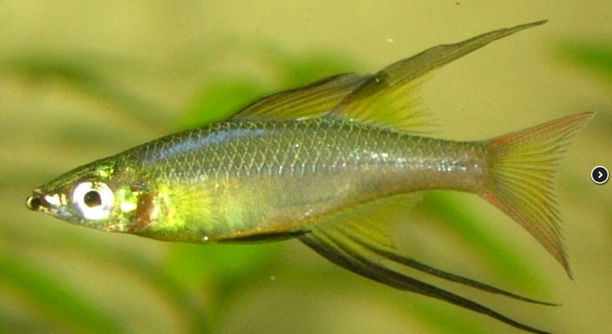
Do you ever notice your threadfin acting strangely, like swimming erratically or hiding more than usual, and wonder what it really means?
A threadfin may show subtle signs of stress when it feels threatened, such as sudden darting, fin clamping, or unusual hiding. These behaviors are natural defense responses, signaling discomfort or insecurity within their environment, and should not be overlooked.
Recognizing these behaviors will help you create a safer, calmer space where your threadfin can thrive with greater comfort and confidence.
Unusual Hiding Behavior
When a threadfin feels unsafe, it often hides behind plants, rocks, or decorations in its tank. While hiding occasionally is normal, repeated behavior signals stress. Constantly seeking cover can mean the fish perceives danger, either from tank mates, sudden movements, or changes in its environment. Over time, this behavior may affect feeding patterns, leading to skipped meals and weakening overall health. It is important to identify what triggers this stress and adjust the tank setup accordingly. Providing balanced lighting, safe hiding spots, and monitoring for aggressive fish can help your threadfin feel more secure and reduce unnecessary stress.
A threadfin that hides excessively is not just being shy. It is signaling discomfort and attempting to protect itself from perceived threats.
By recognizing when hiding becomes frequent and addressing the cause, you can help your threadfin feel safer in its space. Balanced conditions allow it to swim more freely and show natural behaviors.
Rapid Swimming and Darting
Sudden, rapid swimming is a clear signal that a threadfin feels unsettled. This darting often happens when the fish senses abrupt changes, like loud sounds, quick movements outside the tank, or aggressive tank mates. It is more than restlessness—it is a natural response to protect itself.
When darting happens repeatedly, it creates ongoing stress that can wear down your threadfin’s immune system. Stress hormones released in these moments affect both health and behavior. The fish may struggle to settle down, skip feedings, or avoid interaction. Over time, this weakens its overall resilience, leaving it more vulnerable to illness. To minimize this, create a calm environment with consistent lighting and minimal sudden disturbances. Be mindful of noise, placement of the tank, and the type of fish you introduce. With steady care, you will notice the darting decrease and your threadfin showing a steadier, healthier pattern of swimming.
Clamped Fins
Clamped fins are one of the clearest signs your threadfin feels uneasy. When the fins are held tightly against the body, it often shows discomfort, stress, or fear triggered by changes in the environment or nearby tank mates.
This behavior limits natural swimming and makes your threadfin look less active. When stressed, the fish conserves energy and avoids drawing attention. Water conditions also play a big role, as poor quality can intensify stress. Observing this sign early allows you to make changes, such as checking water quality, removing aggressive fish, or reducing disturbances around the tank.
Clamped fins that last for long periods should never be ignored. Stress that goes untreated can weaken the immune system and lead to health issues. By maintaining stable water parameters, creating safe hiding spaces, and ensuring a peaceful environment, your threadfin can return to its relaxed, graceful swimming posture with confidence.
Loss of Appetite
A threadfin refusing food is often stressed or fearful. Skipping meals regularly is not typical behavior and signals discomfort, which may stem from environmental problems, bullying from tank mates, or sudden shifts in water quality that affect overall well-being.
When appetite loss continues, it impacts long-term health and weakens the immune system. The fish uses less energy and becomes more vulnerable to disease. It is important to quickly identify possible causes. Check if other fish are competing for food, monitor for water changes, and reduce stress-inducing factors like loud noise or abrupt movements near the tank. A calm environment helps restore feeding.
Color Fading
When a threadfin feels threatened, its colors may fade noticeably. Bright shades become dull, often signaling stress or discomfort in its environment. This change is usually temporary but should be taken seriously as a sign of unease.
Persistent fading often comes from water issues, overcrowding, or tension with tank mates. Stress reduces natural vibrancy and affects the fish’s overall health. By maintaining stable water conditions and providing a calm, balanced environment, you can help restore your threadfin’s natural coloration and ensure it feels safe in its surroundings.
Erratic Swimming
Erratic swimming is a clear response to stress in threadfins. This behavior includes circling, sudden bursts, or bumping into objects. It is often triggered by poor water conditions, aggressive tank mates, or sudden environmental changes. Correcting these stressors helps restore normal swimming behavior and overall calmness.
Excessive Gill Movement
Rapid gill movement shows your threadfin is stressed or threatened. It often indicates poor water quality, high ammonia levels, or oxygen imbalance. Monitoring water parameters closely and ensuring proper filtration are essential to prevent ongoing stress and protect your fish’s long-term health.
FAQ
Why does my threadfin hide so often?
Your threadfin may hide frequently when it feels unsafe or threatened. This behavior is common when tank mates act aggressively, the environment changes suddenly, or the lighting is too harsh. While occasional hiding is natural, constant hiding signals stress. Adjusting the tank to include more plants, caves, and decorations can help your fish feel secure. You should also check water conditions, as poor quality can add to stress and encourage hiding. Over time, with a stable and calm environment, hiding should decrease, and your threadfin will swim more openly.
What does it mean if my threadfin darts around the tank?
Darting is a stress response often caused by sudden movements, noise, or aggressive fish. When your threadfin darts quickly from one end of the tank to the other, it is reacting to perceived danger. This behavior can happen when lights are switched on suddenly or when the tank is placed in a noisy area. If darting happens repeatedly, it may weaken the fish’s immune system and reduce appetite. Minimizing external disturbances and keeping tank mates peaceful can greatly reduce this behavior. A calmer environment usually restores normal, steady swimming patterns.
How can I tell if clamped fins are a sign of stress?
Clamped fins are when your threadfin holds its fins tightly against its body instead of spreading them naturally. This is often a sign of stress, poor water quality, or fear of other fish. If the fins stay clamped for long periods, it indicates ongoing discomfort. Regularly check ammonia, nitrite, and nitrate levels to rule out water quality issues. Creating safe hiding spots and reducing aggressive tank mates will help your threadfin feel secure. Once stressors are managed, fins usually return to their natural open position.
Why is my threadfin refusing to eat?
Loss of appetite can indicate stress, illness, or poor environmental conditions. Threadfins are sensitive, and when they feel unsafe, they may stop eating. Aggressive tank mates that outcompete them for food can also be a cause. It is important to observe feeding times and ensure your threadfin gets access to food without competition. Check for any sudden changes in water quality or temperature, as these greatly affect appetite. Once the environment is balanced and the fish feels safe, appetite generally returns, and normal feeding behavior resumes.
Can color fading in my threadfin be reversed?
Yes, color fading caused by stress is usually reversible once the root issue is solved. Stress often makes vibrant colors look dull, which can result from poor water quality, overcrowding, or sudden environmental changes. Once you stabilize water conditions and ensure a calm tank, the natural colors usually return. Offering a balanced diet and keeping the fish free from bullying also helps restore its bright appearance. However, if fading continues, it may indicate illness, so monitoring closely and addressing any other symptoms is important.
What does rapid gill movement mean in threadfins?
Excessive gill movement usually signals stress, poor water conditions, or low oxygen levels. If your threadfin is breathing heavily or moving its gills quickly, check oxygenation, temperature, and ammonia levels. Adding an air stone or adjusting the filter can improve oxygen flow in the tank. Poor water quality is one of the most common triggers, so testing regularly is key. If gill movement continues after improving conditions, it may indicate illness or parasites, which would require further treatment.
How can I reduce stress for my threadfin?
Reducing stress starts with maintaining stable water conditions, offering safe hiding spots, and avoiding aggressive tank mates. Keep lighting balanced and avoid sudden changes that can scare the fish. Feeding your threadfin properly and keeping the tank environment calm also lowers stress. Placement of the tank matters too—avoid putting it in loud or high-traffic areas. By paying attention to these details, your threadfin can feel secure, show natural behaviors, and live in better health.
When should I be concerned about stress signs?
Stress becomes a serious concern when signs persist over time or several symptoms appear together. For example, if your threadfin hides constantly, loses appetite, and shows color fading, it is experiencing ongoing stress that may harm health. Long-term stress weakens the immune system, making the fish vulnerable to illness. If conditions do not improve after adjusting water, diet, and tank setup, it may be necessary to look for illness or parasites. Acting early is always best, as stress that continues unchecked leads to greater problems.
Can multiple stress signs appear at once?
Yes, threadfins often display more than one stress signal at the same time. For instance, a fish may hide frequently, stop eating, and show clamped fins all together. This usually points to ongoing discomfort in the environment. Monitoring closely helps you catch these signals early. Addressing water quality, tank mates, and external stressors usually resolves multiple issues at once. If several signs persist, you should investigate further, as prolonged stress can have lasting effects on your fish’s health.
How important is water quality for threadfin health?
Water quality is one of the most critical factors for keeping your threadfin healthy and stress-free. Poor conditions cause many stress signs, including clamped fins, appetite loss, and rapid gill movement. Testing ammonia, nitrite, and nitrate levels regularly ensures a safe environment. Stable temperature and pH also matter greatly. Clean water supports immune health, keeps colors bright, and prevents long-term stress. Regular water changes, proper filtration, and careful monitoring are the foundation for a thriving threadfin. With stable water, most stress behaviors gradually disappear, leaving your fish more active and confident.
Final Thoughts
Caring for a threadfin requires close attention to the small details that often go unnoticed. These fish are delicate, and even minor changes in their surroundings can affect how they behave. Stress signs such as hiding, darting, clamped fins, or fading colors are not random behaviors. They are direct signals that your threadfin feels unsafe or uncomfortable. By recognizing these subtle clues, you can step in early and create a safer environment that helps your fish thrive. Keeping an eye on these patterns is not just about preventing problems, but about ensuring your threadfin lives in comfort every day.
One of the most important parts of keeping threadfins healthy is maintaining stability in the tank. Balanced water conditions, peaceful tank mates, and consistent care are the foundation of a calm environment. Simple adjustments like monitoring water quality, reducing sudden noises, and offering hiding spots make a noticeable difference. A stressed threadfin may refuse food or hide more than usual, but these issues often improve once the environment feels secure. When conditions are stable, your fish will display more natural swimming behaviors, brighter colors, and steady appetite. These changes show that your care has a direct impact on their well-being.
Looking after threadfins is not just about feeding them or keeping the water clean. It is about creating a safe, balanced space where they can show their natural beauty without fear. Recognizing stress signals early helps prevent long-term issues, as stress weakens their immune system and makes them more prone to illness. The small steps you take, like testing the water regularly, watching for subtle changes, and choosing calm tank mates, all contribute to a healthier life for your fish. With consistent care, your threadfin can thrive in its habitat, showing the grace and vibrancy that makes this species so special. By staying attentive and responsive to their needs, you give them the best chance to live stress-free and in good health.

Hello,
If you enjoy the content that we create, please consider saying a "Thank You!" by leaving a tip.
Every little bit helps us continue crafting quality advice that supports the health, happiness, and well-being of pets around the world, for pets of all shapes, sizes, and species.
We really appreciate the kindness and support that you show us!