
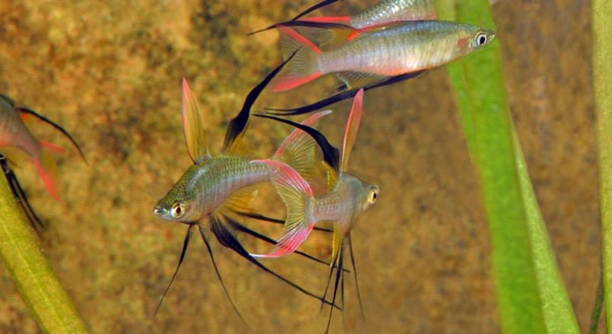
Keeping Threadfin Rainbowfish happy requires more than just clean water and proper food. These active fish need mental and physical stimulation to thrive in home aquariums. Boredom can affect their health, behavior, and overall well-being over time.
Providing a stimulating environment involves adding varied plants, hiding spots, and open swimming areas. Rotating toys, changing tank layout periodically, and offering live or frozen food can enhance activity levels. Structured enrichment prevents lethargy and promotes natural behaviors in these fish.
Maintaining their engagement ensures long-term health and more dynamic interactions within the aquarium community. Proper care enhances their natural beauty and daily activity.
Provide Plenty of Swimming Space
Threadfin Rainbowfish are active swimmers, so giving them ample room is essential. A crowded tank can cause stress and boredom, reducing their activity levels. Ideally, a long, wide tank with open swimming areas allows them to move freely. Adding plants along the edges creates natural lanes for exploration while keeping the center open. Rocks, driftwood, or decorative caves placed strategically can encourage movement and curiosity without restricting space. Observing how the fish interact with these elements helps identify which areas they prefer and which may need rearranging. Rotating decorations every few weeks can also prevent monotony, giving them new paths to explore. Proper water flow is another factor, as it simulates natural currents and promotes healthy swimming behavior. Maintaining stable water parameters, including temperature, pH, and filtration, supports their energy levels and encourages active exploration. Providing sufficient space and structure helps reduce stress, prevent aggression, and keeps these fish mentally engaged on a daily basis.
Giving them a spacious, well-planned tank encourages natural swimming and exploration. Simple adjustments can significantly improve activity and reduce boredom.
Regular observation allows small improvements in layout. Moving plants or rocks occasionally keeps their environment stimulating. These adjustments can lead to healthier, more active fish overall.
Introduce Variety in Diet
Feeding a variety of foods stimulates both body and mind. Different textures and flavors mimic natural feeding habits.
A balanced diet includes high-quality flakes, frozen or live foods, and occasional vegetables. Alternating these provides enrichment and encourages active foraging. Consistency in feeding times helps regulate their behavior while keeping meals engaging.
Rotating protein sources such as brine shrimp, daphnia, or bloodworms ensures they receive essential nutrients while staying interested in food. Supplementing with plant-based options like spinach, zucchini, or spirulina flakes adds fiber and promotes digestive health. Offering food in different ways, such as scattering, using feeding rings, or hiding it among plants, encourages natural hunting instincts. Observing which foods they prefer or how they interact with feeding methods provides insight into their preferences and activity levels. Avoid overfeeding, as this can lead to lethargy and poor water quality. Properly timed, varied, and stimulating feeding practices improve overall health, maintain bright coloration, and reduce boredom, creating a more dynamic aquarium experience for these colorful fish.
Rotate Tank Decorations
Changing decorations periodically keeps the environment interesting. Moving plants, rocks, or other ornaments prevents boredom and encourages exploration.
Rotating the tank layout gives Threadfin Rainbowfish new paths to swim and explore. Rearranging plants or hiding spots every few weeks simulates a fresh environment and promotes natural curiosity. Fish are naturally attracted to change, and subtle shifts in their surroundings can stimulate activity. By observing how they interact with new layouts, you can identify favorite spots and areas they tend to avoid. Even small adjustments, like changing the angle of driftwood or adding a new plant cluster, can make a noticeable difference. This approach not only keeps their environment engaging but also encourages exercise, reduces stress, and supports overall health. Consistently monitoring their behavior helps maintain a balanced and stimulating tank setup, ensuring the fish remain active and attentive throughout their day.
Movement and variation in decorations foster mental stimulation, giving fish new experiences without drastically altering their habitat.
Small changes like adding a new rock or adjusting plant placement provide interest and prevent the tank from becoming monotonous.
Encourage Social Interaction
Threadfin Rainbowfish thrive in groups, so keeping multiple individuals helps reduce boredom. A well-matched group promotes natural schooling behavior and social engagement.
Having a small school encourages dynamic movement and coordinated swimming patterns. Fish interact with one another, establishing territories, following each other, and responding to group behavior. Observing their interactions can help detect stress or compatibility issues. Maintaining a balance in group size and avoiding aggressive tankmates ensures a harmonious environment. Schools also provide safety cues and mental stimulation, as fish communicate through movement and position changes. Adding compatible species in a shared space can enrich the tank, provided they are peaceful and do not outcompete the Rainbowfish for food or space. Structured social setups reduce lethargy, encourage natural behavior, and contribute to overall well-being, making the aquarium more lively and interactive for all inhabitants.
Add Live Plants
Live plants create hiding spots and areas for exploration. They improve water quality and provide a natural, stimulating environment for Threadfin Rainbowfish.
Plants offer shade and shelter, allowing fish to express natural behaviors. Moving among foliage keeps them active and reduces stress.
Use Floating Toys or Objects
Floating toys or lightweight objects encourage interaction. Fish investigate, swim around, and sometimes push them, adding a playful element to their routine.
Introducing small, safe objects like ping-pong balls, floating leaves, or gentle plastic ornaments can create enrichment. These items should be non-toxic and smooth to avoid injury. Regularly changing or repositioning floating objects keeps them interesting, ensuring fish stay engaged. Observing their responses helps identify preferred items, which can be used more often. Floating elements also encourage exercise, as fish chase, nudge, or swim under them, simulating natural exploration. Combining toys with live plants or hiding spots enhances environmental complexity, keeping the tank dynamic and reducing inactivity. Consistent enrichment supports mental stimulation, healthy activity levels, and overall aquarium balance.
Maintain Proper Lighting
Consistent and appropriate lighting encourages activity and supports natural day-night cycles for Threadfin Rainbowfish.
FAQ
How often should I rearrange decorations in my tank?
Rearranging decorations every few weeks is ideal. Subtle changes keep Threadfin Rainbowfish curious and active without causing stress. Avoid drastic changes, which can confuse the fish or make them feel threatened. Observing their response helps guide the timing and extent of adjustments.
Can I keep a single Threadfin Rainbowfish alone?
It is not recommended. These fish are social and thrive in small groups. A single fish may become bored or stressed, reducing activity and overall health. Keeping at least five together encourages natural schooling behavior and improves engagement.
What types of food are best for variety?
High-quality flakes, frozen or live foods like brine shrimp, daphnia, and bloodworms are excellent options. Adding vegetables such as spinach or zucchini occasionally provides fiber and nutritional balance. Rotating food types keeps meals stimulating and supports mental and physical health.
Are floating toys safe for Rainbowfish?
Yes, as long as they are non-toxic and smooth to prevent injury. Floating toys encourage interaction, exploration, and exercise. Objects like lightweight balls, floating leaves, or gentle ornaments provide enrichment and can be rotated periodically to maintain interest.
Do live plants really help prevent boredom?
Absolutely. Live plants provide hiding spots, shade, and exploration areas. They mimic natural habitats, improve water quality, and promote movement. Fish enjoy swimming through foliage, which reduces stress and encourages natural behaviors while keeping them active.
How important is tank size for preventing boredom?
Tank size is critical. A spacious tank allows for free swimming, exploration, and social interaction. Crowded conditions limit movement, increase stress, and lead to boredom. Providing adequate open space with strategic decorations ensures a stimulating environment for healthy activity.
Can I mix Threadfin Rainbowfish with other species?
Yes, with compatible, peaceful species. Avoid aggressive or territorial fish that may stress Rainbowfish. Mixed-species tanks can enhance activity and provide enrichment, but careful selection is essential to maintain harmony and prevent competition for food or space.
How does lighting affect their behavior?
Consistent lighting supports natural day-night cycles. Too bright or inconsistent lighting can stress fish, while dim or irregular light may reduce activity. Proper lighting encourages exploration, feeding, and interaction with both tank mates and the environment.
Is feeding at random times better than a schedule?
Regular feeding schedules are more effective. Consistency helps regulate behavior and activity, making the fish more engaged during feeding times. Occasional variation in food type or presentation keeps meals interesting without disrupting daily routines.
How do I know if my fish are bored?
Signs include reduced activity, hiding excessively, loss of color, or repetitive swimming patterns. Active, curious, and interactive behavior indicates engagement. Observing these patterns helps you adjust tank layout, enrichment, or social setup to maintain mental stimulation.
Can rearranging plants alone be enough to keep them engaged?
Rearranging plants contributes significantly, but combining this with varied diet, floating objects, social interaction, and proper lighting ensures a well-rounded, stimulating environment. Multiple enrichment strategies work together to maintain active, healthy Rainbowfish.
How often should I provide enrichment activities?
Daily enrichment is ideal. Small changes like moving plants, adding a new floating toy, or varying feeding methods help maintain engagement. Regular observation allows you to fine-tune activities according to the fish’s responses, ensuring sustained stimulation.
Are there risks to over-stimulating my fish?
Yes, excessive or sudden changes can cause stress. Introduce new objects or rearrangements gradually. Balancing enrichment with a stable environment ensures mental stimulation without negatively affecting their health or behavior.
Do Threadfin Rainbowfish enjoy current or water flow changes?
Moderate water flow can simulate natural conditions and encourage swimming. Sudden or strong currents may overwhelm fish, so gradual adjustments are best. Flow variation combined with tank features enhances activity while maintaining safety.
How long does it take to see results from enrichment?
Results can be noticeable within days, as fish explore new layouts, interact with toys, and show increased activity. Long-term consistency reinforces natural behaviors, reduces boredom, and supports overall health and coloration.
What is the easiest way to start enriching my tank?
Begin with rearranging plants, adding a few floating objects, and offering varied food. Gradually introduce new elements while observing behavior. Combining these methods over time creates a consistently stimulating environment for your Rainbowfish.
Can I use artificial plants instead of live ones?
Yes, artificial plants can provide structure and hiding spots, though they lack water-cleaning benefits. Ensure they are soft and non-toxic. Combining artificial and live plants can create variety and reduce boredom effectively.
How do I maintain enrichment long-term?
Rotate toys, rearrange decorations periodically, vary diet, and ensure social interaction. Monitor behavior to assess effectiveness. Long-term enrichment requires balance, gradual changes, and consistent observation to keep fish active, healthy, and engaged in their environment.
Final Thoughts
Keeping Threadfin Rainbowfish engaged and active is essential for their overall health and well-being. These fish are naturally curious and energetic, and a lack of stimulation can lead to stress, reduced activity, and even illness. Providing a well-balanced environment with ample swimming space, varied decorations, and live plants can make a significant difference in their daily behavior. Observing how the fish respond to changes in their tank allows for small, effective adjustments that encourage exploration and natural movement. Simple steps like rearranging rocks, adding new plants, or introducing floating objects can provide consistent mental stimulation, helping prevent boredom. Consistency and attention to their needs create a healthier, more dynamic aquarium that supports both physical activity and mental engagement.
Diet plays a crucial role in keeping Threadfin Rainbowfish interested and healthy. A varied diet that includes high-quality flakes, frozen or live foods, and occasional vegetables not only provides necessary nutrients but also encourages foraging behaviors. Feeding methods such as scattering food, using feeding rings, or hiding small portions among plants can simulate natural hunting instincts and add another layer of enrichment. Rotating food types regularly keeps mealtimes stimulating and helps maintain the fish’s interest in eating. Proper nutrition combined with environmental enrichment ensures that the Rainbowfish remain vibrant, active, and engaged. Monitoring their behavior and adjusting feeding strategies as needed supports long-term health and allows for more interactive and lively tank dynamics.
Social interaction is another key factor in maintaining active and happy Threadfin Rainbowfish. These fish thrive in groups, where they can display schooling behavior, establish social hierarchies, and interact with one another naturally. Keeping an appropriate number of fish together promotes movement, reduces stress, and provides mental stimulation. Introducing compatible species carefully can also enhance activity levels and create a more varied and interesting environment. Alongside social interaction, maintaining proper lighting, water flow, and temperature contributes to an overall supportive habitat. By combining space, diet, enrichment, and social dynamics, fishkeepers can create an environment that meets the physical and mental needs of their Rainbowfish, promoting longevity, vibrant colors, and consistent engagement. Observing daily behavior and making gradual, thoughtful adjustments ensures that these fish live a full, active, and healthy life in a home aquarium.

Hello,
If you enjoy the content that we create, please consider saying a "Thank You!" by leaving a tip.
Every little bit helps us continue crafting quality advice that supports the health, happiness, and well-being of pets around the world, for pets of all shapes, sizes, and species.
We really appreciate the kindness and support that you show us!