
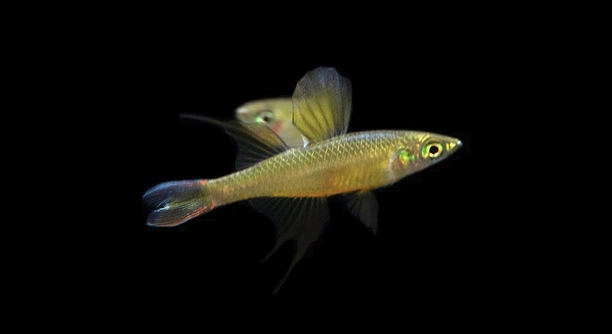
Threadfin Rainbowfish are vibrant and lively additions to any home aquarium. Many aquarists enjoy their shimmering colors, yet transporting them safely requires careful preparation to ensure their health and stress levels remain manageable.
Yes, Threadfin Rainbowfish can be shipped safely when proper protocols are followed. Maintaining stable water conditions, using insulated packaging, and minimizing transport time are critical factors in preventing stress and mortality during shipment.
Following these steps ensures your rainbowfish arrive healthy and ready to thrive in their new environment. Proper planning and preparation make all the difference in safe delivery.
Preparing Your Threadfin Rainbowfish for Shipping
Before shipping, it’s essential to make sure your Threadfin Rainbowfish are healthy and comfortable. Observe them for a few days to check for signs of illness, such as unusual swimming patterns or visible spots. Feeding should be reduced the day before shipping to prevent water contamination. Use a clean, well-aerated tank to stabilize water parameters. When it’s time to pack, choose a strong, leak-proof bag and fill it with water from the fish’s current tank. Adding a small amount of oxygen or using an oxygen tablet helps the fish breathe during transit. Secure the bag with strong rubber bands and place it inside a padded container. Temperature control is critical, so use insulation or heat/cool packs depending on the season. Label the package clearly to ensure careful handling. By taking these steps, you reduce stress and provide a stable environment, giving your fish the best chance to arrive healthy and unharmed.
Shipping your fish safely relies on proper preparation and stable conditions during transit. Using quality packaging and monitoring water helps prevent stress.
Even small details matter. The type of bag used, the amount of water, and how it’s sealed all influence the fish’s safety. Extra padding inside the box prevents sudden movements that could injure the fish. Ensuring the fish are shipped quickly is important, as prolonged time in transit can increase stress and reduce survival rates. Temperature fluctuations can also cause shock or illness, so insulated packaging is necessary in extreme weather. If using a courier service, select one experienced with live fish and provide instructions for minimal handling. Removing sharp objects or decorations from the transport water reduces the risk of injury. Monitoring the fish for a short time after arrival helps catch any delayed issues. Overall, careful planning and attention to detail make shipping safer for Threadfin Rainbowfish and provide peace of mind for the owner.
Choosing the Right Shipping Method
Courier services experienced in live fish transport are the best option for shipping Threadfin Rainbowfish. Fast and reliable delivery reduces stress and keeps water stable.
Air transport is usually the quickest method for long distances. Using overnight shipping ensures the fish spend minimal time confined in the bag. When shipping by land, avoid hot or cold extremes and plan routes to prevent delays. Properly insulated boxes help maintain a stable temperature, which is critical for the fish’s health. Tracking the package and alerting the recipient allows quick action if there are delays. Combining these strategies ensures the fish experience minimal stress, arrive healthy, and are ready to acclimate to their new tank. Choosing the right shipping method is a key step in successful fish delivery, and investing time in preparation pays off in healthier, happier fish.
Acclimating Threadfin Rainbowfish After Shipping
Acclimation is key to reducing stress for Threadfin Rainbowfish. Slowly introducing them to their new tank water helps prevent shock and promotes a smoother adjustment period. Temperature and pH differences should be addressed gradually.
Start by floating the sealed shipping bag in the tank for about 15–20 minutes. This equalizes the water temperature between the bag and the tank. Next, gradually add small amounts of tank water into the bag every five minutes. Continue this process for about 30–45 minutes to allow the fish to adjust to pH, hardness, and temperature differences. Avoid sudden changes, as Threadfin Rainbowfish are sensitive to stress and water chemistry fluctuations. Once the water inside the bag closely matches the tank conditions, gently release the fish using a net, minimizing water transfer. Monitoring their behavior in the first few hours helps detect stress or adjustment issues early, ensuring they settle comfortably into their new environment.
After acclimation, watch the fish carefully for signs of stress, such as clamped fins or rapid breathing. Keep feeding light for the first day and maintain stable water parameters. Providing hiding spots or plants can help them feel secure.
Maintaining Water Quality for Stress-Free Fish
Consistent water quality is essential to keep Threadfin Rainbowfish healthy. Regular monitoring of ammonia, nitrite, and nitrate levels prevents illness and reduces stress.
Performing weekly partial water changes helps maintain clarity and stability in the tank. Using a reliable filter suited to the tank size supports oxygenation and removes debris effectively. Avoid overfeeding, as leftover food can degrade water quality quickly. Observing the fish daily helps identify any changes in behavior or signs of stress early. Temperature stability is equally important, so use a heater if needed and avoid sudden fluctuations. A balanced diet combined with clean, stable water ensures the fish remain active, colorful, and resilient. Consistency in care minimizes risks after shipping and supports long-term health.
Feeding Threadfin Rainbowfish After Shipping
Start with small, easily digestible meals. Overfeeding immediately after shipping can stress the fish and harm water quality.
Offer high-quality flakes or micro-pellets and observe how much they eat. Feeding small portions two to three times a day helps them recover gradually from transit stress.
Monitoring Behavior
Keep a close eye on swimming patterns and social interactions. Active, alert fish indicate healthy adjustment.
Notice any hiding or lethargy, which may signal stress or water issues. Early detection allows timely corrective actions to support the fish’s well-being.
Ideal Tank Conditions
Threadfin Rainbowfish thrive in a tank with stable water parameters. Temperature should range between 74–78°F, and pH should remain near neutral. Moderate water flow and adequate filtration create a comfortable environment. Providing live plants and open swimming areas supports both activity and security, promoting long-term health.
Handling and Care Tips
Always handle the fish gently with a soft net. Limit direct contact to reduce stress and prevent injury.
FAQ
Can Threadfin Rainbowfish survive long-distance shipping?
Yes, they can survive long-distance shipping if proper measures are taken. Ensuring stable water conditions, using oxygenated bags, and maintaining temperature with insulated packaging are critical. Fast shipping methods reduce stress and increase survival rates, making long-distance transport feasible.
How should I prepare my fish for shipping?
Observe them for a few days before shipping to confirm they are healthy. Reduce feeding the day prior to minimize waste in the shipping water. Use a clean tank, remove sharp decorations, and ensure the water parameters are stable. Packing in a strong, leak-proof bag with oxygen or an oxygen tablet is essential.
What type of packaging works best?
A strong, clear plastic bag filled with water from the fish’s tank is ideal. Secure the bag with strong rubber bands and place it in an insulated container with padding. Temperature packs can help maintain stable conditions. Labeling the package clearly is important for careful handling.
How long can the fish be in transit?
Threadfin Rainbowfish can safely remain in a bag for several hours, but overnight or one-day shipping is preferred. Extended transit increases stress and the risk of injury or illness. The faster the delivery, the better the chance they arrive healthy and active.
Do I need to acclimate them when they arrive?
Yes, acclimation is essential. Float the sealed bag in the tank for 15–20 minutes to equalize temperature. Gradually add tank water every few minutes for 30–45 minutes. Once the water in the bag matches the tank, gently release the fish with a net. Observing their behavior afterward helps identify stress.
What should I feed after shipping?
Feed small, easily digestible portions. High-quality flakes or micro-pellets work best. Avoid overfeeding for the first day or two. Multiple small meals help them regain strength without overwhelming their system. Maintaining consistent feeding supports recovery from shipping stress.
How can I monitor their stress levels?
Watch for clamped fins, rapid breathing, hiding, or unusual swimming patterns. Stress can also appear as loss of appetite. Regular observation during the first few days allows for early intervention. Adjusting water parameters, providing hiding spots, and maintaining stability reduces stress.
What tank conditions are ideal?
Temperature should be 74–78°F with a neutral pH. Moderate water flow and adequate filtration create a safe environment. Live plants and open swimming areas provide comfort and security. Maintaining clean, stable water ensures health and longevity.
Can I ship multiple fish together?
Yes, but avoid overcrowding. Each fish needs enough oxygen and space to reduce stress. Overcrowding increases aggression and risk of injury. Ensure the bag size and water volume are adequate for the number of fish being shipped.
What are common shipping mistakes to avoid?
Avoid overfeeding before shipping, poor bag sealing, inadequate padding, temperature fluctuations, and long transit times. Not acclimating fish on arrival can also cause stress. Paying attention to these details ensures safer delivery and healthier fish.
Is special handling required for different climates?
Yes, extreme heat or cold can harm the fish. Insulated packaging, heat packs, or cold packs help maintain stable temperatures. Monitoring weather conditions and adjusting shipping methods accordingly reduces risk. Proper planning ensures fish arrive healthy regardless of climate conditions.
How soon can I feed them normal meals?
After acclimation, small meals can resume immediately, but continue with light feeding for the first 24–48 hours. Gradually return to regular feeding schedules once the fish appear active and stress signs are minimal.
Can stress from shipping affect long-term health?
Yes, prolonged stress can weaken the immune system and make fish susceptible to disease. Proper preparation, careful handling, acclimation, and stable tank conditions help minimize long-term impacts. Consistent monitoring ensures they recover fully and thrive in their new home.
Final Thoughts
Shipping Threadfin Rainbowfish safely requires careful planning and attention to detail. These fish are delicate and can easily become stressed if conditions are unstable. Ensuring water quality is consistent, the fish are healthy before transit, and packaging is secure are all essential steps. Using oxygenated bags, insulated containers, and proper cushioning helps maintain stable conditions during transport. Fast shipping methods reduce the amount of time the fish are confined, lowering the risk of stress-related health issues. Taking the time to follow these procedures improves the likelihood that the fish will arrive healthy and ready to adjust to their new environment.
Acclimating fish properly after shipping is just as important as preparation. Gradually introducing them to their new tank water helps prevent shock caused by differences in temperature, pH, or hardness. Floating the sealed shipping bag in the tank first, then slowly mixing small amounts of tank water into the bag over time, allows the fish to adjust without sudden changes. After release, monitoring their behavior is essential to catch any signs of stress or illness early. Providing hiding spots, plants, and a stable environment makes the fish feel secure and supports recovery from the stress of shipping. Maintaining proper feeding routines and consistent water parameters further contributes to their well-being.
Long-term care after shipping sets the stage for healthy and active Threadfin Rainbowfish. Consistent water quality, proper filtration, moderate flow, and a balanced diet all play a role in keeping the fish healthy. Avoiding overcrowding and minimizing handling reduce stress and the risk of injury. Watching the fish regularly allows early detection of any potential health issues. Paying attention to these details ensures that your Threadfin Rainbowfish can thrive and display their full vibrant colors. Proper preparation, acclimation, and ongoing care create an environment where these fish can flourish, making the effort invested in safe shipping worthwhile.

Hello,
If you enjoy the content that we create, please consider saying a "Thank You!" by leaving a tip.
Every little bit helps us continue crafting quality advice that supports the health, happiness, and well-being of pets around the world, for pets of all shapes, sizes, and species.
We really appreciate the kindness and support that you show us!