
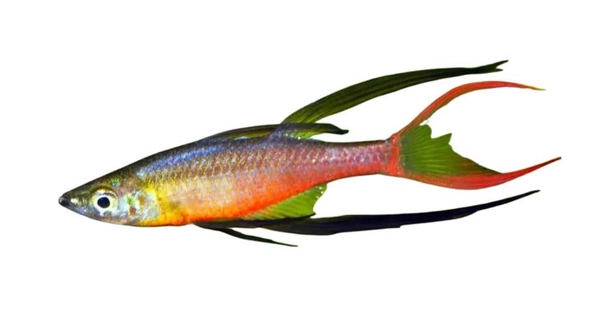
Threadfin Rainbowfish are small, vibrant fish that often catch attention in aquariums. Many aquarists notice they tend to stay near the water surface. This behavior is a natural part of their daily routine and habitat preference.
Threadfin Rainbowfish hover near the surface primarily to access higher oxygen levels and feed on surface insects or floating particles. This behavior ensures optimal respiration and nutrition while reflecting their natural inclination for well-lit, shallow waters in the wild.
Observing these colorful fish at the top of the tank is more than a quirk; it offers insight into their natural habits and care requirements.
Common Reasons Threadfin Rainbowfish Stay Near the Surface
Threadfin Rainbowfish often remain near the water surface due to environmental factors in their tank. One of the most common reasons is oxygen concentration. Surface water generally contains more dissolved oxygen, which these fish rely on for healthy respiration. When oxygen levels drop in deeper water, they instinctively move upward. Another factor is food availability. Threadfin Rainbowfish feed on small insects, larvae, and floating particles, so they naturally gravitate to the top where food is easiest to access. Lighting also plays a role; these fish feel more comfortable in well-lit areas near the surface, reflecting their natural habitat in shallow, sunlit waters. Water temperature can influence behavior too. Slightly warmer surface water may be more comfortable, encouraging them to hover at the top. By observing these habits, aquarists can adjust tank conditions to ensure their Rainbowfish remain healthy and active. Regular water checks and balanced feeding support this natural behavior.
Oxygen levels, food accessibility, lighting, and water temperature all influence why Threadfin Rainbowfish stay near the surface in home aquariums.
Providing a suitable tank environment is key. Ensuring adequate surface aeration, consistent temperature, and proper lighting encourages healthy activity. Observing their feeding patterns also helps maintain balance, creating a space where the fish feel secure while thriving naturally.
Tips for Maintaining a Healthy Surface Environment
Maintaining clean water at the surface is crucial for Threadfin Rainbowfish. Regular skimming and gentle filtration help reduce debris that could interfere with their feeding and breathing.
Proper tank setup ensures these fish remain active and healthy. Surface aeration improves oxygen availability, while stable water temperatures mimic their natural shallow habitats. Floating plants provide cover and reduce stress, making the surface area more inviting. Additionally, feeding at the surface encourages natural behaviors without overcrowding the tank. By monitoring water quality and adjusting light exposure, you create conditions where Rainbowfish can thrive. Small changes like this enhance their overall well-being and reduce the risk of health issues caused by poor oxygen levels or stress. This attention to detail helps maintain a balanced ecosystem, benefiting not only Threadfin Rainbowfish but also other tank inhabitants. Consistency and observation are key to ensuring their continued health, keeping the fish active, vibrant, and comfortable in their environment.
Observing Feeding Behavior
Threadfin Rainbowfish feed primarily at the surface, picking off small insects, larvae, and floating particles. Their position near the top allows them to access food efficiently while minimizing competition with bottom-dwelling fish. Feeding behavior is a key reason for their surface activity.
Watching their feeding closely reveals patterns in their daily routine. They often move in small groups, darting quickly when food is introduced. This surface feeding strategy keeps them active and alert. Offering floating foods or finely crushed flakes encourages natural behavior while supporting proper nutrition. Overfeeding should be avoided, as excess food can sink and degrade water quality, affecting both the Rainbowfish and other tank inhabitants. Observing these interactions can help fine-tune feeding schedules and maintain a healthy, balanced tank.
Surface feeding also contributes to social interaction within the group. Fish that hover together often establish informal hierarchies while competing for food. Understanding this behavior allows for better tank management, ensuring all fish receive adequate nutrition. Providing consistent feeding conditions reduces stress and promotes natural movement near the surface. By aligning feeding strategies with their natural tendencies, their health and vitality improve. The surface becomes not just a feeding zone but a hub of activity and social engagement, reflecting their innate instincts in the wild.
Environmental Adjustments
Proper tank conditions influence how often Threadfin Rainbowfish hover near the surface. Oxygenation, temperature, and water clarity all play a role in their comfort.
Adjusting environmental factors can encourage healthier surface behavior. Surface aeration, such as air stones or gentle filtration, improves oxygen levels, reducing stress. Maintaining a stable temperature between 24–28°C supports active movement without forcing the fish to seek warmer surface layers. Adding floating plants or light shading provides shelter while keeping the water well-lit, replicating their natural shallow habitats. Regular water changes and monitoring of pH and hardness ensure optimal water quality. Balancing these conditions allows Rainbowfish to thrive while exhibiting natural behaviors, including feeding and social interaction at the surface. These small adjustments enhance overall well-being and reduce erratic or anxious swimming patterns.
Environmental care also impacts long-term health. Fish in stable, well-maintained tanks show consistent surface activity and better coloration. Providing floating cover reduces stress while still allowing access to light and oxygen. A carefully balanced setup encourages natural schooling behavior, keeps fish active, and supports reproductive health. Observing these patterns helps refine tank management and ensures each Rainbowfish can enjoy a comfortable, stimulating environment that meets its basic needs. Proper attention to environmental conditions creates a thriving aquarium where the fish remain near the surface for feeding, socialization, and comfort.
Water Quality Monitoring
Regularly checking water quality is essential for Threadfin Rainbowfish. Poor water conditions can push them to the surface in search of cleaner, oxygen-rich water. Consistent monitoring helps maintain a stable environment and prevents stress or illness.
Parameters like ammonia, nitrite, nitrate, and pH should be checked frequently. Clean water supports healthy respiration and natural behavior, reducing excessive surface activity caused by poor conditions. Maintaining a stable environment allows Rainbowfish to exhibit normal swimming and feeding patterns, keeping them comfortable and vibrant in the tank.
Tank Decoration Considerations
Providing floating plants and light cover near the surface encourages natural behavior. These additions offer shelter, reduce stress, and create a more comfortable environment for Threadfin Rainbowfish.
Decorations and plant placement help mimic their shallow, well-lit habitats in the wild. Floating plants also improve oxygenation and provide grazing surfaces for small food particles. Proper arrangement ensures open swimming space while giving hiding spots, balancing security with activity. This setup reduces erratic swimming and helps the fish remain near the surface naturally.
Social Interaction
Threadfin Rainbowfish are schooling fish that feel safer near the surface when in groups. Their social behavior influences movement patterns and feeding activity.
Feeding Tips
Offering small, frequent meals at the surface encourages natural feeding habits. Floating or slow-sinking foods help maintain proper nutrition and support healthy activity.
FAQ
Why do Threadfin Rainbowfish hover near the surface?
Threadfin Rainbowfish hover near the surface mainly to access higher oxygen levels. Surface water is richer in dissolved oxygen, which supports healthy respiration. They also feed on floating particles, insects, and larvae found at the top, making the surface their preferred feeding zone.
Is it normal for them to stay at the surface all the time?
Yes, it can be normal, especially if environmental factors like oxygen, temperature, and lighting make the surface more comfortable. However, constant hovering could indicate water quality issues or stress. Monitoring water parameters ensures the fish remain healthy.
How can I improve oxygen levels for my Rainbowfish?
Surface aeration is the simplest method. Using air stones, gentle filtration, or small fountains increases dissolved oxygen. Floating plants can also improve oxygen exchange while offering shelter and reducing stress. Regular water changes keep oxygen levels stable.
What type of food should I provide at the surface?
Floating flakes, micro-pellets, and small live or frozen foods are ideal. These foods allow the Rainbowfish to feed naturally without forcing them to dive. Feeding small portions multiple times a day prevents excess debris and maintains water quality.
Can water temperature affect surface behavior?
Yes, slightly warmer surface water encourages activity at the top. Threadfin Rainbowfish thrive between 24–28°C. If deeper water is colder, they will spend more time near the surface. Consistent tank temperature helps reduce unnecessary stress.
Do lighting conditions influence their surface activity?
Lighting plays a role. Rainbowfish prefer well-lit areas, which mimic shallow natural habitats. Bright but not harsh lighting encourages normal swimming patterns and feeding at the surface. Dim or uneven lighting may cause hiding or unusual activity.
Will floating plants change their behavior?
Floating plants provide cover and security while keeping water well-oxygenated. They encourage natural behavior by allowing the fish to hover, feed, and interact without feeling exposed. Proper plant placement ensures space for swimming and reduces stress.
How often should I check water quality?
Weekly checks for ammonia, nitrite, nitrate, and pH are recommended. Regular monitoring prevents stress-related surface behavior. Immediate action is necessary if parameters deviate from safe ranges, keeping the fish healthy and active.
Is schooling important for surface activity?
Yes, Threadfin Rainbowfish are social and feel safer near the surface when in groups. Schooling reduces stress and encourages natural feeding, swimming, and interaction. Keeping at least six together promotes normal behavior and improves overall well-being.
What signs indicate stress if they stay near the surface too much?
Rapid gill movement, erratic swimming, or gasping at the surface may indicate stress. Poor water quality, low oxygen, or disease can cause these behaviors. Observing patterns and correcting environmental issues helps maintain their health.
Can they adapt if the surface environment changes?
They adapt gradually but sudden changes in oxygen, temperature, or lighting can stress them. Consistency in tank conditions helps maintain surface activity without negative effects. Slowly introducing new plants or adjusting aeration is best.
Are there any health risks associated with hovering near the surface?
Hovering itself is not harmful if environmental conditions are stable. However, if water quality is poor, prolonged surface activity may indicate health problems. Regular maintenance, proper feeding, and monitoring reduce risks.
How do I encourage natural feeding behavior?
Provide small, frequent meals at the surface. Use floating foods that mimic natural diet items. Observing how the fish interact during feeding allows adjustment of portion sizes and timing to support their natural instincts.
Do other fish affect their surface behavior?
Yes, aggressive or fast-moving tankmates can push Rainbowfish upward or cause stress. Peaceful, similarly sized species are ideal. Proper tank compatibility encourages natural schooling and surface feeding habits without conflict.
Can surface behavior indicate reproduction readiness?
Mature Rainbowfish may hover near the surface during breeding periods. Increased activity, color intensity, and chasing behavior are signs. Providing open swimming space and floating plants supports spawning while keeping water conditions stable.
What is the best way to balance activity at different tank levels?
Offering food at multiple levels, maintaining proper oxygenation throughout, and adding mid-level decorations helps distribute activity. This ensures fish remain healthy, reduces overcrowding at the surface, and promotes natural swimming patterns.
How do seasonal changes impact surface behavior?
Seasonal temperature fluctuations can affect movement. Slightly warmer water encourages surface activity, while colder water may make them less active. Maintaining consistent tank temperature year-round minimizes disruption to normal behavior.
Can overfeeding affect their time at the surface?
Yes, excess food can sink and decay, reducing water quality. Fish may linger at the surface searching for fresh food, causing stress. Feeding small portions and removing leftovers prevents this issue.
Do young Rainbowfish behave differently at the surface?
Juveniles hover near the surface less consistently than adults. They explore mid and lower levels while learning feeding behavior. As they grow, surface activity increases naturally, reflecting adult patterns.
Is surface behavior linked to overall tank health?
Absolutely. Healthy, balanced tanks allow natural surface activity. Poor water quality, insufficient oxygen, or overcrowding often push them to the surface excessively. Observing this behavior gives insight into the tank’s overall condition.
How can I make the surface area more comfortable?
Gentle aeration, floating plants, and consistent lighting improve comfort. Open swimming space combined with cover reduces stress and encourages natural behavior, making the top layer a safe and appealing part of the tank.
Do they prefer still or flowing water at the surface?
Threadfin Rainbowfish prefer gentle movement. Strong currents can stress them, while mild flow supports oxygenation and mimics natural shallow streams. Adjusting filtration ensures comfort without disturbing feeding or schooling habits.
Can surface behavior indicate disease?
Gasping, lethargy, or unusual swimming at the surface may signal illness. Regular water monitoring, quarantine for new fish, and observation help prevent disease and maintain healthy surface activity.
How does tank size influence surface behavior?
Larger tanks allow more swimming space and reduce overcrowding near the surface. Smaller tanks may concentrate activity at the top, especially if oxygen levels fluctuate. Proper tank size supports natural movement and social interaction.
Are there signs of stress related to light intensity?
Excessive brightness can cause hiding or erratic surface swimming, while too dim light reduces activity. Balanced lighting that mimics shallow waters keeps them comfortable and encourages natural behavior.
Do Threadfin Rainbowfish need special care at the surface in planted tanks?
They thrive with floating plants, which provide cover and grazing areas. Avoid overcrowding the surface to maintain swimming space. Proper aeration and regular maintenance ensure a stable environment while supporting natural feeding and schooling behavior.
How long should they spend near the surface each day?
Time at the surface varies depending on feeding, oxygen, and comfort. Consistent tank conditions and balanced feeding schedules allow natural surface activity without excessive hovering, reflecting healthy behavior.
Can surface behavior change with age?
Yes, young Rainbowfish explore multiple levels, while adults spend more time near the surface. Observing these changes helps adjust feeding, tank layout, and environmental care to suit their growth stages.
Does water hardness impact surface activity?
Slightly soft to moderately hard water supports healthy movement and respiration. Extreme hardness or sudden changes can stress the fish, leading to prolonged surface hovering. Maintaining consistent water parameters is important.
Can adding new fish affect surface behavior?
Yes, new or aggressive tankmates may push Rainbowfish to the surface. Gradual introductions and compatible species minimize stress, allowing normal schooling and feeding at the top.
What is the role of surface plants in oxygen exchange?
Floating plants increase oxygen exchange at the water-air interface while providing cover. They support natural surface behavior and reduce stress by creating a secure, well-oxygenated environment.
How does water movement near the surface affect feeding?
Gentle currents help distribute floating food evenly and prevent stagnation. Strong currents may make feeding difficult and discourage natural surface activity. Proper flow encourages healthy behavior.
Can seasonal lighting changes influence surface patterns?
Yes, longer light periods may increase activity and surface feeding. Gradual adjustments help maintain natural rhythms and reduce stress. Consistent lighting schedules support normal swimming and social behavior.
Is it normal for Rainbowfish to dart quickly at the surface?
Quick movements during feeding or schooling are normal. Sudden bursts may also occur when startled, but repeated erratic activity could indicate stress or environmental issues requiring attention.
Do they interact with other species at the surface?
Yes, they may share the top layer with peaceful tankmates. Aggressive species can disrupt their behavior, so compatible fish help maintain normal surface activity and social interactions.
How often should I clean the surface area?
Regular skimming removes debris and prevents buildup, keeping oxygen levels stable. Cleaning ensures a healthy environment for feeding and reduces stress from poor water quality.
Does water pH affect surface behavior?
Yes, Rainbowfish prefer slightly acidic to neutral water. Significant pH fluctuations can stress them, causing excessive surface activity. Maintaining stable pH ensures comfort and normal behavior.
Can surface activity indicate reproductive behavior?
During spawning periods, males may display vibrant colors and hover near the surface. Providing open space and floating plants supports natural breeding behavior.
How can I tell if excessive surface activity is a problem?
Gasping, lethargy, or frantic movements indicate stress. Check water quality, temperature, and oxygen levels, adjusting tank conditions as needed to maintain healthy behavior.
Do temperature changes affect schooling near the surface?
Yes, sudden temperature drops may reduce surface activity, while stable warmth encourages schooling and natural feeding patterns. Gradual adjustments prevent stress.
Are there feeding strategies to reduce surface crowding?
Offering food in multiple areas, including mid-water and bottom levels, spreads activity. Using slow-sinking or floating foods maintains natural feeding habits without overcrowding the surface.
Does tank cover influence their comfort at the surface?
Partial cover from floating plants or overhanging decorations reduces stress while keeping access to light and oxygen. Proper coverage encourages natural surface behavior and provides security.
What should I do if Rainbowfish gasp at the surface?
Check oxygen levels, water temperature, and cleanliness immediately. Enhancing aeration, performing water changes, and ensuring proper filtration can reduce stress and restore healthy behavior.
Can they adapt to different tank setups?
Yes, with gradual changes in temperature, aeration, and lighting. Sudden shifts may stress them, so introducing adjustments slowly helps maintain surface activity and overall well-being.
Do they prefer shallow or deep tanks for surface activity?
Shallow areas encourage natural surface behavior, while deeper water provides exploration space. A balanced tank with varying depths allows comfort, feeding, and social interaction across all levels.
How do seasonal temperature fluctuations impact their oxygen needs?
Warmer water holds less oxygen, prompting more surface activity. Monitoring temperature and aeration helps maintain balance and reduces stress caused by fluctuating oxygen levels.
Are juvenile and adult surface behaviors different?
Juveniles explore multiple levels and may surface less often. Adults focus on feeding, oxygen, and social interaction near the top. Adjusting feeding and tank conditions supports both stages.
Can frequent water changes affect surface behavior?
Yes, large sudden changes may stress them. Gradual, consistent water changes maintain stability, encouraging natural movement and healthy surface activity.
Do surface-dwelling habits impact coloration?
Healthy surface behavior often corresponds with vibrant coloration. Stress, poor water quality, or inadequate feeding can dull colors, so maintaining proper conditions is key.
How does group size affect surface behavior?
Smaller groups may feel insecure, reducing surface activity. Groups of six or more encourage natural schooling, feeding, and social interaction near the top.
Can they become lazy if the surface is too comfortable?
Excessive comfort is unlikely to cause laziness, but overcrowding or poor tank layout may limit movement. Balanced decoration and activity areas keep them active and healthy.
Do environmental disruptions change surface patterns?
Yes, changes in temperature, aeration, or light can alter surface behavior temporarily. Consistency helps maintain natural swimming, feeding, and social interaction.
What is the safest way to observe their surface behavior?
Watch quietly from outside the tank without tapping or disturbing the water. Consistent observation helps identify normal patterns and detect stress or health issues early.
Are there signs of illness linked to surface activity?
Gasping, lethargy, or frayed fins at the surface can indicate illness. Maintaining water quality, proper diet, and observation reduces health risks and ensures natural behavior.
Does feeding timing influence surface activity?
Yes, scheduled feeding encourages predictable surface behavior. Offering food at consistent times supports natural instincts and prevents stress from sudden hunger or competition.
Can overcrowding affect surface movement?
Overcrowding forces competition for space and food at the surface. Adequate tank size and proper group numbers allow natural schooling, feeding, and social interaction without stress.
Are surface patterns different in planted versus bare tanks?
Planted tanks provide cover and grazing areas, encouraging natural hovering and social behavior. Bare tanks may increase stress and reduce natural surface activity if fish feel exposed.
How do I know if they are comfortable at the surface?
Smooth, steady swimming, active schooling, and regular feeding indicate comfort. Erratic or gasping movements suggest adjustments are needed in aeration, temperature, or tank layout.
Can surface activity indicate water quality problems before testing?
Yes, unusual hovering, gasping, or clustering at the surface often signals low oxygen or high toxins. Observing behavior can prompt early water testing and corrective action.
Does tank location impact surface behavior?
Yes, tanks near drafts, heat sources, or direct sunlight may cause stress and alter surface activity. Stable placement encourages normal behavior.
How does stress influence feeding at the surface?
Stressed fish may eat less or dart unpredictably. Maintaining proper oxygen, temperature, lighting, and peaceful tankmates supports calm, healthy surface feeding.
Can surface activity indicate aging in Rainbowfish?
Older fish may reduce swimming activity but maintain surface feeding for oxygen and food. Monitoring changes ensures proper care throughout their life stages.
Is observing surface behavior helpful for tank maintenance?
Absolutely. Monitoring surface activity gives insight into oxygen levels, water quality, stress, and overall fish health, guiding necessary maintenance and environmental adjustments.
How do I combine environmental and feeding adjustments to support surface behavior?
Balance aeration, lighting, temperature, and floating food placement. Ensure clean water, stable parameters, and proper social grouping to maintain natural surface activity and healthy Rainbowfish behavior.
Do they need periods of rest near the surface?
Yes, Rainbowfish occasionally hover calmly to rest while remaining alert. Providing safe, unobstructed surface space supports this natural behavior and overall well-being.
Can surface activity be linked to tank enrichment?
Yes, floating plants, gentle water flow, and proper feeding create stimulation, encouraging natural movement and interaction near the surface.
How important is consistency in supporting surface behavior?
Consistency in temperature, oxygen, lighting, feeding, and social grouping ensures stable, healthy surface activity and reduces stress-related behavior changes.
Does observing them help prevent future health issues?
Yes, monitoring surface behavior provides early warning signs of stress, illness, or environmental problems, allowing timely intervention and care.
Can surface activity change with tank lighting schedules?
Yes, predictable lighting encourages regular feeding, schooling, and activity. Sudden changes may stress them, so gradual adjustments support natural patterns.
How do I balance schooling, feeding, and resting near the surface?
Provide open swimming space, floating plants for cover, and consistent feeding. This combination supports natural schooling, surface feeding, and resting without stress or overcrowding.
Does water movement affect social interaction at the surface?
Gentle flow promotes schooling and surface activity, while strong currents can cause stress and disperse groups. Proper filtration ensures comfort.
Can surface behavior indicate comfort level in a tank?
Yes, steady swimming, active feeding, and schooling show comfort. Excessive gasping, erratic movement, or hiding suggest adjustments are needed to improve the environment.
Are surface patterns linked to tank cleanliness?
Absolutely. Clean water encourages natural hovering, feeding, and social interaction. Debris buildup or poor oxygen can cause stress, pushing them to the surface excessively.
How can I adjust the tank to reduce overcrowding at the surface?
Spread food, add mid-water decorations, and maintain proper group size. This creates a balanced space, allowing natural movement and healthy interaction near the surface.
Does surface behavior differ in community tanks?
Yes, the presence of other peaceful species affects feeding and schooling patterns. Aggressive or fast-moving fish may push Rainbowfish upward or cause stress.
Can monitoring surface activity replace frequent water testing?
No, observation complements testing. Behavioral changes can signal issues, but regular testing ensures accurate knowledge of oxygen, pH, and toxin levels.
Is it normal for Rainbowfish to rest near the surface at night?
Yes, they may hover quietly, using floating plants or calm water areas for resting while remaining alert.
How does surface activity relate to overall fish vitality?
Consistent, healthy surface behavior reflects good oxygen levels, water quality, feeding, and social interaction, indicating that Rainbowfish are thriving in their environment.
Can I prevent stress-related surface behavior through tank design?
Yes, open swimming areas, floating plants, gentle aeration, and compatible tankmates reduce stress and promote natural surface activity.
Does group size affect resting and feeding patterns at the surface?
Larger groups encourage natural schooling and feeding, while smaller groups may show hesitation or less surface activity. Maintaining adequate numbers ensures balance.
How can I use surface observation to improve care?
Watch for schooling, feeding, and gasping. Adjust oxygen, temperature, lighting, and decorations based on observed behavior to maintain a healthy, active environment.
Can seasonal changes require adjustments to surface conditions?
Yes, temperature, lighting, and oxygen may vary with seasons. Gradual adjustments help maintain consistent surface activity and overall health.
Does surface activity affect lifespan?
Healthy surface behavior reflects good environmental conditions, which support proper nutrition, stress reduction, and longevity. Neglecting surface needs may impact overall well-being.
How do I know if adjustments are successful?
Observe steady swimming, active schooling, normal feeding, and calm resting near the surface. These behaviors indicate comfort, proper oxygenation, and healthy Rainbowfish.
Can surface behavior indicate compatibility with other species?
Yes, peaceful interactions at the surface suggest compatible tankmates, while constant chasing or hiding may indicate stress or incompatibility.
How important is monitoring both surface and mid-level activity?
Monitoring both levels provides insight into overall tank health, swimming patterns, feeding distribution, and environmental comfort for Rainbowfish.
Are floating plants the most effective way to support surface activity?
They are highly effective, providing oxygen, cover, and grazing areas, but should be combined with proper aeration, feeding, and tank
Final Thoughts
Threadfin Rainbowfish are naturally drawn to the surface for several important reasons, including access to higher oxygen levels, feeding opportunities, and comfort in well-lit areas. Observing them hover near the top of the tank is not a sign of abnormal behavior but rather a reflection of their natural instincts. They are small, active fish that thrive in environments that closely mimic their native shallow waters. By paying attention to their movement and preferences, it becomes easier to understand what they need and how to provide a suitable home.
Maintaining a balanced tank environment is essential for their health and activity. Oxygenation, water quality, temperature, and lighting all influence how often Rainbowfish spend time near the surface. Providing floating plants and gentle water movement can create a comfortable area for resting, feeding, and social interaction. Consistent feeding with appropriate food that floats or moves slowly through the water supports their natural behavior while reducing stress. Regular observation allows you to detect early signs of discomfort or environmental issues, ensuring they remain active, healthy, and vibrant. Understanding the connection between their surface activity and overall well-being helps in creating a tank that meets all their needs.
Surface behavior also reflects their social patterns. Threadfin Rainbowfish are schooling fish, and their interactions with each other at the surface provide insight into group dynamics and comfort levels. When maintained in an adequately sized tank with compatible tankmates, they display natural schooling, feeding, and resting behaviors. Overcrowding, poor water quality, or sudden environmental changes can alter these patterns and increase stress. By carefully monitoring their behavior and making adjustments where needed, you can support both their physical health and social well-being. Ensuring that the surface area is clean, oxygen-rich, and balanced with floating plants or open swimming space encourages healthy activity. Paying attention to these details allows Threadfin Rainbowfish to thrive, showing their natural colors, engaging in regular schooling, and maintaining active, alert behavior. Observing their patterns over time helps maintain a healthy aquarium where they can flourish naturally.

Hello,
If you enjoy the content that we create, please consider saying a "Thank You!" by leaving a tip.
Every little bit helps us continue crafting quality advice that supports the health, happiness, and well-being of pets around the world, for pets of all shapes, sizes, and species.
We really appreciate the kindness and support that you show us!