
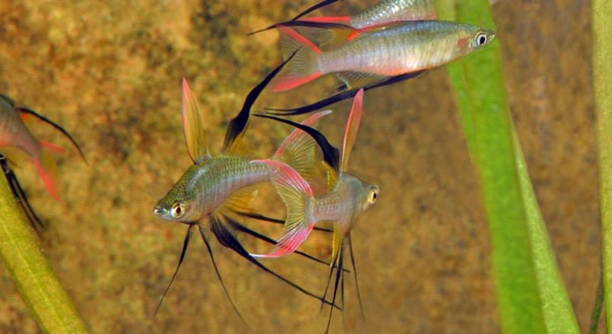
Are your Threadfin Rainbowfish showing signs of stress despite careful care? Many aquarists face unexpected challenges when keeping these delicate fish healthy in community tanks. Even small tankmate mistakes can have significant impacts on their well-being.
Threadfin Rainbowfish are particularly sensitive to incompatible tankmates, overcrowding, and aggressive behavior. Common mistakes include housing them with larger, territorial fish, inconsistent feeding practices, and failing to maintain water quality, all of which contribute to stress and diminished health.
Understanding these factors will help you create a calmer, safer environment for your fish. Proper knowledge ensures both their happiness and long-term survival in your tank.
Overcrowding the Tank
Keeping too many fish in a single tank is a common issue that often stresses Threadfin Rainbowfish. These fish need space to swim freely, and overcrowding can lead to aggression, competition for food, and poor water quality. When tanks are packed, oxygen levels drop, and waste accumulates quickly, making it harder to maintain stable conditions. Even if all tankmates are peaceful, limited space restricts natural behavior and swimming patterns. Overcrowded conditions may also reduce immunity, making fish more prone to disease. Ensuring adequate swimming room and hiding spots helps maintain a calm and healthy environment. Monitoring fish growth is essential because as fish mature, space needs increase. A tank that was suitable for young Rainbowfish may become overcrowded as they grow. Thoughtful stocking based on adult size and behavior is crucial for long-term health.
Overcrowding affects both physical and mental well-being, leading to stress and potential illness if not addressed promptly.
Planning tank space carefully can prevent unnecessary stress. Adjusting fish numbers and providing hiding spots ensures Threadfin Rainbowfish thrive comfortably.
Aggressive Tankmates
Aggressive fish in the tank create constant tension for Threadfin Rainbowfish. Even minor chasing or nipping disrupts their swimming and feeding routines. Aggression often increases during feeding or territorial disputes. Stress from aggression can weaken the immune system, making Rainbowfish more vulnerable to disease. It is important to observe interactions and separate problematic species immediately. Choosing calm, peaceful tankmates reduces conflict and helps maintain stable water conditions.
Selecting non-aggressive, similarly sized fish creates a balanced environment. Avoiding territorial or fin-nipping species keeps stress levels low and behavior predictable.
Aggressive interactions can also affect long-term growth. Rainbowfish that constantly face harassment may stop eating properly, leading to malnutrition. Stress can cause color fading, abnormal swimming, and hiding, which limits exercise and natural behavior. Tankmates should be chosen with care, considering temperament and swimming zones. Peaceful schooling fish make better companions, as they move in unison without disturbing Rainbowfish. Observing early signs of aggression allows timely intervention, reducing stress before it escalates. Rearranging tank decor to create visual barriers helps minimize confrontation, giving stressed fish hiding spots and private areas. Overall, reducing aggression supports physical health, natural behavior, and long-term vitality.
Incompatible Water Conditions
Threadfin Rainbowfish are sensitive to water quality and parameters. Incorrect pH, hardness, or temperature levels can stress them. Frequent fluctuations, even small ones, impact their health, causing color fading and lethargy. Stable, clean water is essential for their well-being.
Maintaining proper water conditions requires regular testing and adjustments. Threadfin Rainbowfish prefer slightly alkaline water with stable hardness. Sudden changes in temperature or chemical composition can trigger stress responses, affecting appetite and swimming behavior. Filtration, partial water changes, and monitoring ammonia, nitrite, and nitrate levels help ensure consistent conditions. Investing in a reliable heater and thermometer helps avoid temperature swings, while careful acclimation prevents shock.
Proper water maintenance directly influences health, stress levels, and longevity. Threadfin Rainbowfish thrive when their environment remains predictable. Providing stable water conditions reduces disease risk, promotes natural coloration, and supports active behavior. Paying attention to water chemistry ensures a peaceful and safe habitat for all tank inhabitants.
Overfeeding or Improper Diet
Overfeeding can quickly pollute the tank, causing water quality issues that stress Threadfin Rainbowfish. Excess food leads to waste buildup, which harms both fish and beneficial bacteria. Feeding smaller portions multiple times a day is more effective.
Providing a balanced diet is critical for health. Threadfin Rainbowfish require a mix of high-quality flakes, pellets, and occasional live or frozen foods. Vitamins and proteins support growth and vibrant coloration. Skipping variety or feeding inconsistent portions can lead to deficiencies, affecting immunity and energy. Observing eating habits helps adjust amounts to prevent waste accumulation. Live foods also encourage natural hunting behavior, keeping fish active and engaged.
Diet directly affects long-term vitality. Ensuring proper nutrition and controlled feeding reduces stress, prevents water issues, and supports growth. Adjusting portions based on tank size and fish count creates a sustainable, healthy routine for all Rainbowfish.
Lack of Hiding Spots
Threadfin Rainbowfish need places to retreat when they feel threatened. Without plants, rocks, or decorations, they become exposed and stressed, which can affect behavior and health.
Hiding spots also reduce aggression from other tankmates. Providing dense vegetation or caves allows Rainbowfish to feel secure and maintain natural swimming patterns.
Incompatible Tankmates
Mixing Rainbowfish with fast or large species creates constant stress. Aggressive or territorial fish chase or nip, disrupting feeding and swimming.
Choosing peaceful, similarly sized fish reduces tension and allows Rainbowfish to thrive. Avoiding fin-nippers and overly active species keeps the tank calm.
Poor Filtration
Weak or inefficient filtration allows waste to build up, harming water quality. Threadfin Rainbowfish are sensitive to high ammonia or nitrate levels.
Maintaining strong filtration ensures clean water, oxygenation, and a healthy environment, preventing stress and disease.
How can I tell if my Threadfin Rainbowfish is stressed?
Stress in Threadfin Rainbowfish shows through changes in behavior and appearance. Fish may hide more often, swim erratically, or stop eating. Faded colors, clamped fins, and rapid gill movement are also signs of stress. Observing these patterns early can help prevent long-term health issues.
What is the ideal tank size for Threadfin Rainbowfish?
Threadfin Rainbowfish need space to swim freely. A minimum tank of 30 gallons for a small group is recommended, but larger tanks are better. Overcrowding leads to competition, stress, and poor water quality, so it’s important to plan according to adult size and number of fish.
Which tankmates are safe for Threadfin Rainbowfish?
Choose peaceful, similarly sized fish. Avoid aggressive, territorial, or fin-nipping species. Small schooling fish, peaceful tetras, and rasboras generally work well. Observing behavior when introducing new tankmates ensures compatibility and reduces stress caused by chasing or bullying.
How often should I feed Threadfin Rainbowfish?
Feed small portions two to three times a day. Avoid overfeeding, as uneaten food pollutes the water and stresses the fish. A mix of high-quality flakes, pellets, and occasional live or frozen food supports health and natural behavior.
What water parameters do they prefer?
Threadfin Rainbowfish thrive in slightly alkaline water, with pH around 7.0–8.0, moderate hardness, and temperatures between 74–78°F (23–26°C). Sudden fluctuations in temperature or chemistry can stress the fish, so gradual adjustments and regular monitoring are crucial.
How can I reduce aggression in the tank?
Provide hiding spots and rearrange tank decorations to break lines of sight. Avoid aggressive or overly active species. Adding plants and caves gives Rainbowfish places to retreat, minimizing stress and promoting natural swimming patterns.
Why is filtration important for Threadfin Rainbowfish?
Strong filtration keeps water clean and oxygenated. Poor filtration allows ammonia and nitrate buildup, which is harmful. Regular maintenance, including partial water changes, helps maintain stable water conditions and reduces stress.
Can overfeeding harm Threadfin Rainbowfish?
Yes. Overfeeding increases waste, leading to water quality issues. Excess food also affects digestion and can cause obesity. Feed controlled portions and observe eating habits to ensure a healthy diet without polluting the tank.
How often should I test water quality?
Testing at least once a week is recommended. Check ammonia, nitrite, nitrate, pH, and temperature. Consistent monitoring helps catch problems early and maintain a stable environment, reducing stress and supporting long-term health.
What should I do if a fish becomes ill?
Quarantine sick fish immediately to prevent disease spread. Observe symptoms and identify causes, such as poor water quality or aggression. Treat with appropriate medications and adjust tank conditions as needed to support recovery.
Can Threadfin Rainbowfish live in a planted tank?
Yes, a planted tank provides hiding spots and reduces stress. Live plants also improve water quality and oxygenation. Dense vegetation mimics their natural habitat, encouraging natural behaviors like schooling and foraging.
How many Rainbowfish should be kept together?
Keep them in groups of at least six. Threadfin Rainbowfish are schooling fish, and small groups can become stressed and shy. A larger group promotes natural behavior, reduces aggression, and helps maintain a balanced social structure.
What signs indicate water quality issues?
Cloudy water, algae overgrowth, foul odor, and unusual fish behavior often indicate poor water quality. Rapid gill movement, gasping at the surface, or lethargy are also warning signs. Addressing water parameters promptly prevents stress and disease.
Are there any behavioral habits to watch for?
Watch for hiding, erratic swimming, or fin clamping. These indicate discomfort or stress. Regular observation helps detect early problems, allowing adjustments in tankmates, water conditions, or feeding practices to keep fish healthy.
How can I acclimate new Rainbowfish?
Float the bag in the tank for temperature equalization, then gradually mix tank water into the bag over 30–60 minutes. This prevents shock from sudden changes in temperature, pH, or water chemistry, giving new fish a better start in their environment.
What’s the best way to maintain consistent water temperature?
Use a reliable heater and thermometer. Avoid placing the tank near drafts, direct sunlight, or air conditioners, which cause temperature fluctuations. Stable temperature reduces stress and supports metabolism, growth, and immune health.
Is it necessary to monitor fish interactions daily?
Yes. Daily observation ensures that aggression, stress, or illness is caught early. Noticing minor changes in behavior or appearance helps prevent larger problems and maintains a calm, healthy tank environment.
How do I encourage natural schooling behavior?
Keep a group of six or more Rainbowfish, provide open swimming areas, and reduce aggression. A well-planted tank with consistent feeding routines encourages schooling, promoting activity and reducing stress.
What role does light play in their health?
Consistent, moderate lighting supports natural circadian rhythms and plant growth. Excessive or uneven lighting can increase stress or encourage algae overgrowth. Mimicking a natural day-night cycle benefits both fish and plants.
How can I prevent stress from tank maintenance?
Perform partial water changes carefully, avoid sudden decor rearrangements, and maintain consistent feeding and cleaning schedules. Gentle handling and gradual changes reduce disruption, allowing Rainbowfish to adapt without excessive stress.
What long-term care habits ensure healthy Rainbowfish?
Regular monitoring of water quality, compatible tankmates, controlled feeding, and proper tank size are essential. Observing behavior, providing hiding spots, and maintaining stable environmental conditions support long-term vitality, coloration, and natural activity.
How important is diet variety for Threadfin Rainbowfish?
A varied diet prevents nutrient deficiencies and promotes vibrant colors. Combining flakes, pellets, live, and frozen foods ensures balanced nutrition while supporting immune function, growth, and energy for active swimming and social interactions.
Can stress affect breeding?
Yes. Stressed Rainbowfish are less likely to spawn or may abandon eggs. Reducing aggression, maintaining clean water, and providing appropriate hiding spots encourages natural breeding behavior and improves survival of fry.
What steps should I take after introducing new fish?
Observe closely for signs of stress or aggression. Gradually integrate new fish, provide hiding spots, and monitor water parameters. Early intervention prevents conflict and supports a peaceful, balanced tank environment.
How often should tank decor be rearranged?
Rearrange sparingly. Frequent changes stress Rainbowfish. Adjustments should create hiding spots or break line of sight, not disrupt established territories. Minimal, gradual changes allow fish to adapt comfortably.
How do I handle sudden illness outbreaks?
Quarantine affected fish, test water quality, and identify the source. Treat with appropriate medications and adjust environmental factors to prevent further stress and contamination of healthy tankmates.
What are common mistakes that stress Threadfin Rainbowfish?
Overcrowding, incompatible tankmates, poor water quality, insufficient hiding spots, overfeeding, and improper temperature are frequent causes. Identifying and addressing these issues prevents chronic stress, improves health, and ensures long-term survival in a community tank.
How can I make my tank safer for Rainbowfish?
Provide hiding places, maintain stable water conditions, choose peaceful tankmates, feed controlled portions, and monitor behavior. Consistent care creates a secure environment where Rainbowfish can thrive physically and socially.
What’s the best way to reduce overall stress?
Focus on stable water conditions, proper tank size, compatible companions, controlled feeding, and gentle maintenance routines. Observing fish behavior daily helps address problems early, creating a calm, healthy, and thriving tank.
How important is routine observation?
Daily observation allows early detection of illness, aggression, or stress. Noticing subtle changes in behavior or appearance ensures timely interventions, maintaining a safe and balanced environment for all Rainbowfish.
What should I avoid to keep Rainbowfish calm?
Avoid aggressive tankmates, overcrowding, sudden decor changes, overfeeding, and inconsistent water parameters. Minimizing these stressors helps maintain natural behavior, color, and overall health.
How do I maintain long-term health for Threadfin Rainbowfish?
Combine stable water, balanced diet, proper tank size, peaceful companions, and adequate hiding spots. Regular monitoring, gentle maintenance, and early intervention support longevity, activity, and vibrant appearance.
Are there signs that a tank is unsuitable?
Yes. Cloudy water, algae blooms, constant chasing, faded colors, and reduced activity indicate problems. Adjusting stocking levels, tankmates, and maintenance routines helps restore a healthy environment.
Can I prevent stress from environmental changes?
Gradual acclimation, stable water conditions, careful introduction of tankmates, and controlled lighting or temperature changes reduce stress. Providing hiding spots and maintaining routine helps Rainbowfish adapt safely.
What is the role of plants in reducing stress?
Plants provide shelter, reduce aggression, improve oxygen levels, and mimic natural habitat. Dense vegetation allows Rainbowfish to retreat when needed, promoting calm behavior and natural activity.
How can I ensure my Rainbowfish are thriving?
Check water quality, monitor behavior, provide space and hiding spots, feed varied diets, and maintain compatible tankmates. Thriving fish show vibrant colors, active swimming, and normal social behavior.
What adjustments help stressed Rainbowfish recover?
Separate aggressive tankmates, improve water quality, adjust feeding, add hiding spots, and maintain stable conditions. Recovery depends on minimizing stress and supporting a safe, comfortable environment.
How can I keep stress low during routine maintenance?
Perform gradual water changes, avoid sudden decor moves, maintain feeding schedules, and observe behavior. Gentle, consistent care reduces disruption and preserves calmness in the tank.
What are the signs of chronic stress?
Persistent hiding, faded colors, lethargy, reduced appetite, and unusual swimming indicate long-term stress. Addressing environmental or social causes prevents disease and supports recovery.
How do I manage multiple stress factors at once?
Prioritize water quality, compatible tankmates, proper feeding, and hiding spots. Gradually adjust one factor at a time while observing behavior to reduce cumulative stress.
Can Rainbowfish adapt to minor changes?
Yes, if changes are gradual. Sudden shifts in water, lighting, or tankmates cause stress, while slow, incremental adjustments allow adaptation without harming health.
What is the best approach for long-term care?
Consistent monitoring, proper diet, peaceful tankmates, adequate space, hiding spots, and stable water conditions ensure Threadfin Rainbowfish remain healthy, vibrant, and active over time.
How do I encourage active swimming?
Provide open swimming areas, stable water conditions, and peaceful companions. A calm, spacious environment encourages natural schooling and exploration, promoting overall health and reducing stress.
What maintenance habits prevent stress-related issues?
Regular water testing, controlled feeding, careful introduction of new fish, proper tank size, and gradual environmental changes help prevent stress and support thriving Rainbowfish.
How important is social interaction for Rainbowfish?
Social interaction in appropriate group sizes is essential. Threadfin Rainbowfish thrive in groups of six or more, reducing anxiety, promoting schooling, and maintaining natural behaviors.
Can lighting affect behavior or stress levels?
Yes. Consistent, moderate lighting supports natural rhythms. Sudden or harsh lighting causes stress, encourages hiding, or increases aggression, affecting overall health and activity levels.
What role does tank placement play in reducing stress?
Place tanks away from drafts, direct sunlight, and high-traffic areas. A stable, quiet location minimizes sudden environmental changes, helping Rainbowfish feel secure and reducing stress-induced behaviors.
How can I safely introduce new fish to the tank?
Float the bag for temperature acclimation, gradually mix tank water, and monitor interactions. Introduce hiding spots and observe behavior to ensure compatibility and reduce stress.
Why is it important to address minor stress signs quickly?
Early intervention prevents chronic health problems, reduces disease risk, and preserves natural behavior. Small adjustments in water, diet, or tankmates can have significant positive effects.
How do I keep the tank environment predictable?
Maintain consistent feeding schedules, water parameters, temperature, and lighting. Predictable conditions reduce anxiety, support natural routines, and help Rainbowfish feel safe.
What is the best way to manage tank aggression over time?
Separate aggressive fish, rearrange tank decor to create barriers, provide hiding spots, and maintain peaceful companions. Long-term management focuses on reducing stress and promoting harmony.
How often should I replace or upgrade equipment?
Replace worn filters, check heaters and thermometers, and maintain lighting regularly. Reliable equipment ensures stable water conditions and minimizes stress from equipment failure.
Can environmental enrichment reduce stress?
Yes. Plants, caves, open swimming areas, and varied diet encourage natural behavior, reduce boredom, and minimize stress. Enrichment creates a stimulating and safe habitat.
How can I monitor stress levels without disturbing the fish?
Observe swimming patterns, color, fin position, and hiding behavior. Minimal interaction during observation prevents additional stress while providing accurate insight into health and comfort.
What is the overall goal in preventing stress for Threadfin Rainbowfish?
The goal is to maintain a calm, clean, and safe environment with compatible tankmates, stable water, proper feeding, and adequate space. Consistency and careful observation ensure healthy, active, and vibrant fish.
How do I balance multiple care requirements effectively?
Develop a routine for feeding, water testing, observation, and tank maintenance. Prioritize critical factors like water quality and aggression management, then gradually address additional needs, keeping Rainbowfish stress-free and thriving.
What long-term benefits come from proper stress management?
Reduced illness, consistent growth, vibrant coloration, natural behavior, and increased lifespan are direct results. Healthy, unstressed Rainbowfish are active, social, and visually striking, creating a balanced and enjoyable tank.
Can Threadfin Rainbowfish recover from previous stress?
Yes, if environmental conditions improve. Stable water, compatible tankmates, hiding spots, and proper diet allow Rainbowfish to regain color, energy, and natural behaviors, even after prolonged stress.
What’s the key takeaway for keeping Rainbowfish stress-free?
Consistency in water quality, tankmates, feeding, hiding spots, and maintenance routines is essential. Observing behavior and addressing issues early ensures long-term health and well-being.
How do I ensure continuous improvement in tank management?
Regularly review water quality, fish interactions, and equipment function. Make incremental adjustments as needed, maintaining stable conditions to minimize stress and support thriving Rainbowfish.
What simple practices make the biggest difference?
Adequate space, hiding spots, peaceful companions, controlled feeding, and consistent water parameters significantly reduce stress and enhance overall health and activity in Threadfin Rainbowfish.
How does routine care influence lifespan?
Proper diet, stable water, compatible tankmates, and stress reduction directly contribute to longevity. Rainbowfish that experience low stress and good conditions can live full, active lives.
Can small changes prevent major stress issues?
Yes. Gradual adjustments in water chemistry, tankmates, feeding, and decor prevent sudden stress. Small, consistent improvements maintain a healthy environment and prevent chronic problems.
Why is observation more important than intervention?
Observing first identifies subtle signs of stress or illness. Acting too quickly without understanding the cause may worsen conditions. Careful observation ensures precise and effective interventions.
How do I maintain a peaceful tank community?
Select compatible species, avoid overcrowding, provide hiding spots, maintain water quality, and monitor behavior. A stable, harmonious environment reduces stress and encourages natural activity.
What should I prioritize when setting up a new tank?
Focus on water parameters, space, hiding spots, and compatible tankmates first. Proper setup prevents stress and creates a foundation for healthy, vibrant Rainbowfish.
Can stress affect coloration permanently?
Prolonged stress may cause fading and dull colors. Improving conditions and reducing aggression can restore vibrancy, though early intervention is key to prevent permanent damage.
How do I track improvements in fish health?
Monitor activity levels, swimming patterns, appetite, coloration, and social behavior. Gradual positive changes indicate reduced stress and overall improvement in well-being.
What role does consistency play in care?
Routine feeding, water testing, observation, and maintenance create a predictable environment. Consistency reduces stress, prevents illness, and supports healthy, active Rainbowfish.
How can I create a low-stress feeding routine?
Feed small portions multiple times daily, remove uneaten food, and maintain variety. A controlled, consistent routine prevents water issues and supports nutrition and growth.
Why is gradual acclimation essential for new fish?
Sudden changes in water chemistry, temperature, or social environment stress Rainbowfish. Gradual acclimation allows safe adjustment, reducing the risk of illness and behavioral issues.
How do hiding spots influence social behavior?
They reduce aggression and provide refuge, allowing Rainbowfish to interact safely. Access to shelter encourages schooling, natural swimming patterns, and calmer behavior overall.
What is the best method to maintain water stability?
Use reliable filtration, heaters, and regular testing. Partial water changes and careful adjustments prevent fluctuations, ensuring a healthy and low-stress environment.
Can stress impact immune function?
Yes. Chronic stress weakens immunity, making Rainbowfish more susceptible to disease. Maintaining stable conditions, proper diet, and peaceful companions supports a strong immune system.
How do I choose the right tank size?
Consider adult size, swimming needs, and group size. Adequate space prevents overcrowding, reduces aggression, and allows natural behaviors, supporting both physical and mental health.
What are the signs that stress levels are improving?
Brighter coloration, normal swimming, regular feeding, and active schooling indicate recovery. Rainbowfish that regain energy and social behavior are adjusting well to a low-stress environment.
How often should I review tank conditions?
Weekly water tests, daily behavior checks, and regular equipment maintenance ensure stable conditions. Consistent review prevents stress and supports long-term health.
What is the simplest way to minimize stress daily?
Maintain consistent feeding, stable water, adequate space, hiding spots, and compatible tankmates. Observing fish behavior and addressing issues quickly keeps Rainbowfish calm and healthy.
Can minor tank adjustments make a big difference?
Yes. Adding plants, rearranging decor slightly, adjusting feeding amounts, or separating aggressive fish can significantly reduce stress and improve overall tank harmony.
How do I support natural behavior in Rainbowfish?
Provide open swimming areas, hiding spots, peaceful companions, and varied diet. A calm, stable environment encourages schooling, exploration, and natural activity.
How critical is water testing for long-term care?
Essential. Testing ammonia, nitrite, nitrate, pH, and temperature prevents toxic buildup and environmental fluctuations, reducing stress and promoting healthy growth.
How can I make cleaning less stressful?
Perform gradual water changes, avoid sudden decor shifts, and maintain routine schedules. Minimizing disruption allows Rainbowfish to remain calm while the tank stays clean.
**What’s
Threadfin Rainbowfish are delicate and sensitive fish that require careful attention to thrive in a home aquarium. Their health and well-being depend on multiple factors, including water quality, tank size, compatible tankmates, and diet. Even minor mistakes can lead to stress, which affects behavior, color, and overall vitality. Providing a stable environment with adequate space allows these fish to swim freely, engage in natural schooling behavior, and remain active. Ensuring proper filtration, consistent water parameters, and temperature stability reduces the likelihood of stress-related illness. Hiding spots and plants give them a sense of security, allowing them to retreat when they feel threatened. These measures collectively create a peaceful and balanced tank environment that supports both physical health and natural behaviors.
Careful selection of tankmates is another critical aspect of successful Rainbowfish keeping. Aggressive, territorial, or fin-nipping species can cause constant stress, even in an otherwise well-maintained tank. Observing behavior when introducing new fish and ensuring compatibility helps prevent conflicts and allows the Rainbowfish to thrive. Overcrowding should be avoided, as it increases competition for food, reduces oxygen levels, and accelerates waste buildup. A properly sized tank with a calm, peaceful community reduces stress and promotes growth. Feeding a varied diet of high-quality flakes, pellets, and occasional live or frozen foods ensures proper nutrition, supporting energy levels, coloration, and immune function. Overfeeding, however, can harm water quality and lead to health issues, so portion control is essential. Maintaining a regular routine for feeding, water changes, and observation also plays an important role in long-term care.
Long-term care of Threadfin Rainbowfish involves a combination of observation, maintenance, and prevention. Regularly testing water parameters allows early detection of issues before they become serious. Daily observation of swimming behavior, appetite, and color helps identify subtle signs of stress or illness. Gradual acclimation of new fish and careful management of environmental changes minimize shock and maintain stability. Providing adequate space, hiding spots, and a consistent feeding schedule supports natural behavior and reduces anxiety. Attention to these details over time ensures that Rainbowfish remain vibrant, active, and healthy. By focusing on creating a stable, low-stress environment, fishkeepers can enjoy the beauty and activity of their Threadfin Rainbowfish while promoting their long-term well-being and longevity.
Word count: 408

Hello,
If you enjoy the content that we create, please consider saying a "Thank You!" by leaving a tip.
Every little bit helps us continue crafting quality advice that supports the health, happiness, and well-being of pets around the world, for pets of all shapes, sizes, and species.
We really appreciate the kindness and support that you show us!