
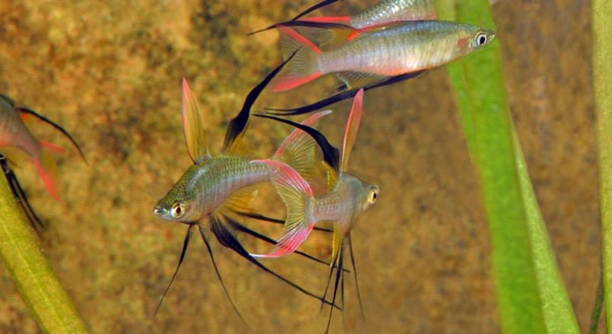
Threadfin rainbowfish are delicate freshwater fish that require a stable environment to thrive. Even minor changes in their surroundings can disrupt their routine and affect their overall health overnight. Observing their behavior helps prevent unnecessary stress.
Several factors contribute to overnight stress in threadfin rainbowfish, including sudden temperature fluctuations, poor water quality, inappropriate lighting, overcrowding, lack of hiding spaces, inconsistent feeding schedules, and excessive noise or vibrations near their tank. Managing these factors ensures their well-being.
Understanding these stressors can help maintain a calm and healthy environment for your fish, supporting their activity and longevity. Proper care overnight is essential for their comfort.
Sudden Temperature Changes
Threadfin rainbowfish are very sensitive to temperature shifts. A sudden drop or rise can stress them within hours, affecting their metabolism and immune system. Even small changes in tank water can trigger erratic swimming, loss of appetite, or hiding. Maintaining a steady temperature between 24–28°C (75–82°F) is ideal. Avoid placing the tank near windows, heaters, or air conditioners, as drafts or direct sunlight can cause quick fluctuations. Using a reliable heater and thermometer helps monitor consistency. Gradual adjustments during water changes or seasonal shifts prevent shock. Observing the fish during temperature changes is essential, as it helps detect early stress signs. Sudden stress may also weaken their resistance to common diseases, so prevention is better than treatment. The stability of their environment directly influences their overall health, activity, and coloration. A calm and consistent tank allows threadfin rainbowfish to rest peacefully overnight. Proper attention ensures that they remain active and display natural behaviors without disruption.
Maintaining stable water temperature reduces stress, encourages healthy behavior, and prevents disease. Consistency is key for their overnight comfort.
Gradual acclimation is essential when introducing new water or adjusting the heater. Avoid abrupt changes, and check water parameters regularly. A thermometer placed near the center of the tank provides accurate readings. Using a heater with a built-in thermostat reduces risks. Monitor fish behavior during temperature shifts. If fish appear lethargic, swimming erratically, or hiding excessively, they may be stressed. Consistent care and attention prevent health issues. Temperature stability at night is as important as daytime conditions. With careful monitoring, threadfin rainbowfish will remain active, healthy, and comfortable overnight.
Poor Water Quality
Dirty or improperly balanced water can make threadfin rainbowfish anxious and unhealthy. Frequent water testing is necessary to maintain ideal conditions.
Ammonia, nitrite, and nitrate spikes can harm fish quickly. Regular water changes and filtration maintain clarity and safety.
Keeping the tank clean ensures fish remain healthy and reduces stress. Avoid overfeeding, remove waste promptly, and use a gentle filter to maintain water movement. Regular water tests allow early detection of issues. A weekly partial water change of 20–25% helps maintain chemical balance. Introduce plants to absorb nitrates naturally. Avoid overcrowding to reduce waste accumulation. Aeration and proper filtration maintain oxygen levels, preventing lethargy and abnormal behavior. Stress from poor water quality can lead to disease outbreaks. Observing fish daily allows early detection of subtle signs like clamped fins, faded color, or reduced activity. Clean, stable water ensures threadfin rainbowfish sleep and rest peacefully overnight. Following a routine schedule for maintenance minimizes surprises and keeps the tank environment healthy for all inhabitants. Consistent care helps them thrive without unnecessary stress.
Inappropriate Lighting
Too bright or inconsistent lighting can disturb threadfin rainbowfish, especially overnight. Sudden changes from light to darkness may startle them, causing stress or erratic swimming. A consistent day-night cycle helps them adjust naturally.
Using a timer ensures predictable lighting for the tank. Too much light at night can prevent rest and disrupt natural rhythms. Fluorescent or LED lights should be dimmed gradually if possible. Avoid placing the tank where external lights may shine directly, as this can mimic sudden daytime changes. Balanced lighting also enhances their coloration without overexposure. Observing fish reactions during lighting adjustments helps fine-tune intensity. Correct light management supports calm, natural behavior. Fish tend to explore less and hide more when lighting is too harsh, signaling stress.
Proper lighting prevents stress, improves sleep, and supports natural behavior. Gradual changes and timers are effective solutions.
Adjust lighting according to natural day-night cycles. Morning to evening transitions should feel gradual to mimic natural conditions. Nighttime darkness allows rest and reduces cortisol levels. Avoid turning lights on abruptly or using high-intensity bulbs near the tank. Low-intensity or shaded lighting during the evening helps fish settle. Consistent routines minimize agitation and support feeding patterns. A timer reduces human error in lighting schedules. Regular observation ensures fish are comfortable and active. Over time, proper lighting encourages healthier behavior, better coloration, and peaceful sleep. Maintaining a predictable schedule keeps threadfin rainbowfish stress-free and allows them to thrive in a controlled environment.
Overcrowding
Too many fish in a tank increases competition for space, hiding spots, and food. Overcrowding leads to stress, aggression, and poor water quality.
Each threadfin rainbowfish requires adequate space to swim freely. A crowded tank reduces oxygen and increases waste buildup.
Providing enough space reduces tension and promotes natural behavior. Avoid placing too many fish in a small tank. Adequate space ensures each fish has room to explore, feed, and rest without constant conflict. Overcrowding can result in weakened immune systems and susceptibility to disease. Adding plants and decorations provides extra hiding spots, which helps reduce stress from social interactions. Regularly monitoring fish behavior ensures they are comfortable. If aggression or fin-nipping occurs, it may indicate the tank is overpopulated. Maintaining the correct stocking density encourages calm activity and healthy growth. Proper management of space contributes to better health, rest, and overall happiness for threadfin rainbowfish.
Lack of Hiding Spaces
Threadfin rainbowfish feel safer with places to hide. Without sufficient cover, they become anxious and may swim frantically or cling to corners.
Adding plants, rocks, or decorations provides shelter. These spaces help them rest and feel secure, reducing stress significantly.
Inconsistent Feeding Schedules
Feeding at irregular times or overfeeding can stress threadfin rainbowfish. They thrive on routine and balanced portions. Avoid leaving uneaten food, as it deteriorates water quality and causes agitation. A predictable feeding schedule keeps their metabolism steady and behavior calm.
Excessive Noise
Loud sounds or vibrations near the tank disrupt threadfin rainbowfish. Sudden bangs, music, or movement can startle them and prevent rest. Maintaining a quiet environment overnight helps them stay calm and healthy.
FAQ
What is the ideal temperature for threadfin rainbowfish?
Threadfin rainbowfish thrive in temperatures between 24–28°C (75–82°F). Consistent temperature helps maintain their metabolism, immunity, and activity. Sudden fluctuations can stress them quickly, leading to erratic swimming or hiding. Using a reliable heater and thermometer ensures the tank stays stable, especially overnight.
How often should I clean their tank?
Partial water changes of 20–25% weekly are recommended. Remove debris and uneaten food promptly to prevent ammonia or nitrate spikes. Overcrowding or poor filtration increases the need for monitoring water quality. Keeping the tank clean reduces stress and supports healthy behavior and coloration.
What kind of lighting works best for threadfin rainbowfish?
A predictable day-night cycle is essential. Bright, harsh light can stress fish, while consistent lighting encourages natural activity and rest. Using a timer helps maintain regular light periods. Dim or indirect lighting in the evening allows them to settle and reduces overnight agitation.
How many threadfin rainbowfish should I keep together?
They are social fish and do best in groups, but overcrowding causes stress. Provide adequate space for swimming and hiding. Overcrowded tanks increase competition for food, oxygen, and territory. Proper stocking density keeps them calm and reduces aggressive behavior.
Do threadfin rainbowfish need hiding spots?
Yes, they need plants, rocks, or decorations to feel secure. Hiding spaces reduce stress, allow them to rest, and give shy individuals places to retreat. Lack of cover can lead to frantic swimming, clamped fins, and nighttime agitation.
How can I tell if my fish are stressed?
Signs include erratic swimming, hiding, faded coloration, loss of appetite, or clamped fins. Over time, stress can weaken their immune system. Monitoring behavior daily allows early intervention. Addressing water quality, temperature, lighting, and social conditions prevents long-term problems.
What should I feed threadfin rainbowfish?
A balanced diet is important. Feed small amounts of high-quality flakes, pellets, or frozen foods once or twice daily. Avoid overfeeding, as leftover food pollutes water and increases stress. Maintaining a consistent feeding schedule supports metabolism and reduces nighttime anxiety.
Can external noise affect my fish?
Yes, loud sounds, vibrations, or movement near the tank can startle and stress them. They may hide, swim erratically, or avoid areas of the tank. Reducing noise and placing the tank in a calm area promotes restful behavior, especially overnight.
Is tank size important for their health?
Adequate space is essential. Crowded tanks cause competition for food and territory, leading to stress and weakened immunity. A spacious tank allows natural swimming patterns, proper rest, and healthier social interactions. Providing at least 20–30 liters per fish is recommended for optimal comfort.
How can I prevent stress overnight?
Maintain stable temperature, clean water, consistent lighting, proper feeding, and adequate hiding spots. Avoid loud noises and overcrowding. Observing behavior helps detect early signs of stress. A calm, well-maintained environment ensures threadfin rainbowfish sleep and rest peacefully without unnecessary agitation.
Threadfin rainbowfish are delicate and sensitive fish that require consistent care to stay healthy. Their environment plays a major role in their overall well-being. Sudden changes in temperature, poor water quality, or inconsistent lighting can cause significant stress, even overnight. By paying attention to their needs and maintaining stable conditions, you can help them remain calm and active. Proper tank setup, including adequate space, hiding spots, and a predictable feeding schedule, ensures they feel secure. Regular observation of their behavior is also important, as it allows you to identify and address early signs of stress before they escalate.
Stress in threadfin rainbowfish is often subtle at first but can affect their health over time. Fish that are stressed may swim erratically, hide excessively, or lose color. Overcrowding, excessive noise, or improper care routines can increase anxiety and weaken their immune system. Preventing these issues involves creating a balanced environment with stable water parameters, consistent lighting, and sufficient space for each fish. Providing natural hiding areas like plants or rocks helps them rest and feel safe, especially during the night. Monitoring their tank daily and performing routine maintenance ensures the water remains clean and safe, reducing risks associated with stress-related illnesses.
Maintaining the right conditions requires consistency and attention, but it is very rewarding. Threadfin rainbowfish thrive when their environment is predictable and free from sudden disturbances. Gradual changes in water temperature, a controlled light cycle, proper feeding, and a peaceful surrounding contribute to their comfort and long-term health. A well-maintained tank not only improves their behavior and coloration but also allows them to rest properly overnight. By understanding their specific needs and addressing factors that cause stress, you create a space where threadfin rainbowfish can flourish. Caring for them in a thoughtful, steady manner ensures they remain healthy, active, and vibrant for years to come.

Hello,
If you enjoy the content that we create, please consider saying a "Thank You!" by leaving a tip.
Every little bit helps us continue crafting quality advice that supports the health, happiness, and well-being of pets around the world, for pets of all shapes, sizes, and species.
We really appreciate the kindness and support that you show us!