
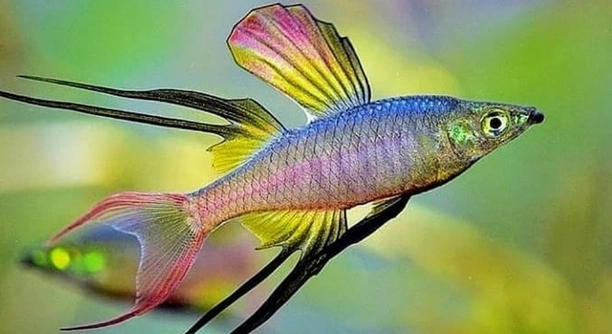
Threadfin Rainbowfish are popular freshwater aquarium fish, admired for their shimmering colors and active swimming. Many aquarium owners pay close attention to their care routines, including water quality, diet, and suitable lighting conditions for optimal health.
Threadfin Rainbowfish generally prefer dim lighting at night, as this mimics their natural environment. Reduced light levels help minimize stress, support natural sleep cycles, and maintain their vibrant coloration, contributing to overall well-being and healthier behavior in captivity.
Providing appropriate nighttime lighting is a small adjustment that can make a noticeable difference in their daily routine and long-term health.
Understanding Threadfin Rainbowfish Nighttime Behavior
Threadfin Rainbowfish are naturally diurnal, meaning they are most active during the day and seek rest at night. In their natural habitat, they retreat to shaded areas or deeper water when sunlight fades. Mimicking this behavior in an aquarium can help reduce stress and promote overall health. Dim lighting at night signals to the fish that it is time to rest, encouraging natural sleep cycles. Bright lights during nighttime can disrupt their rhythm, causing anxiety and lower immunity. Observing your fish during this period can reveal subtle behaviors, such as slower swimming or grouping near plants and decorations. Providing a calm environment with reduced noise, minimal disturbances, and soft lighting supports these behaviors. Adjusting lighting gradually rather than suddenly can prevent startling the fish. Some aquarium owners install timers to maintain consistent day-night cycles. These measures help maintain the fish’s coloration, appetite, and vitality while promoting a peaceful tank environment for all inhabitants.
Dim nighttime lighting reduces stress and improves the health of Threadfin Rainbowfish, allowing them to rest naturally and maintain vibrant colors.
Many fishkeepers notice improved activity levels during the day when nighttime lighting is dimmed. Threadfin Rainbowfish become calmer, swim less frantically, and show fewer signs of stress. Consistency is key: keeping lights on a predictable schedule allows the fish to adapt their internal rhythms naturally. Gradual dimming, rather than sudden darkness, can make the transition smoother. In tanks with multiple species, dim lighting helps balance behaviors, preventing more active fish from disturbing others. Plants and decorations offer hiding spaces, further reducing nighttime stress. Monitoring water temperature and quality at night complements the benefits of proper lighting. Over time, these adjustments improve appetite, color vibrancy, and overall well-being. Lighting management is a simple yet effective way to support your fish’s natural behavior without complicated interventions or excessive equipment. Observing their reactions nightly can guide further refinements to create a calm, healthy environment.
Setting Up Proper Nighttime Lighting
Low-intensity or blue-spectrum lights are ideal for nighttime use in a Threadfin Rainbowfish tank, helping simulate natural conditions.
Using dim or blue lights at night prevents stress while maintaining visibility in the aquarium. Gradual dimming enhances sleep cycles and overall well-being.
To set up appropriate nighttime lighting, start by evaluating your aquarium’s current lighting system. Standard bright lights can be replaced with LED strips or low-wattage bulbs that emit soft, subdued light. Timers are highly effective, allowing the tank to shift from daytime to nighttime lighting without sudden changes that could alarm the fish. Position lights to avoid direct illumination over open swimming areas, favoring corners, plants, or shaded sections. Blue-spectrum lights can mimic moonlight, giving a natural appearance while remaining gentle on the fish. Avoid complete darkness if you need to check the tank at night, as low-level lighting ensures you can observe fish behavior without stress. Additionally, dim lights help maintain the aesthetic appeal of the tank without compromising the fish’s comfort. Regularly monitor the fish to ensure they adapt well, adjusting intensity or duration as needed to maintain a peaceful environment.
Choosing the Right Tank Environment
Threadfin Rainbowfish thrive in tanks with plants, hiding spots, and calm water flow. Dense vegetation and decorations help reduce stress at night by offering shaded areas and natural retreats for resting.
A well-planned tank environment supports the natural behavior of Threadfin Rainbowfish. Plants like Java fern, Anubias, and floating species provide shaded zones that mimic their natural habitat. Hiding spots, such as caves or driftwood, allow them to feel secure during nighttime hours. Smooth water flow prevents strong currents that can stress the fish, especially when they are less active. Lighting should complement these features, highlighting open swimming areas during the day while allowing shaded retreats at night. A balanced environment encourages healthy behavior, stable coloration, and consistent feeding patterns. Observing how the fish interact with plants and shelters can guide adjustments to tank layout for optimal comfort. Consistent water quality, including temperature and pH levels, is also crucial for sustaining a peaceful environment where Threadfin Rainbowfish can rest naturally.
Monitoring behavior is essential to ensure the tank setup meets the needs of all inhabitants. Watching for signs of stress or overcrowding helps maintain harmony and prevent nighttime disturbances.
Maintaining Consistent Day-Night Cycles
Threadfin Rainbowfish adapt best to consistent lighting schedules that replicate natural day-night rhythms. Using timers ensures predictable transitions between light and dim periods.
Consistency in lighting supports sleep cycles and reduces stress in Threadfin Rainbowfish. Sudden changes in brightness can alarm the fish, triggering erratic swimming or hiding. Timers allow gradual dimming at the end of the day, giving fish time to adjust. Maintaining regular light and dark periods helps regulate feeding behavior, activity levels, and overall health. Variations in lighting duration, even a few hours, can disrupt these cycles, leading to increased stress and weakened immune responses. Monitoring the fish’s response to lighting adjustments allows fine-tuning of intensity and timing, creating a calm environment where Threadfin Rainbowfish can rest naturally at night. Properly managed day-night cycles also support vibrant coloration and reduce the likelihood of aggressive interactions among tank mates.
Common Signs of Stress at Night
Threadfin Rainbowfish may show stress through frantic swimming, hiding excessively, or losing color. Recognizing these behaviors early helps prevent long-term health issues and ensures a calm environment.
Stress can also appear as reduced appetite or lethargy. Dim lighting, proper hiding spaces, and consistent day-night cycles minimize these risks and help the fish feel secure during nighttime hours.
Adjusting Light Intensity
Gradually dimming the tank lights over a 15–30 minute period helps Threadfin Rainbowfish adapt smoothly. Sudden changes can startle them and trigger stress responses. Consistent adjustment reinforces their natural circadian rhythm.
Monitoring the fish while adjusting lighting is essential. Observe swimming patterns, interactions, and resting behavior to ensure they respond positively to the new light intensity.
Using Timers Effectively
Timers automate day-night transitions, providing predictable lighting changes that support natural behavior. They reduce stress caused by inconsistent manual lighting adjustments.
Timers allow controlled dimming and brightening schedules, ensuring that Threadfin Rainbowfish experience gradual light changes. This consistency promotes healthier sleep cycles, vibrant coloration, and calm nighttime activity.
FAQ
Do Threadfin Rainbowfish need complete darkness at night?
Threadfin Rainbowfish do not require complete darkness, but very dim lighting is ideal. A low-intensity or blue-spectrum light can mimic moonlight, giving them visibility without causing stress. Complete darkness is safe occasionally, but consistent dim lighting helps maintain their natural sleep cycle and overall well-being.
How long should the lights be dimmed each night?
A period of 10–12 hours of dimmed light is generally suitable, depending on the tank setup and species mix. Gradual dimming for 15–30 minutes before full nighttime helps the fish adjust smoothly, encouraging natural rest and reducing stress. Timers make this process consistent and reliable.
Can bright lights at night harm them?
Yes, bright lighting during nighttime can cause stress, leading to frantic swimming, hiding, or color fading. Over time, it can weaken immunity and affect appetite. Keeping lights low or using shaded areas in the tank prevents these negative effects and supports their natural behavior.
Do plants and decorations help at night?
Absolutely. Dense plants, floating species, and decorations like caves or driftwood create shaded areas that allow Threadfin Rainbowfish to feel secure. These features mimic their natural environment, reducing anxiety and promoting calm nighttime activity. Observing how they use these spaces can guide adjustments to the tank layout.
Should I adjust lighting if I have multiple species?
Yes, when housing multiple species, lighting should accommodate the needs of all fish. Some species tolerate brighter light, while Threadfin Rainbowfish prefer dimmer conditions. Balancing light intensity and providing shaded areas ensures harmony and reduces stress for sensitive fish at night.
Can sudden darkness be harmful?
Sudden darkness can startle Threadfin Rainbowfish, causing rapid swimming or hiding. Gradual dimming with timers or slow manual adjustments prevents shock and supports a predictable day-night cycle, allowing fish to rest naturally.
Are night-specific LED lights necessary?
Night-specific LEDs are helpful but not strictly necessary. They provide a soft, blue glow that mimics moonlight without disrupting sleep. Regular dimmed lights or low-wattage bulbs can also work, as long as the intensity remains low and consistent throughout the night.
How do I know if my fish are adapting well to dim lighting?
Observe their behavior during the transition to dim lighting. Calm swimming, minimal hiding, normal feeding patterns, and vibrant coloration indicate good adaptation. If fish appear stressed or overly active, reassess light intensity, duration, or tank layout to improve comfort.
Can timers completely replace manual adjustments?
Yes, timers provide reliable, consistent day-night cycles without the need for manual intervention. They help prevent sudden changes, reduce stress, and maintain predictable lighting schedules that support natural circadian rhythms. Regular monitoring ensures the timer settings remain appropriate for your fish.
Do dim lights affect plant growth in the tank?
Dim nighttime lighting generally has minimal impact on plants because most freshwater plants rely on daylight periods for photosynthesis. Proper daytime lighting combined with dim night lights supports both plant health and the well-being of Threadfin Rainbowfish, balancing aesthetic and functional needs in the aquarium.
How important is monitoring water quality with dim lighting?
Water quality remains critical regardless of lighting. Dim lights improve comfort, but temperature, pH, and cleanliness are essential for health. Regular testing ensures fish remain vibrant, active, and stress-free, complementing the benefits of appropriate nighttime lighting.
Can dim lighting improve color vibrancy?
Yes, providing dim lighting at night helps reduce stress and encourages normal sleep patterns. Healthy, well-rested fish maintain stronger coloration, which is especially noticeable in Threadfin Rainbowfish due to their naturally bright and shimmering scales.
Is it okay to turn lights off completely on some nights?
Occasional full darkness is acceptable, but consistent dim lighting is preferred. Regular exposure to low light supports sleep cycles and natural behavior, while random complete darkness may temporarily confuse fish and alter activity patterns.
How do I combine lighting with feeding schedules?
Feed during daylight hours when fish are naturally active. Dim lighting at night signals rest, so avoid nighttime feeding. Consistent feeding schedules paired with controlled lighting help maintain predictable behavior, reduce stress, and support healthy growth in Threadfin Rainbowfish.
Can dim lighting prevent aggressive behavior at night?
Yes, dim lighting can reduce nighttime aggression by creating a calm environment. Stress and overstimulation often trigger conflicts, so low light and proper hiding spaces help maintain peace, especially in mixed-species tanks or smaller setups.
Do all Threadfin Rainbowfish respond the same to dim lighting?
Individual fish may react differently based on age, temperament, or health. Observing each fish’s behavior ensures the lighting meets the needs of the entire group. Adjust intensity, placement, or shaded areas to accommodate all individuals comfortably.
Are timers alone enough to maintain a healthy environment?
Timers support natural cycles but should be paired with appropriate tank setup, hiding spots, plant coverage, water quality, and feeding routines. Lighting is just one part of creating a healthy, stress-free environment for Threadfin Rainbowfish.
Can dim lighting help with nocturnal viewing?
Yes, soft blue or low-intensity lights allow observation without disturbing the fish. This provides a balance between monitoring behavior and maintaining a calm, natural nighttime environment.
How often should I check lighting setups?
Regular checks ensure bulbs, LEDs, and timers function correctly. Consistent lighting schedules prevent stress and maintain predictable day-night cycles. Observing fish behavior during these checks helps fine-tune intensity and duration for optimal comfort.
What if fish hide excessively despite dim lighting?
Excessive hiding may indicate stress from other factors like water quality, temperature, or tank mates. Dim lighting helps, but full comfort requires a holistic approach, addressing all environmental and health needs.
Final Thoughts
Threadfin Rainbowfish benefit greatly from a calm and predictable environment, particularly when it comes to lighting at night. Providing dim lighting rather than complete darkness helps them maintain natural sleep cycles and reduces stress. A low-intensity or blue-spectrum light can mimic the subtle glow of moonlight, offering visibility while keeping the fish calm. Sudden changes in lighting can cause anxiety, so gradual dimming is essential. Timers are useful tools that allow for consistent day-night transitions, eliminating sudden brightness or darkness that can startle the fish. By observing how your Threadfin Rainbowfish respond to lighting adjustments, you can fine-tune intensity and duration to suit their individual needs.
A thoughtfully arranged tank enhances the benefits of proper lighting. Dense plants, floating vegetation, and decorations like caves or driftwood provide shaded areas where the fish can rest at night. These elements create a sense of security, reducing hiding stress and encouraging natural behaviors. Smooth water flow, stable temperature, and clean water also contribute to a stress-free environment. By addressing these factors alongside lighting, the fish experience improved health, more vibrant coloration, and calmer activity patterns. Consistency across all aspects of care, from feeding schedules to environmental adjustments, strengthens the overall well-being of Threadfin Rainbowfish.
Monitoring behavior remains key to maintaining a successful nighttime setup. Watch for signs of stress, such as frantic swimming, loss of color, or hiding, and adjust lighting or tank arrangements as needed. Individual fish may respond differently, so providing multiple shaded areas and adjustable lighting ensures that all fish feel comfortable. Dim lighting not only supports natural sleep cycles but also improves their daytime activity, appetite, and immune function. Ultimately, a carefully managed lighting routine combined with a thoughtfully designed tank promotes long-term health and vitality. Maintaining this balance allows Threadfin Rainbowfish to thrive, creating a visually appealing and peaceful aquarium environment that mirrors the conditions they would naturally experience in the wild.

Hello,
If you enjoy the content that we create, please consider saying a "Thank You!" by leaving a tip.
Every little bit helps us continue crafting quality advice that supports the health, happiness, and well-being of pets around the world, for pets of all shapes, sizes, and species.
We really appreciate the kindness and support that you show us!