How to Introduce a New Pleco Safely

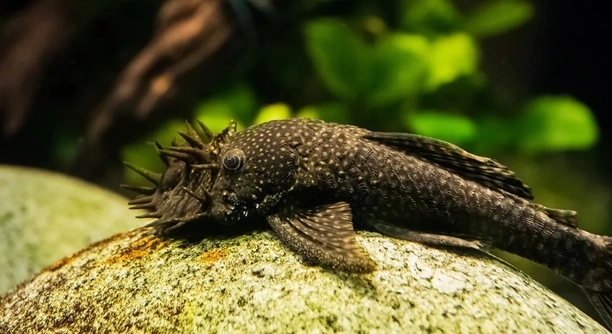
Have you ever brought home a new pleco and wondered how to make the introduction smooth and stress-free for your aquarium? Adding a new fish can feel tricky, especially when aiming for a peaceful environment. The safest way to introduce a new pleco involves quarantining the fish for at least two weeks, acclimating it slowly … Read more
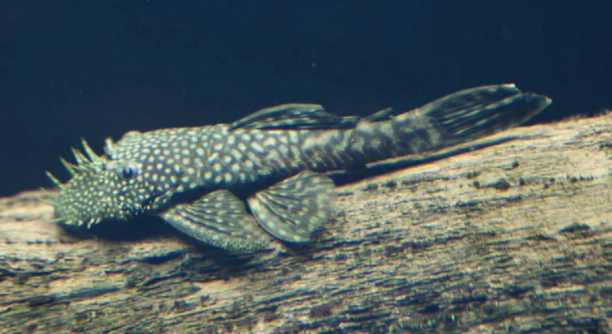
Why Your Pleco Is Constantly Hiding

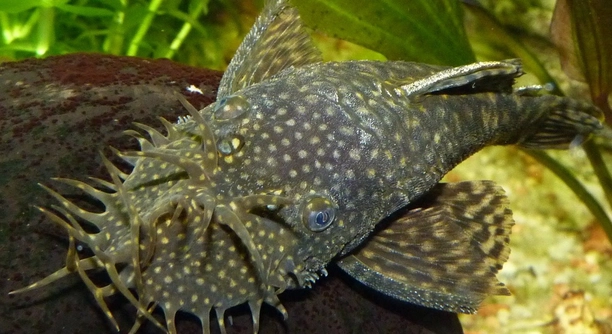
Your pleco may seem to vanish for hours, leaving you unsure where it went. Many owners notice this behavior, especially when their fish appear shy or avoid interacting with the tank’s other inhabitants. Plecos commonly hide due to stress, environmental changes, or natural nocturnal behavior. Providing ample hiding spots, maintaining water quality, and offering proper … Read more

Can You Train a Bristlenose to Eat Veggies?

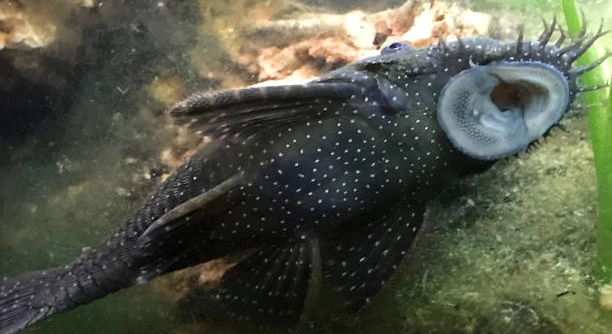
Bristlenose plecos are popular in home aquariums for their algae-eating habits and unique appearance. Many owners enjoy watching them explore the tank, but feeding them a varied diet can feel challenging at times. Bristlenose plecos can be trained to eat vegetables through consistent introduction and preparation. Offering softened or blanched vegetables gradually encourages acceptance, while … Read more

7 Ideal Foods for Growing Juvenile Plecos

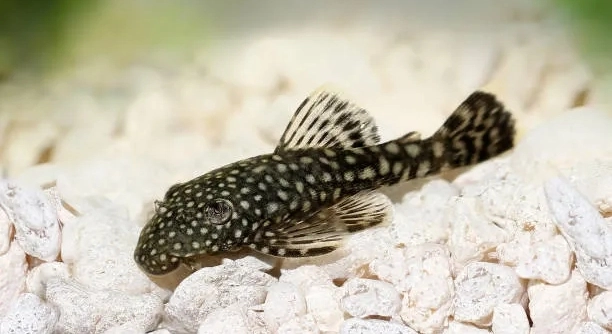
Do your juvenile plecos seem smaller than expected despite careful care? Growing plecos require the right mix of nutrients to develop properly. Feeding them suitable foods ensures their health, size, and overall well-being as they mature. Juvenile plecos thrive on a diet rich in protein, vegetables, and algae-based foods. Providing a balanced combination of these … Read more

7 Tricks to Make Plecos Come Out More Often

Do your plecos tend to hide most of the time, leaving your aquarium looking empty and dull? Many fish owners face this challenge, wanting to see their plecos more often while ensuring they stay safe and comfortable in their environment. Plecos often remain hidden due to stress, lighting, or lack of hiding spots. Providing proper … Read more

Can You Overfeed a Bristlenose Pleco?

Do you enjoy keeping Bristlenose Plecos but wonder about their eating habits? These small algae eaters are often calm and quiet, yet understanding how much to feed them can make a big difference in their health and happiness. Bristlenose Plecos can indeed be overfed, which may lead to water quality issues and health problems. Providing … Read more

7 Stress Triggers You Might Not Notice

Do you often feel tense after a long day, even when nothing obvious seems wrong? Stress can sneak in quietly, triggered by small aspects of daily life that are easy to overlook and underestimate. Many stress triggers are subtle environmental or behavioral factors, such as cluttered spaces, digital overload, poor sleep patterns, caffeine intake, and … Read more

Do Bristlenose Plecos Like Filter Flow?

Do Bristlenose plecos are popular freshwater fish, known for their unique appearance and helpful cleaning habits. Many aquarists enjoy keeping them, but understanding their preferences for tank conditions is important for their health and comfort. Bristlenose plecos generally prefer moderate filter flow. Excessive currents can stress them, limiting their movement and feeding activity. Optimal water … Read more

7 Secrets to Keeping Bristlenose Active

Keeping Bristlenose Plecos active is essential for a healthy aquarium. These curious fish require proper stimulation and care to thrive. Without attention to their environment, diet, and daily interactions, they may become lethargic and less vibrant over time. Ensuring Bristlenose remain active involves providing a balanced diet, adequate hiding spaces, varied enrichment, and consistent water … Read more

Do Bristlenose Plecos Like Hiding in Plants?

Bristlenose plecos are small, peaceful fish that add charm to home aquariums. Their unique appearance and calm nature make them popular among hobbyists. Observing their behavior can help create a more comfortable environment for them. Bristlenose plecos naturally seek shelter among plants and decorations. They prefer hiding spots that provide security and reduce stress. Dense … Read more