
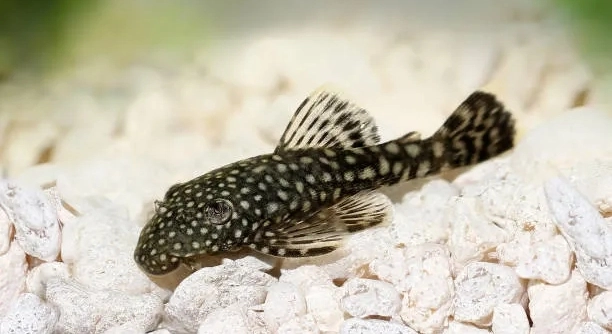
Your pleco may seem to vanish for hours, leaving you unsure where it went. Many owners notice this behavior, especially when their fish appear shy or avoid interacting with the tank’s other inhabitants.
Plecos commonly hide due to stress, environmental changes, or natural nocturnal behavior. Providing ample hiding spots, maintaining water quality, and offering proper diet helps reduce hiding tendencies and supports their overall well-being in captivity.
Learning about your pleco’s habits can improve its comfort and health while making your aquarium a more harmonious environment for all its residents.
Common Reasons Plecos Hide
Plecos often hide because of their natural instincts. They are nocturnal fish and feel safer in dim or covered areas. Stress can also trigger hiding, which may come from sudden changes in water temperature, pH levels, or aggressive tank mates. Lack of proper hiding spots can make a pleco feel vulnerable, causing it to spend most of its time behind decorations, rocks, or plants. Even if the tank seems large, insufficient cover can increase anxiety. Additionally, plecos sometimes hide when they are unwell or experiencing discomfort. Observing behavior patterns, water conditions, and diet is crucial to understanding why a pleco spends so much time concealed. By paying attention to these factors, owners can create an environment that encourages a healthy balance between activity and rest. Proper observation and care reduce unnecessary stress, which helps plecos display more natural behavior.
Plecos also hide to regulate their feeding. Some prefer quiet areas while eating.
Hiding behavior can be reduced by adding caves, driftwood, and plants. Maintaining stable water conditions, avoiding sudden changes, and feeding them in less crowded areas can encourage them to explore more. Over time, plecos grow more comfortable with their surroundings, and their natural curiosity begins to appear during daylight hours.
Environmental Adjustments for Your Pleco
Adding proper hiding spots gives plecos security and comfort. Rocks, caves, and dense plants help them feel safe.
Water quality is critical for plecos to feel at ease. Maintaining the correct temperature, pH, and ammonia levels ensures a stable environment, which reduces stress and hiding tendencies. Sudden changes in light or water flow can cause anxiety, making plecos retreat to corners or dense foliage. Filtration and regular water changes are essential to keep their habitat clean and healthy. Placement of decorations can create natural boundaries and shaded areas where plecos can feel protected. Providing sufficient space in the tank also helps prevent conflicts with other fish. Observing their behavior after adjustments helps confirm improvements. A calm environment paired with routine care not only reduces hiding but also encourages plecos to display normal activity patterns, explore more openly, and interact with tank features. Through small, consistent environmental changes, plecos can become more visible and comfortable during the day, allowing owners to enjoy their unique presence more fully.
Feeding Habits and Hiding
Plecos often hide during the day because they are naturally nocturnal. Feeding them in a quiet, low-light area helps them feel safe and encourages them to come out when hungry.
Providing a proper diet reduces stress and hiding behavior. Plecos need a mix of algae wafers, fresh vegetables, and occasional protein. Feeding too much or too little can make them retreat more often. Observing their feeding schedule and ensuring access to food without competition from tank mates helps them feel secure. Hiding during feeding is normal at first, but with consistency, plecos often become more comfortable eating in the open. Timing meals to match their natural activity patterns also improves visibility.
Sometimes hiding is linked to digestion and energy conservation. Plecos may retreat to quiet areas after feeding to rest and process food efficiently. Ensuring water temperature is stable and the tank has enough cover supports this natural behavior. Avoid disturbing them during this time, as repeated interruptions can increase stress. Over time, plecos develop predictable routines and spend less time hidden when their environment and feeding habits are well-managed.
Tank Mates and Social Behavior
Aggressive or overly active fish can cause plecos to hide more often. Giving them space prevents constant stress and allows normal behavior.
Plecos interact with their tank mates carefully. Stress from competition over food or territory causes them to retreat. Introducing compatible species and avoiding overcrowding helps maintain calm. Observing interactions is important, as some plecos are territorial and need separate areas. Hiding spots also reduce conflict, allowing plecos to feel secure while coexisting. Understanding each species’ temperament and adjusting tank layout accordingly supports a peaceful environment. Over time, plecos gradually spend more time visible, exploring without feeling threatened.
Lighting and Daytime Activity
Bright lights can make plecos feel exposed, prompting them to hide more frequently. Dim lighting or shaded areas help them feel secure.
Adjusting the tank’s light schedule to mimic natural day-night cycles encourages plecos to explore more. Sudden or harsh lighting should be avoided to reduce stress.
Water Quality and Stability
Plecos are sensitive to changes in water conditions. High ammonia, nitrite, or nitrate levels can trigger hiding behavior. Regular testing and consistent water changes maintain a safe, healthy environment. Sudden temperature shifts or pH fluctuations also cause stress, so keeping parameters stable is essential. Providing a well-filtered tank with adequate oxygen and minimal toxins allows plecos to feel secure. Observing them over time reveals patterns, showing that stability directly impacts their willingness to leave hiding spots. Clean, stable water supports overall health, reduces stress, and encourages natural behavior.
Seasonal Behavior
Some plecos hide more during seasonal changes, reflecting natural instincts to conserve energy or adjust to environmental shifts.
FAQ
Why does my pleco hide all the time?
Plecos are naturally nocturnal and often prefer dark, secluded areas during the day. Hiding can also indicate stress caused by sudden changes in water temperature, pH, or tank mates. Providing caves, driftwood, and dense plants helps them feel secure and reduces constant hiding.
Is it normal for plecos to hide after feeding?
Yes, plecos often retreat to quiet spots after eating to rest and digest. This behavior helps conserve energy and feels natural. Ensuring stable water temperature and minimal disturbances during this period supports their comfort and encourages healthy digestion.
Can the tank setup affect hiding behavior?
Absolutely. A tank lacking hiding spots, uneven decorations, or too few shaded areas can make plecos feel exposed. Adding caves, plants, or driftwood gives them places to retreat and explore safely. A well-structured environment reduces stress and encourages normal activity patterns.
Do plecos hide because of other fish?
Aggressive or overly active tank mates can make plecos feel threatened. Territorial conflicts or competition for food often lead them to retreat. Observing interactions, separating aggressive species, and providing enough personal space allows plecos to feel safe and gradually spend more time outside hiding.
How does lighting affect hiding behavior?
Bright lighting can make plecos feel vulnerable. They prefer dimly lit areas or shaded spots. Adjusting light intensity and providing natural day-night cycles reduces hiding tendencies and encourages them to explore their tank more confidently. Sudden or harsh lighting should always be avoided.
Can water quality issues cause hiding?
Yes, plecos are sensitive to high levels of ammonia, nitrites, or nitrates. Poor water quality stresses them, prompting constant hiding. Regular testing, consistent water changes, and proper filtration create a stable environment, making them feel secure and more likely to swim openly.
Does pleco species affect hiding behavior?
Different pleco species have varying activity levels. Some are more nocturnal or territorial, naturally hiding more than others. Researching the specific species’ habits helps set expectations for behavior and guides the creation of an ideal tank setup for their comfort.
How can I encourage my pleco to come out more?
Offering multiple hiding spots while keeping the tank stable is key. Feeding in low-light areas, minimizing disturbances, and maintaining compatible tank mates encourages exploration. Gradually, plecos feel secure and spend more time visible without fear. Patience and consistency are important.
Is hiding ever a sign of illness?
Persistent hiding paired with changes in color, appetite, or behavior can indicate illness. Parasites, infections, or internal issues often make plecos retreat. Regular observation and water maintenance are essential. If unusual symptoms persist, consulting an aquatic veterinarian ensures proper care.
Do seasonal changes affect pleco behavior?
Yes, plecos may hide more during seasonal shifts or temperature fluctuations, reflecting natural instincts. Providing stable water conditions, consistent lighting, and adequate hiding areas helps them adjust comfortably without added stress.
How often should I monitor my pleco’s hiding habits?
Daily observation is recommended. Noticing patterns in activity, feeding, and resting spots allows early detection of stress or illness. Keeping a simple log of behavior changes helps maintain a healthy and comfortable tank environment.
Are some plecos just shy?
Individual personalities vary. Some plecos are naturally more cautious or shy. Respecting their comfort zones and maintaining a stable, safe environment gradually builds confidence, encouraging them to explore without forcing interaction.
Can overfeeding impact hiding?
Overfeeding can make plecos lethargic and more likely to hide. Balanced portions and a mix of algae, vegetables, and occasional protein maintain health and energy levels. Proper feeding routines also reduce competition and stress among tank mates.
Does tank size influence hiding?
A cramped tank increases stress, making plecos feel unsafe and more likely to hide. Adequate space for swimming and separate hiding areas for each fish promotes comfort, reduces conflict, and encourages more visible behavior.
How long will it take for a pleco to feel comfortable?
It varies by individual and environment. Some plecos adjust within weeks, while others take months. Consistent water quality, appropriate hiding spots, compatible tank mates, and a calm environment are crucial for building trust and comfort over time.
Can I rearrange the tank to reduce hiding?
Yes, careful rearrangement can help. Adding new hiding spots or creating shaded areas encourages exploration. Avoid frequent or drastic changes, as this can increase stress. Gradual adjustments allow plecos to adapt and feel secure in their space.
What signs indicate my pleco is too stressed?
Excessive hiding, clamped fins, sudden color changes, or erratic swimming suggest stress. Checking water parameters, tank mates, and environmental factors can help identify causes. Addressing these promptly supports health and reduces prolonged hiding behavior.
Does hiding impact pleco growth?
Prolonged stress from constant hiding can affect appetite and energy, potentially slowing growth. Stable conditions, proper feeding, and secure hiding spots support healthy development while allowing natural behavior without excessive retreat.
Are there techniques to observe plecos without stressing them?
Yes, using soft lighting, approaching the tank slowly, and avoiding sudden movements helps observe them comfortably. Feeding in a consistent location and monitoring at different times of day reveals natural behaviors without causing stress.
How does tank decoration type influence hiding?
Plecos prefer natural decorations like driftwood and live plants over artificial, sharp objects. Smooth, shaded areas create safe retreats. Strategic placement of these elements encourages exploration while giving them secure hiding spaces when needed.
Can plecos become less shy over time?
Yes, with consistent care, stable conditions, and a safe environment, plecos gradually spend more time visible. Regular observation, gentle feeding routines, and respecting their hiding preferences encourage confidence and natural daytime activity.
Final Thoughts
Understanding why your pleco hides helps create a more comfortable and healthy environment for your fish. Plecos are naturally nocturnal and cautious creatures, so spending time in hiding is often part of their instinct. Many factors influence this behavior, including tank setup, water quality, lighting, and interactions with other fish. Observing your pleco carefully allows you to notice patterns and subtle changes, which are often early signs of stress or discomfort. Providing appropriate hiding spots, such as caves, driftwood, and plants, ensures they have secure areas to retreat to when needed. This not only reduces unnecessary stress but also encourages natural behaviors, allowing your pleco to thrive. Maintaining a calm and stable environment supports their overall health and well-being while helping them gradually feel more comfortable exploring the tank. Over time, you may notice that your pleco spends more time in open areas, interacting with its surroundings more confidently, especially during feeding or quieter periods of the day.
Water quality is one of the most important factors affecting a pleco’s willingness to come out of hiding. Poor water conditions, including fluctuations in temperature, pH, or ammonia levels, can lead to prolonged hiding and stress. Regular water testing and consistent maintenance are essential for keeping these parameters stable. Filtration and water changes help prevent toxins from accumulating and maintain oxygen levels, which directly influences a pleco’s comfort. Alongside stable water, feeding routines play a role in visibility and behavior. Offering a balanced diet of algae wafers, vegetables, and occasional protein, combined with feeding in quieter areas, encourages plecos to leave their hiding spots. Overfeeding or underfeeding can cause stress, making them retreat more often. Additionally, adjusting lighting to provide shaded areas and a natural day-night cycle creates a safer environment. This combination of proper care, nutrition, and stability allows your pleco to feel secure while slowly becoming more active and visible in the tank.
Interactions with tank mates also influence hiding behavior. Aggressive or overly active fish may cause plecos to feel threatened, prompting them to retreat frequently. Ensuring compatibility and providing enough space helps reduce stress and prevents conflicts over territory or food. By observing social dynamics and offering multiple hiding areas, you allow plecos to coexist comfortably while maintaining natural behavior. Patience is key; some plecos take longer to adjust, and forcing interaction can increase anxiety. Over time, with careful observation and consistent care, your pleco will likely become more confident. Understanding and respecting their natural instincts while addressing environmental needs creates a healthy, balanced habitat. This approach not only supports their physical well-being but also fosters more visible and relaxed behavior, allowing you to enjoy their unique presence in your aquarium without worry.

Hello,
If you enjoy the content that we create, please consider saying a "Thank You!" by leaving a tip.
Every little bit helps us continue crafting quality advice that supports the health, happiness, and well-being of pets around the world, for pets of all shapes, sizes, and species.
We really appreciate the kindness and support that you show us!