Do Bristlenose Plecos Outgrow Small Tanks?
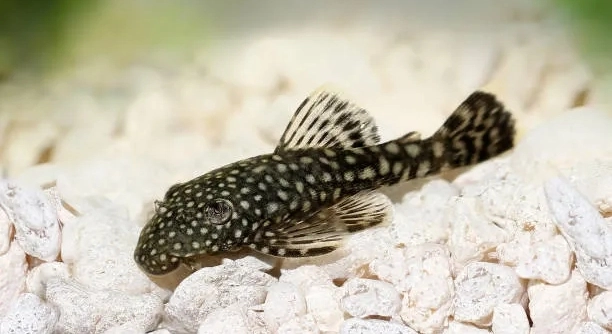
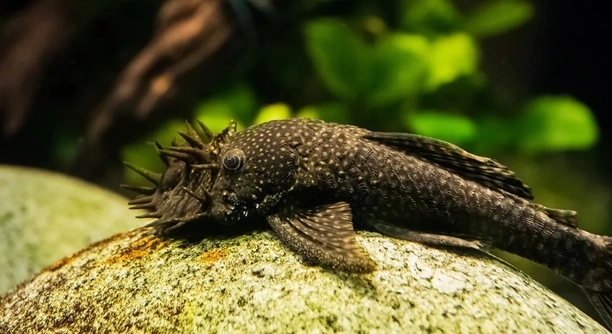
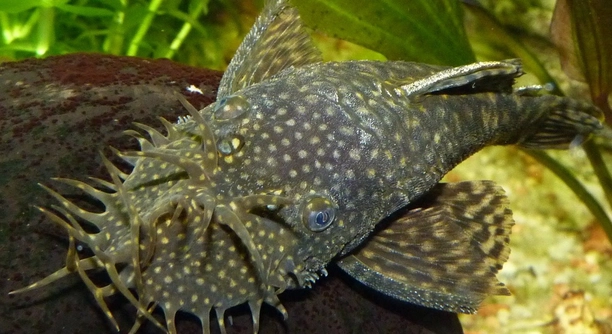
Do you enjoy keeping freshwater aquariums but find yourself wondering how your Bristlenose Pleco will adapt to its home over time? Many aquarists start with small tanks, unsure how these fish will grow. Watching them thrive can be both rewarding and surprising. Bristlenose Plecos generally remain relatively small compared to other catfish, typically reaching 4 … Read more
7 Ways to Tell If a Pleco Is Stressed Out

Is your pleco behaving differently than usual, leaving you concerned about its well-being? These freshwater fish can exhibit signs of stress that are easy to miss if you are not paying close attention. Plecos show stress through changes in behavior, appearance, and environment interaction. Common indicators include loss of appetite, hiding excessively, rapid gill movement, … Read more

Why Your Pleco Might Be Avoiding Algae

Are your plecos spending more time hiding than grazing on algae? Many fish owners notice their algae-eating companions ignoring the green growth in their tanks. This behavior can leave aquariums less tidy than expected. Plecos may avoid algae due to dietary preferences, water quality issues, tank environment, or stress. Ensuring proper nutrition, stable water parameters, … Read more

7 Signs It’s Time to Change the Pleco Cave

Is your pleco cave starting to look worn out or too small for your fish? Over time, these hiding spots can lose their appeal or fail to meet your pleco’s needs. Keeping their environment comfortable is important. Changing a pleco cave becomes necessary when structural damage, excessive algae buildup, improper size, or deterioration affects your … Read more

Do Bristlenose Plecos Prefer Dim Light?

Do you ever notice your Bristlenose Pleco hiding in the corners of the tank, coming out mostly at night or when the lights are low? These small, armored catfish have unique behaviors that make their care interesting and sometimes puzzling. Bristlenose Plecos generally prefer dim light, as bright lighting can stress them and disrupt their … Read more

7 Causes of Pleco Fin Damage

Are your pleco’s fins looking torn or ragged lately? It can be worrying to see your fish struggling, especially when they usually swim gracefully around the tank without a care in the world. Pleco fin damage is most often caused by environmental stressors, injuries, or disease. Poor water quality, aggressive tank mates, nutritional deficiencies, fungal … Read more

7 Tank Maintenance Habits That Help Plecos

Have you ever noticed your plecos acting sluggish or hiding more than usual in their tank? Keeping them healthy requires attention to their environment and routine care, which can make a big difference in their overall wellbeing. Maintaining a clean tank, monitoring water quality, and providing proper nutrition are essential habits that support plecos’ health. … Read more

7 Substrate Types That Work for Bristlenose

Bristlenose plecos are gentle, bottom-dwelling fish that enjoy exploring their environment. Providing the right substrate in their aquarium helps them stay healthy, encourages natural behaviors, and supports the overall ecosystem of the tank. Choosing the appropriate substrate for bristlenose plecos involves considering texture, composition, and compatibility with their dietary and behavioral needs. Sand, fine gravel, … Read more

7 Breeding Challenges Pleco Keepers Face

Do you ever find yourself struggling to breed plecos successfully, despite having a well-maintained aquarium? Many keepers invest time and effort into creating ideal conditions, yet breeding these fish often presents unexpected obstacles that can test patience. Breeding plecos involves complex environmental, dietary, and behavioral requirements. Common challenges include inadequate water conditions, insufficient hiding spaces, … Read more

Why Is My Pleco Aggressive During Spawning?

Is your pleco showing unusual aggression in your aquarium? Many fish owners notice changes in behavior when their plecos enter the spawning phase, which can be surprising even for experienced hobbyists. Plecos become aggressive during spawning primarily due to territorial instincts and reproductive behavior. Males guard nesting sites and protect eggs from potential threats. This … Read more