
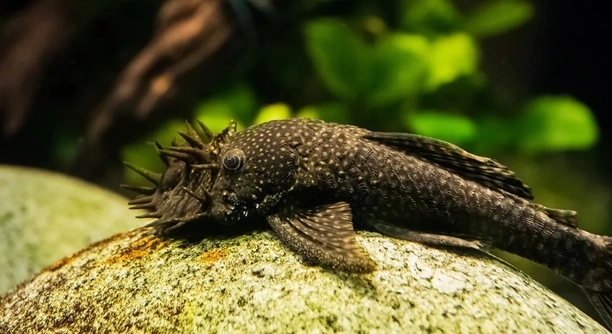
Have you ever brought home a new pleco and wondered how to make the introduction smooth and stress-free for your aquarium? Adding a new fish can feel tricky, especially when aiming for a peaceful environment.
The safest way to introduce a new pleco involves quarantining the fish for at least two weeks, acclimating it slowly to the main tank’s water, and monitoring interactions closely to prevent aggression or stress among existing tank mates.
Knowing these steps will help your pleco adjust comfortably and ensure harmony in your tank for both new and existing fish.
Preparing the Tank for a New Pleco
Before bringing a new pleco home, it is important to make sure the tank is ready. Clean the tank thoroughly, remove any leftover food or debris, and ensure the water parameters are stable. Plecos prefer slightly warm water, a pH around 6.5 to 7.5, and plenty of hiding spots like caves or driftwood. Providing a stable environment reduces stress and helps the new pleco adjust quickly. Make sure the filtration system is working well, as plecos produce a lot of waste. Adding some live plants can also improve water quality and give the fish additional shelter. Preparing the tank properly shows respect for the fish’s natural habits and sets the stage for a smooth introduction. Skipping these steps can cause the pleco to become stressed or ill. A well-prepared tank supports not just the new pleco, but the existing fish too.
Proper tank preparation creates a safe and comfortable environment for your new pleco.
A tank that is clean, well-filtered, and enriched with hiding spaces helps plecos feel secure. Proper water conditions and extra shelter allow them to explore safely, reducing aggression and encouraging healthy behavior in both new and established fish.
Quarantine and Acclimation
Quarantining a new pleco prevents disease from spreading.
Quarantine involves keeping the pleco in a separate tank for at least two weeks, observing its health, and treating any issues before introducing it to the main tank.
During quarantine, check for signs of illness like spots, frayed fins, or unusual swimming patterns. Feed the pleco a varied diet to ensure it is healthy and strong. Slowly acclimate it to the main tank’s water by gradually mixing water from the primary tank over several hours. This reduces stress caused by sudden changes in temperature or water chemistry. Once the pleco shows healthy behavior and normal eating habits, it can be introduced carefully. Monitor interactions with existing fish during the first days, providing additional hiding spaces if needed. Taking these precautions reduces the risk of conflict and disease, making the transition safer for everyone in the tank. A careful quarantine and acclimation process gives the new pleco the best chance to thrive.
Introducing the Pleco to the Main Tank
Keep the new pleco in a separate container within the main tank for a few hours to help it adjust. Observe both the new and existing fish closely for any signs of aggression or stress.
Gradually releasing the pleco into the main tank allows it to explore at its own pace. Start by letting it swim around hiding spots and familiarize itself with the tank layout. Make sure there are plenty of caves, driftwood, or other shelters to prevent confrontations. Feeding both the new and existing fish at the same time can help reduce territorial behavior. Avoid sudden movements around the tank during this period, as plecos can become easily startled. Monitor the pleco’s behavior for the first few days to ensure it is eating, resting, and interacting normally. A slow introduction helps maintain harmony in the tank and reduces stress for all fish involved.
Some plecos are more territorial than others, so giving them space is essential. Avoid crowding or chasing them, and provide multiple feeding spots to prevent competition. Observing these behaviors ensures the tank remains peaceful.
Monitoring Behavior and Health
Watch for changes in the pleco’s appearance and actions regularly. Stress, disease, or poor adaptation can show up quickly.
Check for healthy eating, normal swimming, and proper coloration. Keep an eye on fins, eyes, and skin for signs of damage or illness. Any unusual behavior, such as hiding constantly or refusing food, may indicate stress or infection. Compare its behavior to existing tank mates to identify potential conflicts. Ensure water parameters remain stable, as sudden changes can worsen stress. Document feeding habits and interactions for the first week to notice subtle changes. Adjust tank conditions or introduce additional hiding spaces if the pleco seems uneasy. Regular observation supports early intervention and a healthier environment.
Consistent care and attention help prevent problems before they escalate. Timely adjustments, proper feeding, and maintaining a calm environment contribute to the pleco’s overall well-being and a harmonious tank.
Introducing the Pleco to the Main Tank
Keep the new pleco in a separate container within the main tank for a few hours to help it adjust. Observe both the new and existing fish closely for any signs of aggression or stress.
Gradually releasing the pleco into the main tank allows it to explore at its own pace. Start by letting it swim around hiding spots and familiarize itself with the tank layout. Make sure there are plenty of caves, driftwood, or other shelters to prevent confrontations. Feeding both the new and existing fish at the same time can help reduce territorial behavior. Avoid sudden movements around the tank during this period, as plecos can become easily startled. Monitor the pleco’s behavior for the first few days to ensure it is eating, resting, and interacting normally. A slow introduction helps maintain harmony in the tank and reduces stress for all fish involved.
Some plecos are more territorial than others, so giving them space is essential. Avoid crowding or chasing them, and provide multiple feeding spots to prevent competition. Observing these behaviors ensures the tank remains peaceful.
Monitoring Behavior and Health
Watch for changes in the pleco’s appearance and actions regularly. Stress, disease, or poor adaptation can show up quickly.
Check for healthy eating, normal swimming, and proper coloration. Keep an eye on fins, eyes, and skin for signs of damage or illness. Any unusual behavior, such as hiding constantly or refusing food, may indicate stress or infection. Compare its behavior to existing tank mates to identify potential conflicts. Ensure water parameters remain stable, as sudden changes can worsen stress. Document feeding habits and interactions for the first week to notice subtle changes. Adjust tank conditions or introduce additional hiding spaces if the pleco seems uneasy. Regular observation supports early intervention and a healthier environment.
Consistent care and attention help prevent problems before they escalate. Timely adjustments, proper feeding, and maintaining a calm environment contribute to the pleco’s overall well-being and a harmonious tank.
FAQ
How long should I quarantine a new pleco before adding it to the main tank?
Quarantining a new pleco for at least two weeks is recommended. This period allows you to observe for any signs of illness, parasites, or unusual behavior. Early detection during quarantine reduces the risk of spreading disease to existing tank mates.
What is the best way to acclimate a pleco to new water conditions?
Gradually mix water from the main tank into the quarantine or transport container over several hours. This slow process helps the pleco adjust to differences in temperature, pH, and hardness, reducing stress and preventing shock when it is released.
How do I know if my pleco is stressed after introduction?
Signs of stress include hiding constantly, refusing food, erratic swimming, or faded coloration. Monitoring these behaviors daily helps you spot problems early. Adding extra hiding spots and keeping tank activity low can help the pleco feel more secure.
Can plecos live with other bottom-dwelling fish?
Yes, but care must be taken. Plecos can become territorial over feeding areas or hiding spots. Providing multiple shelters and feeding zones reduces aggression. Observe interactions closely during the first week to ensure harmony among all bottom dwellers.
What should I feed a new pleco during the first week?
Feed a varied diet including algae wafers, vegetables like zucchini or cucumber, and occasional protein sources. Small, frequent feedings encourage eating without overwhelming the tank. This helps the pleco gain strength and reduces competition with established fish.
How often should I monitor water quality for a new pleco?
Check ammonia, nitrite, nitrate, and pH levels at least every other day during the first two weeks. Plecos produce significant waste, so stable water quality is essential. Adjust filtration or perform small water changes as needed to maintain safe conditions.
What signs indicate a pleco is settling in well?
A pleco that explores the tank, eats regularly, and shows normal coloration is adapting well. Interactions with other fish should be calm, with minimal chasing or aggression. Providing consistent care reinforces positive behavior and comfort in the tank.
Do plecos need hiding places right away?
Yes, hiding places reduce stress and give plecos a sense of security. Caves, driftwood, and dense plants provide shelter and prevent conflicts with other fish. Even a well-established tank benefits from multiple hiding spots for the pleco’s comfort.
Is it necessary to rearrange decorations for a new pleco?
Rearranging the tank slightly can help reduce territorial disputes by disrupting established boundaries. However, avoid drastic changes, which may stress both the pleco and existing fish. Small adjustments to create new hiding spots are usually sufficient.
How long does it take for a pleco to fully adjust to a new tank?
Adjustment can take anywhere from a few days to several weeks, depending on the fish and tank conditions. Patience is key. Monitoring behavior, providing proper feeding, and maintaining stable water conditions will support a smooth transition.
What should I do if my pleco is aggressive?
Identify triggers such as feeding times or limited hiding spots. Increase shelters and spread food across different areas. If aggression continues, consider separating the pleco temporarily. Careful observation and environmental adjustments usually resolve conflicts without long-term issues.
Can plecos recognize their owners or interact with humans?
Plecos are generally shy but can recognize movement near the tank. They may approach the glass during feeding. Interaction is subtle compared to other species, but consistent feeding routines and gentle observation help build a sense of familiarity.
Is it safe to keep multiple plecos in the same tank?
It depends on species and tank size. Some plecos are territorial, especially larger ones. Provide multiple hiding spots, sufficient space, and monitor closely. Smaller pleco species may tolerate each other better, but adult fish require careful planning to prevent conflict.
How do I prevent disease when introducing a new pleco?
Quarantine, proper acclimation, and maintaining stable water conditions are key. Avoid introducing sick fish and monitor closely for any changes in behavior or appearance. Early intervention with treatment helps protect the entire tank from illness.
Can plecos survive on algae alone?
Algae alone is not enough for most plecos. While they graze on algae, supplementing their diet with vegetables, sinking pellets, and occasional protein ensures proper nutrition, growth, and overall health.
How often should I feed my pleco?
Feed once or twice daily, adjusting portion size to avoid leftover food. Overfeeding can pollute the tank, while underfeeding may lead to stress and malnutrition. Observing the pleco’s eating habits helps determine the right routine.
What temperature is ideal for a new pleco?
Most plecos thrive in water between 72–78°F. Maintaining a stable temperature is essential, as sudden fluctuations can stress the fish. Use a reliable heater and thermometer to ensure consistent conditions.
How can I reduce stress during tank maintenance?
Perform water changes gently, avoid sudden movements, and keep lights dimmed if possible. Providing hiding places allows plecos to retreat during maintenance, minimizing stress and promoting calm behavior.
What should I do if my pleco refuses to eat?
Check water quality, temperature, and stress factors. Offer a variety of foods, including fresh vegetables and algae wafers. If the pleco continues to refuse food for several days, consult a fish health specialist for advice.
Are plecos nocturnal or active during the day?
Most plecos are nocturnal, becoming more active at night. They may hide during the day and emerge after lights dim. Understanding this behavior helps you schedule feeding and monitor activity without disturbing them.
Can plecos harm plants in the tank?
Some plecos may nibble on soft plants, especially if hungry. Hardier plants or artificial decorations reduce damage. Providing sufficient vegetables and algae supplements helps prevent them from eating desirable plants.
How do I know if my pleco is the right size for my tank?
Consider adult size and swimming space. Larger plecos need spacious tanks and strong filtration. Overcrowding can cause stress, disease, and aggressive behavior. Planning for adult size ensures a healthy, long-term habitat.
What are common signs of illness in plecos?
Look for frayed fins, white spots, unusual swimming, swelling, or faded coloration. Promptly isolating and treating sick plecos prevents the spread of disease and supports recovery. Regular observation is the best way to catch issues early.
Is it necessary to adjust lighting for plecos?
Moderate lighting is best. Plecos prefer dimly lit areas and hiding spots. Bright or constant lighting may stress them. Combining soft lighting with shaded areas helps replicate natural conditions and encourages natural behavior.
How often should I clean the tank with a new pleco?
Perform small water changes weekly and clean debris from the substrate. Plecos produce significant waste, so regular maintenance is essential. Avoid full cleanings that disturb the biological balance; consistent partial changes maintain water quality.
Do plecos need companions?
They are generally solitary but coexist with compatible species. Companions should not compete aggressively for territory or food. Observing interactions ensures both plecos and tank mates remain healthy and stress-free.
Can plecos live in freshwater only?
Yes, plecos are freshwater fish. They do not require brackish or saltwater environments. Maintaining stable freshwater conditions with proper filtration and hiding spots is essential for their health.
How do I handle a pleco safely?
Use a soft net or container, avoiding sudden movements. Plecos have sharp spines, so handle gently and only when necessary. Minimizing handling reduces stress and prevents injury to both the fish and yourself.
What is the best way to introduce multiple plecos at once?
Introduce them simultaneously in a spacious tank with multiple hiding spots. Monitor interactions closely. Providing equal access to food and shelters helps prevent aggression and ensures all plecos adjust comfortably.
How can I encourage a pleco to explore its tank?
Adding hiding places, plants, and driftwood encourages natural exploration. Feeding in different areas stimulates activity. Avoid sudden disturbances; a calm environment fosters confidence and regular movement throughout the tank.
Can plecos jump out of the tank?
Yes, plecos can jump, especially when stressed or seeking food. Ensure the tank has a secure lid to prevent escape. Reducing stress and providing hiding spots also lowers the risk of jumping incidents.
Do plecos need a specific type of substrate?
Soft sand or smooth gravel is ideal. Rough or sharp substrates can injure delicate fins and undersides. Providing a comfortable substrate mimics natural habitats and reduces stress-related injuries.
How do I introduce a pleco to an already established tank without conflict?
Quarantine, acclimate slowly, provide multiple hiding spots, and feed consistently. Monitor interactions during the first week. Adjust decorations or separate the fish temporarily if aggression occurs. A careful, structured introduction minimizes stress and supports tank harmony.
What should I do if the pleco is not eating at night?
Check water conditions, light levels, and hiding spaces. Some plecos take time to adjust to feeding schedules. Offering food near shelters and observing nocturnal activity can encourage proper eating behavior.
Is it necessary to provide driftwood for all pleco species?
Most plecos benefit from driftwood for hiding and scraping surfaces. Some species, like wood-eating plecos, rely on it for digestion. Including driftwood improves health, offers enrichment, and mimics natural habitat conditions.
How do I prevent overfeeding when multiple plecos are in the tank?
Feed in small portions across different areas. Monitor consumption and remove uneaten food after a few hours. Balanced feeding prevents water pollution, reduces aggression, and ensures each pleco receives proper nutrition.
Can plecos coexist with aggressive fish?
It depends on species and tank setup. Aggressive fish may harass plecos. Providing shelters, maintaining space, and careful observation help reduce conflicts. In some cases, separation may be necessary for safety and stress reduction.
How often should I check for signs of disease in a new pleco?
Daily observation during the first few weeks is ideal. Early detection of fin damage, discoloration, or unusual swimming allows for prompt treatment and protects other fish in the tank. Regular checks support overall health.
Can plecos recognize feeding times?
Yes, plecos often learn feeding patterns. They may become active near feeding time, especially in a calm and consistent environment. Predictable schedules help reduce stress and encourage healthy eating habits.
How do I keep a pleco healthy long-term?
Maintain clean water, proper filtration, balanced diet, adequate hiding spots, and monitor behavior regularly. Stability and consistency in care ensure a pleco can thrive, grow, and live a long, healthy life in the tank environment.
How do I tell the difference between male and female plecos?
Males often have broader heads and more pronounced pectoral fins, while females appear rounder, especially when full of eggs. Differences vary by species, so researching the specific pleco type is helpful for accurate identification.
Can plecos survive without algae in the tank?
Yes, but supplemental feeding is required. Algae provides some nutrition, but vegetables, sinking pellets, and protein are essential. A diet lacking variety can lead to malnutrition and poor growth.
Are plecos sensitive to water changes?
Yes, sudden large changes can stress them. Perform gradual water changes and maintain stable parameters. Small, consistent adjustments are safer and support the pleco’s health during tank maintenance.
Do plecos need vitamins or supplements?
Supplementing occasionally with high-quality foods ensures proper nutrition. Vegetables, algae wafers, and occasional protein sources cover most needs. Over-supplementing is unnecessary and may affect water quality.
How long can a pleco live in a home tank?
With proper care, many plecos live 10–15 years, and some species can live longer. Consistent water quality, a balanced diet, and a stress-free environment support longevity.
Is it safe to move a pleco between tanks?
Yes, if acclimated properly. Use gentle handling, quarantine if necessary, and gradually adjust to new water parameters. Sudden moves or rough handling can cause stress and injury.
Can plecos damage decorations in the tank?
Some may scrape surfaces or nibble on soft plants, but decorations are usually safe. Providing driftwood, hiding spots, and vegetables reduces unwanted damage while keeping the pleco engaged.
How do I know if a pleco is happy in the tank?
A healthy, active pleco that eats well, explores the tank, and displays normal coloration is likely comfortable. Calm interactions with other fish and consistent behavior indicate well-being.
Can plecos live in cold water?
Most plecos prefer warmer water and may become stressed in temperatures below 70°F. Using a reliable heater maintains safe, stable conditions suitable for their health.
Do plecos need additional filtration in a tank?
Yes, because plecos produce a lot of waste. Strong filtration helps maintain water quality, reduces ammonia buildup, and supports overall tank health for both new and existing fish.
How do I prevent bullying of a new pleco?
Provide multiple hiding spots, feed in different areas, and monitor behavior. Reducing competition and giving the pleco space lowers aggression and ensures safer integration into the tank.
Can plecos coexist with schooling fish?
Yes, schooling fish often occupy mid or upper tank levels. Plecos remain at the bottom, so interactions are minimal. Ensure enough hiding places to prevent stress for both plecos and tank mates.
What is the ideal tank size for a new pleco?
Size depends on species, but most require at least 30–50 gallons. Larger species need more space for swimming and hiding. Proper tank size prevents stress, aggression, and stunted growth.
How do I know if my pleco is eating enough?
Monitor leftovers and observe feeding behavior. A healthy pleco should consume offered food within a few hours and maintain proper body shape. Adjust portions as needed to prevent overfeeding or underfeeding.
Can plecos survive in a community tank?
Yes, if species compatibility, tank size, and hiding spots are adequate. Proper planning, observation, and care ensure plecos and other fish live peacefully together.
How do I handle a sick pleco?
Isolate it in a hospital tank, maintain optimal water conditions, and provide appropriate treatment. Early intervention and careful care increase chances of recovery without affecting other fish.
Can plecos help clean the tank?
Plecos eat algae and detritus, but they are not a substitute for proper maintenance. Regular cleaning and water changes are still necessary to maintain a healthy tank.
What should I do if my pleco hides constantly?
Check water quality, provide sufficient hiding spots, and reduce disturbances. Constant hiding may indicate stress, illness, or an adjustment period. Observe behavior closely and make gradual environmental improvements.
Do plecos need special lighting at night?
No, low or dim lighting is sufficient. Plecos are nocturnal and prefer shaded areas. Proper hiding spots allow them to rest comfortably during daylight hours.
How do I know if my pleco is compatible with other fish?
Observe interactions during the first days, ensuring no persistent chasing, fin nipping, or stress. Providing enough space, hiding spots, and feeding zones supports peaceful coexistence. Compatibility depends on species, size, and tank setup.
What are common mistakes when introducing a new pleco?
Rushing introduction, skipping quarantine, insufficient hiding spots, overfeeding, or sudden water changes. Avoiding these mistakes ensures a smooth adjustment and reduces stress or disease risks.
Can plecos survive in small tanks temporarily?
Yes, but only short-term. Stress and water quality issues increase in small tanks. Temporary housing should still provide hiding places, clean water, and proper feeding until a larger tank is available.
How do I reduce algae growth without harming my pleco?
Regular water changes, controlling light, and limiting excess food help. Plecos will graze on algae naturally, but chemical treatments should be avoided unless safe for fish.
Can plecos tolerate slightly brackish water?
Some species tolerate minimal brackish conditions, but most prefer freshwater. Researching the specific species ensures water conditions remain safe and suitable.
How can I prevent fights over food?
Feed in multiple areas and provide enough portions for all bottom dwellers. Adding vegetables and sinking pellets reduces competition and ensures each fish receives proper nutrition.
Do plecos need supplemental calcium?
Driftwood and varied diet usually provide enough calcium. Some wood-eating species may require additional supplementation to support growth and digestion. Monitor health and adjust diet if needed.
Can plecos live with shrimp?
Generally yes, but large plecos may disturb shrimp while foraging. Providing hiding spaces for shrimp and feeding plecos well reduces potential conflicts.
How do I tell if my pleco is too stressed to survive in the tank?
Signs include refusing food, erratic swimming, rapid gill movement, and faded coloration. Immediate action, such as improving water quality, adding hiding spots, or isolating the fish, may prevent further harm.
What should I do if multiple plecos fight?
Provide more hiding places, spread food, and monitor behavior. If aggression persists, consider separating the fish or rearranging the tank to reduce territorial disputes.
How long after introduction will a pleco explore its tank fully?
Exploration time varies by personality and tank conditions. Some adjust within a few days, while others take several weeks. Patience and a stable environment encourage natural exploration.
Can plecos survive on frozen or dried food alone?
Frozen or dried food can supplement their diet, but plecos also need fresh vegetables and algae. A balanced diet supports proper growth, digestion, and overall health.
Do plecos need a specific water current?
Plecos tolerate moderate currents but generally prefer calm areas. Gentle filtration and areas with slower flow allow them to rest while still keeping water oxygenated.
How often should I observe pleco interactions with other fish?
Daily observation during the first two weeks is ideal. Noting aggression, hiding behavior, and feeding habits ensures any issues are addressed quickly.
Can plecos survive in a tank with fluctuating temperatures?
No, temperature swings stress plecos and can weaken their immune system. Maintaining a stable temperature with a reliable heater is essential for health and long-term survival.
Do plecos need live plants for hiding?
Live plants are helpful but not required. Driftwood, caves, and artificial decorations provide hiding spaces. Plants can improve water quality and create a more natural environment.
How do I prevent stress during tank maintenance?
Perform gentle water changes, avoid sudden movements, and provide hiding places. Dimmed lights and minimal disturbance reduce stress for plecos and other fish during routine maintenance.
Can plecos tolerate tap water?
Tap water is acceptable if treated for chlorine, chloramine, and heavy metals. Testing and adjusting pH and hardness
Final Thoughts
Introducing a new pleco to your aquarium can feel like a big task, but careful planning makes it much easier. Preparing the tank properly is the first step. Cleaning the tank, checking water parameters, and adding plenty of hiding spaces creates a comfortable environment. Plecos are naturally shy and territorial, so giving them areas to retreat helps reduce stress. A clean tank also supports the health of both new and existing fish, preventing problems before they start. Small details, like stable temperature, proper filtration, and a mix of hiding spots, may seem minor, but they make a significant difference in how smoothly the new pleco adjusts. Taking the time to get the tank ready shows respect for the fish’s natural behavior and helps everyone in the tank feel more secure.
Quarantine and acclimation are essential steps when bringing a new pleco home. Quarantining the fish for at least two weeks allows you to watch for signs of illness or parasites. During this time, you can provide a balanced diet and make sure the fish is eating and behaving normally. Acclimating the pleco to the main tank’s water gradually helps prevent stress caused by sudden changes in temperature or water chemistry. Slowly mixing the main tank water with the quarantine water allows the fish to adjust at its own pace. Once the pleco is ready, introducing it to the main tank carefully and monitoring interactions with existing fish ensures that aggression is minimized. These steps protect the health of all fish in the aquarium and set the stage for a peaceful environment.
Monitoring behavior and providing consistent care are just as important after the pleco joins the main tank. Observing eating habits, swimming patterns, and coloration helps you notice early signs of stress or illness. Offering a varied diet of vegetables, algae wafers, and occasional protein supports proper nutrition and overall health. Maintaining clean water and performing regular partial water changes prevents the buildup of waste that can harm the fish. Providing enough space and hiding spots helps reduce territorial conflicts and keeps the tank peaceful. Over time, your pleco will become more comfortable, explore the tank confidently, and interact safely with other fish. With patience, attention, and consistent care, you can ensure a healthy and happy life for your pleco while keeping the entire aquarium in balance.

Hello,
If you enjoy the content that we create, please consider saying a "Thank You!" by leaving a tip.
Every little bit helps us continue crafting quality advice that supports the health, happiness, and well-being of pets around the world, for pets of all shapes, sizes, and species.
We really appreciate the kindness and support that you show us!