
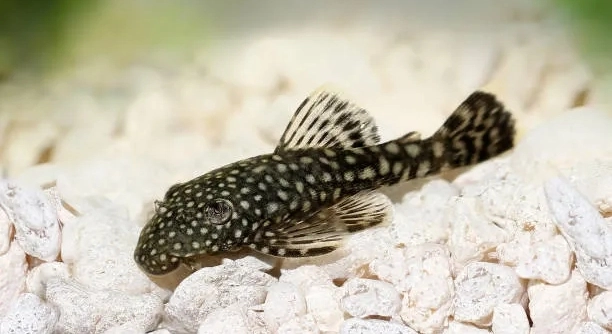
Do you enjoy keeping Bristlenose Plecos but wonder about their eating habits? These small algae eaters are often calm and quiet, yet understanding how much to feed them can make a big difference in their health and happiness.
Bristlenose Plecos can indeed be overfed, which may lead to water quality issues and health problems. Providing measured portions of food suitable for their size helps maintain proper nutrition without causing excess waste in the aquarium.
Learning the right feeding habits ensures your Pleco stays healthy while keeping the tank clean. Proper routines and careful observation make all the difference in their well-being.
How Much to Feed Your Bristlenose Pleco
Feeding your Bristlenose Pleco the right amount can be tricky at first. I learned that giving too much food leads to uneaten leftovers, which quickly pollute the water. Plecos mainly eat algae, but they also enjoy vegetables like zucchini, cucumber, and spinach. I usually slice vegetables thinly so they are easy to eat and remove them after a few hours to prevent decay. Pellet or sinking wafers work well as the main diet, but overfeeding these can cause obesity and digestive issues. Watching your Pleco’s behavior helps a lot; they will often nibble a little, then leave the food. Feeding once a day or every other day is generally enough for adult Plecos, while juveniles may need smaller portions more frequently. Keeping a consistent schedule makes it easier to notice any changes in appetite or health, and it helps maintain clean, healthy water in the tank.
Feeding too much can harm both the Pleco and your aquarium’s water quality.
Observing your Pleco while it eats is essential. I noticed that when I give too much food at once, it often ignores the extra, and the leftovers start to rot. This not only smells bad but increases ammonia levels, which stress the fish. By feeding measured portions and removing excess food, I keep the water stable and reduce algae overgrowth. Overfeeding can also make Plecos lethargic and lead to obesity. Balancing their diet with fresh vegetables and occasional pellets helps them stay active. Small changes, like adjusting portion size and frequency, make a noticeable difference in their overall health.
Signs Your Pleco is Overfed
Overfed Plecos often leave food uneaten and become less active. Watching their behavior daily helps prevent long-term issues.
When a Pleco receives more food than it can consume, it may show several warning signs. One common sign is leftover food remaining in the tank, which can quickly spoil and affect water quality. Overfed Plecos may also appear bloated or swim sluggishly. I noticed that my Pleco’s fins seemed less vibrant when overfed, and it spent more time hiding than exploring the tank. Excessive feeding increases waste production, which can trigger algae blooms and cloudy water. Adjusting portion sizes and monitoring feeding habits is crucial to prevent these problems. Including vegetables and occasional pellets, while limiting treats, ensures they get the right nutrition without overloading the system. Paying attention to these indicators allows me to correct feeding habits promptly, keeping my Pleco healthy and the tank environment stable. Regularly checking water parameters, like ammonia and nitrate levels, also helps maintain a safe habitat for the fish.
Preventing Overfeeding
Keeping feeding portions small prevents leftover food and water issues. I learned that consistency matters more than giving large amounts at once.
I started using a pinch of sinking pellets each feeding instead of filling the bottom of the tank. My Pleco quickly adjusted, eating all the food within a few hours. I also rotate vegetables like zucchini and spinach to provide variety and nutrients without excess. Removing uneaten food after a few hours keeps the water clean and reduces ammonia spikes. Over time, I noticed my Pleco stayed more active and the tank required less cleaning. Regular observation helps adjust portions if needed, especially as the fish grows or its appetite changes.
Measuring food and feeding at consistent times helps maintain healthy habits. I often track how much the Pleco finishes to avoid giving too much. Overfeeding slowly damages water quality and fish health, so small, careful portions make a big difference.
Adjusting Feeding Frequency
Feeding frequency impacts both the Pleco’s health and the tank environment. Too often can cause waste buildup.
I feed my adult Pleco every other day, which keeps it active and prevents leftovers from rotting. Juveniles need smaller, more frequent feedings, usually once daily, to support growth without overloading the tank. I watch how quickly my Pleco finishes each portion. If food remains after an hour, I reduce the next feeding slightly. Vegetables and pellets are rotated to maintain balanced nutrition. Observing behavior and water clarity helps fine-tune the schedule. Less frequent feeding also encourages natural grazing on algae, which keeps the tank cleaner and provides enrichment. Tracking feeding frequency alongside portion size has made a noticeable difference in overall fish health and water quality.
Monitoring Pleco Health
Watching your Pleco regularly helps spot early signs of overfeeding. Changes in behavior or appearance can indicate a problem.
Bloating, sluggish swimming, or leftover food are clear signs that portions are too large. I noticed my Pleco hiding more when I accidentally overfed, which prompted me to adjust the amount immediately.
Choosing the Right Food
Selecting appropriate food reduces the risk of overfeeding. I prefer sinking pellets and fresh vegetables because they are easy to portion. Vegetables like zucchini, cucumber, and spinach provide fiber, while pellets ensure complete nutrition. Avoid floating flakes or excessive treats, which often lead to uneaten leftovers and water issues.
Cleaning Up Leftovers
Removing uneaten food quickly prevents water quality problems. I scoop out any remains within a couple of hours to keep the tank stable and safe for my Pleco.
FAQ
How can I tell if my Bristlenose Pleco is overfed?
Overfeeding signs are usually easy to spot. Uneaten food left in the tank, bloated body, sluggish movement, or a change in behavior often indicate too much food. I noticed my Pleco hiding more when I fed too much, which prompted me to reduce portions immediately. Monitoring their behavior daily helps catch problems before they affect water quality or health.
What is the best portion size for an adult Pleco?
For adult Bristlenose Plecos, a small pinch of sinking pellets or a thin slice of vegetable per feeding is usually sufficient. I found that giving more than this led to leftovers that decayed quickly, causing water issues. Measuring portions consistently helps maintain both the fish’s health and a clean tank.
How often should I feed my Pleco?
Adult Plecos do well when fed every other day. Juveniles may need smaller, daily portions to support growth. I follow this schedule strictly and adjust if I notice leftover food or changes in activity. Feeding less often encourages natural grazing on algae and keeps the tank cleaner.
Can overfeeding harm water quality?
Yes. Leftover food decomposes, releasing ammonia and nitrates that stress fish and promote algae growth. I learned this the hard way when I overfed once, and the water quickly became cloudy. Removing uneaten food and controlling portions prevents these issues. Regular water testing also helps catch imbalances early.
Are vegetables necessary in a Pleco’s diet?
Vegetables are essential for fiber and nutrients. Zucchini, cucumber, and spinach are my go-to choices. I slice them thinly to make them easy to eat and remove leftovers after a few hours. Vegetables keep the Pleco healthy without overloading the tank with uneaten pellets.
Can I give pellets every day?
Pellets provide complete nutrition, but feeding them daily can be too much. I prefer giving them every other day for adults while supplementing with vegetables. This approach reduces leftovers, helps maintain water quality, and prevents obesity or bloating in the fish.
What should I do if my Pleco seems bloated?
If bloating occurs, reduce feeding immediately and monitor water quality. Sometimes fasting for a day or two helps. I also check for leftover food that may be decomposing in the tank. Keeping the diet balanced with vegetables and measured pellets usually prevents this problem.
Is it safe to leave vegetables in the tank overnight?
No. Vegetables left too long can rot and pollute the water. I remove any uneaten portions after a few hours. This simple step keeps ammonia levels low and prevents algae blooms while ensuring the Pleco gets fresh, edible food.
Can overfeeding affect Pleco behavior?
Yes. Overfed Plecos often become lethargic, hide more, or stop grazing on algae. I noticed my fish became less active and avoided areas it usually explored after overfeeding. Adjusting the portions restored normal behavior within a few days.
How do I balance pellets and vegetables?
A good approach is to provide a small pinch of pellets every other day and rotate vegetables for variety. I alternate zucchini, cucumber, and spinach to ensure fiber intake while avoiding overfeeding. Observing how much the Pleco eats helps fine-tune this balance.
What’s the simplest way to prevent overfeeding?
Measure every portion, feed at consistent times, and remove uneaten food quickly. I use a pinch method for pellets and thin vegetable slices. This routine keeps my Pleco healthy and the tank stable without complicated schedules or excessive monitoring.
Can overfeeding cause long-term health problems?
Yes. Chronic overfeeding can lead to obesity, digestive issues, and poor water quality. I learned that controlling portion size and feeding frequency early prevents these problems. Regular observation and minor adjustments maintain health over the long term.
Should I adjust feeding if my Pleco is very active?
Activity level doesn’t always mean more food is needed. I noticed that even when my Pleco was exploring more, sticking to measured portions prevented leftovers and water issues. Observing appetite, not activity alone, is the best guide.
How does water temperature affect feeding?
Colder water slows metabolism, so fish eat less. I reduce portions in cooler tanks to prevent leftovers from rotting. Warmer water increases appetite, but I still stick to measured amounts to avoid overfeeding and water problems.
Can overfeeding impact other tank inhabitants?
Yes. Excess food can create poor water conditions affecting all fish and invertebrates. I’ve seen algae blooms and stressed tank mates after overfeeding. Controlled portions and removing uneaten food protect the entire aquarium ecosystem.
This FAQ covers the main concerns I’ve encountered with overfeeding Bristlenose Plecos and the practical steps that keep them healthy while maintaining water quality.
Final Thoughts
Overfeeding a Bristlenose Pleco is more common than many aquarists realize. It’s easy to think that giving more food will make the fish happier, but the opposite is usually true. Excess food leads to water pollution, algae growth, and stress for the fish. I have seen first-hand how a small adjustment in portion size can dramatically improve both the Pleco’s behavior and the clarity of the water. Keeping meals small, consistent, and balanced with vegetables and sinking pellets ensures the fish gets proper nutrition without overwhelming the tank environment. Observing how much the Pleco actually eats before adding more is one of the simplest and most effective strategies to prevent overfeeding.
Feeding frequency is just as important as portion size. Adult Plecos generally do well with feedings every other day, while juveniles may need slightly more frequent meals. Overfeeding often happens when meals are offered too frequently or in large amounts, leading to leftover food that quickly decomposes. I learned that creating a regular schedule helps maintain a healthy routine for the fish and reduces the chance of overfeeding. Removing any uneaten food after a few hours is a small step that makes a big difference. Vegetables such as zucchini, cucumber, and spinach are excellent supplements, providing fiber and nutrients without creating unnecessary waste. Sinking pellets provide a complete diet, but giving too many at once can lead to bloating and obesity. Maintaining the right balance between pellets and vegetables supports the Pleco’s health and keeps the tank environment stable.
Monitoring your Pleco’s health is essential. Signs of overfeeding include leftover food in the tank, bloating, sluggish movement, and reduced activity. I pay close attention to these indicators and adjust feeding practices immediately when something seems off. Water quality is another key factor affected by overfeeding, as leftover food can increase ammonia and nitrate levels, which stresses all inhabitants of the tank. Regular water checks and cleaning routines help mitigate these risks. Small, careful adjustments in portion size, feeding frequency, and diet variety go a long way toward keeping Bristlenose Plecos healthy and happy. Consistency and observation are more important than large amounts of food, and taking the time to monitor their needs will create a thriving aquarium that benefits both the fish and the overall ecosystem.

Hello,
If you enjoy the content that we create, please consider saying a "Thank You!" by leaving a tip.
Every little bit helps us continue crafting quality advice that supports the health, happiness, and well-being of pets around the world, for pets of all shapes, sizes, and species.
We really appreciate the kindness and support that you show us!