
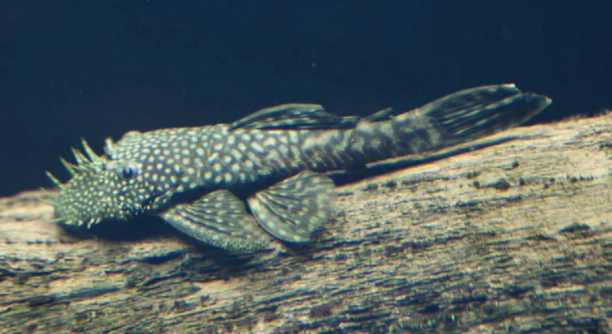
Do Bristlenose plecos are popular freshwater fish, known for their unique appearance and helpful cleaning habits. Many aquarists enjoy keeping them, but understanding their preferences for tank conditions is important for their health and comfort.
Bristlenose plecos generally prefer moderate filter flow. Excessive currents can stress them, limiting their movement and feeding activity. Optimal water flow provides oxygenation while allowing natural behavior such as grazing on algae and resting in sheltered areas.
Observing their behavior in relation to filter flow can improve tank setup. Proper adjustments ensure a comfortable environment, supporting both their activity levels and overall well-being.
Understanding Bristlenose Plecos and Water Flow
Bristlenose plecos are small, hardy fish that adapt well to home aquariums, but water flow plays a crucial role in their comfort. They thrive in moderate currents that mimic their natural habitats. Too strong a flow can cause stress, making them hide constantly or reduce feeding. Conversely, stagnant water may lead to poor oxygenation and accumulation of debris. Proper filter placement is essential, as plecos often prefer areas where the water movement is gentle near the substrate and plants. Observing them regularly helps determine if the current is suitable. They like resting on smooth surfaces, driftwood, or rocks that allow them to brace against the flow without struggling. Adjusting flow with spray bars or partially blocking the filter output can create calmer zones. Temperature and water quality also interact with flow, so ensuring balanced conditions is key. Maintaining the right environment promotes natural behavior, healthy growth, and better algae control.
Moderate filter flow helps plecos feel secure, encourages feeding, and reduces stress, ensuring they thrive in the tank environment consistently.
Providing the correct water flow supports natural grazing, resting patterns, and interaction with tank elements. Plecos use moderate currents to anchor themselves while feeding, preventing them from being swept away. Adjusting the flow creates comfortable areas near driftwood or decorations where they can explore safely. Observing their movement can indicate satisfaction with the current, guiding adjustments. Tank layout affects flow patterns; open swimming spaces may have stronger currents, while dense plant areas remain calm. Filtration type and output height also influence water movement. A balance between oxygenation and gentle flow ensures plecos can perform regular behaviors, contributing to a healthier tank ecosystem overall. Regular checks and minor tweaks prevent long-term stress, making maintenance straightforward and predictable.
Signs Plecos Are Comfortable with Flow
Plecos display calm, consistent behavior when water flow is suitable. They maintain position on surfaces without struggling and graze steadily without retreating frequently.
When water flow is too strong, plecos may cling tightly to surfaces or hide behind decorations. Stress from high currents can reduce feeding and make them inactive for long periods. Adjusting flow gradually allows them to acclimate while still benefiting from proper oxygenation. Positioning decorations strategically can break currents and provide safe zones. Observing these responses over several days ensures correct calibration. Additionally, moderate flow encourages movement and exploration without forcing them into constant exertion, supporting natural habits and overall tank balance. Maintaining consistent conditions and monitoring behavior allows the tank to remain stable, keeping plecos healthy and content over time.
Adjusting Filter Flow for Bristlenose Plecos
Adjusting filter flow can be simple. Many tanks allow you to reduce output with a sponge, spray bar, or repositioning the filter. Creating calm zones helps plecos feel secure and encourages natural grazing without stress or constant hiding.
Finding the right flow requires observation. Start by placing the filter at a moderate setting and watch how your plecos behave over a few days. If they cling excessively to surfaces or retreat to corners, the current may be too strong. Using decorations, plants, or driftwood can help break currents and create gentle areas. Gradually adjusting flow rather than sudden changes prevents stress. Proper flow encourages healthy activity, feeding, and resting patterns, while supporting overall tank hygiene by maintaining water circulation and oxygenation. Balancing flow across the tank ensures plecos can move freely without exhaustion or frustration.
Regular monitoring is key. Plecos may change their preferred areas as they grow or as the tank environment shifts. Check behavior weekly, noting areas they favor and adjusting flow if necessary. Small tweaks over time maintain comfort, allowing plecos to thrive while maintaining a balanced aquarium ecosystem. Flow adjustments also help prevent algae overgrowth in stagnant spots and reduce debris accumulation. Combining visual observation with practical modifications makes the process straightforward, ensuring the plecos remain active, healthy, and content throughout all stages of their development.
Common Mistakes with Filter Flow
Too strong a current is the most common mistake. It can overwhelm plecos, making them hide or avoid feeding. Other errors include uneven flow and ignoring tank layout.
Inadequate flow management often results from ignoring pleco behavior or tank design. Placing filters without considering current patterns can create areas that are too turbulent, forcing plecos to expend excessive energy holding position. On the other hand, stagnant zones reduce oxygen levels and may accumulate detritus, affecting water quality and pleco health. Overcorrecting by turning off the filter or reducing output too much can create similar problems. Proper flow involves balancing output, positioning decorations strategically, and observing pleco activity. Gradual adjustments prevent stress and encourage natural behavior, while promoting stable water conditions that support all tank inhabitants. Regular checks and minor modifications help maintain both comfort for plecos and overall tank hygiene, avoiding long-term issues caused by improper flow.
Creating Calm Zones in the Aquarium
Calm zones are essential for Bristlenose plecos. They prefer areas where water movement is minimal, allowing them to rest, graze, and feel secure without struggling against strong currents.
These zones can be made using plants, driftwood, or rocks. Positioning decorations strategically breaks the flow and provides shelter, encouraging natural behavior and reducing stress.
Observing Pleco Behavior
Plecos indicate comfort through steady grazing, relaxed resting, and consistent movement. Frequent hiding or clinging signals that flow may be too strong or uneven. Observing behavior daily helps maintain optimal tank conditions.
Filter Placement Tips
Placing filters higher or redirecting outputs can reduce current intensity in resting areas. Experimenting with position ensures gentle water movement without compromising oxygenation.
Long-Term Flow Maintenance
Regularly checking filter flow ensures plecos remain comfortable as tank conditions change. Adjustments may be needed as decorations shift, fish grow, or new additions affect current patterns. Consistent monitoring supports healthy behavior and overall tank stability.
FAQ
Do Bristlenose plecos need strong water flow?
No, Bristlenose plecos do not require strong water flow. They naturally inhabit rivers and streams with gentle to moderate currents. Strong flow can stress them, making them cling to surfaces constantly or hide for long periods. Moderate currents are enough to provide oxygenation and help with waste circulation.
Can I reduce filter flow without harming water quality?
Yes, you can reduce filter flow safely if done carefully. Use a sponge, spray bar, or adjust filter direction to slow the current. It’s important to maintain sufficient circulation for oxygen levels and debris removal. Gradual adjustments prevent stress and keep water conditions stable.
How can I tell if the flow is too strong?
Plecos struggling to stay in one place, clinging tightly to surfaces, or hiding constantly are signs of excessive flow. Observing their movement is the easiest way to determine comfort. Calm grazing, steady swimming, and frequent resting suggest the flow is suitable.
Are calm zones necessary in a tank?
Yes, calm zones are important. Plecos need areas where the current is gentle to rest and feed naturally. Driftwood, plants, and rocks create safe spots. These zones mimic natural habitats and reduce stress, helping plecos stay active and healthy.
Will adjusting the filter harm other fish?
Not usually, as long as overall water circulation and oxygenation remain adequate. Most community fish tolerate moderate adjustments. Check that areas of the tank are still well-circulated, so all fish benefit from clean, oxygen-rich water.
How often should I check flow?
Flow should be checked weekly. Observe pleco behavior and notice any changes, such as hiding or reduced feeding. Adjust as necessary when decorations are moved, new fish are added, or plecos grow, since their needs may change over time.
Can plecos get used to strong currents?
Some plecos may adapt slightly, but prolonged exposure to strong currents can cause stress and reduced activity. It’s better to provide moderate flow and calm zones than to rely on adaptation, as stress affects feeding, growth, and overall health.
Does tank size affect water flow needs?
Yes, larger tanks may have areas with stronger currents near filter outputs. Creating multiple calm zones helps plecos access gentle water in larger aquariums. Smaller tanks may require less adjustment but still benefit from flow moderation near resting areas.
What equipment helps control flow?
Spray bars, adjustable filters, and sponge attachments can reduce current intensity. Driftwood, rocks, and plants can redirect or block water, creating gentle zones. Using a combination of these methods allows precise flow management without sacrificing water quality.
Can plecos thrive in high-current tanks?
They can survive, but thriving is unlikely. High currents make grazing difficult and increase energy expenditure. Moderate flow with calm zones promotes natural behavior, healthy feeding, and reduced stress, allowing plecos to grow and maintain good overall health.
How do I balance flow and oxygenation?
Balancing flow involves providing gentle currents for plecos while maintaining overall water movement to prevent stagnation. Adjust filter output gradually and observe both pleco behavior and tank conditions. Calm zones alongside circulated areas create a healthy environment for all fish.
Will flow changes affect algae growth?
Yes, water movement influences algae distribution. Slower currents can encourage growth on surfaces where plecos graze, which is beneficial. However, stagnant spots may accumulate excessive algae or debris, so maintaining moderate circulation while providing calm zones is ideal.
Do plecos need flow in a heavily planted tank?
Even in planted tanks, moderate flow is helpful for oxygen distribution and nutrient movement. Plants can reduce water movement locally, so combining filter output and calm zones ensures plecos have safe resting areas without sacrificing water quality.
Can flow affect breeding behavior?
Yes, plecos prefer calmer areas for spawning. High currents can discourage hiding in caves or attaching eggs to surfaces. Providing gentle flow and protected zones encourages natural breeding behavior and protects eggs from being swept away.
Is there a difference between young and adult plecos regarding flow?
Young plecos are often more sensitive to strong currents than adults. Providing gentle flow with sheltered areas helps fry feed and grow safely. Adults are stronger swimmers but still benefit from calm zones to rest and graze efficiently.
How do I maintain consistent flow long-term?
Regularly check filter output and tank layout. Clean filters to prevent blockages and adjust flow if decorations shift. Observing pleco behavior ensures the flow remains suitable over time, allowing them to thrive throughout all stages of growth.
Can flow affect pleco health long-term?
Yes, inappropriate flow can cause chronic stress, reduced feeding, or weakened immunity. Moderate, well-distributed currents with calm zones support natural behavior, activity, and overall health, minimizing long-term risks associated with stress or poor water circulation.
Are there flow differences between tank types?
Different tank setups, like planted, community, or single-species tanks, affect flow patterns. Planted tanks may naturally reduce currents, while open tanks require careful filter placement to avoid strong currents. Observing pleco behavior helps determine necessary adjustments.
How fast should plecos move with proper flow?
Plecos should move steadily without struggling or being forced by the current. Grazing and resting should feel natural. If they appear exhausted or cling constantly, the flow is too strong and should be reduced.
Can plecos live without any current?
While plecos can survive in still water, completely stagnant conditions are not ideal. Lack of circulation reduces oxygen levels, increases debris, and can stress the fish. Moderate flow with calm zones ensures health and comfort for long-term care.
This FAQ provides practical guidance to manage filter flow effectively, promoting healthy, stress-free Bristlenose plecos in a variety of tank setups.
Final Thoughts
Bristlenose plecos are resilient and adaptable fish, but their comfort and health depend heavily on proper tank conditions, especially water flow. Observing how they respond to currents is key. Moderate flow supports their natural behavior, including grazing, resting, and exploring, while strong currents can lead to stress and reduced activity. Providing calm zones with driftwood, plants, or rocks allows plecos to find shelter and conserve energy, creating a more balanced environment for them. The goal is not only to keep the water clean and oxygenated but also to ensure that the plecos can thrive in areas where they feel secure. By paying attention to their daily habits, you can adjust filter flow gradually, which keeps them healthy and encourages natural activity patterns without unnecessary stress.
Managing flow is not a one-time task; it requires ongoing observation and minor adjustments. Plecos’ needs may change over time, especially as they grow or as tank conditions shift. Adding new decorations, moving plants, or introducing other fish can alter water movement, which may require recalibration of the filter output. Regularly monitoring behavior is the best way to know whether changes are needed. Calm grazing, steady swimming, and resting in sheltered spots are all positive signs. On the other hand, excessive hiding or constant clinging to surfaces signals that the flow may be too strong or uneven. Maintaining balance between sufficient circulation and gentle areas ensures that plecos remain comfortable while still benefiting from proper water movement and oxygenation, which also supports the overall tank ecosystem.
Ultimately, the key to keeping Bristlenose plecos healthy and content lies in understanding their preferences and observing their behavior carefully. Providing a moderate current, creating calm zones, and making small adjustments as needed will allow plecos to thrive in a home aquarium. The right balance of water flow promotes natural behaviors, encourages feeding, and reduces stress, making the tank a stable and enjoyable environment for all inhabitants. Attention to these details not only supports the long-term health of your plecos but also makes caring for them easier and more predictable. By prioritizing their comfort and observing subtle behavioral cues, you can create a well-balanced aquarium where Bristlenose plecos live active, healthy, and stress-free lives.

Hello,
If you enjoy the content that we create, please consider saying a "Thank You!" by leaving a tip.
Every little bit helps us continue crafting quality advice that supports the health, happiness, and well-being of pets around the world, for pets of all shapes, sizes, and species.
We really appreciate the kindness and support that you show us!