
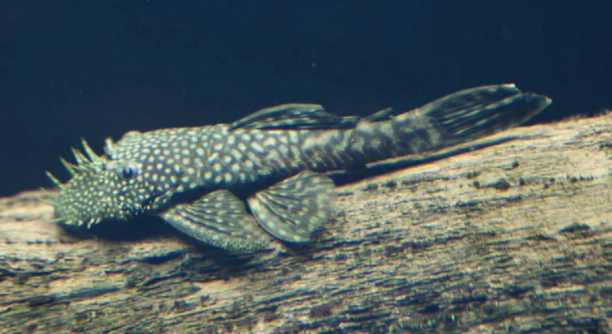
Bristlenose plecos are popular in home aquariums for their algae-eating habits and unique appearance. Many owners enjoy watching them explore the tank, but feeding them a varied diet can feel challenging at times.
Bristlenose plecos can be trained to eat vegetables through consistent introduction and preparation. Offering softened or blanched vegetables gradually encourages acceptance, while pairing them with familiar foods increases consumption. Patience and repetition are key for successfully expanding their diet.
Providing vegetables is not only possible but beneficial for plecos’ health. Understanding proper techniques ensures they enjoy a balanced and nutritious diet in the aquarium.
Preparing Vegetables for Your Bristlenose
Before offering vegetables to your bristlenose, preparation is important. Leafy greens like spinach, lettuce, and kale can be blanched briefly to soften them, making them easier to eat. Root vegetables such as zucchini, cucumber, and carrot should be sliced thinly or shredded. This allows the fish to grasp and consume the pieces more easily. Removing any uneaten portions after a few hours prevents water contamination, which can harm both the fish and the tank environment. Some owners use a small clip to attach vegetables to the tank, keeping them in place and preventing them from floating away. Offering a variety of vegetables over several days helps identify which ones your pleco prefers. Softening tougher vegetables and rotating options encourages a balanced diet and ensures your bristlenose receives essential nutrients without struggling to eat. Patience during this stage sets the foundation for successful feeding habits.
Training your bristlenose is easier with consistent routines and preparation.
Consistency in offering prepared vegetables is key. Observing your pleco’s preferences over time allows you to adjust the selection, ensuring a balanced diet.
Encouraging Vegetable Consumption
Start by mixing vegetables with familiar foods. Placing a small amount of blanched zucchini alongside algae wafers can make the transition smoother. Bristlenose plecos respond to repetition, so offering vegetables at the same time each day helps establish a pattern. Using tongs or clips to keep food in one place reduces frustration and encourages feeding. Over several weeks, the fish will begin exploring new textures and flavors, gradually consuming more vegetables. Some owners notice immediate interest, while others see a slow increase in vegetable intake. Tracking progress with notes or photos helps maintain motivation and assess success. Offering different colors and types of vegetables can make the tank more visually engaging while promoting nutrition. This approach also strengthens the pleco’s digestive system by diversifying its intake and preventing dietary monotony. A little persistence goes a long way in ensuring your bristlenose enjoys a balanced diet.
Vegetable feeding requires routine, patience, and observation to encourage acceptance in bristlenose plecos.
With repeated exposure, your bristlenose will gradually become accustomed to vegetables. Start small, continue offering softened options, and pair them with familiar foods. Monitor which vegetables are consumed consistently and adjust portions accordingly. Avoid overfeeding to maintain water quality and prevent digestive issues. Each fish reacts differently; some quickly adapt, while others need several weeks to accept new items. Observing behavior after feeding helps identify preferences and ensures they are receiving adequate nutrition. Combining consistency, variety, and proper preparation supports a healthier, more balanced diet for your bristlenose. This method also reduces reliance on processed foods alone, contributing to the long-term well-being of your aquatic companion. Through this structured approach, incorporating vegetables becomes a sustainable part of your pleco’s routine, providing enrichment, nutrients, and an overall healthier lifestyle within the tank environment.
Common Vegetable Choices
Leafy greens, zucchini, cucumber, and peas are commonly accepted by bristlenose plecos. Blanched spinach and kale are gentle on their digestive system. Carrots and squash can also be offered in thin slices. Rotating vegetables prevents boredom and supports a balanced diet for your fish.
Some vegetables require more preparation than others. Zucchini and cucumber can be sliced and softened to encourage feeding, while tougher greens like kale may need brief blanching. Peas should have the outer skin removed to prevent digestive issues. Carrots and squash can be shredded for easier consumption. Offering a variety of vegetables ensures the pleco receives adequate nutrients. Monitoring which vegetables are eaten consistently helps determine preferences. Using clips or tongs to hold vegetables in place allows the fish to feed comfortably without struggling. Gradual introduction over several weeks prevents rejection.
Tracking consumption and adjusting offerings is important. Observing which vegetables are eaten most helps maintain variety. Avoid overfeeding to prevent water contamination.
Tips for Successful Feeding
Offer vegetables at consistent times daily to establish a routine. Softening tougher vegetables increases acceptance. Rotate options to provide nutrition and prevent monotony.
Start with small portions of prepared vegetables paired with familiar foods. Gradually increase amounts as the pleco becomes comfortable. Using a clip to hold vegetables in place reduces floating and ensures access. Observing feeding behavior helps identify preferences and digestive responses. Some fish accept new vegetables immediately, while others require patience and repeated exposure. Avoid leaving uneaten food in the tank for too long, as it can degrade water quality. Regularly cleaning the tank and removing leftovers supports both fish health and feeding success. Patience and careful observation are essential to encouraging vegetable consumption in bristlenose plecos.
Observing Your Pleco
Watch how your bristlenose interacts with new vegetables. Some may nibble cautiously, while others explore more eagerly. Tracking these behaviors helps adjust preparation and placement.
Noticing preferences early allows you to focus on vegetables your pleco will actually eat. Repetition encourages acceptance and reduces waste in the tank.
Avoiding Common Feeding Mistakes
Overfeeding vegetables can lead to water contamination and digestive issues. Always remove uneaten portions after a few hours. Avoid offering only one type of vegetable, as this limits nutrition. Ensure vegetables are appropriately softened or sliced for easy consumption. Regular observation helps maintain a balanced diet and keeps the tank healthy.
Benefits of a Vegetable Diet
Vegetables provide essential vitamins and fiber for plecos. They support digestion and overall health, complementing their regular algae intake.
FAQ
How often should I feed vegetables to my bristlenose pleco?
Vegetables can be offered every two to three days in addition to their regular diet of algae wafers. Daily feeding is not necessary, as too many vegetables can lead to water quality issues and digestive problems. Small portions work best.
What types of vegetables are safest for bristlenose plecos?
Leafy greens like spinach, kale, and romaine lettuce are excellent choices. Zucchini, cucumber, peas, and squash also work well. Hard vegetables should be softened or sliced thinly to prevent choking or difficulty eating. Rotate options to provide balanced nutrition.
Do plecos prefer raw or blanched vegetables?
Most bristlenose plecos respond better to softened or blanched vegetables. Blanching helps break down fibers, making the food easier to chew and digest. Raw vegetables can be offered but may be less accepted, especially tougher options like carrots or squash.
How can I encourage my pleco to try new vegetables?
Pair new vegetables with familiar foods such as algae wafers. Place small portions together and repeat over several days. Using clips or tongs to hold vegetables in place helps the fish access them more easily. Patience is essential, as some plecos take weeks to accept new items.
Is it okay if my pleco ignores certain vegetables?
Yes, individual preferences vary. Focus on the vegetables that are eaten consistently and continue offering others periodically. Avoid forcing food, as this can stress the fish. Observation helps determine which vegetables are beneficial and enjoyable for your pleco.
How do I know if my pleco is getting enough nutrients from vegetables?
Monitor overall health, activity, and growth. Healthy plecos have vibrant coloring, consistent eating habits, and regular activity levels. If vegetables are consumed alongside a balanced diet of algae wafers and occasional protein supplements, they are likely receiving adequate nutrients.
Can overfeeding vegetables harm my pleco?
Yes, excess vegetables can decay in the tank, leading to poor water quality and digestive issues. Remove uneaten food after a few hours and offer only the amount your pleco can consume in one feeding.
Are there vegetables to avoid?
Avoid starchy or processed vegetables, such as potatoes, and any that are heavily treated with pesticides. Stick to safe, edible options commonly recommended for herbivorous or omnivorous fish. Proper washing and preparation are important to prevent contamination.
How long does it take for a pleco to start eating vegetables?
Some plecos accept vegetables immediately, while others may take several weeks. Regular, consistent feeding and patience are crucial. Gradually increasing portion sizes and varying preparation methods helps build acceptance over time.
Can baby plecos eat vegetables?
Yes, small or finely shredded vegetables can be offered to juvenile plecos. Softer options like blanched zucchini or spinach are ideal. Ensure pieces are small enough for the fish to consume comfortably and monitor their digestion closely.
What is the best way to serve vegetables in the tank?
Use clips, tongs, or sinks to attach vegetables to surfaces in the tank. Floating pieces may be ignored or difficult to eat. Proper placement reduces waste, encourages feeding, and keeps the tank cleaner.
Should I remove uneaten vegetables immediately?
Yes, leaving uneaten vegetables in the tank for too long can decompose, affecting water quality. Remove any leftovers after a few hours to maintain a healthy environment and prevent algae overgrowth or bacterial issues.
Do bristlenose plecos need protein in addition to vegetables?
Yes, while vegetables provide fiber and vitamins, plecos also benefit from occasional protein sources like algae wafers or specially formulated pleco pellets. A balanced diet ensures proper growth and health.
How can I tell if my pleco enjoys a certain vegetable?
Watch for repeated visits and active nibbling. A pleco that returns to a vegetable consistently and consumes it fully indicates acceptance. Avoid interpreting initial hesitation as dislike, since repeated exposure often increases interest.
Are frozen or canned vegetables safe for plecos?
Fresh or blanched vegetables are preferred. Frozen options can be used if thawed and softened, but canned vegetables often contain preservatives and salt, which are harmful to fish. Always check preparation to ensure safety.
Can bristlenose plecos eat fruit as well as vegetables?
Fruits can be offered sparingly as treats but should not replace vegetables. Some fruits are high in sugar, which can upset digestion. Small pieces of melon or cucumber-like fruits may be acceptable occasionally.
How do I clean vegetables before feeding?
Rinse thoroughly under fresh water to remove dirt and pesticides. Blanching further ensures safety and softens tougher textures. Avoid soap or chemical cleaners. Proper preparation reduces the risk of contamination and maintains tank health.
Is it necessary to peel vegetables for plecos?
Peeling is recommended for tougher-skinned vegetables like peas, carrots, or squash. Soft leaves and zucchini typically do not need peeling. Removing skins can prevent choking and aid digestion.
Can a pleco survive on vegetables alone?
While vegetables are nutritious, plecos require additional protein and algae for complete nutrition. A combination of vegetables, algae wafers, and occasional protein supplements ensures optimal health and longevity.
What should I do if my pleco refuses all vegetables?
Start with very soft, familiar options paired with their regular food. Offer small amounts consistently and observe over several weeks. Some plecos need gradual introduction and patience before they will accept new foods.
Are there long-term benefits to feeding vegetables?
Yes, vegetables improve digestion, provide essential vitamins, and add variety to the diet. A balanced diet supports immune health, longevity, and overall vitality for your bristlenose pleco.
How do I track which vegetables work best?
Keep a simple log of offerings and consumption. Note which vegetables are eaten completely and which are ignored. Over time, this helps refine the diet and ensures consistent nutrition.
Can I mix several vegetables at once?
Yes, mixing small amounts encourages exploration. Start with a combination of soft, familiar vegetables and gradually introduce new ones. Monitor which combinations are accepted and adjust accordingly.
What if my pleco eats vegetables too quickly?
Offer smaller portions to prevent overeating. Fast consumption may indicate enthusiasm, but excess food can lead to water quality problems. Observing feeding patterns ensures proper portion control.
Do vegetables affect tank cleanliness?
Yes, uneaten or decomposing vegetables can pollute the water, increase ammonia, and promote algae growth. Remove leftovers promptly and maintain regular tank cleaning. Proper preparation and portioning minimize these issues.
Can vegetables replace algae in a pleco’s diet?
Vegetables supplement but do not replace algae. Algae provides essential nutrients and fiber, while vegetables add variety. Combining both maintains a balanced and healthy diet.
Are there signs of digestive issues from vegetables?
Bloating, irregular swimming, or decreased appetite can indicate digestive problems. Adjust portion size, type of vegetable, or preparation method to prevent complications and maintain health.
How long should vegetables stay in the tank for feeding?
Leave vegetables for a few hours, enough for the pleco to nibble. Remove leftovers to prevent decay and maintain water quality.
Can plecos eat leafy herbs like parsley or basil?
Yes, small amounts of fresh herbs are safe. Introduce gradually and monitor consumption. Herbs can provide additional vitamins and mild flavor variety.
What’s the safest way to introduce new vegetables?
Start small, soften the vegetable, and pair it with familiar foods. Repetition over days or weeks encourages acceptance. Avoid introducing too many new items at once to prevent stress or rejection.
How do I balance vegetables with commercial foods?
Offer vegetables alongside algae wafers or pleco pellets. Adjust quantity based on consumption to ensure proper nutrition without overfeeding. Observation is key to balancing both food types.
Are there seasonal vegetables that work best?
Fresh, in-season vegetables are usually more nutritious and palatable. Zucchini, cucumber, and leafy greens are widely available year-round. Seasonal variety can keep the diet interesting.
Can bristlenose plecos eat lettuce?
Yes, Romaine or green leaf lettuce works well. Blanching helps soften the leaves. Avoid iceberg lettuce, as it has low nutritional value.
Is frozen spinach better than fresh?
Fresh spinach is preferred for texture and nutrients. Frozen spinach can be used if thawed and softened. Avoid canned spinach due to preservatives.
How do I handle picky plecos?
Introduce vegetables gradually, pair with familiar foods, and observe preferences. Some plecos require weeks to accept new items. Consistency and patience are essential.
Should vegetables be chopped or left whole?
Soft, leafy vegetables can be left mostly intact, while tougher items should be sliced, shredded, or softened. Proper size prevents choking and ensures easy feeding.
Can bristlenose plecos overeat vegetables?
Yes, excessive vegetables can cause bloating or digestive issues. Offer controlled portions, observe consumption, and remove leftovers promptly to prevent problems.
Do vegetables help with color and vitality?
Yes, regular vegetables provide vitamins and fiber that support overall health. A varied diet contributes to bright coloration, active behavior, and longevity.
How do I know if a vegetable is too hard?
If the pleco avoids it or struggles to eat, it is likely too tough. Blanching or slicing thinner improves accessibility.
Can plecos eat cabbage or bok choy?
Yes, small amounts of blanched cabbage or bok choy are safe. Introduce gradually to monitor acceptance and digestion.
Is it necessary to rotate vegetables?
Yes, rotation prevents monotony and ensures a balanced intake of nutrients. Offering variety promotes interest and supports digestive health.
Can bristlenose plecos eat pumpkin or squash?
Yes, peeled and softened pumpkin or squash is acceptable. Thin slices or small pieces prevent choking and encourage feeding.
How long does it take to see benefits from vegetables?
Health improvements such as better digestion, increased activity, and vibrant coloring may appear within weeks of consistent feeding. Regular observation confirms effectiveness.
Are there signs of vegetable intolerance?
Refusal to eat, bloating, or unusual swimming may indicate intolerance. Adjust type or preparation and monitor closely.
Should vegetables be pre-cooked or lightly boiled?
Light blanching or boiling softens vegetables without removing nutrients. Raw vegetables can be offered if already soft, but tougher types require preparation.
Can bristlenose plecos eat frozen peas?
Yes, thawed and peeled peas are safe. They provide fiber and variety. Avoid canned peas due to preservatives and sodium content.
Are there vegetables that help with algae control?
Vegetables themselves do not control algae, but healthy plecos consuming vegetables may eat algae more consistently. Vegetables support overall health and feeding behavior.
How do I store vegetables for my pleco?
Refrigerate fresh vegetables and prepare only what is needed for each feeding. Avoid spoiled or wilted items to maintain safety and nutrition.
Can bristlenose plecos eat cucumber peels?
Yes, soft cucumber skin is safe if thin. For tougher skins, peeling or slicing helps prevent difficulty eating.
Do vegetables affect breeding behavior?
A varied, nutritious diet supports overall health, which can positively influence breeding readiness. Vegetables alone do not trigger spawning but contribute to vitality.
How long should I monitor new vegetables?
Observe the pleco for several days after introduction. Monitor consumption, behavior, and digestion to determine acceptance and suitability.
Is it okay to mix multiple types of vegetables?
Yes, small combinations encourage exploration. Introduce gradually and monitor which items are eaten consistently to maintain a balanced diet.
How do I prevent vegetables from floating away?
Use clips, tongs, or attach vegetables to tank surfaces. This keeps them accessible and reduces waste.
Are there signs my pleco prefers certain vegetables?
Repeated consumption and active nibbling indicate preference. Hesitation or ignoring certain items shows lower interest.
Can vegetables replace algae wafers entirely?
No, vegetables supplement the diet but do not replace algae or protein sources. A balanced diet is necessary for long-term health.
Do bristlenose plecos eat leafy herbs differently from vegetables?
Herbs like parsley or basil are accepted similarly to soft vegetables. Introduce gradually and monitor consumption to avoid waste.
How do I transition a pleco to a more vegetable-based diet?
Start with small portions paired with regular food, gradually increasing vegetable content. Observe acceptance and adjust portions accordingly. Patience and consistency are key.
Are there any toxic vegetables for plecos?
Avoid vegetables treated with pesticides, starchy items like potatoes, and processed foods. Stick to safe, edible options recommended for herbivorous or omnivorous fish.
What is the maximum portion of vegetables per feeding?
Offer only what the pleco can consume within a few hours. Small portions prevent waste, water contamination, and digestive problems.
Can vegetables help with overall tank hygiene?
Indirectly, yes. Properly consumed vegetables reduce leftover waste, which helps maintain cleaner water and reduces the risk of ammonia spikes.
Do bristlenose plecos need variety in texture as well as type?
Yes, varying textures like soft leaves and slightly firmer slices encourage interest and support healthy feeding behavior.
How do I handle a pleco that only eats one type of vegetable?
Continue offering preferred items while slowly introducing new options. Observe acceptance and avoid forcing unwanted foods. Gradual exposure encourages a more balanced diet.
Can vegetables affect growth rates?
Yes, a balanced vegetable diet alongside algae and protein supports proper growth. Lack of variety or poor nutrition may stunt development.
How should I adjust feeding for multiple plecos?
Provide sufficient vegetables for each fish and monitor consumption. Ensure weaker or smaller fish can access food without competition.
Do vegetables impact pleco energy levels?
Yes, proper nutrition supports active swimming, exploration, and overall vitality. Poor intake may lead to lethargy or reduced activity.
Are there any signs of over-reliance on vegetables?
If the pleco ignores algae wafers or protein sources, it may be consuming too many vegetables. Balance is essential for health.
Can bristlenose plecos eat lettuce cores?
Yes, the firmer parts can be offered if softened slightly. Avoid tough, fibrous sections that may be difficult to chew.
Do bristlenose plecos eat fruit differently from vegetables?
Fruits are usually less preferred and should be offered in small amounts. High sugar content can cause digestive upset if given too often.
What is the ideal feeding schedule for vegetables?
Offer small portions every two to three days. Monitor consumption and adjust based on appetite and tank conditions.
How do I introduce vegetables to a new pleco?
Start slowly with softened, familiar options. Pair with algae wafers and observe acceptance. Gradual exposure prevents stress and encourages feeding.
Are there signs of vitamin deficiency if vegetables are ignored?
Yes, dull coloration, slow growth, and reduced activity can indicate inadequate vitamins. Adjust diet to include accepted vegetables and supplements.
Can bristlenose plecos eat frozen zucchini?
Yes, thawed and softened zucchini is safe. Always monitor portion size and remove uneaten pieces.
How do I know when to increase vegetable portions?
Increase gradually if the pleco consistently eats all offered vegetables without leftovers. Maintain moderation to prevent water issues.
Do vegetables help prevent disease in plecos?
A balanced diet with vegetables supports immune health. While not a cure, proper nutrition contributes to overall disease resistance.
Can bristlenose plecos eat cabbage leaves raw?
Yes, small, soft pieces are safe. Blanching may improve acceptance and digestibility. Avoid large, tough leaves.
How do I maintain water quality when feeding vegetables?
Remove uneaten food promptly, offer small portions, and monitor tank parameters. Softened vegetables reduce waste and maintain cleaner water.
Is it necessary to chop vegetables finely for smaller plecos?
Yes, juvenile or small plecos require smaller, softer pieces for safe and easy consumption. Adjust size based on fish size.
Can vegetables be used as a treat instead of a staple?
Yes, offering vegetables a few times per week supplements their diet without replacing core foods like algae wafers and pellets.
Do bristlenose plecos eat herbs differently than leafy greens?
Herbs are similar in texture and may be accepted, but consumption varies. Introduce gradually and monitor interest.
How do I tell if my pleco is overfed on vegetables?
Signs include bloating, leftover food remaining in the tank, and poor water quality. Reduce portion size and frequency.
Are frozen peas better than fresh peas?
Fresh peas are ideal, but thawed frozen peas work well. Remove skins and ensure soft texture for safe feeding.
How do I avoid mold or rot on vegetables in the tank?
Remove uneaten vegetables after a few hours, rinse thoroughly before feeding, and monitor for decay. Proper portioning reduces risk.
Can bristlenose plecos eat spinach stems?
Yes, small softened stems are safe, but thick or tough stems may require blanching or chopping to prevent difficulty eating.
Are there vegetables that aid in digestion?
Leafy greens and peas provide fiber, supporting healthy digestion and regular waste elimination. Rotate options to maintain variety.
Do bristlenose plecos prefer cold or room-temperature vegetables?
Vegetables at tank temperature are preferred. Sudden cold food may shock the fish or reduce interest.
How do I store prepped vegetables for feeding?
Keep in a sealed container in the refrigerator for one to two days. Avoid spoiled items and always rinse before offering.
Can bristlenose plecos eat pumpkin seeds?
No, seeds are too hard and can pose a choking hazard. Offer softened vegetable flesh instead.
Are certain colors more appealing to plecos?
Some plecos may show interest in brighter vegetables like orange carrots or green zucchini. Acceptance varies by individual.
Do bristlenose plecos need fiber from vegetables?
Yes, fiber supports digestion, regular waste, and overall gut health. Vegetables are a primary source alongside algae consumption.
How do I know if vegetables are improving health?
Look for better color, active swimming, consistent eating habits, and regular growth. Positive changes indicate nutritional benefits.
Are there risks with too many soft vegetables?
Yes, soft vegetables decompose faster, affecting water quality. Offer controlled portions and remove leftovers promptly.
Can bristlenose plecos eat kale stems?
Yes, softened stems are safe, but thick pieces may need chopping. Remove tough fibers to aid digestion.
Should vegetables be fed before or after algae wafers?
Either works, but pairing them together encourages acceptance. Observe feeding patterns and adjust based on preference.
Do bristlenose plecos eat lettuce hearts?
Final Thoughts
Feeding bristlenose plecos vegetables is both possible and beneficial, but it requires patience and consistent effort. These fish naturally consume algae in the wild, so introducing vegetables to their diet may take time. Softening tougher vegetables through blanching or slicing thinly makes it easier for them to eat and digest. Leafy greens like spinach and kale, as well as zucchini, cucumber, peas, and squash, are commonly accepted and provide essential vitamins and fiber. Rotating vegetables over time ensures that the pleco receives a balanced variety of nutrients, supporting overall health and digestion. Small, manageable portions are preferable, as overfeeding can lead to water contamination and digestive issues. Observing feeding behavior closely allows you to identify preferences and adjust the diet accordingly, creating a more efficient and stress-free feeding routine.
Consistency is key when encouraging a pleco to try new vegetables. Pairing unfamiliar vegetables with familiar foods, such as algae wafers, helps them gradually accept new flavors and textures. Using clips, tongs, or other methods to keep the vegetables in place prevents them from floating away and makes feeding more accessible. Some plecos may take only a few days to adapt, while others require several weeks of repeated exposure. It is important not to rush the process or force the fish to eat items they are hesitant about. By monitoring the pleco’s reactions and tracking which vegetables are eaten consistently, you can tailor the feeding strategy to suit the individual fish. Over time, most bristlenose plecos will develop a balanced routine that includes both vegetables and their regular diet, contributing to long-term vitality and overall health in the aquarium.
Maintaining water quality is an important aspect of feeding vegetables. Uneaten portions can decompose, increasing ammonia levels and impacting tank conditions. Removing leftover vegetables after a few hours and ensuring proper tank maintenance helps reduce potential issues. Vegetables also serve as a supplement rather than a replacement for algae and occasional protein sources. A varied diet improves digestive function, supports growth, and enhances activity levels. By taking the time to prepare vegetables, observe preferences, and maintain a structured feeding schedule, you can successfully integrate vegetables into your bristlenose pleco’s routine. These practices ensure not only a healthier fish but also a cleaner, more balanced aquarium environment, making vegetable feeding a worthwhile addition to daily care.

Hello,
If you enjoy the content that we create, please consider saying a "Thank You!" by leaving a tip.
Every little bit helps us continue crafting quality advice that supports the health, happiness, and well-being of pets around the world, for pets of all shapes, sizes, and species.
We really appreciate the kindness and support that you show us!