
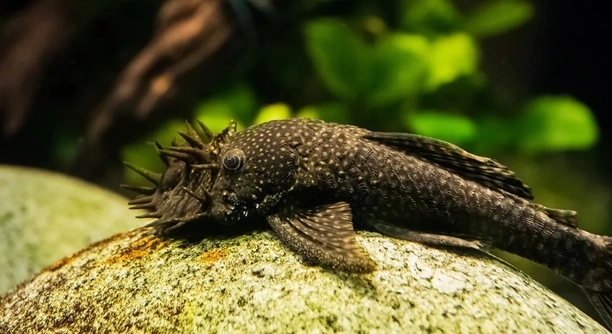
Bristlenose plecos are small, peaceful fish that add charm to home aquariums. Their unique appearance and calm nature make them popular among hobbyists. Observing their behavior can help create a more comfortable environment for them.
Bristlenose plecos naturally seek shelter among plants and decorations. They prefer hiding spots that provide security and reduce stress. Dense foliage allows them to feel safe while maintaining easy access to grazing areas, promoting healthier and more active behavior in captivity.
Providing suitable plant coverage can enhance their well-being and encourage natural behaviors, creating a balanced and visually appealing aquarium setup.
Why Bristlenose Plecos Hide in Plants
Bristlenose plecos instinctively hide among plants for safety and comfort. In a tank environment, open spaces can feel exposed, so thick leaves and dense foliage provide a secure retreat. Hiding helps them reduce stress, which is important for their health. Juvenile plecos especially rely on plants as shelter, while adults use them for resting spots during the day. They are primarily nocturnal, so during daylight hours, they seek shaded or covered areas to stay safe. Plants also help mimic their natural habitat, which includes riverbeds with lots of plant life and debris. Providing hiding spaces supports normal behavior, reduces aggression from other fish, and encourages them to explore more actively at night. Observing how they tuck themselves between leaves or behind stems gives insight into their needs. Over time, fish that feel safe in plants tend to be more relaxed, healthy, and display their unique personalities in the aquarium.
Dense plant arrangements allow plecos to feel secure and reduce stress, promoting calmer behavior and increased activity at night.
Having a variety of plants benefits the entire tank. Bristlenose plecos graze on algae that grow on leaves, which helps keep plants clean. The plants offer visual interest and maintain water quality by absorbing nitrates, benefiting both fish and plants. By choosing hardy species, like Anubias or Java Fern, you can create long-lasting hiding spots. Floating plants can also provide cover near the surface, giving plecos options to hide at different depths. Placement matters—dense clusters work best in corners or along the sides of the tank. Open swimming areas should still be available to avoid overcrowding and to let other fish move freely. Observing how plecos interact with specific plants can guide future tank arrangements, ensuring both their comfort and the aquarium’s overall balance. These small adjustments make a noticeable difference in the plecos’ behavior and overall tank harmony.
Choosing the Right Plants for Hiding
Some plants are better suited for plecos than others due to leaf structure and growth patterns.
Hardy plants like Anubias, Java Fern, and Amazon Swords provide broad leaves and sturdy stems, ideal for hiding. These species tolerate low light, do not require constant pruning, and can withstand grazing. Floating plants, such as Duckweed or Frogbit, add shade near the surface, creating a layered environment. Fast-growing plants like Vallisneria can be planted in groups to form natural barriers, giving plecos more options to feel secure. When placing plants, consider spacing and tank flow; plecos prefer areas with gentle currents rather than strong water movement. Combining different plant heights and densities mimics their natural habitat. Over time, plecos develop favorite spots, often returning to the same leaves or clusters. Paying attention to these preferences can help create a stable, low-stress environment, improving their health, reducing hiding stress, and encouraging natural grazing and resting behaviors throughout the aquarium.
Would you like me to continue with the next two sections of the blog post in the same format?
Plant Density and Pleco Comfort
Dense plant arrangements make plecos feel safer and reduce stress. They tend to pick spots that offer shade and protection, preferring corners or areas with overlapping leaves. These areas give them room to rest without feeling exposed, which helps maintain healthy behavior patterns.
Providing multiple layers of plants ensures plecos have options for hiding and grazing. Taller plants at the back and shorter ones in the front create depth, mimicking natural riverbeds. Plecos use the mid and lower levels of the tank more often, while floating plants offer partial cover near the surface. Adjusting plant density allows plecos to regulate their comfort, moving between open spaces and sheltered areas as needed. Observing their choices can guide placement of future plants for optimal security.
Too few hiding spots can lead to stress, causing plecos to be more reclusive or show aggression. By creating dense clusters, they feel secure and explore freely at night. Plecos often return to favored spots consistently, so maintaining plant density ensures long-term comfort and promotes natural, calm behavior in the tank environment.
Plant Selection and Placement
Choosing sturdy plants with broad leaves provides plecos with reliable hiding spots and grazing surfaces. Placement should consider both flow and accessibility, giving plecos safe areas.
Anubias, Java Fern, and Amazon Swords are ideal because their leaves are strong enough to resist nibbling and can grow in low-light conditions. Planting in clusters along the sides or back provides depth, while floating plants add partial cover near the surface. Plecos prefer mid-level areas, but dense arrangements let them choose hiding spots at different heights. Ensuring some open swimming space prevents overcrowding and supports overall tank balance. Careful placement reduces stress, encourages natural grazing, and promotes healthier, more active fish behavior.
Grouping different species enhances both aesthetic appeal and pleco comfort. Fast-growing plants like Vallisneria or Cryptocoryne can form natural barriers, while slow-growing plants maintain long-term structure. By layering plants of various heights and leaf shapes, plecos can find preferred resting spots, navigate the tank safely, and feed efficiently. Over time, they develop consistent patterns, often favoring certain areas. Observing these preferences informs future adjustments, ensuring continued security and optimal interaction with their environment. Consistent care and thoughtful placement support a balanced tank and a healthier, more confident pleco population.
Nighttime Behavior
Bristlenose plecos are mostly nocturnal, becoming active after lights are off. During the day, they prefer shaded areas or dense plant clusters. Hiding helps them feel secure while resting, minimizing stress and supporting their natural daily rhythm in the aquarium.
They often graze on algae in the evening, moving cautiously between plants. Nighttime activity is crucial for their health, as it encourages feeding and exploration while avoiding unnecessary exposure during daylight. Observing this behavior can help adjust tank lighting and plant placement to suit their natural schedule.
Plant Health Benefits
Plants not only provide hiding spots but also improve water quality by absorbing nitrates. Healthy plants create a stable environment that supports pleco well-being and overall tank balance. Dense foliage also reduces algae overgrowth, complementing the plecos’ grazing habits naturally.
Feeding and Hiding
Bristlenose plecos graze mostly at night but may nibble during the day from safe, hidden areas. Leafy plants and driftwood offer surfaces for algae growth. These areas allow plecos to feed while remaining partially concealed, reducing stress and supporting consistent eating habits.
FAQ
Do Bristlenose Plecos need hiding spots in every tank?
Yes, providing hiding spots is important for their well-being. Even in smaller tanks, plecos feel more secure when they have areas to retreat to. Without sufficient cover, they may become stressed, hide excessively in corners, or display defensive behavior toward other fish. Including plants, driftwood, or caves can create a comfortable environment.
Can Bristlenose Plecos live without plants?
Technically, they can survive without plants, but it is not ideal. Plants offer shelter, shade, and grazing surfaces for algae. Without them, plecos may feel exposed, leading to stress or reduced activity. Alternative hiding spots, like ceramic caves or driftwood, can partially substitute for plant coverage.
Which plants are best for hiding?
Hardy, broad-leaved plants like Anubias, Java Fern, Amazon Swords, and Cryptocoryne are ideal. These species resist nibbling, provide strong leaves for shelter, and tolerate low light. Floating plants like Frogbit or Duckweed add shade near the surface, giving plecos more choices for hiding.
How many hiding spots should I provide?
The number depends on tank size and pleco population. Generally, one hiding spot per pleco is a good guideline. In community tanks, multiple clusters of plants or caves help reduce competition and stress, giving each fish options for resting or grazing.
Do plecos prefer certain areas of the tank?
Yes, plecos often prefer mid and lower levels where they can graze and hide safely. They may retreat to corners or behind dense foliage during the day. Floating or tall plants can create layered cover at different heights, making the environment feel more natural.
Can hiding spots improve pleco behavior?
Absolutely. Plecos with adequate cover tend to be calmer, less aggressive, and more active at night. They are more likely to explore the tank, graze on algae, and interact naturally. Hiding spots reduce stress, which supports better growth and overall health.
Do plecos use the same hiding spots consistently?
Yes, plecos often develop favorite spots. Once they feel secure, they return to the same leaves, clusters, or caves. Observing their preferences can help you adjust plant placement, ensuring long-term comfort and promoting consistent natural behavior in the tank.
Are all plants safe for plecos?
Not all plants are ideal. Soft, delicate plants may be damaged by grazing or movement. Stick to hardy species with robust leaves and stems. Avoid plants that require strong light or CO₂ injection if the tank setup cannot support them. Safety and durability ensure plecos can hide without harming the plants.
Do plecos hide more when stressed?
Yes, increased hiding can indicate stress from poor water quality, overcrowding, or aggressive tank mates. Monitoring their behavior can alert you to potential issues. Adequate hiding spots, proper water parameters, and compatible tank mates help minimize stress and encourage natural activity.
How do I know if hiding spots are sufficient?
If plecos move freely between cover and open areas, feed consistently, and appear calm, hiding spots are adequate. Signs of insufficient cover include constant hiding, reduced grazing, or unusual aggression. Adjust plant density or add caves until plecos display relaxed, natural behavior.
Can driftwood replace plants for hiding?
Yes, driftwood offers solid hiding spots and grazing surfaces for algae. It is especially useful for smaller tanks or setups with limited live plants. Driftwood also adds tannins, which slightly lower pH and mimic their natural environment, benefiting both plecos and overall tank stability.
Do plecos interact with plants beyond hiding?
Yes, plecos graze on algae growing on leaves and stems. They may also explore and rest on broad leaves. Healthy plants contribute to natural behaviors, giving plecos surfaces to feed while maintaining a sense of security and shelter in the aquarium.
Is hiding necessary for all pleco species?
While some species are more reclusive than others, most plecos benefit from hiding options. Bristlenose plecos are moderately shy and appreciate cover. Even species that appear bolder will use plants or caves to feel secure, especially during daylight hours when they are less active.
How can I encourage plecos to use new plants?
Introduce plants gradually and place them near areas they already frequent. Adding algae or biofilm can attract them. Observing their exploration allows you to adjust placement and density, ensuring the plecos feel comfortable using the new hiding spots.
Do plecos need hiding spots in community tanks?
Yes, hiding spots are even more important in community setups. Multiple fish species can increase stress and competition. Dense plants, caves, or driftwood allow plecos to retreat safely while maintaining access to food and grazing surfaces without conflict.
Can overgrown plants become a problem?
Overgrowth can restrict swimming space and reduce water circulation. Regular trimming and maintenance keep hiding spots effective while maintaining open areas for movement. Balance between cover and space ensures plecos remain active and healthy without feeling trapped.
Do plecos prefer natural or artificial plants?
Natural plants are preferred for hiding and grazing, offering texture and algae growth. Artificial plants can provide cover but lack nutritional benefits and algae surfaces. Combining both types can create secure hiding areas while ensuring maintenance is easier.
How long does it take plecos to adjust to new hiding spots?
Adjustment varies, but plecos generally explore new cover within a few days. Patience is key, as repeated observation allows them to feel secure. Gradual introduction of plants or driftwood helps reduce stress and encourages them to adopt new hiding locations.
Do hiding spots affect breeding behavior?
Yes, adequate cover is essential for breeding. Male Bristlenose plecos seek enclosed spaces to lay eggs and guard them. Plants, caves, and driftwood provide necessary protection, ensuring eggs and fry have a safe environment for development.
Are there signs of plecos feeling insecure despite hiding spots?
Yes, constant darting, clinging to tank glass, or refusing to feed may indicate insecurity. Reviewing tank layout, plant density, water parameters, and tank mates can help identify stressors and improve comfort for plecos.
Can hiding spots reduce aggression from other fish?
Providing sufficient cover minimizes conflicts. Plecos can retreat when harassed, reducing stress-induced aggression and promoting peaceful coexistence with other tank inhabitants. Dense plant clusters or caves help establish personal territory and safe resting areas for each pleco.
Do plecos hide in plants during molting or shedding periods?
Yes, they often seek extra shelter during sensitive periods. Dense plants or caves provide a safe retreat while they regenerate or recover from stress, ensuring minimal disturbance and supporting their overall health.
Is it better to cluster plants or spread them out?
A mix works best. Clusters create dense cover for security, while scattered plants allow open swimming and grazing. Layered arrangements mimic natural habitats, giving plecos multiple options for hiding and movement throughout the tank.
Do plecos hide alone or with other plecos?
They typically hide alone, especially adults, preferring individual safe spots. Juveniles may tolerate shared spaces, but each fish benefits from its own cover. Multiple hiding areas ensure all plecos can find secure resting spots without conflict.
How does lighting affect hiding behavior?
Bright lighting encourages plecos to seek cover more frequently. Dim or indirect lighting helps them feel comfortable exploring during the day. Floating plants or shaded areas can reduce stress caused by intense light, making hiding more effective.
Do plecos rearrange plants for hiding?
They may occasionally move leaves or graze, but plecos rarely rearrange plants significantly. They adapt to the environment, using plants and driftwood as found. Observing them helps determine if additional cover or adjustments are needed to meet their needs.
Are there signs plecos are using plants correctly?
Yes, consistent use of plants for resting, grazing, and retreat indicates comfort. Calm behavior, regular feeding, and exploration around foliage show plecos feel secure. Adjustments are only necessary if hiding spots are ignored or stress behaviors appear.
How often should hiding spots be changed or refreshed?
Frequent changes can cause stress. Introduce new plants gradually and maintain existing cover. Occasional rearrangement can stimulate exploration but should be done slowly to ensure plecos continue to feel secure in their environment.
Do plecos hide more in planted tanks than in tanks with caves alone?
Yes, live plants provide additional surfaces, shade, and grazing opportunities. While caves offer solid cover, plants create a more dynamic environment, allowing plecos to choose hiding spots at different heights and locations for comfort and enrichment.
Can hiding spots improve pleco coloration?
Indirectly, yes. Reduced stress and consistent access to grazing surfaces promote better health, which can enhance natural coloration. Plecos that feel secure in their environment often display stronger, more vibrant patterns.
Do plecos hide when sick?
Yes, hiding is a natural response to illness or stress. Reduced activity, clinging to leaves, or excessive concealment can indicate health issues. Observing these behaviors allows timely intervention to address water quality, diet, or disease concerns.
Can too many hiding spots be detrimental?
Excessive cover can limit swimming space and reduce water flow. Balance is key: provide sufficient cover for security while maintaining open areas for movement, feeding, and interaction with other tank inhabitants.
Do plecos prefer specific textures or surfaces for hiding?
They favor broad, firm leaves and rough surfaces like driftwood. These surfaces provide stability and comfort while resting. Soft or delicate plants are less favored because they may bend or break under the fish’s weight or movement.
How do I monitor if hiding spots are effective?
Check pleco activity, feeding habits, and stress indicators. Calm, active fish that use plants or caves for resting show that hiding spots are sufficient. Frequent observation ensures adjustments can be made before issues arise.
Do plecos hide more during breeding season?
Yes, males particularly seek secure spots for egg-laying and guarding. Dense plants and caves create safe enclosures, reducing interference from other fish and improving breeding success.
Can hiding spots reduce pleco stress from tank maintenance?
Yes, during water changes or cleaning, plecos retreat to plants or caves for safety. Adequate cover allows them to feel secure, minimizing stress-related behaviors during routine maintenance.
Are there differences in hiding behavior between juvenile and adult plecos?
Juveniles hide more frequently due to vulnerability, often using dense plant clusters. Adults are bolder but still use hiding spots for resting and security. Providing options suitable for all life stages ensures long-term comfort and healthy behavior patterns.
Do plecos hide in artificial plants differently than live plants?
They may use artificial plants for cover but typically prefer live plants for grazing and texture. Artificial plants can supplement cover but are less likely to encourage natural feeding or exploration behaviors.
Can water temperature affect hiding habits?
Yes, cooler or unstable temperatures may increase hiding. Maintaining stable, species-appropriate water conditions encourages normal activity patterns, reducing stress and ensuring plecos use hiding spots effectively.
Do plecos communicate stress through hiding behavior?
Indirectly, yes. Excessive or prolonged hiding can signal environmental stress, aggression, or illness. Observing frequency, location, and patterns of hiding helps identify problems and allows timely intervention for the plecos’ well-being.
Can hiding spots help with aggression between plecos?
Yes, multiple secure spots allow each fish to establish territory. Plecos are less likely to fight when they can retreat to separate plants or caves, promoting peaceful coexistence in community tanks.
Do plecos hide more during the day than at night?
Yes, their nocturnal nature makes daytime hiding essential. They rest or graze minimally in shaded areas during daylight, becoming active and exploring during evening and night hours when it feels safe.
How do I encourage shy plecos to explore hiding spots?
Gradually introduce plants or driftwood near areas they already frequent. Adding algae or biofilm encourages movement. Observing and adjusting placement helps shy plecos feel comfortable exploring new cover.
Do plecos interact with other fish while hiding?
Typically, they remain solitary when concealed, though juveniles may tolerate nearby fish. Hiding reduces conflict and stress, allowing plecos to feed and rest safely without interference.
How often should I inspect hiding spots for maintenance?
Check weekly for overgrowth, decay, or algae buildup. Healthy plants maintain effective cover, while regular cleaning ensures plecos continue to use hiding spots comfortably without obstacles.
Can hiding spots affect pleco growth?
Yes, secure hiding areas reduce stress, allowing better feeding and energy allocation for growth. Healthy, calm plecos develop more consistently compared to fish lacking sufficient shelter.
Do plecos prefer certain lighting near hiding spots?
They favor dimly lit or shaded areas. Brightly lit spots may be avoided. Floating plants or dense foliage help create optimal lighting, encouraging plecos to use hiding spots confidently.
Can hiding spots help with pleco acclimation to new tanks?
Absolutely. New tanks can be stressful. Dense plants, driftwood, and caves provide security, allowing plecos to explore gradually, reducing stress and supporting successful acclimation.
Do plecos interact differently with plants at different ages?
Juveniles use plants primarily for hiding and protection, while adults use them for resting, grazing, and territory. Providing varied plant types and densities accommodates all life stages.
Can hiding spots reduce disease spread?
Indirectly, yes. Lower stress from adequate hiding improves immunity. Healthy, relaxed plecos are less susceptible to common diseases and recover more effectively if illness occurs.
Do plecos leave waste in hiding spots?
Yes, plecos may defecate in plants or caves. Regular maintenance ensures water quality remains stable, preventing buildup and keeping hiding areas clean for continued comfort.
How long should hiding spots last before replacement?
Durable plants, driftwood, or artificial cover can last years with proper care. Replace or trim only when damaged, decaying, or overgrown to maintain effective hiding spots without causing stress.
Do plecos hide more in planted tanks with slow-flowing water?
Yes, calm areas feel safer, allowing plecos to rest and graze. Strong currents may push them into hiding more frequently or discourage daytime activity. Slow-flowing zones with plants are ideal for natural behavior.
Are there seasonal changes in hiding behavior?
In stable indoor tanks, seasonal changes have minimal impact. Light duration and temperature shifts may slightly affect activity, but hiding patterns remain consistent if the environment is stable and secure.
Do plecos ever leave hiding spots permanently?
They rarely abandon preferred spots unless environmental conditions change. Water quality, tank rearrangement, or aggressive tank mates may prompt relocation, but otherwise, plecos consistently return to familiar hiding areas.
How do I know if my pleco is stressed despite hiding spots?
Signs include excessive clinging, erratic swimming, loss of appetite, or discoloration. Assess water quality, tank layout, and companions to address stressors, ensuring hiding spots remain effective for comfort and security.
Can multiple plecos share a single hiding spot?
Occasionally, juveniles tolerate shared cover, but adults usually prefer individual spaces. Multiple spots reduce competition, ensuring each pleco has a safe area to rest, feed, and retreat without conflict.
Do plecos hide more during water changes?
Yes, they instinctively retreat to plants or caves during disturbances. Providing sufficient cover ensures minimal stress during maintenance and allows them to remain calm while water parameters are adjusted.
Are there signs that hiding spots are too small?
Yes, plecos may appear cramped, avoid the spot, or constantly reposition themselves. Adequate size allows full body coverage, comfort, and natural resting posture, ensuring effective shelter.
Do plecos use hiding spots differently in community vs. single-species tanks?
In community tanks, hiding is essential for avoiding aggression and stress. In single-species setups, plecos may use hiding spots primarily for resting and grazing but still rely on cover to feel secure.
Can hiding spots prevent boredom?
Yes, diverse plant arrangements and cover create exploration opportunities. Plecos move between areas, graze on algae, and interact with surfaces, promoting mental stimulation and natural behaviors.
Do plecos prefer vertical or horizontal hiding areas?
They use both. Vertical surfaces like tall plants or driftwood provide partial cover and climbing options, while horizontal areas like broad leaves or caves offer resting and grazing spaces. Layered environments work best.
Can hiding spots affect water flow perception?
Yes, plecos often seek areas with gentle currents. Dense plants or driftwood create calmer zones, allowing them to feed and rest without being pushed around, enhancing comfort and natural behavior.
Do plecos hide more when tank mates are active?
Yes, active or aggressive tank mates may increase hiding frequency. Adequate cover allows plecos to avoid confrontation while still accessing food and grazing areas safely.
Are there signs that hiding spots are underutilized?
If plecos avoid certain areas, it may indicate insufficient cover, poor placement, or unsuitable plant types. Observing behavior helps determine if adjustments are needed to improve comfort and security.
Do plecos prefer natural or artificial driftwood?
Natural driftwood is preferred for algae growth and texture. Artificial pieces can provide cover but lack nutritional benefits and may not encourage grazing behavior. Combining both types can balance aesthetics and functionality.
Can hiding spots reduce stress from water parameter changes?
Yes, secure areas give plecos a refuge when conditions fluctuate. While stable parameters are essential, cover helps them cope with minor disturbances, maintaining calm behavior and overall health.
Do plecos show territorial behavior around hiding spots?
Yes, they may defend favored areas, particularly males during breeding. Multiple hiding spots reduce conflict, allowing each fish to maintain its own territory and access to resources.
How do I clean plants without disturbing hiding plecos?
Clean lightly or remove some plants temporarily, ensuring plecos have alternate cover. Avoid abrupt removal or vigorous scrubbing, which can stress fish and disrupt their sense of security.
Do plecos use hiding spots differently in planted tanks versus tanks with caves only?
Plants provide grazing surfaces, shade, and texture, making them more attractive. Caves offer solid shelter but lack feeding opportunities. Combining both creates a balanced environment that supports multiple behaviors.
Can hiding spots encourage natural algae grazing?
Yes, plecos graze on algae that accumulate on leaves and driftwood. Providing suitable cover ensures they feel secure while feeding, promoting natural behavior and healthier plant surfaces.
Do plecos hide more during bright daylight hours?
Yes, bright light encourages retreat to shaded or dense plant areas. Dim lighting or shaded zones allow them to explore safely, supporting natural nocturnal activity patterns.
Are hiding spots necessary for juvenile plecos?
Yes, juveniles are more vulnerable and need dense cover to feel safe. Providing multiple hiding areas ensures they can rest, feed, and grow without excessive stress from the environment or tank mates.
Do plecos ever fight over hiding spots?
Occasionally, particularly if cover is limited. Ensuring multiple hiding options reduces competition, allowing
Final Thoughts
Bristlenose plecos are small, peaceful fish that rely heavily on hiding spots to feel secure and thrive in an aquarium. Observing their behavior makes it clear how much they value plants, driftwood, and other forms of cover. During the day, they retreat to shaded areas or dense foliage to rest, while at night they become more active, grazing on algae and exploring the tank. Providing multiple hiding spots reduces stress, encourages natural behavior, and supports their overall health. Dense plant clusters or layered arrangements of tall and short plants create a sense of safety, allowing plecos to move freely between open areas and sheltered zones. Even in tanks with caves or driftwood, live plants offer additional benefits, such as grazing surfaces and shade, making them an essential part of a well-balanced environment for plecos. Observing which spots they prefer can help guide plant placement and tank layout, ensuring the fish feel comfortable and secure.
When choosing plants, focus on hardy species with broad leaves and strong stems, such as Anubias, Java Fern, Amazon Swords, and Cryptocoryne. These plants are durable, resist nibbling, and tolerate lower light conditions, making them ideal for long-term hiding areas. Floating plants like Frogbit or Duckweed can provide cover near the surface, adding another layer of protection and shade. Combining slow-growing and fast-growing species creates both stability and variety in hiding options, which is important for the comfort of both juvenile and adult plecos. Placement also matters: dense areas near corners or along tank sides allow fish to feel protected while still having access to open swimming spaces. Over time, plecos may show preferences for specific leaves, clusters, or sections of the tank, returning to the same hiding spots repeatedly. Providing consistent cover in these areas encourages natural resting, feeding, and grazing behavior while reducing signs of stress or aggression.
Maintaining healthy hiding spots is just as important as providing them. Plants should be trimmed regularly to prevent overcrowding, decaying leaves should be removed, and driftwood or artificial cover should be checked for stability. Clean, well-maintained hiding areas ensure plecos continue to feel secure without compromising tank quality or movement space. Water quality, tank temperature, and compatible tank mates also play a role in how much plecos use hiding spots, so these factors should be monitored consistently. Providing a combination of dense foliage, broad leaves, driftwood, and caves creates a balanced, layered environment that supports both physical and mental well-being. Plecos with access to well-placed hiding spots tend to be calmer, more active at night, and healthier overall. By paying attention to their preferences and adjusting the tank environment accordingly, you can create an aquarium that meets their needs, encourages natural behavior, and ensures long-term comfort and safety.

Hello,
If you enjoy the content that we create, please consider saying a "Thank You!" by leaving a tip.
Every little bit helps us continue crafting quality advice that supports the health, happiness, and well-being of pets around the world, for pets of all shapes, sizes, and species.
We really appreciate the kindness and support that you show us!