
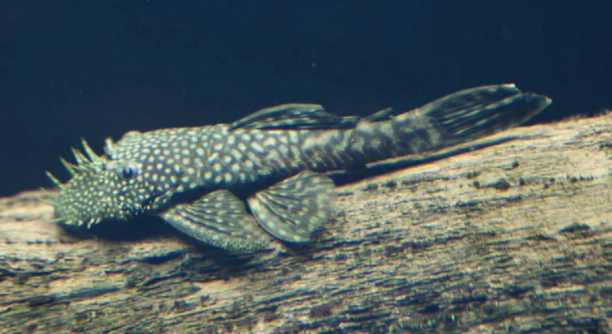
Keeping Bristlenose Plecos active is essential for a healthy aquarium. These curious fish require proper stimulation and care to thrive. Without attention to their environment, diet, and daily interactions, they may become lethargic and less vibrant over time.
Ensuring Bristlenose remain active involves providing a balanced diet, adequate hiding spaces, varied enrichment, and consistent water conditions. Regular observation and gentle interaction encourage natural behaviors, supporting both physical activity and mental stimulation in these freshwater fish species.
Understanding these key factors will help maintain your Bristlenose’s health. Implementing simple adjustments can significantly improve their activity levels and overall well-being.
Provide a Balanced Diet
Bristlenose Plecos thrive on a diet that includes fresh vegetables, algae wafers, and occasional protein sources. Leafy greens like spinach and zucchini should be offered regularly, as they support digestion and overall health. Supplementing with sinking pellets ensures the fish receive essential nutrients they cannot obtain from vegetables alone. Avoid overfeeding, as excess food can degrade water quality and reduce activity. It is helpful to observe feeding habits and remove uneaten food promptly to maintain a clean environment. Rotating different vegetables and pellets keeps meals interesting and encourages natural foraging behaviors. A consistent feeding schedule also supports metabolism and energy levels.
A balanced diet not only fuels activity but also maintains the fish’s vibrant color. Nutritional variety is key to keeping them healthy and energetic.
Consistently offering diverse foods encourages Bristlenose to explore their habitat. Watching them graze on algae or nibble vegetables is rewarding, and it demonstrates how proper nutrition directly impacts movement and behavior. Paying attention to portion sizes and meal timing further ensures they stay lively.
Create Adequate Hiding Spaces
Bristlenose Plecos feel secure with caves, driftwood, and dense plants.
Hiding spots reduce stress and encourage exploration. Fish with safe retreats display more natural movement and active behavior.
Providing various hiding areas allows each fish to claim a personal space while still interacting with its environment. Caves of different sizes, hollow logs, and dense plant clusters give the fish choices for resting or retreating when feeling threatened. Driftwood not only serves as a hideout but also supports natural grazing habits. The placement of these objects should allow open swimming areas as well. Observing how your Bristlenose uses these spaces can guide adjustments to the tank layout. Regularly changing or rearranging decorations slightly can stimulate curiosity without causing stress. Overcrowding hiding spots should be avoided to prevent territorial disputes. Ultimately, a well-structured habitat promotes confidence, reduces stress, and encourages consistent activity.
Maintain Consistent Water Conditions
Stable water parameters are essential for Bristlenose health. Temperature, pH, and cleanliness directly influence activity levels. Sudden changes can cause stress, reducing movement and appetite. Regular monitoring prevents problems before they affect behavior.
Keeping water conditions stable requires frequent testing of pH, ammonia, nitrite, and nitrate levels. The ideal temperature range is 72–78°F, and a pH between 6.5 and 7.5 supports normal activity. Performing partial water changes weekly removes waste and replenishes minerals. Using a reliable filter and avoiding sudden water additives ensures a calm environment. Observing your fish during these changes allows you to detect stress or illness early. A consistent routine and careful attention create a habitat where Bristlenose feel secure and naturally active.
Water flow also matters. Gentle currents simulate their natural environment, encouraging exploration. Overly strong flow can tire them, while stagnant water reduces interest in moving around. Proper filtration, aeration, and flow balance together promote healthy activity.
Encourage Natural Foraging
Offering live or frozen foods alongside algae wafers stimulates natural hunting instincts. Hiding food among decorations keeps them engaged and active.
Scattering food or placing it under driftwood encourages movement throughout the tank. Bristlenose will explore, graze, and interact with their environment more consistently. This method prevents boredom and improves mental stimulation. By rotating food types and locations, you create an enriching setting that keeps activity levels high. Observing their behavior during feeding times provides insight into preferred areas and ensures all fish are participating. Regularly changing feeding spots also helps maintain curiosity, making them more lively and attentive.
Foraging not only supports activity but also promotes overall health. Active grazing improves digestion and strengthens natural behaviors, which are vital for their well-being. Using both plant-based and occasional protein-rich foods ensures a balanced diet while keeping their environment dynamic and engaging.
Provide Gentle Lighting
Bristlenose are more active under soft, natural lighting. Bright, harsh lights can cause stress and hiding behavior. Adjusting light duration and intensity encourages daytime activity.
Using a timer ensures consistent light cycles. About 8–10 hours of moderate light per day supports natural rhythms without overstimulation.
Add Driftwood and Plants
Driftwood and live plants offer surfaces for grazing and exploring. Bristlenose will spend more time moving and interacting with their environment when these features are present. Driftwood also supports digestion by releasing beneficial tannins, while plants improve water quality. A mix of soft and dense foliage creates varied spaces that promote continuous activity.
Moderate Tank Companions
Avoid aggressive or overly active fish that stress Bristlenose. Compatible tank mates allow for calm exploration and reduce hiding behavior, keeping them engaged and naturally active.
FAQ
How often should I feed my Bristlenose Pleco?
Feeding once a day is usually enough for adult Bristlenose. Juveniles may need small meals twice daily. Offering a mix of vegetables, algae wafers, and occasional protein ensures they get essential nutrients without overfeeding. Remove any uneaten food within a few hours to maintain water quality and prevent stress.
What vegetables are best for Bristlenose?
Leafy greens like spinach, lettuce, and kale work well. Zucchini, cucumber, and peas are also good options. Blanching harder vegetables slightly softens them, making it easier for your fish to eat. Rotating vegetables keeps meals interesting and encourages natural foraging behaviors.
Do Bristlenose need hiding spaces?
Yes, caves, driftwood, and dense plants help Bristlenose feel secure. Hiding spaces reduce stress and promote exploration. Providing multiple options allows each fish to claim a personal retreat while still interacting with the tank, supporting activity and natural behavior.
Can Bristlenose live with other fish?
They do well with peaceful species that are not aggressive or overly active. Avoid fin-nipping fish or overly dominant species that can stress Bristlenose. Compatible tank mates encourage calm exploration and allow Bristlenose to remain active without hiding excessively.
How important is water temperature?
Water temperature directly affects activity and health. Bristlenose thrive between 72–78°F. Sudden fluctuations can stress them and reduce movement. Maintaining a stable temperature, along with proper filtration, ensures a healthy, active fish. A heater and thermometer help regulate and monitor conditions accurately.
How often should I perform water changes?
Weekly partial water changes of 20–30% are ideal. Regular water changes remove waste, replenish essential minerals, and prevent ammonia buildup. Clean water supports natural activity, reduces stress, and improves overall health. Monitoring water quality between changes helps prevent issues before they affect behavior.
Do Bristlenose need algae in their tank?
Yes, algae is a natural food source and encourages grazing behavior. While not their only food, algae provides fiber and stimulates natural activity. Supplementing with vegetables and pellets ensures they get complete nutrition while still enjoying grazing on tank surfaces.
Is lighting important for their activity?
Moderate, consistent lighting promotes activity and natural rhythms. Too bright lighting can cause stress, while too little can reduce movement. Using a timer ensures a stable light cycle of about 8–10 hours daily, allowing Bristlenose to explore and feed without being overstimulated.
How can I encourage foraging behavior?
Hiding food under driftwood, in caves, or among plants encourages natural foraging. Rotating food types and locations keeps them engaged. Foraging promotes movement, mental stimulation, and overall health, while helping prevent boredom in a confined environment.
What role does driftwood play?
Driftwood provides surfaces for grazing, creates hiding spots, and releases tannins that support digestion. It also adds texture and variety to the tank, encouraging exploration. Including driftwood in different shapes and placements stimulates activity and allows Bristlenose to interact naturally with their environment.
Can I use artificial plants?
Artificial plants can offer hiding spaces but lack nutritional or grazing benefits. A mix of live plants and driftwood is best. Live plants improve water quality, provide natural grazing surfaces, and create a dynamic environment that encourages consistent movement and exploration.
What should I do if my Bristlenose seems lethargic?
Check water parameters, temperature, and diet first. Ensure they have adequate hiding spots and enrichment. Adjust lighting and tank layout if necessary. Observing behavior over several days helps identify underlying issues. A balanced diet, clean water, and a stimulating environment usually restore activity.
How can I monitor their health?
Observe eating habits, movement, and coloration. Active grazing, smooth swimming, and bright colors indicate good health. Lethargy, faded colors, or unusual behavior may signal stress or illness. Regular tank maintenance, consistent feeding, and clean water support long-term vitality and activity.
Is it necessary to provide protein?
Occasional protein from bloodworms, brine shrimp, or specially formulated pellets is beneficial, especially for growing fish. Protein should be offered sparingly to prevent water quality issues. A mainly vegetable-based diet supports digestion and encourages natural grazing while supplementing occasional protein boosts energy and health.
How can I prevent boredom in my Bristlenose?
Provide varied hiding spots, driftwood, live plants, and different feeding locations. Rotating decorations and changing food placement encourages exploration. Enrichment prevents boredom, reduces stress, and keeps activity levels high. Observing their preferences allows fine-tuning of the tank setup for optimal engagement.
Can Bristlenose coexist with snails or shrimp?
Yes, they are generally peaceful with small invertebrates. They may graze on biofilm or algae around them but typically do not harm healthy snails or shrimp. Combining these species adds diversity to the tank and encourages natural activity in all inhabitants.
How important is tank size?
A minimum of 20 gallons per adult Bristlenose is recommended. Sufficient space allows free swimming, grazing, and exploration. Crowded tanks reduce activity, increase stress, and make territorial behavior more likely. Adequate room combined with hiding spots ensures a lively, healthy environment.
What signs indicate a happy, active Bristlenose?
They explore the tank, graze on surfaces, and interact with hiding spots. Smooth swimming, bright coloration, and consistent movement indicate contentment. Watching these behaviors regularly helps you assess health and adjust care to maintain activity and well-being.
How do I safely rearrange the tank?
Move decorations slowly and in small increments. Maintain water quality and avoid sudden disruptions to hiding spots. Gradual changes stimulate curiosity without causing stress. Observing reactions after rearranging helps ensure Bristlenose remain active and comfortable.
Are there seasonal changes I should consider?
Temperature fluctuations and light changes can affect activity. Adjust heaters, lighting duration, and feeding schedules slightly if needed. Consistent water parameters year-round maintain energy levels and natural behaviors, helping Bristlenose stay active regardless of external seasonal conditions.
Can Bristlenose thrive in a community tank?
Yes, with peaceful and compatible species. Avoid aggressive or overly active tank mates. A calm environment with proper hiding spots, stable water conditions, and a balanced diet encourages activity, grazing, and natural behavior while minimizing stress and conflict.
How often should I clean driftwood and plants?
Rinse driftwood and plants during routine water changes. Avoid harsh chemicals. Gentle cleaning removes excess algae or debris, maintaining a healthy environment. Clean surfaces encourage grazing and exploration without disrupting the tank’s natural balance.
What is the best way to observe activity?
Watch during feeding or daylight hours when lighting is moderate. Look for grazing, exploring, and interaction with hides. Observing over time helps identify changes in behavior, activity levels, and potential health concerns. Consistent monitoring supports a lively and healthy tank.
Do Bristlenose need companions of their own species?
While they can live alone, having at least one or two others promotes social interaction and natural behaviors. Small groups encourage exploration, foraging, and consistent activity without causing overcrowding or stress.
How does tank layout affect activity?
Varied terrain with open swimming areas, hiding spots, and grazing surfaces encourages movement. Simple, uncluttered layouts reduce stress but still provide enrichment. Observing how Bristlenose interact with their environment helps optimize layout for maximum activity and comfort.
Can stress affect their behavior long-term?
Yes, chronic stress reduces activity, weakens the immune system, and affects growth. Maintaining stable water conditions, providing hiding spaces, and avoiding aggressive tank mates ensures Bristlenose remain active and healthy. Regular monitoring and adjustments prevent long-term stress effects.
What should I do if my fish stops eating?
Check water quality, diet variety, and tank conditions first. Stress, illness, or poor nutrition can cause refusal to eat. Offering favorite vegetables, algae wafers, and hiding spots may encourage feeding. Observing closely helps identify the issue and restore activity and health.
Are there supplements that help activity?
Occasional vitamin or mineral supplements can support growth and vitality. Use sparingly and follow manufacturer instructions. A balanced diet and proper tank conditions are usually sufficient to maintain energy and activity. Supplements should not replace variety in food or environmental enrichment.
How can I track improvement in activity?
Note daily movement, grazing behavior, and interaction with hides. Recording observations helps track responses to diet, lighting, and tank adjustments. Over time, consistent monitoring confirms whether changes improve activity, supporting long-term health and engagement.
What is the typical lifespan of Bristlenose Plecos?
They usually live 5–8 years with proper care. Stable water conditions, a balanced diet, adequate hiding spots, and minimal stress contribute to longevity. Maintaining these factors ensures your fish remain active throughout their lifespan.
How do I know if they are bored?
Signs include hiding excessively, reduced grazing, or staying motionless. Introducing enrichment, varied food placement, and rearranging decorations can stimulate interest and restore activity levels effectively.
Can temperature or pH changes stimulate activity?
Slight adjustments within safe ranges may encourage movement, but abrupt changes cause stress. Maintaining a stable environment supports healthy, consistent activity while minor, controlled modifications can keep them engaged naturally.
What is the best feeding routine?
Feed at the same time daily, providing vegetables and algae wafers first, with occasional protein. Consistent routines support metabolism, reduce stress, and encourage predictable activity patterns. Observing responses helps refine feeding schedules for optimal engagement.
How does tank size impact behavior?
Larger tanks allow more movement, exploration, and grazing. Crowded spaces reduce activity, increase stress, and limit natural behaviors. Providing sufficient room, hiding spaces, and varied terrain promotes energy, curiosity, and long-term well-being.
Do Bristlenose interact with decorations?
Yes, they explore caves, driftwood, and plants while grazing. Varied decorations stimulate natural behaviors and encourage movement. Observing which items they prefer can guide placement to maximize activity throughout the tank.
How can I tell if my tank setup is working?
Active, grazing, and exploring Bristlenose indicate a successful setup. Calm but curious behavior, bright colors, and regular feeding show they are comfortable and engaged. Adjusting layout, diet, or enrichment gradually ensures continued activity and health.
Can Bristlenose be trained to recognize feeding areas?
Yes, consistent placement of food over time helps them learn locations. They may begin moving toward these areas at feeding times, encouraging activity and interaction with their environment.
What is the best substrate for activity?
Soft sand or smooth gravel allows grazing without injury. Avoid sharp or rough surfaces that may stress or damage fins. Substrate also supports foraging behaviors and encourages natural movement throughout the tank.
Do Bristlenose need water movement?
Gentle currents simulate natural conditions and encourage swimming. Too strong a flow tires them, while stagnant water reduces activity. Proper filtration, aeration, and moderate currents support both physical and mental engagement in their environment.
Are there signs of overfeeding?
Excess food, cloudy water, and lethargy indicate overfeeding. Removing uneaten portions and adjusting portion sizes restores water quality and encourages natural grazing behavior, keeping activity levels high.
How can I balance multiple care factors?
Monitor diet, tank layout, water quality, and lighting consistently. Gradually adjust one factor at a time to maintain stability. Observing behavior after each change ensures activity remains high without introducing stress or health issues.
Is seasonal lighting adjustment necessary?
Slight changes in day length can be mirrored in lighting schedules, but consistency matters most. A stable 8–10 hour light cycle supports natural rhythms, encourages grazing, and promotes overall activity without causing stress.
How often should I rotate decorations or hiding spots?
Occasional rearrangements keep the environment stimulating. Gradual changes maintain familiarity while encouraging exploration. Frequent, drastic changes can cause stress, so a careful balance keeps Bristlenose active and comfortable.
Do Bristlenose need observation time outside feeding?
Yes, watching their natural grazing, swimming, and interactions helps assess health and activity. Observation informs adjustments to diet, tank layout, or lighting, ensuring consistent engagement and well-being.
Can water additives affect activity?
Harsh chemicals or excessive treatments may reduce movement or cause stress. Only use necessary additives as directed, maintaining stable water parameters to support natural activity and long-term health.
Are Bristlenose sensitive to noise or vibrations?
Loud or frequent disturbances can stress them. Positioning the tank in a calm area with minimal vibration promotes confidence, exploration, and steady activity throughout the day.
How do I know if my Bristlenose is stressed?
Signs include hiding excessively, reduced movement, faded coloration, or irregular swimming. Stress often results from poor water quality, aggressive tank mates, or abrupt environmental changes. Addressing these issues restores activity and health.
What is the best combination of enrichment?
Driftwood, live plants, caves, varied food placement, and gentle water flow together create a stimulating, safe environment. These elements encourage grazing, exploration, and consistent activity, supporting overall health and natural behaviors.
How important is monitoring behavior daily?
Daily observation ensures you catch subtle changes in activity, feeding, or stress. Early detection allows for timely adjustments, keeping Bristlenose lively and preventing long-term health problems.
Can Bristlenose adapt to new tanks?
Yes, gradual acclimation and maintaining familiar water parameters help. Adding enrichment and hiding spots reduces stress, promoting natural activity while they adjust to the new environment.
How does tank cleanliness affect movement?
Dirty tanks reduce interest in exploration and grazing. Regular water changes, filter maintenance, and substrate cleaning maintain a comfortable environment, encouraging active behavior and overall vitality.
Are there seasonal diet changes required?
Mostly no, but slightly adjusting vegetable variety and supplementing with protein occasionally can help maintain activity during seasonal changes in water temperature or lighting. Consistency is more important than drastic changes.
Do Bristlenose show personality through activity?
Yes, some are naturally more curious or energetic. Observing these tendencies helps tailor tank layout, enrichment, and feeding to maintain engagement, supporting both physical and mental stimulation.
How long should a Bristlenose be active each day?
They are mostly active during daylight with moderate lighting. About 6–8 hours of observable activity is normal, especially when grazing, exploring, and interacting with enrichment features. Consistent care supports steady daily engagement.
What adjustments help inactive fish?
Check water parameters, lighting, diet, and tank layout first. Introduce enrichment, rearrange hiding spots, and ensure proper companions. Gradual changes restore curiosity, grazing, and overall activity.
Can I encourage activity without changing the tank?
Yes, rotating food types and placement, adding small pieces of driftwood, or occasionally introducing new hiding spots encourages exploration and natural movement without major adjustments.
How does tank size affect hiding and exploration?
Larger tanks provide room to swim and explore while maintaining multiple hiding areas. Smaller tanks can limit movement and reduce engagement. Adequate space supports energy, curiosity, and healthy behaviors.
Is it normal for Bristlenose to have quiet periods?
Yes, they may rest during low-light hours or after heavy grazing. Periods of inactivity are natural but should be followed by normal movement during active phases.
How do I balance activity with rest?
Provide hiding spots, gentle water flow, and consistent lighting. Bristlenose will naturally alternate between grazing, exploring, and resting, maintaining health and energy. Monitoring ensures they have adequate rest without long-term lethargy.
Can seasonal temperature swings affect behavior?
Sudden drops or spikes reduce movement. Maintaining stable temperature and gradual adjustments preserves energy levels and encourages steady activity, preventing stress and health issues.
How do I prevent over-competition for food?
Scatter food, use multiple feeding areas, and monitor group dynamics. Ensuring all fish can access meals supports grazing, reduces stress, and keeps activity high for every individual.
Do Bristlenose need mental stimulation?
Yes, enrichment like driftwood, plants, and varied food placement encourages natural foraging and exploration. Mental engagement promotes consistent activity and prevents boredom, supporting overall health and behavior.
Can I use enrichment devices like feeding rings?
Feeding rings or hidden food containers encourage grazing and exploration. Using these tools occasionally stimulates movement, engages natural instincts, and adds variety without disrupting the tank’s balance.
How important is routine?
Consistency in feeding, lighting, and water maintenance creates a predictable environment. Routine reduces stress, encourages activity, and allows Bristlenose to develop natural grazing and exploration behaviors with confidence.
What is the impact of water hardness on activity?
Moderate hardness supports health and digestion. Extremes may stress fish, reducing movement. Testing and adjusting hardness ensures optimal conditions for consistent activity.
How can I prevent disease affecting activity?
Maintain clean water, a balanced diet, proper tank mates, and stable conditions. Early detection through observation allows prompt treatment, preventing illness from reducing movement or energy.
Do Bristlenose need exercise?
Natural exploration, grazing, and swimming provide sufficient physical activity. Enrichment encourages consistent movement, supporting muscle tone, digestion, and mental stimulation without structured exercise.
Can they recognize feeding routines?
Yes, consistent feeding times and locations allow Bristlenose to anticipate meals, promoting daily movement and engagement while encouraging natural foraging behaviors.
Are young Bristlenose more active?
Juveniles display higher activity as they grow and explore. Providing varied food, hiding spots, and a safe environment supports healthy development and encourages continued exploration and grazing.
How can I reduce stress during maintenance?
Perform water changes slowly, avoid sudden lighting or temperature shifts, and handle decorations carefully. Minimizing disruption keeps Bristlenose comfortable and maintains natural activity patterns.
Is variety in the tank important?
Yes, diverse hiding spots, driftwood, plants, and food placements keep Bristlenose engaged. Variety stimulates exploration and grazing, supporting consistent activity and preventing boredom.
How do I know if enrichment is effective?
Active grazing, exploration, and interaction with hiding spots indicate successful enrichment. Adjusting based on observed preferences maximizes engagement and overall health.
Can Bristlenose adapt to different tank environments?
Yes, gradual acclimation and proper care allow adaptation. Stable water parameters, hiding spots, and enrichment help them maintain activity and comfort in new conditions.
How often should I check behavior?
Daily observation is ideal to monitor activity, feeding, and stress signs. Regular checks allow adjustments to diet, lighting, or tank layout, keeping Bristlenose lively and healthy.
Does tank location affect activity?
Yes, quiet areas with minimal vibration or disturbances promote confidence and exploration. Positioning the tank away from heavy foot traffic or loud appliances encourages natural grazing
Final Thoughts
Keeping Bristlenose Plecos active requires attention to multiple aspects of their care. Diet, environment, and water quality all play important roles in supporting natural behaviors and energy levels. A balanced diet that includes fresh vegetables, algae wafers, and occasional protein provides the nutrients they need while encouraging grazing. Observing feeding habits helps prevent overfeeding, which can lead to poor water quality and reduced activity. Rotating food types and placing food in different areas of the tank can keep them engaged and curious, promoting movement throughout their habitat. Providing both plant-based and protein-rich foods ensures they receive a complete diet while maintaining mental stimulation and physical health. Small adjustments in diet can make a noticeable difference in their daily activity and overall well-being.
The tank environment also significantly affects activity. Hiding spots, driftwood, and live plants allow Bristlenose to explore and feel secure. Caves and dense foliage provide retreats when they need rest or privacy, while driftwood and plants create grazing surfaces that promote foraging behavior. A mix of open swimming areas and hiding spots encourages natural movement without causing stress. Regularly rearranging decorations or hiding spots in small increments can stimulate curiosity while maintaining a sense of security. Gentle water flow, consistent lighting, and stable temperature further support natural behavior patterns. Observing how your Bristlenose interacts with their environment can help guide improvements to their habitat, ensuring they remain active, confident, and healthy. Even minor adjustments can have a noticeable impact on their behavior and energy levels.
Regular monitoring and maintenance are essential for keeping Bristlenose active over the long term. Consistent water testing, partial water changes, and careful attention to tank conditions prevent stress and maintain optimal health. Choosing compatible tank mates and avoiding overly aggressive or dominant fish helps reduce stress and encourages exploration. Observing their activity daily allows you to notice changes early, whether related to health, environment, or diet. Providing enrichment through varied food placement, hiding spots, and natural decorations ensures they remain mentally and physically stimulated. A thoughtful approach to care, including a balance of nutrition, environmental structure, and monitoring, supports consistent activity and overall well-being. By combining these elements, you can create a habitat where Bristlenose Plecos thrive, maintaining energy, curiosity, and natural behaviors throughout their life.

Hello,
If you enjoy the content that we create, please consider saying a "Thank You!" by leaving a tip.
Every little bit helps us continue crafting quality advice that supports the health, happiness, and well-being of pets around the world, for pets of all shapes, sizes, and species.
We really appreciate the kindness and support that you show us!