
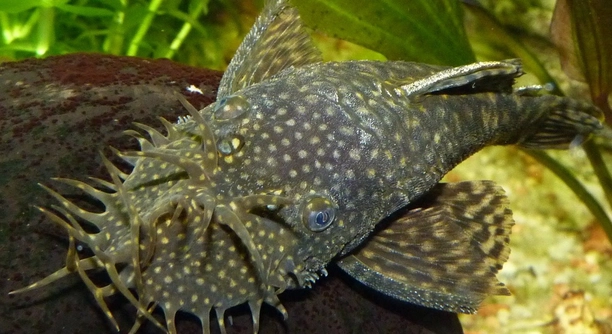
Do your plecos tend to hide most of the time, leaving your aquarium looking empty and dull? Many fish owners face this challenge, wanting to see their plecos more often while ensuring they stay safe and comfortable in their environment.
Plecos often remain hidden due to stress, lighting, or lack of hiding spots. Providing proper tank conditions, consistent feeding schedules, and enriching the environment encourages them to become more active and visible, supporting their natural behavior and overall well-being.
These simple adjustments can make a noticeable difference in your plecos’ daily activity and interaction, giving you a more engaging and lively aquarium to enjoy.
Create Hiding Spots and Caves
Plecos feel most comfortable when they have secure spaces to retreat to. Adding caves, driftwood, or hollow decorations gives them options to explore while staying safe. Many plecos are nocturnal, meaning they prefer dimly lit areas and dark shelters during the day. By providing these spaces, you allow your fish to feel protected and gradually gain confidence. Over time, you may notice them venturing out more often, especially when feeding or exploring. Simple items like ceramic pots or PVC pipes can also serve as effective hiding places. Arranging them thoughtfully throughout the tank encourages movement and interaction while preventing territorial disputes. Watching your plecos slowly come out of their shelters is rewarding. Additionally, the right decorations help mimic their natural environment, which reduces stress and promotes healthy behavior. Avoid overcrowding the tank with too many hiding spots, as it may limit swimming space and reduce visibility.
Providing diverse and secure shelters encourages plecos to explore and reduces stress, supporting more consistent activity and interaction in the tank environment.
Over time, you will see your plecos gradually spend more time outside their caves. They may hover near surfaces, rest on driftwood, or swim along the tank bottom. Adjusting the arrangement or rotating decorations can spark new interest. Properly spaced shelters also allow multiple plecos to coexist without aggression. Observing these changes can help you understand individual preferences, such as favorite hiding spots or preferred resting locations. Consistent lighting, tank maintenance, and feeding routines complement the shelter setup, reinforcing a sense of security. The more natural and predictable their environment, the more likely plecos are to venture out and display active behavior during the day.
Adjust Lighting Levels
Plecos are sensitive to bright light, which can make them hide more frequently. Dim lighting or shaded areas help them feel secure and encourage activity.
Lowering light intensity during the day while providing small, well-lit feeding zones can significantly increase pleco visibility. Using floating plants or tank ornaments that diffuse light can reduce stress while maintaining a healthy environment.
Gradually shifting light schedules to mimic natural day and night cycles helps plecos adapt comfortably. They may start exploring during dim periods and resting in shaded areas when light is stronger. Observing their response allows you to fine-tune the lighting setup. Combining proper light levels with other strategies, such as hiding spots and consistent feeding, creates a balanced environment that promotes activity and reduces anxiety. Over time, your plecos may spend more time swimming openly, interacting with tank decorations, and feeding confidently in visible areas.
Keep a Consistent Feeding Schedule
Plecos respond well to regular feeding times. Offering food at predictable hours encourages them to leave hiding spots and become more active, as they learn when to expect meals.
Consistency helps establish trust and reduces stress, making plecos feel secure enough to explore. Feeding the same type of food at the same time daily allows them to develop routines. Variety is important too, but abrupt changes can cause them to retreat. Observing their behavior over several weeks helps identify preferred feeding times and portions. Small, frequent feedings are better than a single large meal, as they mimic natural grazing habits and encourage movement throughout the tank.
Using sinking pellets or vegetables like zucchini and cucumber encourages plecos to move around the tank floor. Monitoring their response allows adjustments in quantity or timing, ensuring they stay healthy and engaged. Regular meals make plecos more predictable and visible.
Maintain Clean Water Conditions
Plecos are sensitive to water quality and can become stressed in dirty tanks, which keeps them hidden.
Regular water changes, proper filtration, and monitoring of parameters like pH and ammonia levels are essential. Clean water supports natural behavior and prevents illness, which can reduce activity.
Dirty or poorly maintained tanks can lead to lethargy, hiding, and weakened immune systems in plecos. Regularly testing water parameters and performing partial water changes reduces toxins and keeps the environment stable. Filter maintenance is equally important, as clogged or inefficient filters can lower oxygen levels, stressing the fish further. Stable temperature and pH also encourage healthy behavior. Observing plecos during maintenance helps detect early signs of illness or stress. Consistent care ensures plecos feel safe, promoting more frequent swimming and interaction with their surroundings. Healthy water conditions combined with proper feeding, hiding spots, and lighting create an environment where plecos are more likely to come out and display natural behaviors.
Offer Natural Foods
Plecos enjoy fresh vegetables and occasional protein-rich treats. Providing natural foods like zucchini, cucumber, or blanched spinach encourages them to leave hiding spots and graze actively.
Fresh foods not only promote movement but also support their digestive health. Rotating vegetables keeps their diet interesting and prevents boredom.
Introduce Driftwood
Driftwood provides both a hiding spot and a source of natural fiber. Plecos often graze on its surface, which keeps them occupied and visible. Properly prepared driftwood also helps maintain water quality by slightly softening water and adding beneficial tannins.
Minimize Tank Disturbances
Frequent tapping, loud noises, or sudden movements can scare plecos, causing them to stay hidden. Limiting disturbances encourages them to explore more freely.
FAQ
Why does my pleco hide all the time?
Plecos hide most of the time because they are naturally nocturnal and feel safer in dark or sheltered areas. Bright lights, sudden movements, or overcrowded tanks can make them retreat. Providing caves, driftwood, and dim lighting can help them feel secure and more willing to explore. Stress, poor water quality, and sudden changes in temperature also contribute to hiding behavior. Regular feeding schedules and stable tank conditions give plecos confidence, helping them gradually spend more time outside their shelters. Over time, you can observe their routines and preferred areas, making it easier to encourage activity.
Can feeding different foods make plecos come out more often?
Yes, offering a variety of foods can stimulate plecos and encourage them to leave hiding spots. Fresh vegetables like zucchini, cucumber, and spinach are favorites, and occasional protein sources such as shrimp pellets or bloodworms can spark interest. Rotating foods keeps their environment engaging, reduces boredom, and promotes natural foraging behavior. Sinking foods placed near hiding spots can gradually draw them out. Consistent feeding times also establish routine, which helps plecos feel secure. Observing their reactions to different foods allows you to identify favorites that motivate activity.
Does tank size affect pleco behavior?
Tank size plays a major role in pleco activity. Smaller or overcrowded tanks limit swimming space and make plecos feel stressed, encouraging hiding. Larger tanks with ample hiding spots, driftwood, and open areas for swimming allow plecos to explore freely. Proper spacing also reduces aggression and competition for territory, which can influence activity. Adequate water circulation and oxygenation in larger tanks improve health and encourage movement. Regular observation helps ensure each pleco has enough space to display natural behaviors.
How often should I clean the tank to make plecos more active?
Maintaining clean water is crucial for pleco activity. Regular partial water changes, filter cleaning, and monitoring of ammonia, nitrite, and nitrate levels prevent stress and illness. Dirty water can make plecos lethargic or hide constantly. Weekly maintenance routines are ideal, with adjustments based on tank size, filtration, and the number of fish. Observing plecos during cleaning helps identify behavioral changes, like increased hiding or unusual swimming patterns. Clean tanks combined with hiding spots, proper feeding, and stable lighting support consistent activity.
Will lighting adjustments affect pleco activity?
Yes, lighting plays a key role in pleco behavior. Bright lights make them feel exposed, while dim lighting or shaded areas encourage exploration. Introducing floating plants or ornaments that diffuse light can reduce stress. Gradually adjusting light cycles to mimic natural day and night patterns helps plecos adapt comfortably. Observing their responses to different lighting setups allows you to fine-tune intensity and placement. Consistent light schedules combined with proper hiding spots, feeding routines, and clean water create an environment where plecos are more likely to venture out and display active behaviors.
Do plecos interact with other fish?
Plecos are generally peaceful but can be territorial with their own species or similar bottom-dwelling fish. Having multiple hiding spots and sufficient space reduces stress and encourages them to leave shelters. Observing interactions helps identify compatible tank mates. Proper diet and environmental enrichment also support social and exploratory behavior. Over time, plecos may swim alongside other fish or investigate shared spaces if they feel safe.
Can adding driftwood help plecos come out more often?
Driftwood provides both a hiding spot and a grazing surface, which stimulates activity. Plecos nibble on the wood for fiber and enrichment, encouraging movement throughout the tank. Properly prepared driftwood also releases beneficial tannins and helps maintain slightly soft water, mimicking natural habitats. Placing driftwood near open areas can entice plecos to leave caves while still offering safety. Watching which pieces they prefer helps adjust placement and encourages consistent activity.
How long does it take for plecos to become more visible?
The time varies depending on species, individual temperament, and tank conditions. Some plecos adjust within a few days of environmental improvements, while others take weeks or months to feel comfortable. Consistent hiding spots, stable water conditions, proper lighting, and regular feeding routines all accelerate this process. Gradual observation and adjustments help plecos gain confidence and become more visible over time. Patience and consistency are key.
Are plecos more active at night?
Yes, plecos are naturally nocturnal and tend to be most active during low-light periods. Providing dim lighting or shaded areas during the day can help them feel safe while still allowing occasional activity. Feeding during evening hours often results in increased movement and visibility. Observing their nighttime routines gives insight into natural behavior and helps optimize feeding schedules. Over time, gradual adaptations may make them slightly more visible during the day.
Does water temperature influence pleco activity?
Water temperature significantly affects metabolism and activity levels. Most plecos prefer stable temperatures between 74–80°F. Sudden fluctuations or temperatures outside this range can stress them, causing extended hiding. Maintaining consistent temperature with a reliable heater or chiller improves overall health and encourages normal activity. Observing their behavior in response to adjustments allows fine-tuning of conditions to promote exploration and grazing habits.
Final Thoughts
Encouraging plecos to come out more often is mostly about creating a comfortable and predictable environment. These fish are naturally shy and nocturnal, so expecting them to be visible all the time is unrealistic. However, simple changes in their habitat can make a noticeable difference. Providing hiding spots like caves, driftwood, and shaded areas allows plecos to feel safe while still having room to explore. Regular cleaning and maintaining stable water parameters reduce stress, which is one of the main reasons plecos hide. When they feel secure, they are more likely to leave their shelters, move around the tank, and interact with the environment. Consistency is key—once plecos learn that the tank is a safe space with predictable feeding and stable conditions, their behavior becomes more relaxed and observable.
Feeding routines also play a major role in their activity. Offering fresh vegetables like zucchini, cucumber, and blanched spinach encourages grazing and exploration. Occasional protein treats, such as shrimp pellets or bloodworms, can motivate plecos to leave their hiding spots more frequently. It is important to maintain a consistent feeding schedule, as plecos respond well to routine. Slowly introducing new foods can stimulate interest without causing stress. Observing their preferences and behaviors during feeding helps you understand what motivates each fish. Combining regular feeding with appropriate tank decorations, dim lighting, and minimal disturbances can transform your aquarium into a more active and engaging space. Over time, plecos may even adjust to certain light levels and become more visible during the day.
Patience and observation are essential when working with plecos. These fish respond slowly to changes, and sudden adjustments can cause stress, pushing them further into hiding. It is important to make gradual improvements to the tank, monitor behavior, and adapt based on their reactions. Every pleco is slightly different—some are naturally more curious, while others prefer to stay hidden most of the time. By providing consistent care, a balanced diet, proper shelter, and stable water conditions, plecos can feel comfortable enough to explore more often. While they may never be as active as other species during the day, these strategies help maximize their visibility and overall well-being. Over time, you can enjoy a livelier aquarium where plecos display more natural behaviors, making the experience of keeping them more rewarding and satisfying.

Hello,
If you enjoy the content that we create, please consider saying a "Thank You!" by leaving a tip.
Every little bit helps us continue crafting quality advice that supports the health, happiness, and well-being of pets around the world, for pets of all shapes, sizes, and species.
We really appreciate the kindness and support that you show us!