
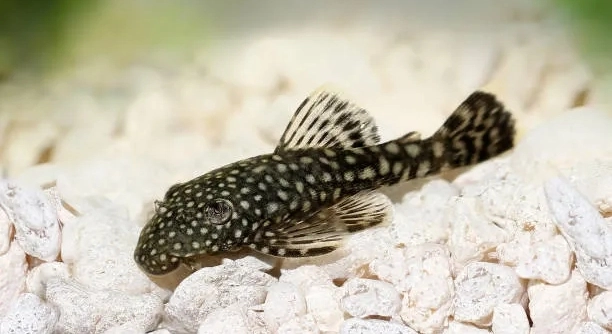
Do you enjoy keeping freshwater aquariums but find yourself wondering how your Bristlenose Pleco will adapt to its home over time? Many aquarists start with small tanks, unsure how these fish will grow. Watching them thrive can be both rewarding and surprising.
Bristlenose Plecos generally remain relatively small compared to other catfish, typically reaching 4 to 6 inches in length. While they can live comfortably in modest tanks, inadequate space may affect their health, activity levels, and lifespan over time.
Learning about their growth patterns and habitat needs will help you make the best choices for their long-term well-being and ensure a healthy environment in your tank.
Understanding Bristlenose Pleco Growth
Bristlenose Plecos are smaller than many other catfish, but they still need enough space to move and explore. These fish typically grow between four and six inches, though some may reach slightly larger sizes in ideal conditions. Their growth is influenced by diet, water quality, and tank environment. Providing hiding spots, driftwood, and plants can help them feel secure and reduce stress, which contributes to healthier growth. Overcrowding can lead to stunted growth, stress, and increased risk of disease. Observing your pleco regularly will help you notice changes in size or behavior early, allowing you to adjust tank conditions accordingly. Their nocturnal nature means they may seem inactive during the day, but proper tank setup ensures they remain active and healthy at night. Attention to these factors will help maintain a thriving Bristlenose Pleco in a small to medium-sized tank.
Bristlenose Plecos can adapt to smaller tanks if care and water quality are consistent.
Even in compact tanks, you can support your pleco’s health by maintaining regular water changes and monitoring temperature and pH. Driftwood, plants, and caves not only provide shelter but also encourage natural behavior, which keeps them active and less stressed. Feeding them a balanced diet with algae wafers and occasional vegetables ensures they get proper nutrition, supporting growth without overcrowding the tank.
Signs Your Pleco May Be Outgrowing Its Tank
If your pleco starts scraping excessively at surfaces or becomes less active, it may be cramped.
A small tank can limit swimming space, reduce oxygen levels, and increase waste buildup, all of which impact growth and health. Signs of stress include reduced appetite, faded color, and erratic swimming. It’s important to monitor water parameters, as poor water quality can compound issues from limited space. Upgrading to a larger tank or providing additional hiding areas can relieve stress and promote healthier behavior. Keeping the tank clean with regular water changes helps maintain stable conditions. Observing interactions with other tank mates can also indicate whether space is sufficient, as territorial disputes are more common in confined areas. Balancing tank size, décor, and environmental enrichment will help your Bristlenose Pleco thrive despite limited space. Planning ahead ensures your fish continues to grow safely and remain healthy.
Tank Size Recommendations
A 20-gallon tank is often sufficient for a single Bristlenose Pleco, but larger tanks provide better water stability and more room for exploration. Proper filtration and regular maintenance are essential to keep water quality high and your pleco healthy.
Larger tanks reduce stress and allow Bristlenose Plecos to display natural behaviors. They enjoy hiding spots like caves and driftwood, which require adequate space without overcrowding the tank. While a 20-gallon tank works for one fish, multiple plecos or other tank mates need more room to prevent territorial disputes. Sufficient swimming space encourages activity and supports overall health, while a stable environment reduces the risk of disease caused by poor water conditions. Proper setup ensures your pleco can thrive throughout its lifespan.
Monitoring tank dimensions and providing enough swimming and hiding space is key for long-term health. A cramped tank can affect growth, appetite, and behavior. Adding plants, driftwood, and ornaments thoughtfully creates a stimulating environment without overcrowding. Regularly testing water parameters and performing maintenance supports a balanced ecosystem. Choosing the right tank size from the beginning simplifies care, prevents stress, and allows your Bristlenose Pleco to grow naturally.
Feeding and Growth Management
Feeding a balanced diet helps control growth and keeps your pleco healthy. Algae wafers and vegetables are staples, with occasional protein supplements.
Proper feeding supports steady growth without overloading small tanks. Bristlenose Plecos need high-fiber foods to aid digestion and maintain healthy weight. Overfeeding can lead to water quality issues and excessive waste, stressing the fish and potentially stunting growth. Including vegetables like zucchini, cucumber, or spinach alongside commercial wafers provides necessary nutrients and mimics natural grazing habits. Rotating foods and monitoring portion sizes ensures plecos get what they need without creating a messy tank environment. Feeding at night aligns with their natural nocturnal activity, promoting proper consumption and digestion.
Maintaining a feeding schedule also helps you observe changes in behavior or appetite. Noticing reduced eating or picky habits can indicate stress or tank issues. Adjusting portion size and variety can improve growth and overall health. Using feeding strategies, like floating foods or sinking wafers, ensures plecos can access nutrition easily. Providing a balanced diet with proper portions and supplements allows your Bristlenose Pleco to grow steadily, remain active, and thrive in its aquatic environment.
Water Quality Essentials
Maintaining clean water is critical for Bristlenose Plecos. Regular water changes and a reliable filtration system help prevent toxins from building up and reduce stress. Monitoring pH, ammonia, nitrite, and nitrate levels ensures a safe environment for healthy growth.
Stable water temperature is also important. Sudden fluctuations can stress plecos and slow growth. Keeping water between 72–78°F supports natural activity and metabolism. Using a heater and thermometer helps maintain consistent conditions, while routine testing and partial water changes prevent harmful spikes in toxins. Proper water care directly affects the fish’s health, behavior, and longevity.
Signs of Stress
Stress can manifest in faded color, hiding more than usual, or reduced appetite.
Recognizing early stress signs allows intervention before health declines.
Bristlenose Plecos may become lethargic or scrape surfaces excessively when stressed. Overcrowding, poor water quality, or lack of hiding spots can contribute. Providing a balanced diet, adequate space, and clean water reduces stress. Observing behavior regularly helps identify issues early and maintain overall well-being.
Adjusting Tank Size
Upgrading the tank size is necessary if plecos appear cramped or growth is stunted. Proper space ensures they remain active and healthy.
FAQ
Do Bristlenose Plecos need large tanks to thrive?
Bristlenose Plecos are smaller than many other catfish species, typically reaching 4 to 6 inches in length. They can live comfortably in tanks as small as 20 gallons, but larger tanks are always better for maintaining stable water conditions. More space allows them to swim freely, explore hiding spots, and reduce stress. A bigger tank also prevents territorial disputes if you keep multiple plecos or other bottom-dwelling fish. While small tanks are manageable, monitoring water quality and providing enrichment are essential to ensure your pleco’s health and longevity.
How fast do Bristlenose Plecos grow?
Growth rates depend on diet, water quality, and tank conditions. Most plecos grow quickly during the first year, reaching about half their adult size within months. Proper feeding, including algae wafers and vegetables, supports steady growth without overloading small tanks. Environmental factors like stable temperature, clean water, and enough hiding places contribute to healthy development. Overcrowding or poor water quality can slow growth and stress the fish, leading to health issues. Observing your pleco regularly helps track progress and adjust tank care as needed to maintain healthy growth.
What are signs my pleco is outgrowing its tank?
Signs include increased scraping against surfaces, hiding more often, reduced appetite, or faded coloration. If the fish seems cramped or inactive during its usual nocturnal activity, the tank may be too small. Overcrowding can reduce oxygen levels and increase waste, impacting health. Behavioral changes, such as territorial aggression or stress, also indicate limited space. Providing a larger tank or additional hiding spots can alleviate these issues. Monitoring water parameters and maintaining proper filtration are crucial in supporting a growing pleco, especially in confined spaces.
How do I manage a pleco’s diet in a small tank?
Feeding the right portions is key to prevent overfeeding, which can harm water quality in small tanks. Algae wafers, vegetables like zucchini or cucumber, and occasional protein supplements provide balanced nutrition. Feeding at night aligns with their natural activity patterns. Rotating foods prevents nutrient deficiencies and keeps the fish interested. Removing uneaten food quickly prevents waste buildup and stress. Watching how much your pleco eats helps maintain healthy growth and reduces the risk of obesity or malnutrition, ensuring a thriving fish in limited space.
Can Bristlenose Plecos live long in small tanks?
Yes, if conditions are well-maintained. Clean water, stable temperature, proper diet, and enough hiding spaces support health and longevity. Regular water changes, filtration, and monitoring water chemistry prevent disease and stress. While larger tanks make maintenance easier, a small tank with careful care can still support a pleco for many years. Paying attention to behavior and growth ensures your fish remains active and healthy, even in a compact environment. Environmental enrichment and proper nutrition are just as important as tank size for a long, healthy life.
Are hiding spots important in small tanks?
Absolutely. Bristlenose Plecos are nocturnal and naturally shy, so hiding spots reduce stress and encourage natural behavior. Driftwood, caves, and plants provide security and prevent territorial disputes. Even in small tanks, thoughtful placement of hiding spaces allows the pleco to feel safe without limiting swimming space. This setup supports activity, growth, and overall health while maintaining a comfortable environment that mimics their natural habitat.
How often should I perform water changes in a small tank?
Regular partial water changes are essential, ideally 20–30% weekly. Small tanks accumulate waste faster than larger ones, making consistent maintenance crucial. Water changes help control ammonia, nitrite, and nitrate levels while keeping pH stable. Monitoring water quality and removing debris from the substrate also reduces stress. Proper filtration complements water changes, maintaining a healthy environment for your pleco. Consistency in maintenance prevents health problems and ensures the fish continues to grow and thrive.
Can multiple plecos live in the same small tank?
It depends on tank size and décor. A 20-gallon tank may support only one pleco comfortably. Multiple plecos require more space to avoid territorial disputes. Providing plenty of hiding spots and ensuring adequate swimming areas reduces stress. Overcrowding can stunt growth, lower immunity, and lead to aggressive behavior. Observing interactions and adjusting tank layout or population as needed is essential to maintain a healthy environment. Proper planning ensures all fish remain active, healthy, and free from chronic stress.
What tank features help plecos feel comfortable?
Driftwood, caves, plants, and soft substrate are essential. Driftwood provides a surface for grazing, while caves offer shelter during the day. Plants create visual barriers and reduce stress, and soft substrate prevents injury. Even in small tanks, arranging these elements carefully maximizes usable space and supports natural behavior. A well-thought-out layout promotes activity, growth, and overall health, helping the pleco thrive despite limited tank size.
How do I prevent stunted growth in a small tank?
Maintaining clean water, proper nutrition, and enough space for swimming are key. Stress reduction through hiding spots and stable environmental conditions supports normal growth. Avoid overstocking, monitor water parameters, and ensure the pleco receives a balanced diet with fiber and nutrients. Observing behavior and adjusting care prevents stunting and promotes long-term health. Even in smaller tanks, careful management allows Bristlenose Plecos to reach their typical size and remain active, healthy, and content in their environment.
This FAQ addresses the most common concerns about Bristlenose Plecos in smaller tanks, providing guidance on tank size, diet, stress management, and maintenance to ensure a healthy, thriving fish.
Word count: 502
Final Thoughts
Bristlenose Plecos are often seen as easygoing fish, but their care requires careful attention to tank size, water quality, and diet. While they do not grow as large as many other catfish species, they still need enough space to move, explore, and display natural behavior. A small tank can work if it is properly maintained, but limiting factors like overcrowding, poor filtration, and lack of hiding spots can create stress and affect growth. Observing your pleco regularly helps you notice early signs of discomfort or changes in behavior. If the fish seems less active, hides excessively, or stops eating, these can be indicators that the tank environment is no longer sufficient. Addressing these issues early with water changes, diet adjustments, or tank upgrades can prevent long-term health problems. Proper care, even in smaller tanks, allows Bristlenose Plecos to thrive for many years.
Diet plays a central role in maintaining healthy growth and overall well-being. Algae wafers and fresh vegetables like zucchini, cucumber, and spinach provide essential nutrients that mimic their natural grazing habits. Offering protein supplements occasionally helps support steady development. Feeding at the right time, typically in the evening when they are more active, ensures the fish can eat without competition. Overfeeding is a common mistake, especially in smaller tanks, as uneaten food can quickly pollute the water and increase stress levels. Removing leftovers and monitoring how much the pleco consumes helps maintain water quality and prevents obesity. A balanced feeding routine combined with proper tank maintenance is key to supporting growth and reducing the risk of disease or stunted development. Even small adjustments in diet or feeding schedule can make a noticeable difference in the health of your pleco.
Water quality and environmental enrichment are just as important as diet and tank size. Regular partial water changes, monitoring pH and ammonia levels, and maintaining stable temperature contribute to a healthy living space. Driftwood, plants, and caves provide hiding spots and encourage natural behavior, reducing stress and promoting activity. Even in a compact tank, careful arrangement of décor can create a stimulating environment without overcrowding. Observing how your pleco interacts with its surroundings allows you to adjust the layout or add enrichment as needed. Long-term health depends on balancing all these factors. When diet, tank size, and water conditions are managed effectively, Bristlenose Plecos can live comfortably in smaller tanks while staying active, healthy, and displaying their unique personality. Providing consistent care ensures they remain a rewarding addition to your aquarium for years to come.
Word count: 407

Hello,
If you enjoy the content that we create, please consider saying a "Thank You!" by leaving a tip.
Every little bit helps us continue crafting quality advice that supports the health, happiness, and well-being of pets around the world, for pets of all shapes, sizes, and species.
We really appreciate the kindness and support that you show us!