
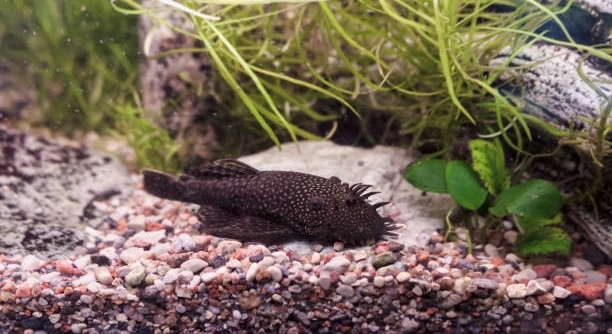
Have you ever noticed your plecos acting sluggish or hiding more than usual in their tank? Keeping them healthy requires attention to their environment and routine care, which can make a big difference in their overall wellbeing.
Maintaining a clean tank, monitoring water quality, and providing proper nutrition are essential habits that support plecos’ health. Regular maintenance reduces stress, prevents disease, and ensures their natural behaviors and feeding patterns are sustained consistently.
Simple daily and weekly practices can dramatically improve your plecos’ life, making it easier to enjoy a thriving, healthy aquarium.
Regular Water Changes
Changing the water regularly is one of the most important habits for pleco care. Clean water keeps ammonia and nitrite levels low, which directly affects their health. I try to replace about 20-30% of the tank water weekly. It’s simple but makes a noticeable difference in their activity and coloration. Stagnant water often leads to stress and disease, so keeping a routine schedule is essential. Using a siphon to remove debris from the substrate also helps maintain water quality. Over time, I noticed my plecos are more active and less prone to hiding when water changes are consistent. Testing water parameters occasionally ensures the levels remain safe. This small effort prevents larger problems and keeps the tank environment stable. Even if life gets busy, sticking to a consistent schedule makes tank maintenance feel manageable and less overwhelming, which plecos definitely benefit from.
Water changes improve oxygen levels, reduce toxins, and promote overall health for plecos.
Consistent water replacement creates a stable environment that supports feeding habits, encourages natural behavior, and prevents long-term stress. Skipping changes can lead to buildup of harmful chemicals. Using a gravel vacuum removes excess waste and uneaten food. A partial water change avoids shocking the fish while still improving quality. Over time, this habit strengthens immunity, reduces algae growth, and keeps decorations cleaner. Tracking water parameters ensures ammonia, nitrite, and nitrate levels stay within safe ranges. Adding treated, temperature-matched water prevents sudden changes that can stress plecos. Maintaining a clean tank through regular water changes helps plecos grow stronger, remain active, and live longer, creating a healthier and more balanced ecosystem.
Proper Feeding Schedule
Feeding plecos at consistent times each day helps them develop a routine.
A structured feeding schedule ensures plecos get enough nutrients without overfeeding. Avoiding leftovers prevents water quality problems and keeps the tank cleaner.
Plecos require a mix of algae, vegetables, and occasional protein. I usually feed them every morning, giving just enough so food is gone within a couple of hours. Overfeeding can cause water quality issues, so portion control is important. Watching their behavior during feeding helps me adjust amounts if needed. Some plecos prefer vegetables like zucchini, cucumber, or spinach, while others will nibble on algae wafers. Rotating foods provides a balanced diet and prevents picky eating habits. Observing each pleco individually helps ensure they all get enough nutrition. Feeding at the same times each day also reduces stress, as they learn when to expect meals. This simple routine makes caring for plecos easier and keeps their tank healthier in the long term.
Tank Decoration and Hiding Spots
Plecos need places to hide and explore, which reduces stress and encourages natural behavior. Caves, driftwood, and plants create secure spaces while also improving tank aesthetics and water quality.
I make sure to include several hiding spots in my tank. Driftwood is especially important because plecos like to graze on it, which helps with digestion. Smooth rocks and ceramic caves give them privacy, especially during the day when they are less active. Plants provide extra cover and can absorb some nitrates, indirectly benefiting water quality. Changing the layout occasionally keeps the environment interesting and encourages exploration. Observing my plecos, I notice they spend more time outside hiding spots when they feel secure, which shows how these additions make a real difference in their behavior and comfort.
Decorations should not overcrowd the tank. Space must be left for swimming and feeding. Placement affects flow and accessibility. Driftwood, rocks, and plants should be stable to prevent accidents that could harm plecos.
Consistent Water Temperature
Maintaining a stable water temperature prevents stress and supports immune function. Sudden changes can weaken plecos and make them more prone to disease, so monitoring with a thermometer is essential.
I keep my tank heater set to a steady temperature suitable for the pleco species I have. Tropical plecos generally thrive around 75–80°F, depending on the type. Fluctuations from drafts, room temperature changes, or inadequate heaters can cause hiding, reduced feeding, or even illness. I check the thermometer daily to make sure it remains consistent, and I adjust the heater if needed. Using a reliable heater with a built-in thermostat helps maintain stability, avoiding wide swings that could stress the fish. Stability in temperature also improves metabolism, digestion, and overall activity levels.
Temperature changes can affect water chemistry too, altering oxygen levels and ammonia toxicity. Consistency protects both the fish and the tank ecosystem. A stable environment ensures plecos remain active, healthy, and less likely to develop stress-related issues.
Filter Maintenance
Keeping the filter clean ensures proper water flow and removes waste effectively. A well-maintained filter supports water quality and prevents the buildup of harmful substances that stress plecos.
I clean my filter media monthly, rinsing it in tank water to preserve beneficial bacteria. Avoid using tap water, as chlorine can kill helpful microbes. Regular maintenance keeps the filter efficient and prolongs its lifespan. Observing the flow helps me know if cleaning is needed sooner.
Monitoring Water Parameters
Checking ammonia, nitrite, nitrate, and pH levels helps prevent health problems. I test the water weekly to ensure conditions stay within safe ranges for plecos. Regular monitoring helps me catch small issues before they become serious, keeping the tank stable and safe.
Substrate Cleaning
Gravel or sand should be vacuumed to remove leftover food and waste. This prevents harmful buildup and keeps the environment clean for plecos.
Observation of Behavior
Watching plecos daily reveals signs of stress or illness early. Sudden changes in activity, hiding, or feeding habits can indicate problems that need attention.
FAQ
How often should I feed my pleco?
Feeding depends on the species, but generally once a day is enough for most common plecos. I give just enough food that they can finish in a couple of hours to avoid leftover debris that can harm water quality. Vegetables like zucchini or cucumber, along with algae wafers, provide balanced nutrition. Watching their eating habits helps adjust portions, especially if multiple plecos share the tank. Overfeeding can cause excess waste and higher ammonia, stressing the fish and requiring more frequent water changes.
What type of water is best for plecos?
Plecos prefer clean, dechlorinated water with stable parameters. I always use a water conditioner to remove chlorine and chloramine from tap water. The pH should generally stay between 6.5 and 7.5 for most common pleco species, and hardness should match the species’ natural environment. Temperature should be consistent, usually around 75–80°F for tropical plecos. I also make sure the water has good oxygenation through proper filtration and occasional aeration. Consistency in water quality is more important than perfection, and small changes can stress them if done too quickly.
Do plecos need hiding spots?
Yes, hiding spots are essential. I provide driftwood, ceramic caves, and dense plants for cover. Plecos often rest during the day, and hiding reduces stress and prevents aggression from tankmates. Driftwood is particularly beneficial because many plecos graze on it, which aids digestion. Changing decorations occasionally keeps the environment interesting while still providing safety. Observing how plecos use hiding spots can help me see if the tank layout feels secure. Without sufficient cover, plecos may hide excessively or become stressed, which can affect feeding and growth.
How often should I change the water?
I perform partial water changes weekly, usually 20–30% of the tank volume. Regular changes reduce ammonia, nitrites, and nitrates while keeping the water fresh. Over time, skipping changes can lead to water quality problems, algae growth, and stressed fish. I use a siphon to remove debris from the substrate, which also prevents buildup of uneaten food. Consistency is key; partial water changes are safer than large, infrequent ones because sudden shifts can shock plecos and impact their health.
Can plecos live with other fish?
Plecos are generally peaceful but territorial with their own kind or similar species. I keep them with calm community fish that do not nip fins. Providing plenty of hiding spots reduces territorial disputes and stress. Monitoring interactions is important during the first few weeks to ensure harmony. Some plecos become more active at night, so tankmates should be compatible with this behavior. Balancing space, hiding spots, and feeding routines makes cohabitation manageable.
Why is my pleco hiding all the time?
Hiding is normal, especially during the day, but excessive hiding can indicate stress, poor water quality, or illness. I check water parameters, temperature, and tank layout when this happens. New tank introductions or sudden changes can also cause prolonged hiding. Ensuring a secure environment with proper diet and consistent maintenance usually reduces hiding.
What should I do if my pleco stops eating?
Loss of appetite can signal stress, water quality issues, or illness. I start by testing water parameters and checking for signs of disease. Offering fresh vegetables, algae wafers, or variety in diet can stimulate feeding. Temperature consistency and proper hiding spots also influence appetite. Monitoring closely and making small, gradual adjustments often helps plecos return to normal eating patterns without drastic interventions.
Is driftwood necessary for all plecos?
Many plecos benefit from driftwood as it provides both grazing material and hiding space. I include pieces that are smooth and safe for the tank. Driftwood can slightly lower pH, which is suitable for most species. While not every pleco requires it, including driftwood generally improves health, encourages natural behavior, and supports digestion.
How can I prevent algae buildup?
Balanced feeding, regular water changes, and proper lighting control help manage algae. I avoid overfeeding and keep lights on a timer for 8–10 hours daily. Algae-eating plecos contribute, but manual cleaning may still be necessary. Maintaining a clean tank prevents excess algae and supports plecos’ health.
When should I worry about pleco health?
I pay attention to sudden changes in behavior, appearance, or appetite. Signs like lethargy, frayed fins, or unusual spots indicate the need for action. Testing water and isolating affected fish if necessary helps prevent problems from spreading. Early attention often resolves issues quickly.
This FAQ covers the most common pleco care concerns, providing practical steps and observations from consistent maintenance and daily monitoring. Following these practices helps ensure plecos remain healthy, active, and stress-free in their aquarium environment.
Final Thoughts
Maintaining a healthy environment for plecos requires consistent care and attention, but it doesn’t have to feel complicated. Small, regular habits like partial water changes, filter maintenance, and monitoring water parameters make a significant difference in their overall wellbeing. I’ve found that when I stick to a routine, the tank stays cleaner, the plecos are more active, and fewer health issues arise. Plecos may be hardy, but they thrive best in a stable, well-maintained environment. Skipping steps or being inconsistent can lead to stress, which often shows in hiding behavior, loss of appetite, or reduced activity. Keeping their habitat clean and stable is the most straightforward way to support their natural behaviors and long-term health.
Providing hiding spots, decorations, and driftwood is just as important as water care. These elements give plecos security and encourage natural exploration and grazing habits. Over time, I’ve noticed that plecos become more confident and display more natural behaviors when their tank includes places to retreat and surfaces to graze. Even simple additions like a small cave or a piece of driftwood can reduce stress and provide enrichment. Observation is key—watching your plecos over time helps you understand their preferences and adjust the tank layout or hiding spaces accordingly. Healthy plecos are active, show good coloration, and interact with their environment, which is often the most satisfying feedback that the care routines are effective.
Feeding routines also play a crucial role in maintaining healthy plecos. Consistent meal times, balanced portions, and a variety of foods ensure they receive proper nutrition without overloading the tank with waste. I rotate vegetables and algae wafers to keep their diet balanced, and I monitor how much each pleco consumes to prevent competition or overfeeding. Attention to these details, combined with stable water conditions and a secure tank layout, forms the foundation of effective pleco care. Over time, following these habits creates a thriving tank where plecos can live long, healthy lives, and the aquarium remains easier to maintain. Consistency, observation, and small adjustments are the keys to ensuring plecos remain stress-free, active, and healthy in their aquatic environment.
This approach shows that caring for plecos is manageable and rewarding. By focusing on regular maintenance, proper feeding, and a safe habitat, plecos not only survive but flourish.

Hello,
If you enjoy the content that we create, please consider saying a "Thank You!" by leaving a tip.
Every little bit helps us continue crafting quality advice that supports the health, happiness, and well-being of pets around the world, for pets of all shapes, sizes, and species.
We really appreciate the kindness and support that you show us!