
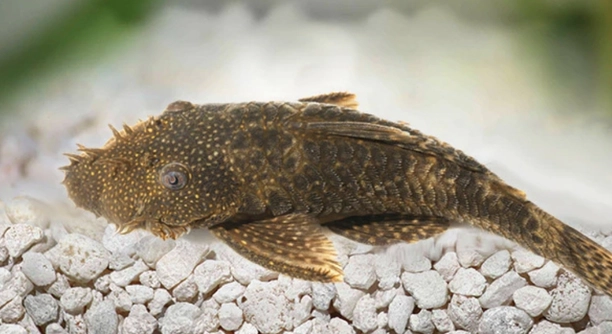
Are your pleco’s fins looking torn or ragged lately? It can be worrying to see your fish struggling, especially when they usually swim gracefully around the tank without a care in the world.
Pleco fin damage is most often caused by environmental stressors, injuries, or disease. Poor water quality, aggressive tank mates, nutritional deficiencies, fungal or bacterial infections, fin-nipping, and physical trauma are primary contributors to deteriorating fin health in plecos.
Understanding these causes is essential for keeping your pleco healthy and preventing future fin problems in your aquarium.
Poor Water Quality
Dirty water is one of the main reasons plecos develop fin damage. High levels of ammonia, nitrites, or nitrates can irritate their delicate fins, causing them to fray or rot over time. Even minor fluctuations in pH or temperature can stress plecos, making them more vulnerable to infections. Regular water changes, proper filtration, and testing water parameters are essential to maintain a healthy tank environment. Uneaten food and waste can build up quickly, creating conditions that weaken fins. Consistent maintenance prevents the accumulation of harmful chemicals that can slowly erode fin tissue. Plecos, like most fish, rely on clean water for both immune support and general well-being. Observing your tank daily can help spot water quality issues early. Small adjustments, like removing excess debris or using water conditioners, can significantly improve fin health. Over time, well-maintained water reduces the chance of recurring fin problems and supports natural fin regeneration.
Water quality affects fin health directly. Poor conditions make plecos prone to tears, infections, and stress.
Keeping water clean is more than just routine—it ensures your pleco’s fins remain strong. By monitoring levels, performing timely changes, and using effective filtration, you support not only fin repair but overall health. Over months, consistent care can prevent recurring fin issues, keeping your pleco active and vibrant. Understanding how water quality interacts with fin tissue helps anticipate potential problems, reducing the likelihood of infection or permanent damage. Even small tanks need attention to prevent chemical spikes, while larger tanks benefit from balanced filtration and circulation. Proper diet complements water care, but without clean water, even healthy nutrition cannot fully protect fins. Stress from poor water also lowers immunity, making plecos susceptible to fungal or bacterial infections that worsen fin damage. Regular checks, simple filtration tweaks, and consistent water changes form a protective routine that ensures long-lasting fin integrity and healthier swimming behavior.
Aggressive Tank Mates
Aggressive fish can nip or tear pleco fins, especially during feeding or when defending territory.
Fin injuries from tank mates heal slowly and can easily become infected. Regular observation and separating aggressive fish prevent repeated damage, giving plecos time to recover fully.
Plecos are generally peaceful but may still encounter threats in a mixed tank. Fish that chase, bite, or crowd plecos can cause noticeable fin tears, sometimes leading to permanent damage if repeated. Territorial disputes over hiding spots or food can escalate quickly, leaving plecos stressed and physically harmed. It is important to assess compatibility when adding new fish to the tank. Providing plenty of hiding spaces and maintaining proper tank size reduces conflict and gives plecos areas to rest safely. If aggression persists, temporary or permanent separation may be necessary. Recovering fins require both protection from further attacks and stable water conditions. In some cases, protective barriers or rearranging tank decorations can redirect aggressive behavior. Monitoring interactions closely ensures that plecos can swim freely without fear, minimizing stress and supporting natural fin regeneration.
Nutritional Deficiencies
Lack of proper nutrients can weaken pleco fins. A diet low in vitamins or minerals can make fins thin, fragile, and more likely to tear.
Plecos need a mix of vegetables, algae wafers, and occasional protein to maintain strong fins. Vitamin deficiencies, particularly vitamin C, can slow fin regeneration and make existing tears worse. Feeding the same food repeatedly may leave gaps in essential nutrients, weakening tissue over time. Including varied foods like zucchini, cucumber, and high-quality commercial pleco pellets supports overall health. Occasional treats like shrimp or bloodworms provide protein for recovery and growth. Balanced nutrition strengthens the immune system, helping plecos resist infections that worsen fin damage. Observing fin condition while adjusting diet can show improvement over weeks, indicating a healthier intake of essential nutrients. Consistency in feeding and variety prevents recurring fin problems caused by deficiencies.
A proper diet ensures strong fins and faster healing. Without it, plecos remain vulnerable to tears and infections.
Even minor deficiencies can have major effects. Weak fins tear easily during normal swimming, and poor nutrition slows recovery. Combining fresh vegetables, algae, and fortified pellets helps plecos maintain fin integrity. Protein-rich treats support regrowth, while vitamin-rich foods strengthen overall health. Monitoring fin condition alongside dietary changes reveals the impact of nutrition. Over time, consistent feeding habits lead to noticeable improvement, reducing susceptibility to fin rot or fraying. Maintaining variety and balance in the diet is essential for both prevention and repair, allowing plecos to thrive in the tank.
Fungal and Bacterial Infections
Infections can cause fins to rot or develop white edges. Early treatment prevents worsening damage and supports regrowth.
Fungal infections often appear as cottony patches, while bacterial infections may look red or ragged. Poor water quality and stress increase susceptibility. Treatment involves isolating affected fish, using appropriate antifungal or antibacterial medications, and improving tank conditions. Maintaining cleanliness and observing fish behavior helps catch infections early. Fin rot spreads quickly if left untreated, damaging more than just the fins. Recovery requires a stable environment and a consistent medication schedule. Adjusting feeding and ensuring low-stress conditions aid immune response, giving fins the best chance to heal fully. Some plecos may need weeks of treatment for full regeneration, but careful monitoring prevents relapses and further complications.
Fungal and bacterial infections harm fins quickly. Prompt action with medication and clean water is essential for full recovery.
Treating infections requires attention and patience. Isolating affected plecos prevents contamination of other tank mates. Using correct medications according to dosage supports healing without adding extra stress. Improving water quality during treatment ensures the immune system can fight infection effectively. Regular observation identifies early signs of rot, such as fraying, discoloration, or unusual swimming patterns. Adjusting diet to include vitamins and proteins helps tissue repair. Combining medication, water care, and nutrition maximizes recovery speed. Once fins begin to regenerate, continued monitoring prevents setbacks, ensuring long-term health. Maintaining a clean, stable environment after treatment reduces the risk of future fungal or bacterial outbreaks.
Fin-Nipping
Some tank mates may nip at pleco fins, causing small tears or ragged edges. Even playful chasing can result in noticeable damage if repeated frequently.
Fin-nipping is more common in crowded tanks or when plecos hide near active fish. Separating aggressive species or providing extra hiding spots can prevent further injury and allow fins to heal safely.
Physical Trauma
Plecos can injure their fins on sharp decorations, rough rocks, or tank equipment. These tears may worsen if the fish swims rapidly or scrapes against surfaces repeatedly. Maintaining smooth, safe tank decorations and observing fish movement reduces the risk of such injuries.
Stress
Stress weakens pleco immune systems, making fins more prone to damage and slow to heal. Factors like overcrowding, sudden water changes, or frequent disturbances increase stress levels, affecting overall fin health.
How can I tell if my pleco’s fins are damaged?
Damaged fins often appear frayed, torn, or uneven. You may notice ragged edges, white tips, or missing pieces. In some cases, fins may curl or droop, indicating stress or infection. Observing your pleco during swimming and feeding can help identify injuries early before they worsen.
What is the fastest way to help fin damage heal?
Healing requires a combination of clean water, proper nutrition, and a stress-free environment. Removing aggressive tank mates, providing hiding spots, and maintaining stable water parameters gives fins a chance to repair naturally. For infections, appropriate antifungal or antibacterial treatment accelerates recovery. Consistency is key for visible improvement.
Can poor water quality really affect fins that much?
Yes, poor water quality directly harms fins. Ammonia, nitrite, and nitrate build-up irritates tissue and slows healing. Even small pH fluctuations can weaken fins over time. Regular water testing, partial water changes, and effective filtration prevent long-term fin deterioration. Clean water supports immune health and natural regrowth.
What foods help pleco fins recover?
Vegetables like zucchini, cucumber, and peas provide fiber and nutrients for healthy fins. Algae wafers and fortified commercial pleco pellets supply vitamins and minerals. Occasional protein treats, such as shrimp or bloodworms, aid tissue repair. A varied diet ensures proper nutrition, making fins stronger and more resistant to damage.
Do fin injuries always lead to infections?
Not always, but torn fins are vulnerable. Open edges can attract fungal or bacterial infections if water quality is poor. Prompt attention, clean water, and monitoring reduce the risk. Early detection of fraying or discoloration allows treatment before the condition worsens.
How long does it take for pleco fins to regrow?
Regrowth depends on the severity of damage and overall tank conditions. Small tears may heal in a few weeks, while extensive rot can take several months. Consistent water care, proper diet, and avoiding stress help speed up recovery and improve fin quality.
Are some pleco species more prone to fin damage?
Yes, species with long or delicate fins, such as the Sailfin or Leopard pleco, are more vulnerable. Active or territorial tank mates can also increase risk. Awareness of species-specific needs, gentle tank mates, and adequate space helps prevent repeated injuries.
Should I isolate a pleco with fin damage?
Isolation can be beneficial if tank mates are aggressive or if the fins are severely torn. A separate tank with clean water and minimal stress gives fins the best chance to heal. Monitoring progress in isolation helps ensure recovery without further injury.
Can stress alone cause fin deterioration?
Stress weakens the immune system, making fins more prone to tears and slower to heal. Overcrowding, sudden water changes, loud noises, or constant handling increase stress. Reducing stress factors supports faster recovery and helps prevent additional damage.
Are medications always necessary for fin damage?
Not always. Minor tears can heal naturally with clean water and proper nutrition. Medications are only needed if infection is present or if damage worsens. Correct diagnosis ensures treatment targets the problem without causing unnecessary stress to your pleco.
What signs indicate an infection is developing on fins?
White, cottony patches or red, inflamed edges are common infection indicators. Fins may appear ragged, curl, or develop small holes. Observing changes quickly allows prompt treatment, preventing the infection from spreading and causing permanent damage.
Can decorations cause fin damage?
Yes, sharp or rough decorations can tear fins during normal swimming. Rocks with jagged edges, plastic ornaments with rough surfaces, or tight spaces where plecos scrape against objects are frequent causes. Smoothing edges and using soft hiding places reduces injury risk.
How do I prevent fin damage in the future?
Maintaining stable water parameters, a varied diet, and calm tank mates prevents most fin issues. Providing hiding spots, avoiding overcrowding, and careful selection of decorations also help. Regular observation allows early intervention, keeping fins healthy and strong over time.
Does fin damage affect a pleco’s overall health?
Yes, damaged fins can reduce swimming efficiency, increase stress, and make plecos more prone to infections. Prompt care restores normal function, improves comfort, and supports long-term well-being. Healthy fins contribute to proper swimming, feeding, and immune response.
Can plecos fully recover from severe fin damage?
With proper care, many plecos can fully regrow fins, although some severe tears may leave minor imperfections. Consistent water quality, nutrition, and stress reduction are essential. Monitoring progress ensures healing continues and prevents further deterioration.
Taking care of pleco fins requires attention to several simple but important factors. Clean water is the foundation of fin health. Regular water changes, testing for ammonia, nitrite, and nitrate, and keeping pH levels stable all help prevent damage. Even small changes in water quality can stress plecos, leaving their fins vulnerable to tearing, fraying, or infection. Observing your pleco daily can help catch early signs of fin problems. Early intervention often makes the difference between a minor tear that heals quickly and a more serious injury that could lead to infection. Alongside water care, proper tank setup is essential. Smooth decorations, adequate hiding spots, and enough space for swimming reduce the chance of accidental injury or stress from aggressive tank mates. Monitoring how your pleco interacts with other fish also helps prevent repeated fin damage.
Nutrition plays a key role in maintaining strong, healthy fins. Plecos need a balanced diet that includes vegetables, algae wafers, fortified pellets, and occasional protein treats. Foods rich in vitamins, minerals, and protein support fin tissue growth and repair. Repeatedly feeding the same type of food may leave gaps in essential nutrients, weakening the fins over time. Including fresh vegetables like zucchini or cucumber alongside high-quality pellets ensures plecos get fiber, vitamins, and minerals needed for overall health. Treats like shrimp or bloodworms provide extra protein that can aid fin regeneration, especially after injury. Watching your pleco’s fins while adjusting its diet can show clear improvements over weeks, indicating that the fish is getting proper nutrition. A well-fed pleco not only heals faster but is also more resistant to infections that could worsen fin damage.
Stress reduction is another important factor in fin health. Overcrowding, frequent water changes, loud disturbances, or aggressive tank mates can all increase stress, weakening the immune system and making fins more prone to injury or infection. Ensuring your pleco has calm surroundings and safe hiding places helps reduce stress naturally. If fin damage occurs, isolating the affected fish in a quiet, clean tank can help recovery by minimizing further injuries and exposure to potential infections. Even minor adjustments, such as rearranging tank decorations or spacing out feeding areas, can reduce tension in the tank. With consistent care—clean water, proper diet, and stress management—plecos can recover from fin damage and maintain healthy, strong fins. Watching your pleco thrive over time is a clear reward for keeping these simple routines in place. Healthy fins improve swimming, feeding, and overall well-being, making your aquarium a safer and more comfortable environment for your fish.

Hello,
If you enjoy the content that we create, please consider saying a "Thank You!" by leaving a tip.
Every little bit helps us continue crafting quality advice that supports the health, happiness, and well-being of pets around the world, for pets of all shapes, sizes, and species.
We really appreciate the kindness and support that you show us!