
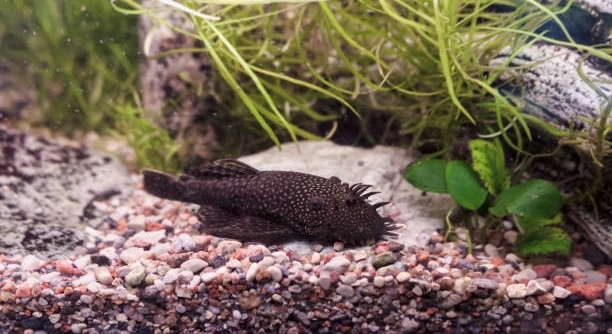
Bristlenose plecos are gentle, bottom-dwelling fish that enjoy exploring their environment. Providing the right substrate in their aquarium helps them stay healthy, encourages natural behaviors, and supports the overall ecosystem of the tank.
Choosing the appropriate substrate for bristlenose plecos involves considering texture, composition, and compatibility with their dietary and behavioral needs. Sand, fine gravel, and smooth pebbles are suitable options, while avoiding sharp or chemically treated materials ensures their safety and comfort.
A carefully selected substrate will enhance your aquarium’s appearance and create a welcoming environment for bristlenose plecos to thrive naturally.
Sand Substrate
Sand is a popular choice for bristlenose plecos because it closely mimics their natural habitat. Its fine texture allows the fish to dig and forage without risking injury to their sensitive barbels. Smooth sand also reduces the chance of food particles getting trapped, which helps maintain water quality. It is important to rinse sand thoroughly before adding it to the tank to remove dust and debris. Over time, sand may compact at the bottom, so occasional gentle stirring can prevent anaerobic pockets that might affect tank health. Sand comes in various colors and grain sizes, allowing you to select a look that complements your aquarium. It also supports plant growth when paired with root tabs or nutrient-rich supplements, making it easier to maintain live plants that contribute to a balanced ecosystem. For tanks with bottom dwellers, sand provides comfort and security.
Sand is easy to clean with a siphon and doesn’t harm plecos during feeding or burrowing.
Using sand creates a soft surface that reduces stress for bristlenose plecos. It also enhances the tank’s aesthetic while supporting plant roots. Regular maintenance keeps it clean and safe.
Fine Gravel
Fine gravel offers a slightly firmer surface than sand while still being gentle on bristlenose plecos’ barbels. Its small, rounded particles are comfortable for digging and foraging. Gravel allows better water flow between particles, helping to prevent debris buildup. Choosing smooth, inert gravel ensures no chemical leaching occurs, protecting both fish and plants. Fine gravel works well with live plants, as root systems can anchor securely, although supplemental nutrients may be necessary. Compared to sand, it provides more stability for decorations and driftwood. Gravel also adds visual texture to the tank, giving a natural, layered look. Regular vacuuming removes excess food and waste while preserving beneficial bacteria. Bristlenose plecos adapt quickly to fine gravel, making it a reliable option for most aquariums. Selecting the right size and color enhances both functionality and appearance, supporting healthy, active fish over the long term.
Fine gravel is versatile, offering safety, comfort, and stability for plecos while maintaining aquarium hygiene.
This substrate supports burrowing, plant growth, and clean water flow. It balances practical care with aesthetic appeal, making it a suitable choice for many tank setups.
Smooth Pebbles
Smooth pebbles provide a stable surface that plecos can explore without damaging their barbels. Their rounded edges prevent injuries, and the gaps between pebbles allow for water circulation, reducing trapped debris. Choosing medium-sized, uniform pebbles ensures both safety and aesthetic balance in the tank.
Pebbles add natural texture to the aquarium while supporting plecos’ foraging behavior. They are heavy enough to stay in place under driftwood or decorations, reducing movement during cleaning. Smooth pebbles do not compact like sand, maintaining oxygen flow to beneficial bacteria living between gaps. They are easy to rinse before adding to the tank, keeping dust and particles from clouding water. Pebbles also complement planted tanks when combined with root tabs, providing both visual appeal and a functional substrate.
For tanks with more active bottom dwellers, smooth pebbles offer a comfortable surface that encourages natural behaviors. They are durable, easy to maintain, and blend seamlessly with various aquarium designs.
Aquarium Soil
Aquarium soil is nutrient-rich, making it ideal for planted tanks. It supports root growth while maintaining water chemistry suitable for plecos.
Soil substrates enhance plant growth while offering a soft surface for bristlenose plecos to move and forage. Rich in minerals, aquarium soil provides essential nutrients for roots without the need for constant supplementation. It helps maintain slightly acidic water conditions preferred by many tropical fish. Soil can compact over time, so gentle stirring during maintenance helps prevent dead zones and maintains healthy bacterial activity. Unlike sand or gravel, soil absorbs some organic waste, reducing the frequency of water changes. Its dark color highlights the colors of both fish and plants, improving overall tank aesthetics. Soil requires careful handling during setup to avoid cloudiness, but once settled, it offers a long-term, beneficial substrate for both flora and fauna.
Aquarium soil creates a thriving environment for live plants while remaining gentle on bristlenose plecos. It combines functionality, aesthetics, and fish comfort in a single substrate choice.
Crushed Coral
Crushed coral creates a stable surface and naturally buffers water, slightly raising pH levels. It is coarse but generally safe for plecos when rounded and cleaned thoroughly. Its irregular texture adds visual interest to the tank while providing small hiding spots between pieces.
This substrate is durable and long-lasting. It does not compact, allowing water to flow freely through the gaps. Crushed coral also supports certain plants that prefer slightly alkaline conditions. Plecos enjoy sifting through it, finding small particles of food. Regular rinsing helps prevent cloudiness, and occasional stirring keeps the substrate from accumulating debris. Its natural tones blend well with driftwood, rocks, and aquarium decorations, creating a visually balanced environment that is both functional and safe for bottom-dwelling fish.
Bare Bottom
Bare-bottom tanks simplify cleaning by eliminating substrate entirely. This approach allows plecos’ waste to be removed quickly.
Bare-bottom tanks reduce maintenance by preventing debris accumulation. Water circulation improves without substrate, lowering the risk of anaerobic pockets. Plecos may require extra hiding spots, such as driftwood or caves, to compensate for the lack of substrate.
Marbles
Marbles are smooth, inert, and decorative. They create a visually appealing environment but are not suitable for digging or burrowing.
FAQ
What is the best substrate for bristlenose plecos?
The best substrate depends on your tank setup and the fish’s needs. Fine sand is a top choice because it is soft and allows plecos to dig safely without damaging their barbels. Smooth pebbles and fine gravel also work well, providing stability while preventing injury. Aquarium soil is excellent for planted tanks because it nourishes roots and supports plant growth, creating a natural habitat. Crushed coral can be used if your water tends to be soft, as it buffers pH slightly. Avoid sharp or chemically treated substrates to ensure safety.
Can plecos live without substrate?
Yes, plecos can survive in bare-bottom tanks. These setups make cleaning easier and prevent debris buildup. However, plecos naturally like to dig and forage, so you should provide hiding spots, driftwood, or caves to compensate for the lack of substrate. Bare-bottom tanks may be less visually appealing, but they are very practical for maintenance. Some plecos may adjust well, but observing their behavior is key to ensuring they are comfortable.
How often should I clean substrate in a pleco tank?
Substrate cleaning depends on its type and tank size. Sand and fine gravel should be gently siphoned weekly to remove leftover food and waste without disturbing the fish. Pebbles and crushed coral may need occasional stirring to prevent dead zones and trapped debris. Aquarium soil should be handled carefully to avoid clouding the water, but gentle maintenance ensures healthy bacterial activity. Regular cleaning helps maintain water quality, prevents harmful buildup, and keeps your plecos healthy.
Is it safe to mix different substrates?
Mixing substrates can be safe if done thoughtfully. For example, combining sand with smooth pebbles can create visual interest while providing functional zones for the fish. Avoid mixing substrates that drastically alter water chemistry, such as crushed coral with soft sand, as this may affect pH levels. Layering substrates can also support plant growth while keeping areas soft for plecos. Observe how the fish interact with the tank to ensure they are comfortable with mixed substrates.
Do substrates affect pleco health?
Yes, substrates play a significant role in pleco health. Rough or sharp materials can injure barbels, leading to infection. Substrates that trap waste or compact excessively can create poor water conditions, increasing stress or disease risk. Soft and inert substrates like sand or smooth pebbles provide comfort, encourage natural behaviors, and support a clean, stable environment. Nutrient-rich substrates like aquarium soil also indirectly support fish health by promoting plant growth and balancing water quality.
Can plecos eat the substrate?
Plecos may accidentally ingest small particles while foraging. Fine sand and smooth pebbles are generally safe, as the fish can pass them without harm. Avoid sharp or large gravel that can cause injury or digestive issues. Regular observation helps ensure the substrate is safe, and any unusual behavior, such as constant mouth scraping, may indicate the need for substrate adjustment.
How do substrates impact plant growth in pleco tanks?
Substrates directly influence plant success. Aquarium soil provides nutrients for roots and helps maintain slightly acidic water, supporting tropical plants. Sand allows plant roots to anchor when combined with root tabs or fertilizers. Pebbles and crushed coral can support plants, but additional nutrients are usually needed. Healthy plant growth benefits plecos by stabilizing water parameters, reducing stress, and offering natural foraging areas. Selecting the right substrate ensures a balanced, thriving ecosystem in your tank.
Are decorative substrates safe for plecos?
Decorative substrates, such as colored glass or marbles, are visually appealing but require caution. Smooth, inert decorations are generally safe, but small or jagged pieces can injure barbels or get swallowed. Always rinse decorative materials thoroughly before adding them to the tank. Consider combining decorations with natural substrates to provide both aesthetic appeal and a safe environment. Plecos thrive best with substrates that mimic their natural habitat, offering comfort, safety, and functionality.
What is the easiest substrate to maintain?
Bare-bottom tanks are the easiest to maintain, as there is no substrate to trap debris. Sand and fine gravel are relatively simple, requiring weekly siphoning to keep clean. Pebbles and crushed coral need occasional stirring. Aquarium soil demands careful handling, especially when cleaning, but its benefits for plants make it worthwhile. Choosing a substrate balances maintenance convenience with fish comfort and tank aesthetics.
Can substrate influence pleco behavior?
Yes, substrate affects how plecos interact with their environment. Soft sand encourages digging and natural foraging. Gravel and pebbles provide surfaces for exploring and grazing. Bare-bottom tanks may limit natural behaviors, so providing hiding spots or decorations helps maintain activity. Proper substrate selection encourages healthy, stress-free behavior and supports the fish’s overall well-being.
This FAQ covers the key considerations for bristlenose pleco substrates, helping ensure safety, comfort, and tank health. Proper substrate choice creates a thriving environment and supports natural fish behavior.
Final Thoughts
Choosing the right substrate for bristlenose plecos is essential for their health and comfort. These fish spend most of their time at the bottom of the tank, interacting with whatever surface is provided. A soft, smooth substrate allows them to forage naturally, reducing stress and preventing injuries to their delicate barbels. Sand is a reliable option because it is gentle and easy to maintain. Smooth pebbles or fine gravel offer stability while still being safe for digging and exploring. Aquarium soil works well in planted tanks, supporting root growth and overall plant health, which indirectly benefits plecos by keeping water quality stable. Crushed coral can be used carefully if your water tends to be soft, as it helps buffer pH levels. Each substrate type has pros and cons, but all serve the purpose of creating a comfortable and functional environment when chosen thoughtfully.
Maintenance is another key consideration when selecting a substrate. Soft sand and fine gravel require regular siphoning to remove uneaten food and waste, while pebbles and crushed coral may need occasional stirring to prevent compacting or trapped debris. Aquarium soil must be handled with care during cleaning to avoid clouding the water. Bare-bottom tanks offer the easiest maintenance, as there is no substrate to trap debris, though hiding spots are necessary to keep plecos comfortable. Consistent maintenance not only ensures clean water but also reduces the risk of disease and promotes healthy fish behavior. Paying attention to how the substrate interacts with both fish and plants helps maintain a balanced and thriving aquarium ecosystem.
The appearance and functionality of the substrate also play a role in the overall enjoyment of the tank. Substrate adds natural texture, depth, and color, enhancing the visual appeal while supporting the biological needs of bristlenose plecos. Choosing a substrate that is safe, comfortable, and visually compatible with your tank’s decorations and plants will create a harmonious environment. Observing your plecos over time allows you to see which substrates they prefer for digging, foraging, or resting. Their behavior can guide adjustments and help ensure the tank remains suitable for their needs. In the end, selecting the right substrate is about balancing aesthetics, practicality, and fish health, creating a stable environment where bristlenose plecos can thrive naturally and comfortably.

Hello,
If you enjoy the content that we create, please consider saying a "Thank You!" by leaving a tip.
Every little bit helps us continue crafting quality advice that supports the health, happiness, and well-being of pets around the world, for pets of all shapes, sizes, and species.
We really appreciate the kindness and support that you show us!