
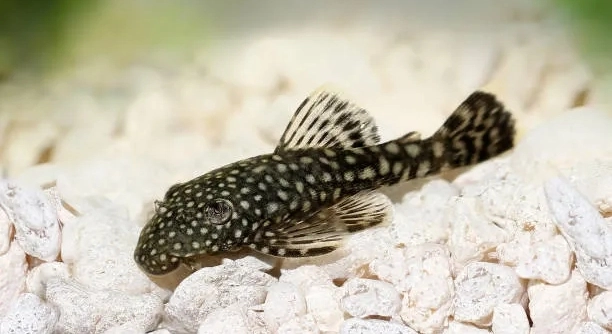
Do you ever find yourself struggling to breed plecos successfully, despite having a well-maintained aquarium? Many keepers invest time and effort into creating ideal conditions, yet breeding these fish often presents unexpected obstacles that can test patience.
Breeding plecos involves complex environmental, dietary, and behavioral requirements. Common challenges include inadequate water conditions, insufficient hiding spaces, improper nutrition, aggression between fish, and the difficulty of simulating natural breeding triggers, all of which impact reproductive success significantly.
Understanding these challenges can improve your breeding efforts and help ensure healthier, more productive plecos in your care. Careful attention to these factors makes a noticeable difference over time.
Water Quality Issues
Poor water quality is one of the main reasons pleco breeding fails. Many keepers focus on general tank maintenance but overlook key factors like ammonia, nitrite, and nitrate levels. Plecos are sensitive to changes in water chemistry, and even small fluctuations can stress them, reducing breeding activity. Temperature, pH, and hardness all need careful monitoring. Overfeeding can worsen water quality by increasing waste, creating an environment unsuitable for eggs or fry. Regular water changes, proper filtration, and testing equipment are essential for maintaining stability. Consistency in water parameters is far more important than occasional large adjustments. Without proper attention, plecos may become lethargic, hide excessively, or fail to spawn altogether.
Maintaining optimal water quality supports plecos’ health and readiness to breed. Small, consistent adjustments often yield better results than drastic changes.
Stress from poor water conditions can suppress hormones necessary for spawning. Stable, clean water encourages natural behaviors and reduces the likelihood of disease, helping plecos thrive during breeding periods.
Inadequate Hiding Spots
Plecos require secure hiding spaces to feel safe enough to breed. Caves, tubes, or dense decorations simulate natural shelters and reduce aggression.
Without proper hiding spots, dominant fish may intimidate others, preventing mating. Providing multiple shelters ensures all fish can access a secure space, lowering stress.
Hiding spots play a critical role in spawning behavior. Male plecos often guard caves, and females need privacy to lay eggs. Using smooth, safe materials prevents injuries while offering realistic cover. The arrangement of these shelters influences territorial behavior and comfort. Multiple hiding spaces also help reduce conflicts between competing males and shy individuals. Observing your plecos’ interaction with these shelters allows adjustments to improve spawning conditions. Properly placed caves encourage natural mating rituals, ensuring eggs are protected and less disturbed. Even subtle changes in hiding spots can impact breeding success significantly, making this an essential focus for any keeper aiming to breed plecos effectively.
Improper Diet
A poor diet can prevent plecos from breeding. High-quality, varied foods support reproductive health, while a lack of nutrients weakens spawning behaviors.
Plecos need a mix of vegetables, algae wafers, and occasional protein like bloodworms or shrimp. Feeding only one type of food limits essential vitamins and minerals needed for egg production. Females, in particular, require nutrient-dense meals to develop healthy eggs. Males also benefit from protein to maintain energy for guarding caves and engaging in mating rituals. Consistent, balanced feeding encourages natural spawning behaviors and improves overall health. Overfeeding or feeding inappropriate foods can cause digestive issues or water quality problems, indirectly affecting reproduction.
Timing and portion control are equally important. Small, frequent feedings mimic natural availability and prevent overloading the tank. Observing plecos’ eating habits helps adjust portions, ensuring all fish receive adequate nutrition. Some keepers add seasonal variations or fresh greens to replicate natural conditions. Proper diet creates the foundation for a successful breeding environment. Monitoring health and growth alongside dietary changes allows you to detect issues early, maintaining readiness for spawning.
Aggression Between Fish
Aggression can disrupt breeding attempts and harm eggs. Territorial disputes often occur if multiple males compete for the same space or hiding spots.
Dominant males may chase or injure others, while females may hide or refuse to spawn. Separating aggressive individuals or providing additional caves can reduce conflict.
Aggression can escalate quickly if space is limited. Male plecos often claim the best caves, forcing others to compete for remaining shelters. This competition can stress fish, reduce feeding, and prevent natural courtship behaviors. Even minor injuries from fighting can make plecos more susceptible to disease. Observing interactions daily helps identify problematic behavior early. Adjusting tank layout, adding visual barriers, or temporarily isolating aggressive fish can restore balance. Providing multiple hiding spots ensures all fish can claim a safe area, reducing stress and encouraging natural spawning. Managing aggression is key to maintaining a stable environment that supports successful breeding and healthy fry development.
Inconsistent Water Temperature
Fluctuating water temperatures can stress plecos and disrupt breeding cycles. Stable, appropriate temperatures are crucial for reproductive readiness.
Plecos respond best to a gradual seasonal change rather than sudden shifts. Consistent monitoring and small adjustments maintain comfort and encourage natural spawning behaviors.
Overcrowding
Overcrowded tanks reduce breeding success. Limited space increases stress and competition for hiding spots, making plecos less likely to spawn.
Creating more space or separating groups ensures each fish has room to establish territory. Adequate space lowers aggression and supports natural breeding patterns.
Lack of Suitable Spawning Substrate
Plecos need appropriate surfaces to lay eggs. Smooth, protected surfaces like caves or PVC tubes allow safe egg deposition and guarding.
Providing multiple substrates increases the chances of successful spawning and protects eggs from disturbances.
FAQ
What is the ideal water temperature for breeding plecos?
Plecos generally breed best in stable temperatures between 78°F and 86°F. Sudden drops or spikes in temperature can stress them, causing lethargy or refusal to spawn. Using a reliable heater and thermometer ensures the water remains consistent for optimal reproductive activity.
How often should I feed plecos during breeding preparation?
Small, frequent feedings work best. Offer a mix of vegetables, algae wafers, and occasional protein sources like bloodworms or shrimp. This ensures both males and females receive the nutrients necessary for egg production and energy for spawning behaviors. Overfeeding can harm water quality, so balance portions carefully.
Do plecos need a specific type of cave for breeding?
Yes, males prefer smooth, enclosed spaces to guard eggs. PVC tubes, ceramic caves, or driftwood cavities work well. Multiple hiding spots reduce conflicts and give females safe places to lay eggs. Observing how fish interact with these spaces helps ensure the layout supports successful spawning.
How can I tell if my pleco is ready to breed?
Males will become more territorial, often guarding a cave, while females appear plumper when carrying eggs. Increased activity around shelters and consistent feeding are also good indicators. Monitoring these behaviors allows timely adjustments to water, diet, and tank setup to encourage spawning.
Is it necessary to separate fry from adult plecos?
Yes. Adult plecos may eat eggs or fry. Once eggs hatch, carefully transferring fry to a separate nursery tank improves survival rates. Provide small, soft foods like crushed flakes or specialized fry food. Gradually increase portion sizes as they grow. Maintaining clean water in the nursery tank is essential.
How long does it take for pleco eggs to hatch?
Most pleco eggs hatch within 5 to 10 days, depending on species and water temperature. Warmer water accelerates development slightly, while cooler water slows it. Observing eggs daily helps identify fungus or other issues early, allowing intervention to increase survival.
Can plecos breed in a community tank?
Breeding in community tanks is possible but challenging. Stress from other fish can prevent spawning or lead to egg predation. Providing ample hiding spots and monitoring interactions is necessary. Many keepers find success by using a separate breeding tank for better control of water conditions and safety.
What is the best diet for a breeding female pleco?
Females need nutrient-dense foods rich in vitamins and protein to develop healthy eggs. Include leafy vegetables, algae-based wafers, and occasional protein sources like shrimp or bloodworms. A consistent, varied diet promotes reproductive readiness and supports energy for egg-laying and care.
How can I prevent aggression during breeding?
Provide multiple caves and hiding spots to reduce competition. Observing fish interactions and separating overly aggressive males if needed helps maintain calm. Reducing stress ensures females are more willing to spawn and males are focused on guarding eggs rather than fighting.
How often should I test water during breeding?
Daily monitoring of temperature, pH, and ammonia is ideal. Stable water encourages spawning, while sudden changes can stress fish. Regular checks prevent problems before they escalate, ensuring eggs and fry remain healthy throughout development.
Breeding plecos can be both challenging and rewarding, especially when you take the time to understand their specific needs. Many keepers assume that simply having a healthy tank is enough, but successful breeding requires attention to multiple factors at the same time. Water quality, temperature stability, diet, hiding spots, and space all influence whether plecos will spawn and how healthy their eggs and fry will be. Even small adjustments, like adding a new cave or slightly changing feeding routines, can make a noticeable difference. Observing your fish daily and understanding their behaviors helps identify potential problems early, allowing you to address them before they affect breeding outcomes. Patience is key, as plecos may not spawn immediately, and some trial and error is often necessary to create ideal conditions.
Providing a consistent and balanced environment is essential for healthy breeding. Plecos thrive when their tanks mimic natural habitats as closely as possible, with stable water chemistry, adequate hiding spots, and proper nutrition. Overcrowding and aggression can disrupt spawning, so it is important to provide enough space and observe territorial behaviors. Using multiple caves or hiding spots can prevent fights and reduce stress, while a varied diet ensures both males and females have the energy and nutrients needed for reproduction. Regular water testing, partial water changes, and temperature monitoring are practical steps that help maintain stability. By prioritizing these factors, keepers give plecos the best chance to breed successfully and raise healthy fry.
Successful pleco breeding is not simply about luck; it is about careful planning, observation, and maintenance. Understanding the specific requirements of the species you keep allows you to prevent common challenges before they arise. While it may take time and effort, the results are often rewarding, as seeing healthy fry thrive demonstrates that your efforts are paying off. Breeding plecos also encourages deeper knowledge of fish behavior, water chemistry, and aquarium management, which benefits the overall health of your tank. With patience, attention to detail, and a consistent approach, breeding plecos can become a manageable and satisfying experience, allowing you to enjoy the full life cycle of these fascinating fish.

Hello,
If you enjoy the content that we create, please consider saying a "Thank You!" by leaving a tip.
Every little bit helps us continue crafting quality advice that supports the health, happiness, and well-being of pets around the world, for pets of all shapes, sizes, and species.
We really appreciate the kindness and support that you show us!