
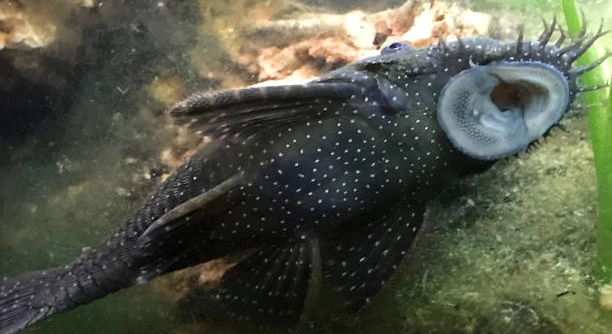
Do you ever notice your Bristlenose Pleco hiding in the corners of the tank, coming out mostly at night or when the lights are low? These small, armored catfish have unique behaviors that make their care interesting and sometimes puzzling.
Bristlenose Plecos generally prefer dim light, as bright lighting can stress them and disrupt their natural nocturnal habits. Providing subdued or filtered lighting helps maintain their normal activity patterns and supports overall health and well-being.
Understanding their lighting preferences can help you create a more comfortable environment for your Pleco. Learning these details will improve both their behavior and your enjoyment of your aquarium.
Understanding Bristlenose Plecos’ Natural Habitat
Bristlenose Plecos originate from rivers and streams in South America, where water is often shaded by plants and trees. They are nocturnal and naturally spend much of their time hiding under rocks, driftwood, or dense vegetation. Bright, direct light can stress them, making them retreat and reduce feeding. Providing areas of shade in your aquarium mimics this environment, allowing your Pleco to feel secure. Driftwood, caves, and leafy plants are ideal for creating these low-light zones. Plecos also benefit from moderate water flow, which resembles their native streams and encourages natural behavior. Observing them in these settings shows their more active, comfortable side. They often graze on algae on surfaces during low-light periods and become more visible during the evening. Understanding this helps maintain both their health and their peaceful coexistence with other fish in the tank. Proper habitat design reduces stress and promotes longevity for these charming fish.
Providing shaded areas keeps your Pleco active and healthy while preventing stress-related behaviors.
Low-light conditions encourage feeding, reduce hiding, and help Plecos exhibit natural behaviors. It also supports tank balance and overall fish health.
Adjusting Aquarium Lighting
Using dimmable lights or placing the tank in a naturally shaded area helps control brightness. Bright lights can make Plecos hide for extended periods.
To maintain proper lighting, many aquarists use timers to replicate natural day-night cycles. During daylight hours, moderate lighting allows plants to photosynthesize while avoiding harsh exposure for Plecos. At night, turning off the lights completely encourages nocturnal activity. Floating plants can diffuse light further and create soft shadow areas, giving Plecos more options to rest and explore. Some owners add LED strips that gradually brighten or dim to simulate sunrise and sunset, which plecos adapt to well. Observing your Pleco’s behavior under different lighting setups helps determine the ideal intensity for your tank. Reducing bright light stress can improve feeding, reduce aggression, and promote natural algae grazing. Balancing light for both plants and fish ensures a healthy, visually pleasing aquarium while prioritizing the Pleco’s comfort and well-being throughout the day and night cycle.
Creating Hiding Spots
Bristlenose Plecos need secure hiding spots to feel safe. Driftwood, caves, and dense plants provide shaded areas where they can rest and avoid stress.
Hiding spots are essential because Plecos are naturally nocturnal and shy. Without adequate cover, they may spend too much time stressed, reducing their feeding and activity. Using driftwood not only offers shelter but also provides surfaces for algae to grow, giving your Pleco a natural food source. Rock caves or PVC tubes mimic crevices found in their natural rivers, making them feel comfortable. Plants with broad leaves help diffuse light, creating a gentle shadow for resting. Strategically placing these elements across the tank ensures they have multiple options, preventing territorial disputes and encouraging exploration. Observing your Pleco’s preferred hiding areas can help you adjust placement to maximize comfort and reduce stress, supporting their overall health and natural behavior patterns.
Hiding spots also reduce aggression from other tank mates and encourage Plecos to explore the tank naturally, keeping them active.
Monitoring Pleco Behavior
Regular observation helps track how Plecos respond to lighting and tank layout. Changes in activity or feeding indicate their comfort level.
When Plecos are comfortable, they become more active during low-light hours and explore hiding spots confidently. Bright or harsh light can cause them to retreat, skip meals, or display stress behaviors such as excessive scraping or lethargy. Observing feeding habits is also critical. Healthy Plecos graze on algae and enjoy occasional vegetables like zucchini or cucumber. Behavior changes can signal issues with water quality, lighting, or tank setup. Maintaining consistent water parameters and providing shaded areas helps support their natural rhythms. Documenting observations over time allows you to fine-tune tank conditions for optimal well-being. Consistent monitoring ensures your Pleco stays active, healthy, and stress-free, promoting a balanced aquarium environment for all inhabitants.
Choosing the Right Tank Placement
Placing the tank away from direct sunlight prevents sudden brightness that can stress Plecos. A quiet area also minimizes disturbances, helping them feel secure.
Avoiding high-traffic areas ensures Plecos can establish routines. Consistent placement promotes comfort and encourages natural behaviors, like grazing and resting.
Using Floating Plants
Floating plants diffuse light, creating soft shaded areas. They provide cover and reduce stress for Plecos while supporting a balanced aquarium environment.
These plants also help maintain water quality by absorbing excess nutrients. They offer additional surfaces for algae growth, giving Plecos extra grazing opportunities. Properly arranged floating plants improve both fish comfort and tank aesthetics.
Adjusting Light Intensity
Gradually dimming lights in the evening helps Plecos transition to nocturnal activity. This simple adjustment supports their natural rhythm.
FAQ
Do Bristlenose Plecos need complete darkness at night?
No, they do not require complete darkness, but turning off aquarium lights at night encourages natural nocturnal activity. Low ambient room lighting is usually fine. Plecos are more active and feed better in dim conditions, so a gradual transition from light to dark works best. Complete darkness for long periods isn’t necessary, but consistent lighting schedules help maintain their natural rhythm.
Can bright light harm Bristlenose Plecos?
Yes, bright or direct light can stress them. Plecos may hide constantly, reduce feeding, and show signs of stress like scraping excessively or staying motionless. Using shaded areas, floating plants, or dimmable lighting helps prevent these issues. They thrive in subdued light that mimics shaded river habitats.
How do I know if my Pleco is stressed by light?
Signs include hiding during the day, skipping meals, or aggressive scraping at tank surfaces. Reduced activity or staying in one spot for long periods can indicate discomfort. Adjusting light intensity and providing more hiding spots often resolves these issues.
Are caves and driftwood necessary for lighting comfort?
Yes, these elements give Plecos safe areas to retreat when light is too bright. Driftwood also supports algae growth, a natural food source. Multiple hiding spots reduce stress and allow them to move freely without feeling exposed. This setup mimics their natural environment.
Will dim light affect other tank inhabitants?
Most community fish adapt well to moderate dimming. Some species may become more active at night, while others remain unaffected. Observing all fish behavior ensures that lighting changes benefit the Pleco without negatively impacting other species.
Can LED lights work for Plecos?
Yes, LEDs with adjustable intensity or timers are ideal. They allow gradual dimming to replicate sunrise and sunset, which Plecos adapt to easily. LEDs also produce less heat, keeping water temperature stable while maintaining proper light for plants.
Do floating plants really help?
Absolutely. Floating plants diffuse light and create soft shadows, giving Plecos comfort. They also support water quality and provide surfaces for algae growth, which Plecos graze on naturally. Well-placed floating plants can reduce stress and improve overall tank aesthetics.
How long should lights stay on each day?
A 10–12 hour light cycle is recommended. This simulates natural daylight, supports plants, and keeps Plecos comfortable. Using timers ensures consistent periods, helping Plecos maintain their natural behavior patterns and reducing stress caused by irregular lighting.
Is it better to dim lights gradually or suddenly?
Gradual dimming is better. Sudden changes can startle Plecos and trigger hiding or stress behaviors. Using dimmable LEDs or timed adjustments mimics natural light changes and encourages normal activity during evening hours.
Do Plecos prefer shaded corners or open areas?
They prefer shaded corners or areas with cover. Open, brightly lit spaces often make them hide or stay inactive. Creating multiple shaded areas ensures they can explore safely and feel secure, promoting healthy behavior and feeding habits.
Can dim light improve feeding habits?
Yes. Plecos are more likely to graze on algae and eat supplemental vegetables when they feel safe. Bright light often suppresses feeding. Observing activity under different lighting helps optimize their comfort and nutrition.
How important is consistency in lighting?
Consistency is crucial. Regular day-night cycles reduce stress and promote healthy routines. Inconsistent lighting can disrupt feeding patterns, increase hiding, and negatively affect Pleco health. Timers or automated dimming systems simplify maintaining consistent conditions.
Do young Plecos react differently to light than adults?
Juvenile Plecos are generally more sensitive to bright light and need more hiding spots. As they mature, they become slightly more tolerant but still prefer subdued conditions. Observing their behavior helps adjust lighting and cover appropriately.
Are there any risks to keeping lights too low?
Extremely low light can affect plant growth and algae availability, which Plecos graze on. Balancing light for plants and fish ensures Plecos have natural food sources without stressing the fish. Moderate dim lighting is ideal.
Can Plecos adapt to brighter tanks over time?
Some may gradually tolerate slightly brighter areas if shaded retreats are available. However, their natural preference is for dimmer environments, so providing shaded zones is always recommended. Observing behavior ensures comfort without compromising tank aesthetics.
Do hiding spots need to be permanent or can they be moved?
Hiding spots can be rearranged occasionally, but sudden changes may stress Plecos. Gradual adjustments allow them to explore new areas safely. Maintaining some consistent shelters ensures they always have secure zones.
How do I balance light for Plecos and plants?
Use moderate lighting for plants and provide shaded zones with driftwood, caves, or floating plants. Adjust intensity or timing to support plant growth while keeping Plecos comfortable. Observing both fish and plant health helps fine-tune lighting.
Can Plecos get used to artificial lighting schedules?
Yes, they adapt well to consistent artificial cycles. Timers and dimmable lights mimic natural conditions, encouraging normal feeding and activity. Consistency is key to preventing stress and maintaining healthy behavior patterns.
What is the best way to reduce stress in a brightly lit tank?
Add shaded areas, floating plants, and hiding spots. Gradually dim lights and maintain consistent schedules. Monitoring Pleco behavior ensures they are comfortable and active despite tank lighting conditions.
Do Plecos prefer indirect or direct light sources?
They prefer indirect, diffused light. Direct exposure can cause stress and hiding behaviors. Indirect light through floating plants, shaded corners, or diffusers provides comfort while maintaining visibility in the aquarium.
How often should I check their reaction to lighting?
Observe daily during feeding and active periods. Note changes in hiding, grazing, or inactivity. Regular monitoring allows prompt adjustments to light intensity, placement of hiding spots, and overall tank comfort.
Does tank size affect lighting needs?
Yes, larger tanks may require varied lighting zones. Creating shaded corners and open areas ensures Plecos have options while maintaining plant growth and visibility. Proper distribution prevents stress and supports natural behaviors.
Are there signs of overexposure to light?
Yes, constant hiding, reduced feeding, stress scraping, and lethargy are common indicators. Adjusting light intensity, adding shade, and maintaining routine cycles can alleviate these issues and restore normal behavior.
Can Plecos thrive under aquarium lights designed for plants?
Yes, if intensity is moderate and shaded zones are available. Bright plant lights may need diffusion with floating plants or indirect placement to prevent stress while still supporting plant growth.
How does light affect Pleco interaction with other fish?
Bright light can make Plecos hide and reduce social or feeding interaction. Moderate lighting with safe zones encourages natural grazing and cohabitation without causing stress or territorial disputes.
What adjustments help Plecos in tanks with strong sunlight?
Use blinds, curtains, or position the tank away from direct sun. Adding floating plants and shaded areas diffuses light and provides comfort. Observing behavior ensures Plecos are not overexposed and remain active.
How can I tell if a Pleco prefers one hiding spot over another?
Observe which areas they frequently visit and rest in. Preference often indicates comfort, shade quality, and safety. Adjusting placement based on these behaviors helps optimize tank layout for stress reduction and activity.
Can consistent lighting prevent illness in Plecos?
While not a cure, proper lighting reduces stress, which supports immune function. Stress can weaken fish and make them more susceptible to disease. Maintaining consistent, dim lighting along with hiding spots promotes overall health.
Do Plecos need light at night for navigation?
No, they rely on touch, barbels, and environmental cues to navigate in darkness. Dim or off-light conditions at night encourage natural nocturnal activity and feeding patterns.
How often should lighting setups be reviewed?
Review every few weeks or after any behavioral changes. Adjust intensity, timers, or shaded areas based on Pleco responses. Regular checks maintain comfort, natural activity, and overall health in the tank.
What is the main takeaway for lighting Plecos?
Plecos prefer dim, indirect light with safe hiding spots. Consistent schedules, gradual dimming, and shaded areas promote comfort, reduce stress, and support natural behaviors and feeding. Proper lighting balances fish well-being with plant growth.
Bristlenose Plecos are small, peaceful fish that thrive when their natural preferences are respected. One of the most important factors in their care is lighting. These fish are naturally nocturnal and spend most of their time hiding in shaded areas of rivers and streams. Bright or direct light can stress them, causing them to retreat, reduce feeding, and display unusual behaviors. Providing dim or indirect light, along with areas of shade, helps them feel secure and encourages natural activity. Driftwood, caves, and floating plants are simple ways to create these safe spots. Observing how your Pleco reacts to different lighting setups allows you to adjust the tank environment to meet their comfort needs. When they feel secure, Plecos are more active, feed regularly, and interact naturally with other tank inhabitants.
Consistency in lighting schedules is equally important. Plecos adjust well to a predictable day-night cycle, which can be maintained using timers or gradual dimming of LED lights. Gradually lowering the light in the evening simulates natural conditions, signaling Plecos to begin their nocturnal activities. During the day, moderate lighting supports plant growth without overwhelming the fish. Floating plants or broad-leaved vegetation can further diffuse light, creating softer shadows for resting areas. By paying attention to the balance between light for plants and comfort for Plecos, the tank becomes a healthier and more comfortable habitat for all aquatic life. Monitoring their behavior over time is key to understanding how each individual Pleco reacts, allowing adjustments that prevent stress and promote a more natural routine.
Finally, observing and responding to the Pleco’s needs is essential for long-term health and well-being. Hiding spots, dim light zones, and consistent routines all contribute to their comfort and reduce stress-related issues. These practices also support feeding habits, as Plecos are more likely to graze on algae and vegetables when they feel safe. Even small adjustments, such as moving a floating plant or changing the position of a cave, can make a noticeable difference in their behavior. Taking the time to understand and implement proper lighting conditions shows consideration for the fish’s natural habits and improves your overall aquarium experience. A tank that respects the Pleco’s preference for dim light allows them to thrive, display natural behaviors, and coexist peacefully with other fish, creating a healthy, balanced, and visually appealing aquatic environment.

Hello,
If you enjoy the content that we create, please consider saying a "Thank You!" by leaving a tip.
Every little bit helps us continue crafting quality advice that supports the health, happiness, and well-being of pets around the world, for pets of all shapes, sizes, and species.
We really appreciate the kindness and support that you show us!