
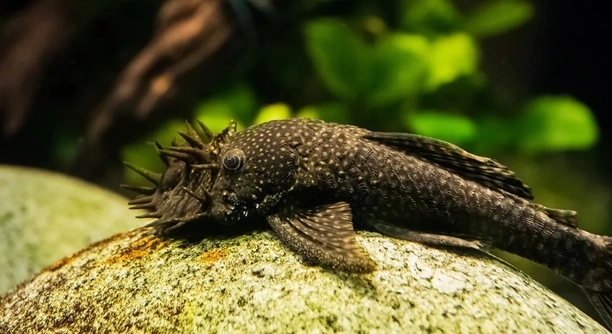
Is your pleco behaving differently than usual, leaving you concerned about its well-being? These freshwater fish can exhibit signs of stress that are easy to miss if you are not paying close attention.
Plecos show stress through changes in behavior, appearance, and environment interaction. Common indicators include loss of appetite, hiding excessively, rapid gill movement, abnormal swimming patterns, and physical signs such as faded coloration or damaged fins, all reflecting compromised health.
Recognizing these signs early allows you to take proper steps to restore your pleco’s comfort and overall health in its tank environment.
Rapid Gill Movement
Rapid or heavy gill movement is one of the first signs your pleco may be stressed. When a pleco is uncomfortable in its tank, it often breathes faster than normal, signaling difficulty in oxygen intake. This can be caused by poor water quality, overcrowding, or sudden temperature changes. Observing your pleco closely can help you detect subtle changes before they escalate. It’s important to check the water parameters regularly, including ammonia, nitrite, nitrate, and pH levels. Even small fluctuations can cause noticeable stress. Additionally, ensure your filtration system is functioning properly and that there is sufficient water circulation. Plecos rely on clean, well-oxygenated water to maintain health. Other signs that often accompany rapid gill movement include lethargy or hiding more than usual. By recognizing these early signs, you can make adjustments that improve your pleco’s comfort and prevent serious health issues. Proper care and vigilance are key to maintaining a healthy tank environment.
Rapid gill movement often indicates low oxygen or poor water quality. Addressing water issues promptly can prevent long-term health problems.
Plecos depend on steady water conditions for stable gill function. Sudden changes in temperature, pH, or chemical composition can trigger stress responses. Overcrowded tanks reduce available oxygen, causing plecos to breathe faster. Consistent monitoring and maintenance, including partial water changes and aeration, are essential. Providing hiding spots and a calm environment reduces stress, allowing plecos to breathe normally. Avoid sudden tank rearrangements or aggressive tank mates, which can worsen rapid gill movement. Observing your pleco daily for changes in breathing patterns can help detect early stress, giving you time to correct environmental factors before serious harm occurs. Maintaining balanced nutrition and preventing overfeeding also support healthy respiration. Stress from rapid gill movement can be reversible if conditions improve quickly, ensuring your pleco remains active and vibrant in its tank.
Excessive Hiding
Excessive hiding is a common sign that a pleco feels stressed or threatened. When plecos spend unusually long periods in caves or behind decorations, it indicates discomfort.
Plecos need adequate hiding spaces, but too much hiding can signal stress from tank conditions, lighting, or aggressive tank mates.
Not all hiding is harmful, as plecos naturally seek shelter. However, excessive or constant hiding can indicate that something in the tank environment is causing anxiety. Bright lighting, sudden movements, or aggressive fish can drive a pleco into isolation. Monitoring behavior patterns helps determine if hiding is excessive. Tank layout plays a role—plecos feel safer when multiple hiding spots are available. Overcrowding reduces their ability to find personal space, leading to stress. Checking water quality is critical, as poor conditions encourage hiding. Temperature fluctuations or improper pH can also contribute. By observing your pleco and making adjustments to lighting, tank mates, and water conditions, you can encourage more normal activity and reduce stress-related hiding.
Loss of Appetite
A pleco that suddenly refuses food may be stressed or unwell. Appetite changes often appear alongside other stress indicators and should not be ignored.
Loss of appetite in plecos can result from poor water conditions, illness, or sudden environmental changes. Stress suppresses their natural feeding behavior, causing weight loss and weaker immune function. Observing feeding times closely helps identify if the issue is temporary or ongoing. Ensuring water temperature and pH are stable can encourage normal eating patterns. Offering a variety of foods, such as algae wafers and fresh vegetables, may stimulate interest in feeding.
Persistent refusal to eat may indicate deeper health concerns. Parasites, infections, or nutrient deficiencies can discourage feeding. Monitoring water parameters, tank mates, and hiding spots helps reduce stress. Gradual changes in diet and consistent tank conditions support recovery. Quick action can prevent serious health decline and help your pleco regain appetite, ensuring proper growth and vitality.
Faded Coloration
Faded or dull coloration often signals that a pleco is experiencing stress. This change can occur gradually or appear suddenly depending on tank conditions.
Color changes usually result from stressors such as poor water quality, inadequate lighting, or conflicts with other fish. Plecos rely on vibrant coloration as a sign of health. Dull colors often indicate energy depletion or an underlying illness. Regular water testing and maintaining proper tank conditions support natural pigmentation. Avoiding sudden tank rearrangements or overexposure to light can prevent color loss. Observing the pleco’s environment and behavior alongside physical changes helps pinpoint stress sources.
Stress-induced color changes may also occur due to diet or aging. Nutritional deficiencies reduce pigment intensity, so supplementing with algae or vegetables can improve appearance. Ensuring stable water parameters and minimal disturbances reduces stress, allowing coloration to return gradually. Aggressive tank mates or overcrowding can exacerbate fading, so maintaining a calm and spacious environment is crucial. Consistent care and monitoring can restore both health and natural vibrancy.
Erratic Swimming
Erratic swimming, such as darting or circling, often indicates stress or discomfort. Plecos may display unusual movements when water conditions are unstable or when tank mates are aggressive.
Consistent observation can help identify patterns. Correcting water quality issues, providing hiding spaces, and ensuring compatible tank mates often reduce erratic swimming.
Fin Clamping
Clamped fins are a clear stress indicator. Plecos keep their fins close to their bodies when feeling threatened, sick, or uncomfortable in their environment. This behavior can result from poor water conditions, sudden changes in temperature, or aggressive tank mates. Monitoring fin appearance and water parameters helps address underlying causes promptly.
Rapid Color Flickering
Rapid changes in color or flickering are signs of acute stress. Plecos may darken or lighten suddenly in response to environmental stressors or aggression. Consistent tank conditions and a calm environment reduce this behavior and support stable coloration.
FAQ
How can I tell if my pleco is stressed?
Signs of stress in plecos include loss of appetite, hiding excessively, rapid gill movement, clamped fins, erratic swimming, faded coloration, and rapid color flickering. Observing your pleco daily helps identify changes early. Consistent tank monitoring and proper care reduce stress.
What causes stress in plecos?
Stress in plecos can result from poor water quality, sudden temperature or pH changes, overcrowding, aggressive tank mates, insufficient hiding spaces, and improper diet. Even minor fluctuations in their environment can trigger stress responses. Maintaining stable tank conditions is essential for their health.
How do I improve water quality for my pleco?
Regular partial water changes, monitoring ammonia, nitrite, nitrate, and pH levels, and cleaning filters are critical. Proper aeration and avoiding overfeeding help maintain oxygen levels. Stable water conditions prevent stress and support healthy behavior and growth.
Can diet affect pleco stress levels?
Yes. A poor or inconsistent diet can weaken immune function and reduce energy, leading to stress. Offering a variety of foods, including algae wafers, vegetables like zucchini or cucumber, and occasional protein sources, ensures nutritional balance. Feeding at consistent times helps maintain routine and reduces stress.
How do tank mates influence stress?
Aggressive or overly active tank mates can intimidate plecos, forcing them to hide or display erratic swimming. Ensuring compatible species and providing adequate space and hiding spots reduces conflict and allows plecos to feel secure in their environment.
Is hiding always a bad sign?
Not always. Plecos naturally seek shelter, especially during the day. Excessive hiding, however, indicates stress. Too much time spent in caves or behind decorations can result from poor water quality, overcrowding, or aggressive fish in the tank.
How can I reduce stress from lighting?
Bright or constant lighting can make plecos feel exposed. Providing dimmer light or shaded areas allows them to regulate activity and feel secure. Adjusting light duration to mimic natural day-night cycles helps maintain normal behavior.
What should I do if my pleco shows clamped fins?
Clamped fins indicate discomfort or stress. First, check water parameters and tank conditions. Remove aggressive tank mates and provide hiding spots. Correcting environmental stressors typically allows fins to return to normal. Persistent clamping may indicate illness requiring further attention.
Can temperature changes stress plecos?
Yes. Plecos are sensitive to sudden temperature fluctuations. Consistent temperature within their preferred range (typically 72–78°F) is necessary. Using a reliable heater and monitoring daily prevents stress and ensures proper metabolic function.
How quickly can a pleco recover from stress?
Recovery depends on the stress cause and severity. Correcting water conditions, improving diet, reducing aggression, and stabilizing temperature and lighting can lead to improvement within days to weeks. Early intervention significantly increases recovery chances.
Are there long-term effects of stress on plecos?
Chronic stress can weaken the immune system, reduce lifespan, and make plecos more susceptible to disease. Consistently monitoring behavior and maintaining a stable environment prevents long-term health issues and promotes overall well-being.
Can I prevent stress entirely?
While minor stress may occur occasionally, most stress is preventable with proper tank management. Regular water testing, suitable tank mates, balanced diet, stable temperature, adequate hiding spaces, and careful observation are key to keeping plecos healthy and calm.
How do I know if a pleco’s stress is due to illness rather than environment?
Illness-related stress often comes with visible signs such as white spots, lesions, abnormal growths, or labored breathing. Environmental stress usually manifests as behavioral changes like hiding, erratic swimming, or color fading. Monitoring both behavior and physical signs helps identify the root cause.
Can I use medications to reduce stress?
Medications should only be used if illness is diagnosed. Stress from environmental factors is best addressed by correcting tank conditions, diet, and tank mate compatibility. Overmedicating can further stress the pleco and harm water quality.
How often should I monitor my pleco for stress?
Daily observation is recommended. Checking behavior, feeding habits, gill movement, coloration, and fin position helps detect early stress signs. Early intervention prevents more serious health problems and ensures a comfortable, stable environment.
What role does tank size play in stress?
Smaller tanks limit space and increase competition, which can lead to stress. Providing a sufficiently large tank with ample swimming area and hiding spaces allows plecos to feel secure and reduces aggressive encounters with other fish.
Can stress affect a pleco’s growth?
Yes. Chronic stress can reduce appetite, slow metabolism, and impair growth. Maintaining proper water quality, diet, and tank conditions supports normal development and long-term health.
Is it normal for plecos to change color temporarily?
Temporary color changes can be normal due to lighting, mood, or minor stress. Persistent or rapid color fading indicates stress or illness and requires evaluation of tank conditions and health status.
How important are hiding spots for stress prevention?
Hiding spots are crucial. They allow plecos to feel secure and reduce anxiety. Provide caves, driftwood, or decorations in multiple areas of the tank. Proper placement ensures plecos can retreat when needed without feeling exposed.
How do I know if my pleco’s stress is improving?
Improvement is seen when plecos resume normal feeding, explore the tank more, display vibrant coloration, and swim calmly. Monitoring these behaviors consistently confirms that environmental or dietary adjustments are effective.
Can stress be completely avoided during new tank setup?
Not entirely. New tanks require adjustment periods. Proper acclimation, gradual introduction of water changes, and careful observation minimize stress and allow plecos to adapt comfortably to their environment.
What is the most effective way to manage multiple stress factors at once?
Address all environmental, dietary, and social factors simultaneously. Regular water testing, stable temperature, compatible tank mates, balanced diet, hiding spaces, and controlled lighting together create a calm, healthy environment, reducing overall stress and improving long-term pleco health.
How long should I wait to see changes after improving conditions?
Behavioral improvements often appear within a few days, while physical changes like coloration recovery may take weeks. Patience and consistent care are key for full recovery.
Can stress cause disease in plecos?
Yes. Chronic stress weakens immunity, making plecos vulnerable to bacterial, fungal, and parasitic infections. Maintaining a stable environment and monitoring for early stress signs helps prevent illness and supports overall health.
Are all plecos equally sensitive to stress?
Different species have varying tolerance levels. Some plecos are more sensitive to water changes, tank mates, or diet fluctuations. Knowing the specific needs of your pleco species allows for tailored care and reduces stress risk.
Can overcrowding cause long-term stress?
Yes. Overcrowding increases competition for food and hiding spots, elevates aggression, and lowers water quality. Ensuring adequate space per pleco prevents chronic stress and promotes healthy behavior and growth.
How can I tell if my pleco is stressed at night?
Nighttime stress may be seen as restlessness, reduced hiding, or erratic movement. Maintaining low, consistent lighting and providing secure hiding spaces ensures plecos feel safe during dark periods.
Does handling plecos cause stress?
Yes. Handling should be minimal. Plecos have sensitive bodies and excessive handling can cause physical damage and stress. Use nets carefully and only when necessary for tank maintenance or medical treatment.
How do seasonal changes affect stress levels?
Seasonal temperature and light fluctuations can stress plecos if abrupt. Using heaters, lighting timers, and gradual adjustments helps maintain stable conditions year-round, preventing seasonal stress.
Can stress affect breeding in plecos?
Yes. Stress reduces reproductive activity, appetite, and overall energy, impacting breeding behavior. Maintaining a calm, stable environment with proper nutrition is essential for encouraging natural breeding behavior.
What is the quickest way to reduce stress in a pleco?
The fastest way is to correct water quality, stabilize temperature, remove aggressive tank mates, and provide adequate hiding spots. Immediate adjustments often show quick behavioral improvements.
Is stress reversible in plecos?
Most stress is reversible if addressed promptly. Correcting environmental, dietary, and social factors allows plecos to regain appetite, normal behavior, and coloration, supporting overall health and longevity.
How often should I test water to prevent stress?
Weekly testing for ammonia, nitrite, nitrate, and pH is recommended. More frequent checks are needed if issues arise. Stable water conditions are critical for stress prevention.
Can lighting schedules reduce stress?
Yes. Mimicking natural day-night cycles with timers and providing shaded areas reduces anxiety and promotes normal activity patterns. Proper lighting contributes to overall health and coloration.
Are stress signs the same for juvenile and adult plecos?
Signs are similar, but juveniles may hide more and display slower growth when stressed. Adults may show color fading, clamped fins, or erratic swimming. Monitoring both age groups ensures appropriate care.
How do I differentiate between temporary stress and chronic stress?
Temporary stress is brief and resolves with minor adjustments. Chronic stress persists despite changes, often leading to illness, weight loss, or long-term behavioral changes. Continuous observation and intervention are required to prevent lasting damage.
Can stress affect a pleco’s lifespan?
Yes. Chronic stress can shorten lifespan by weakening immunity and increasing susceptibility to disease. Maintaining optimal conditions and minimizing stressors promotes longevity and a healthier, more active pleco.
How important is tank maintenance in stress prevention?
Tank maintenance is vital. Regular water changes, filter cleaning, substrate vacuuming, and monitoring environmental parameters reduce stress, prevent disease, and ensure a stable, comfortable habitat for plecos.
What should I do if I can’t identify the stress source?
Address all common factors: water quality, diet, tank mates, temperature, hiding spaces, and lighting. Consulting a veterinarian or experienced aquarist may help diagnose less obvious issues.
How do I monitor stress without disturbing the pleco?
Observe from outside the tank, noting behavior, swimming patterns, coloration, and gill movement. Avoid sudden movements or tapping, as this can worsen stress. Consistent, non-intrusive observation provides the best insights.
Can stress be caused by too much interaction?
Yes. Frequent tapping, netting, or handling increases stress. Plecos thrive with minimal disturbance. Allow them to settle naturally and interact only when necessary for feeding or tank care.
How do I prevent stress during water changes?
Perform gradual water changes, match temperature and pH to tank water, and avoid sudden disturbances. Gentle handling and small, consistent changes reduce stress during maintenance.
Does tank decoration placement impact stress?
Yes. Providing hiding spots, shaded areas, and open swimming spaces helps plecos feel secure. Avoid overcrowding decorations, which can restrict movement and increase anxiety.
How do I know if my pleco is comfortable?
A comfortable pleco will feed regularly, explore the tank, maintain bright coloration, swim calmly, and rest in hiding spots without excessive avoidance or erratic movement.
Are stress responses the same for all pleco species?
Most responses are similar, including hiding, clamped fins, color changes, and erratic swimming. However, sensitivity levels and tolerance to environmental factors vary by species. Knowing specific species needs ensures better stress management.
Can stress trigger physical deformities?
Chronic stress may contribute indirectly by reducing appetite, slowing growth, or weakening immunity, which can lead to deformities or stunted development. Preventing stress supports proper physical health.
How do I track long-term stress in a pleco?
Keep a journal of feeding habits, coloration, fin condition, swimming behavior, and hiding frequency. Tracking changes over time helps identify recurring stressors and the effectiveness of interventions.
Can tank size and layout prevent stress?
Yes. Adequate swimming space, multiple hiding spots, and separation from aggressive tank mates reduce stress. Proper layout ensures plecos can feel safe while maintaining normal activity levels.
Is stress more common in newly introduced plecos?
Yes. New plecos must acclimate to unfamiliar water, tank mates, and environment. Gradual introduction, stable water conditions, and sufficient hiding spaces ease adjustment and minimize stress.
How do I prevent stress during tank cleaning?
Clean slowly, maintain water parameters, and avoid disturbing the pleco excessively. Remove debris gently and perform partial water changes to reduce sudden changes that cause stress.
Can stress affect social behavior?
Yes. Stressed plecos may become withdrawn, hide excessively, or react aggressively. Providing space, hiding spots, and calm tank mates helps normalize social interactions.
How can I tell if my pleco’s stress is improving after intervention?
Look for restored appetite, normal swimming, reduced hiding, vibrant coloration, and calmer gill movement. Positive changes indicate that corrective measures are working.
Does stress influence pleco reproduction?
Yes. Stress reduces breeding behavior, egg production, and overall reproductive health. Maintaining calm, stable conditions encourages natural reproductive activity.
Are there any signs of hidden stress in plecos?
Subtle signs include slightly reduced activity, minor color fading, intermittent hiding, or slower feeding. Continuous observation helps detect stress before it becomes severe.
What is the best long-term strategy to prevent stress?
Maintain consistent water parameters, provide a balanced diet, ensure compatible tank mates, offer hiding spaces, control lighting, and perform regular tank maintenance. Observing behavior consistently prevents chronic stress.
Can stress signs appear suddenly or gradually?
Both. Sudden stress often results from abrupt environmental changes, while gradual stress emerges from chronic issues like poor water quality, overcrowding, or nutritional deficiencies. Early detection is essential in both cases.
Does water hardness affect stress?
Yes. Plecos prefer specific hardness levels depending on species. Sudden changes or unsuitable hardness can cause stress, affect gill function, and reduce overall health. Monitoring and adjusting water hardness helps maintain comfort.
How do I balance multiple plecos in one tank to reduce stress?
Provide ample space, multiple hiding spots, and compatible species. Monitor interactions and adjust tank layout to reduce competition and aggression. Proper balance prevents long-term stress.
Can seasonal algae growth affect stress?
Yes. Excess algae can reduce water quality or compete for food. Regular maintenance and monitoring prevent stress caused by environmental imbalances.
Are juvenile plecos more sensitive to stress?
Yes. Juveniles are more vulnerable to water changes, overcrowding, diet fluctuations, and environmental disturbances. Extra care ensures proper growth and reduces stress risks.
How do I know if stress is causing illness?
Illness often follows chronic stress, presenting as lesions, white spots, labored breathing, or stunted growth. Early recognition of stress helps prevent these complications.
Is stress prevention different for indoor versus outdoor tanks?
The principles are similar, but outdoor tanks require attention to temperature fluctuations, predators, and sunlight exposure. Consistent monitoring ensures plecos remain healthy regardless of setting.
How important is monitoring behavior for stress detection?
Behavioral observation is crucial. Feeding, swimming, hiding, coloration, and gill movement all provide insight. Tracking changes over time allows early intervention and prevents serious health issues.
Does water flow affect stress?
Yes. Too strong or too weak currents can cause discomfort. Plecos prefer moderate flow with calm areas to rest. Adjusting water movement reduces stress.
Can tank cleaning disturb a pleco and cause stress?
Yes. Sudden changes, excessive handling, or moving decorations can trigger stress. Gradual, careful cleaning minimizes disruption and maintains comfort.
Are there stress differences between solitary and community tanks?
Yes. Solitary plecos may be calmer if they have space and hiding spots, while community tanks require careful monitoring of interactions to prevent aggression-induced stress.
How does overcrowding affect stress in plecos?
Overcrowding limits swimming space, increases competition for food, and elevates aggression. Providing adequate tank size and space prevents chronic stress.
Can stress signs be mistaken for normal behavior?
Yes. Some hiding, color changes, or reduced activity can be normal. Observing duration, frequency, and combination of signs helps differentiate stress from natural behavior.
How do I adjust feeding schedules to reduce stress?
Consistent feeding times and balanced portions reduce anxiety. Offering a mix of algae, vegetables, and occasional protein ensures nutritional needs are met without overfeeding stress.
Does water pH play a role in stress?
Yes. Plecos are sensitive to pH fluctuations. Stable pH within species-specific ranges prevents stress, supports metabolism, and promotes normal behavior.
Can stress affect gill health?
Yes. Chronic stress may cause rapid gill movement, reduced oxygen efficiency, or increased susceptibility to infection. Maintaining clean, well-oxygenated water is essential.
How do I identify early versus late stress signs?
Early signs include subtle hiding, mild color changes, or reduced appetite. Late signs include erratic swimming, clamped fins, severe color fading, or illness. Early intervention prevents serious health issues.
Is stress more common in small or large tanks?
Small tanks increase competition and reduce hiding spots, raising stress risk. Large tanks provide space and hiding areas, but proper layout and compatible tank mates are still essential.
Can stress cause behavioral changes in feeding?
Yes. Stressed plecos may ignore food, feed irregularly, or become aggressive around feeding areas. Addressing stressors restores normal feeding behavior.
Are stress responses reversible with proper care?
Yes. Correcting water parameters, tank conditions, diet, and social factors allows plecos to regain normal behavior, coloration, and overall health. Consistency and patience are key.
How long should I observe my pleco for stress signs?
Daily observation is recommended. Tracking behavior, feeding, hiding, coloration, and fin position over weeks provides a complete picture of health and stress levels.
Can stress in one pleco affect others?
Yes. Stress can influence tank mates by increasing aggression, spreading disease, or altering social dynamics. Maintaining a calm environment benefits all fish.
What role does tank filtration play in stress prevention?
Proper filtration removes waste, maintains water quality, and supports oxygenation. Efficient filters reduce environmental stress and prevent illness, keeping plecos comfortable.
How can I tell if my pleco is stressed but still eating?
Even with normal feeding, signs like hiding, clamped fins, erratic swimming, or color changes indicate stress. Feeding alone does not guarantee comfort or health.
Does seasonal temperature change affect stress?
Yes. Rapid shifts in temperature, especially in outdoor tanks, can trigger stress responses. Gradual adjustments and heaters help maintain stability.
Can stress be genetic in plecos?
Genetics may influence sensitivity, but environmental factors play a larger role. Providing proper care and stable conditions reduces stress regardless of breed.
Are stress signs the same for albino versus standard plecos?
Behavioral stress signs are similar, though albino plecos may show color changes differently. Observation
Final Thoughts
Caring for a pleco requires consistent attention to its environment, behavior, and overall health. Stress in plecos can appear in many ways, from hiding excessively and clamped fins to loss of appetite and faded coloration. Observing your pleco on a daily basis helps identify these signs early. Early detection allows for timely intervention, whether that means adjusting water parameters, improving diet, or providing additional hiding spaces. Even small changes in water quality, temperature, or tank setup can affect a pleco’s comfort and behavior. Taking the time to monitor these details ensures your pleco remains healthy and active, while reducing the chances of stress-related illness. Consistency in care is crucial. Plecos thrive in stable conditions, so sudden changes or neglect can quickly lead to stress. Establishing a routine for water testing, feeding, and tank maintenance helps prevent issues before they escalate. Proper planning, careful observation, and timely adjustments form the foundation of responsible pleco care and contribute to a long, healthy life for your fish.
Understanding the specific needs of your pleco species is another important aspect of stress management. Different species have varying requirements for tank size, water conditions, and diet. Providing an environment that closely matches their natural habitat supports both physical health and mental well-being. Proper nutrition is also essential. Plecos require a balanced diet that includes algae, vegetables, and occasional protein sources. Feeding consistently and offering a variety of foods ensures they receive the necessary nutrients to maintain strength and vitality. Hiding spaces and shaded areas help them feel secure, especially during the day when they are less active. Tank mates should be chosen carefully to minimize aggression and competition. Ensuring compatibility reduces the risk of stress caused by conflicts or overcrowding. By considering these factors together, you create a stable, comfortable environment where your pleco can thrive naturally. This holistic approach addresses both physical and behavioral needs, helping maintain overall health and longevity.
Stress is a normal response in plecos when their environment is not optimal, but it is manageable and often reversible with proper care. Recognizing and responding to stress signs promptly improves the fish’s quality of life and prevents long-term health issues. Even subtle indicators, such as slight color changes or minor shifts in activity, deserve attention. Consistent care, including regular monitoring of water quality, diet, lighting, and tank layout, supports a healthy and stress-free environment. Adjustments should be made gradually to avoid further upsetting your pleco. Patience is key, as recovery from stress can take days or weeks depending on the severity. Over time, attentive care fosters a sense of security for your pleco, encouraging normal behavior and activity levels. By staying observant and proactive, you ensure that your pleco remains a vibrant, healthy, and resilient member of your aquarium. Proper stress management not only enhances the well-being of your fish but also strengthens your ability to provide a safe and supportive habitat over the long term.
Word count: 414

Hello,
If you enjoy the content that we create, please consider saying a "Thank You!" by leaving a tip.
Every little bit helps us continue crafting quality advice that supports the health, happiness, and well-being of pets around the world, for pets of all shapes, sizes, and species.
We really appreciate the kindness and support that you show us!