
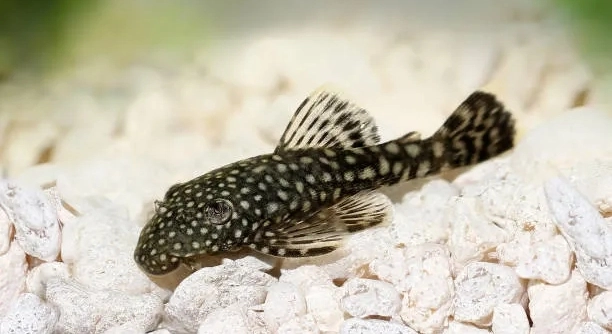
Is your pleco showing unusual aggression in your aquarium? Many fish owners notice changes in behavior when their plecos enter the spawning phase, which can be surprising even for experienced hobbyists.
Plecos become aggressive during spawning primarily due to territorial instincts and reproductive behavior. Males guard nesting sites and protect eggs from potential threats. This heightened aggression is a natural survival mechanism to ensure the success of their offspring.
Understanding these behavioral changes will help you manage your tank more effectively and maintain a peaceful environment for all your fish.
Understanding Pleco Spawning Behavior
During spawning, plecos undergo significant changes in behavior that can appear aggressive or territorial. Males often establish a preferred hiding spot, such as a cave or crevice, where they plan to lay eggs. This area becomes strictly defended, and any movement nearby may trigger confrontational displays. The aggression is natural and biologically driven, as the male works to protect the eggs from potential threats. Even other plecos in the tank can be seen as intruders, leading to chasing or minor skirmishes. Observing these behaviors can be concerning at first, but recognizing them as part of the reproductive cycle helps in managing tank dynamics. Providing enough hiding spots and ensuring tank conditions are optimal can reduce unnecessary stress and prevent injuries. Proper diet and clean water also support healthier interactions during this time, helping both male and female plecos maintain their strength throughout the spawning period.
Spawning aggression is temporary and usually peaks during egg laying and guarding.
Keeping a close eye on your plecos allows you to intervene if fights escalate. Additional hiding spots and visual barriers can help maintain harmony in the tank, ensuring all fish remain safe.
Managing Aggression During Spawning
Limiting tank disturbances is key to reducing stress-induced aggression.
Adjusting tank layout with caves, driftwood, or PVC pipes gives plecos ample territory to claim, minimizing conflicts. Feeding schedules should be consistent, offering high-quality foods to keep energy levels stable. Avoid overcrowding the aquarium, as dense populations increase territorial disputes and stress. Observing water parameters like temperature, pH, and ammonia levels ensures plecos remain healthy, as poor water quality can exacerbate aggression. Temporary separation of overly aggressive individuals may be necessary, but most conflicts resolve naturally once eggs hatch and males relax their guard. Regular maintenance and careful observation create a stable environment, allowing plecos to display natural reproductive behavior safely while minimizing stress for all tank inhabitants.
By implementing these measures, you create a safer, calmer aquarium during spawning. Plecos retain their natural instincts while the risk of injury to themselves and tankmates is reduced.
Careful monitoring and small adjustments to their environment can make a noticeable difference. Over time, understanding each pleco’s behavior allows you to anticipate aggression and respond appropriately, ensuring your tank remains balanced. Maintaining multiple hiding spots, stable feeding, and clean water helps both male and female plecos complete spawning successfully without excessive conflict, giving you a smoother experience managing their reproductive phase.
Signs Your Pleco Is Ready to Spawn
Males become more territorial, often patrolling caves or hiding spots. Fins may flare, and chasing behavior toward tankmates increases. Females show fuller bellies and spend more time near nesting sites. Recognizing these changes helps prevent unexpected aggression and allows you to prepare the tank properly.
Behavioral changes in plecos are subtle at first but become more pronounced as spawning approaches. Males actively guard chosen caves, often cleaning and inspecting surfaces to attract a female. Chasing other fish, tail slapping, or nudging becomes more frequent. Females follow the male closely, exploring potential nesting areas. Appetite can fluctuate, with males sometimes eating less while focusing on territory. Observing these signs early helps you reduce stress, prevent injuries, and adjust tank setup to accommodate spawning needs.
Environmental cues trigger these behaviors, including water temperature, light cycles, and diet. Increasing protein-rich foods encourages readiness, while maintaining stable water parameters supports health. Females may spend hours inspecting multiple caves before choosing a site, and males will display intense guarding behavior during this period. Providing multiple hiding spots reduces conflict, as males do not need to defend a single location aggressively. Monitoring water conditions, such as pH and ammonia levels, ensures both male and female remain healthy. These preparations help plecos spawn successfully while keeping tank dynamics manageable.
Preparing the Tank for Spawning
Provide plenty of caves or PVC pipes to allow males to claim territory without constant fighting.
Spacing hiding spots evenly across the tank reduces aggression. Males can focus on defending one area without encountering rivals constantly. Adding driftwood or smooth rocks gives females options for exploring nesting sites while maintaining a sense of safety. Keep water clean and stable; regular changes and filtration are essential during this sensitive period. Avoid sudden movements or tapping on the glass, as stress can halt spawning. Feeding high-protein foods, such as shrimp or specialized pellets, supports reproductive health and energy levels. Monitoring temperature and maintaining consistent light cycles simulates natural conditions, encouraging spawning behavior.
Adjusting tank layout strategically prevents conflicts and ensures plecos feel secure. Offering multiple caves reduces territorial disputes, allowing males to guard nests calmly. Driftwood, smooth rocks, and gentle décor changes create a more natural environment, helping females select suitable egg-laying sites. Consistent feeding schedules and high-quality diet support energy-intensive behaviors. Clean, well-filtered water prevents stress, while stable temperature and light cycles mimic seasonal cues. Observing interactions ensures no fish are overly stressed or injured. These steps create optimal conditions for spawning, minimize aggression, and allow plecos to reproduce successfully in a safe and controlled environment.
Common Triggers of Aggression
Territorial disputes are the main trigger for aggression during spawning. Males defend nesting sites aggressively, especially when other fish or tankmates come too close. Recognizing these triggers helps manage interactions and prevent injuries.
Changes in water parameters or sudden disturbances can also provoke aggression. Even minor fluctuations in temperature or pH may increase stress levels, causing males to react defensively toward nearby fish.
Reducing Stress in the Tank
Maintaining stable water conditions is crucial for reducing aggression. Frequent testing and partial water changes help keep ammonia, nitrite, and nitrate levels in check. Temperature should remain consistent, avoiding sudden shifts that can stress fish. Proper filtration ensures oxygen levels are adequate, supporting overall health. Hiding spots and cave arrangements give plecos secure spaces to claim, minimizing direct confrontations. Limiting excessive handling or tank disturbances also helps, allowing plecos to focus on spawning rather than defending themselves against perceived threats. A calm environment reduces stress-related aggression and promotes healthier behavior throughout the reproductive period.
Feeding During Spawning
Provide high-protein foods like shrimp, bloodworms, or specialized pellets. Adequate nutrition supports energy needs during this intense period.
FAQ
Why is my pleco more aggressive than usual?
Plecos naturally become more aggressive during spawning. Males defend nesting sites and eggs, perceiving other fish as threats. Territorial behavior peaks when a male chooses a cave or hiding spot, and it may continue until the eggs hatch or the female leaves the area. Providing multiple hiding spots can help reduce conflict.
How long does spawning aggression last?
Aggression generally lasts for several days to a couple of weeks. It peaks during egg-laying and immediately afterward, when the male guards the eggs. Once the eggs hatch, males usually relax, and normal behavior gradually resumes. Monitoring interactions ensures no injuries occur during this period.
Can aggression harm other fish in the tank?
Yes, territorial fights can stress or injure other fish, especially smaller or less assertive species. Scratches or fin damage are common if hiding spots are limited. Rearranging décor and providing additional caves or PVC pipes can reduce encounters and help maintain a calmer tank.
Should I separate my plecos during spawning?
Separation is rarely necessary if the tank is large enough and has sufficient hiding places. Overcrowded tanks or limited territory increase aggression. If injuries or severe stress occur, temporarily isolating the most aggressive male may be needed until spawning is complete.
What role does water quality play in aggression?
Stable water conditions are essential. Fluctuations in temperature, pH, or ammonia levels stress plecos, which can amplify aggressive behavior. Maintaining clean, well-filtered water and regular testing supports overall health and keeps aggression manageable during spawning.
Does diet affect spawning aggression?
Yes. Providing a high-protein diet, including shrimp, bloodworms, or specialized pleco pellets, ensures plecos have the energy needed for territorial defense and egg guarding. A well-fed male is less likely to become overly stressed or aggressive.
How can I tell if my pleco is ready to spawn?
Signs include males patrolling caves, cleaning nesting sites, flaring fins, and chasing other fish. Females often have fuller bellies and spend time inspecting hiding spots. Early recognition allows you to adjust the tank setup and reduce unnecessary conflicts.
Is it normal for females to act aggressive too?
Females may show mild aggression when exploring nesting areas or selecting a site. However, males generally display the most intense territorial behavior. Providing multiple caves and hiding spots helps females move freely without provoking male aggression.
Can environmental changes trigger aggression outside spawning?
Yes, disturbances like sudden lighting changes, tapping on glass, or rearranging tank décor can provoke defensive behavior. Maintaining a consistent environment minimizes stress-related aggression and helps plecos focus on normal activities rather than defending territory.
How can I safely observe spawning behavior?
Keep a respectful distance from the tank and avoid tapping or sudden movements. Providing adequate hiding spots allows plecos to feel secure while you watch. Observing quietly helps you monitor health and aggression without increasing stress for the fish.
What should I do if fights break out?
Intervene only if injuries occur. Adding more hiding spots, rearranging décor, or temporarily isolating aggressive individuals can reduce conflict. Avoid excessive handling, as this increases stress and may worsen aggression. Most disputes settle naturally once spawning concludes.
Can multiple males in one tank cause problems?
Yes, having more than one male increases competition for territory and nesting sites. Providing multiple caves or larger tanks reduces direct conflict and allows each male space to guard without constant fighting. Monitoring interactions ensures the safety of all fish.
Are there long-term effects of spawning aggression?
Typically, aggression is temporary and resolves after spawning. Repeated stress or injuries can affect overall health, so maintaining proper diet, water quality, and tank layout is important for long-term well-being. Most plecos return to calm behavior once reproductive duties are complete.
Can hiding spots prevent aggression entirely?
Hiding spots significantly reduce conflict but do not eliminate natural territorial instincts. They allow fish to retreat and avoid unnecessary confrontations, making the tank environment safer for all inhabitants during the spawning period.
How often do plecos spawn?
Frequency depends on species, age, diet, and tank conditions. Some plecos spawn monthly under ideal conditions, while others may reproduce less often. Proper care and a stable environment encourage healthy reproductive behavior without excessive stress.
Is it normal for aggression to vary by species?
Yes. Different pleco species have varying levels of territorial behavior. Some are more docile, while others are highly defensive during spawning. Understanding your species’ tendencies helps anticipate aggression and set up the tank appropriately.
Can I predict which male will be aggressive?
Males that claim prime nesting sites first tend to show the most intense aggression. Observing behavior and interactions before spawning can indicate which fish will require closer monitoring or more space to reduce stress and conflict.
How do I know if eggs are safe?
Guarded eggs are generally protected by the male. Ensure the tank has proper hiding spots, stable water quality, and minimal disturbances. Watch for signs of neglect or predation and adjust tank conditions if necessary to protect developing fry.
What should I feed plecos during spawning?
High-protein foods support energy needs. Feeding should be consistent but not excessive to avoid water quality issues. Offering a variety of proteins, including pellets, frozen or live shrimp, and worms, helps maintain health and reduces stress-related aggression.
Can stress from other fish prevent spawning?
Yes. Excessive harassment or overcrowding can delay or halt spawning. Providing adequate space, hiding spots, and a calm environment is essential to allow plecos to reproduce successfully.
How long do eggs take to hatch?
Depending on species and water temperature, eggs typically hatch in 3–10 days. Stable conditions and minimal disturbance ensure higher survival rates for fry and reduce the need for intervention by the owner.
Should I remove fry after hatching?
Removing fry is optional. In some cases, males protect them well, but overcrowding or aggression from other fish may threaten survival. Assess the tank carefully and provide safe spaces if you choose to leave fry with the parents.
Can plecos spawn without aggression?
Some mild species show minimal aggression, but most will display territorial behavior. Even with precautions, males will naturally guard nests and eggs, making some level of defensive behavior normal and unavoidable.
How do I balance multiple spawning males in one tank?
Provide ample space and multiple nesting sites. Careful observation, rearranging décor, and monitoring feeding helps reduce competition. Overcrowding increases stress and aggression, so tank size and layout are key factors in managing multiple males.
Is aggression worse in smaller tanks?
Yes. Limited territory increases competition and stress, causing more frequent and intense fights. Larger tanks with multiple caves and hiding spots allow males to claim space without constant confrontation, promoting safer interactions for all tankmates.
What are signs aggression is harming plecos?
Visible injuries, torn fins, or excessive hiding indicate stress or harm. Increased lethargy or loss of appetite can also signal that aggression is affecting health. Adjusting the tank layout or temporarily separating fish may be necessary to prevent further damage.
Can water temperature changes influence aggression?
Yes. Slight increases or decreases in temperature can stress plecos, making them more defensive. Maintaining stable water conditions simulates natural habitats and reduces stress-related aggression, helping males focus on spawning rather than unnecessary fights.
How do I maintain peace after spawning?
Once eggs hatch and males relax, continue monitoring interactions, keep water stable, and maintain sufficient hiding spots. Gradual reduction of territorial behavior usually occurs naturally, allowing fish to return to normal tank dynamics.
Is aggression more intense in certain times of year?
Seasonal cues, such as changes in daylight and temperature, can trigger spawning behavior. Males may display heightened aggression during these periods, reflecting natural reproductive cycles. Maintaining stable tank conditions helps manage these behaviors indoors.
Can overfeeding reduce aggression?
Overfeeding alone does not prevent aggression but providing consistent, high-quality nutrition ensures males have energy for defense without excessive stress. Balanced feeding supports health and reduces frustration-driven confrontations.
Are there behavioral differences between young and mature males?
Mature males tend to be more territorial and aggressive, while younger males may show milder displays. Observing each male’s behavior helps predict conflicts and plan tank layout to minimize stress.
How do I know aggression is normal and not a health issue?
Normal spawning aggression involves chasing, fin flaring, and defending nests. Unusual lethargy, discoloration, or loss of appetite may indicate illness rather than reproductive behavior. Observing patterns helps distinguish normal aggression from health problems.
Can stress from handling trigger aggression?
Yes. Frequent handling or tank disturbances increase stress levels, making males more defensive. Minimizing interference during spawning reduces unnecessary aggression and supports overall health.
Do females ever guard eggs?
In most pleco species, males primarily guard the eggs. Females may assist by selecting sites and depositing eggs but typically do not defend the nest aggressively. Providing secure spaces ensures male protection is effective.
Is aggression more severe in community tanks?
Yes. Multiple species and limited territory increase perceived threats. Ensuring ample space, hiding spots, and proper tank mates reduces conflict and allows plecos to spawn safely without excessive stress.
Can stress from lighting changes affect spawning behavior?
Sudden changes in light or prolonged exposure can disrupt natural cycles, causing males to become more defensive. Maintaining consistent light schedules supports normal reproductive behavior and reduces unnecessary aggression.
How can I tell if a male is overly stressed?
Signs include hiding excessively, rapid breathing, refusal to eat, or erratic swimming. Excessive stress can affect spawning success and overall health, indicating the need for environmental adjustments.
Do plecos remember past aggression?
They do not hold grudges like mammals, but territorial behavior is instinctive. Males will defend nesting sites again if conditions trigger spawning, regardless of previous interactions.
What is the best tank size for spawning plecos?
Larger tanks reduce competition and allow multiple hiding spots. A minimum of 50 gallons is recommended for one male and female, but bigger setups are preferable for multiple males or community environments.
Can I encourage spawning without increasing aggression?
Creating a natural environment with caves, stable water, and high-quality food encourages spawning while minimizing stress. Some aggression is inevitable, but proper preparation helps keep it manageable.
Are plecos aggressive after spawning?
Aggression typically decreases once eggs hatch. Males relax their guard, and normal social interactions resume. Continuing to provide adequate hiding spots ensures remaining tension is minimal.
Do plecos need special care during spawning?
Yes. Stable water, proper diet, hiding spots, and minimal disturbances support reproductive health and reduce stress. Monitoring interactions and tank conditions ensures a successful and safe spawning process.
Can introducing new fish during spawning increase aggression?
Yes. New tankmates are perceived as threats and may provoke defensive behavior. Avoid adding fish during this sensitive period to prevent escalation of aggression.
Is aggression worse with limited nesting sites?
Absolutely. Limited caves force males to compete for territory, intensifying fights. Adding multiple hiding spots spreads out territorial claims, reducing conflict and stress.
Do plecos show aggression only to their own species?
No. Males may see other fish as threats, particularly near nesting sites. Aggression is mainly territorial rather than species-specific. Providing space and hiding areas reduces conflicts with all tankmates.
Can visual barriers reduce aggression?
Yes. Plants, driftwood, or decorations that block sightlines help males feel secure and prevent constant confrontation with other fish. Strategically placing barriers allows peaceful territory management.
How do I know aggression is spawning-related and not due to illness?
Spawning aggression includes chasing, flaring, and guarding nests. Illness often presents as lethargy, discoloration, or abnormal swimming patterns. Observing context and behavior helps differentiate between the two.
Should I adjust water flow during spawning?
Moderate water flow is ideal. Strong currents can stress plecos, while stagnant water reduces oxygen. Maintaining a balance supports health and minimizes stress-related aggression.
Can stress from other tankmates prevent egg hatching?
Yes. Excessive harassment or disturbances can cause males to abandon nests. Providing hiding spaces and minimizing tankmate interference increases the likelihood of successful hatching.
Is it normal for males to stop eating during spawning?
Yes. Males may focus on guarding eggs rather than feeding. This behavior is temporary, but high-protein foods should be offered regularly to maintain energy levels.
Do plecos fight more in community tanks?
Yes. Presence of other species and competition for space can trigger aggressive displays. Proper tank setup, hiding spots, and observing interactions are essential to maintain balance.
How can I keep multiple males from injuring each other?
Provide enough territory and hiding spots for each male. Observing interactions and rearranging décor if necessary reduces conflicts. Separation should only be temporary if aggression escalates.
Does tank size influence aggression intensity?
Larger tanks reduce competition for territory and provide escape routes. Smaller tanks increase stress and fights. Ensuring enough space is key to minimizing aggressive encounters.
Can stress from sudden temperature drops cause aggression?
Yes. Sudden changes provoke defensive behavior. Maintaining consistent water temperature supports normal spawning behavior and reduces stress-related aggression.
Is aggression more severe during first-time spawning?
First-time males may display more defensive behavior due to inexperience. Over time, they often become more efficient in guarding nests and managing territory.
What’s the best way to monitor aggression safely?
Observe from a distance without tapping or disturbing the tank. Ensure hiding spots are adequate and watch for injuries or extreme stress, intervening only if necessary.
Can plecos become aggressive outside spawning season?
Occasionally. Males are naturally territorial, but intensity is usually lower outside reproductive periods. Environmental stressors or overcrowding may trigger minor aggression.
How do I protect fry from aggression?
Provide separate fry tanks or secure hiding spaces in the main tank. Males typically guard eggs, but other fish may pose threats. Monitoring and creating safe zones increases fry survival rates.
Does lighting affect aggression levels?
Yes. Sudden or extreme lighting changes can stress fish. Maintaining consistent light schedules supports normal behavior and minimizes defensive aggression.
Can plecos calm down after spawning without intervention?
Generally, yes. Aggression decreases naturally once eggs hatch. Maintaining stable conditions and sufficient hiding spots ensures peaceful post-spawning interactions.
Are there signs aggression is excessive?
Frequent chasing, injuries, fin damage, and prolonged stress indicate aggression is too high. Adjusting tank layout or temporarily isolating aggressive fish may be necessary.
Do plecos remember nesting sites?
Males often return to preferred caves during future spawning. Familiar territory encourages efficient guarding but may increase aggression if other males are present.
How does diet influence spawning success?
High-protein diets enhance energy and reproductive performance. Well-fed males guard nests more effectively, and females are healthier, increasing the likelihood of successful egg-laying.
Should I remove decorations during spawning?
No. Adequate décor provides hiding spots and territory boundaries. Removing it may increase conflicts and stress. Strategic arrangement is more effective than removal.
Can stress from handling fry affect male aggression?
Yes. Excessive interference may provoke defensive behavior. Minimal handling helps maintain calm and allows males to focus on guarding eggs and fry.
Do plecos need extra care after spawning?
Yes. Monitor water quality, maintain feeding, and provide hiding spots. Observing recovery and reducing stress ensures a smooth transition back to normal behavior.
How do I know aggression is normal reproductive behavior?
Normal behavior involves chasing, fin flaring, and nest guarding. Persistent lethargy, illness symptoms, or abnormal swimming indicate health issues rather than spawning aggression.
Can aggression affect other species in a community tank?
Yes. Territorial males may chase or stress other fish. Providing ample space and hiding spots minimizes conflicts, ensuring a safer environment for all tankmates.
How do I encourage multiple males to coexist?
Provide multiple caves and adequate space. Observing interactions and minor décor adjustments reduce fights. Separation is a last resort if conflicts escalate.
Can water flow changes influence aggression?
Moderate flow supports oxygenation without stressing plecos. Strong currents may increase defensive behavior, while stagnant water can reduce overall health and spawning success.
Are there signs males are too stressed to spawn?
Excessive hiding, loss of appetite, erratic swimming, or refusal to guard nests indicates stress. Adjusting tank conditions and minimizing disturbances improves the likelihood of successful spawning.
How important is consistent feeding during spawning?
Consistent feeding ensures energy for nest guarding and egg care. High-protein foods help males maintain strength and females prepare for egg-laying. Irregular feeding increases stress and may affect spawning success.
Can plecos spawn successfully in community tanks?
Yes, with proper preparation. Adequate space, multiple hiding spots, stable water conditions, and compatible tankmates allow plecos to spawn while minimizing aggression and stress.
What precautions should I take with aggressive males?
Provide multiple territories, monitor interactions, maintain water quality, and feed high-protein foods. Temporary separation may be needed if aggression escalates, but most conflicts resolve naturally after spawning.
Do plecos require different care during repeated spawning cycles?
Yes. Ensure continued stable water, proper diet, and hiding spots for each cycle. Monitoring stress levels and tank dynamics supports healthy reproduction without excessive aggression.
Can I prevent all aggression during spawning?
No. Aggression is a natural, instinctive behavior. Proper tank setup, sufficient hiding spots, and consistent care minimize risk and stress but cannot eliminate territorial instincts entirely.
How do I know if aggression is causing harm?
Check for injuries, torn fins, abnormal swimming, or stress signs. If these appear, adjust tank layout, add hiding spots, or temporarily separate aggressive individuals.
Are some pleco species less aggressive?
Yes. Certain species are naturally milder, while others are highly territorial. Understanding your pleco species helps anticipate behavior and prepare the tank accordingly.
How do I maintain calm post-spawning?
Continue regular maintenance, monitor interactions, and maintain adequate hiding spots. Most aggression fades naturally, and fish return to normal behavior within days to weeks.
Can overcrowding worsen aggression?
Absolutely. Limited space increases competition for territory, leading to more intense and frequent fights. Proper tank size and décor reduce conflicts and stress.
Should I adjust feeding frequency during spawning?
Maintain regular feeding schedules with high-protein foods. Consistency supports energy for defensive behavior without overloading water quality, ensuring health and reproductive success.
Does stress from external disturbances affect spawning?
Yes. Noise, tapping on glass, and sudden tank movements increase stress and aggression. Minimizing disturbances creates a safer, calmer environment for spawning plecos.
Can visual separation reduce aggression?
Yes. Plants, driftwood, and décor act as barriers, helping males feel secure and reducing encounters with rivals or other fish.
Do plecos remember aggressive interactions?
They react instinctively to territory threats but do not hold grudges.
Final Thoughts
Managing pleco aggression during spawning is largely about understanding their natural behaviors and preparing the tank accordingly. Male plecos are inherently territorial when it comes to guarding nests and eggs, and this instinct can appear alarming to fish owners. Recognizing that aggression is a temporary and biological behavior allows you to respond calmly rather than reacting out of concern. Proper tank setup is one of the most effective ways to manage these behaviors. Providing multiple hiding spots, caves, or PVC pipes gives each male a defined territory, reducing unnecessary fights. Driftwood, smooth rocks, and plant cover also create natural barriers, giving both males and females spaces to move without constant confrontation. A well-planned layout ensures that the aggression stays contained to necessary reproductive interactions and does not escalate to harmful conflicts. Understanding and accepting these behaviors as part of the reproductive process helps keep your aquarium a safe environment for all fish.
Maintaining water quality and stable conditions is equally important. Aggression tends to increase when plecos experience stress from sudden changes in temperature, pH, or water chemistry. Regular water testing and partial changes help maintain a stable environment, which reduces tension among tankmates. Proper filtration and moderate water flow support oxygenation without stressing the fish, which is critical during this high-energy period. Feeding a high-protein diet, such as specialized pellets, shrimp, or bloodworms, helps males maintain strength while guarding eggs and supports females in preparing for spawning. Consistency in feeding, light cycles, and water conditions helps plecos remain focused on natural behaviors rather than being stressed by environmental factors. Observing interactions from a distance, without tapping the glass or disturbing the tank, allows you to monitor the fish while giving them the space they need to act naturally. These precautions not only protect your fish from injury but also increase the likelihood of successful reproduction.
Finally, patience and careful observation are key to managing spawning aggression. Aggression is temporary and usually peaks during the egg-laying and guarding stages. Most males gradually return to calmer behavior once the eggs hatch and the fry begin to grow. During this time, avoid unnecessary interference, and focus on maintaining consistent care and providing security through adequate hiding spaces. While aggression may seem concerning at first, it is a normal aspect of pleco behavior and can be safely managed with proper preparation. By combining attention to water quality, feeding, tank layout, and behavioral monitoring, you create an environment where plecos can spawn successfully while keeping other tank inhabitants safe. Over time, understanding the rhythms and instincts of your plecos will make the spawning process less stressful for both the fish and the owner, ensuring a healthier and more harmonious aquarium overall.

Hello,
If you enjoy the content that we create, please consider saying a "Thank You!" by leaving a tip.
Every little bit helps us continue crafting quality advice that supports the health, happiness, and well-being of pets around the world, for pets of all shapes, sizes, and species.
We really appreciate the kindness and support that you show us!