How to Tell If Your Arowana Needs More Stimulation
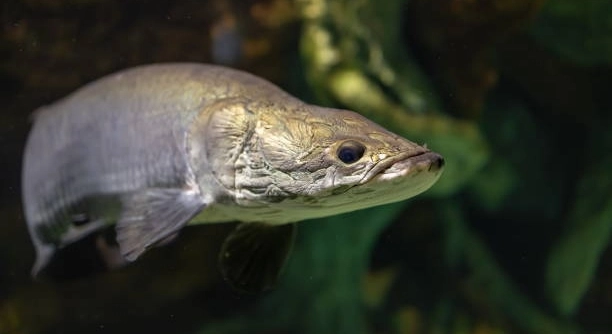
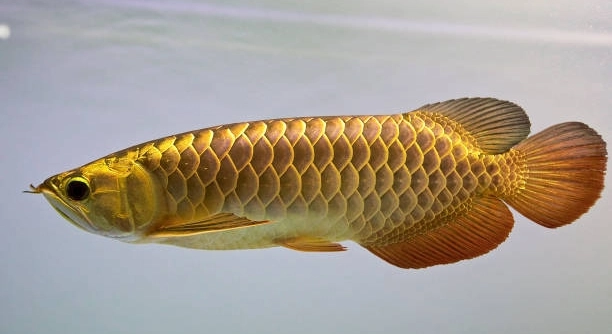
Arowanas are elegant, active fish that require careful attention to thrive. Their natural behavior includes exploring, hunting, and interacting with their environment. Observing changes in activity levels and behavior is key to maintaining their overall well-being. Signs that an arowana requires more stimulation include reduced swimming activity, frequent hiding, lack of interest in food, and … Read more
7 Tank Items That Can Reduce Arowana Anxiety

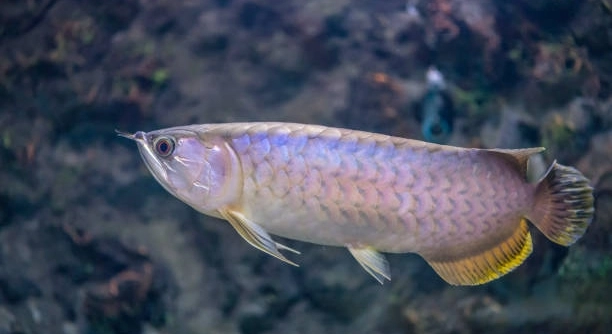
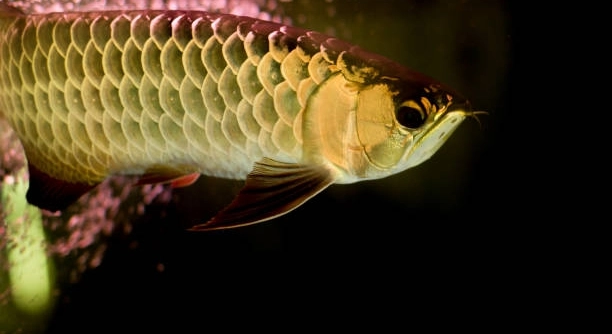
Do you ever notice your Arowana swimming nervously or hiding in its tank? Anxiety in these fish can affect their health and behavior, making it important to create a calm and comfortable environment for them to thrive. Certain tank items can significantly reduce Arowana anxiety by providing shelter, comfort, and environmental enrichment. Adding plants, floating … Read more

How to Keep Arowana Calm During Storms

Many arowana owners notice their fish become restless when storms approach. Sudden changes in air pressure, lightning, and loud thunder can stress these sensitive creatures, making their normally graceful movements erratic and their behavior unpredictable in the tank. The most effective way to keep an arowana calm during storms is by maintaining stable water conditions … Read more

7 Unusual Sounds That Can Startle Arowana

Have you ever noticed how your arowana reacts to changes around its tank when unexpected noises happen, leaving you wondering what might be causing such sudden responses from your usually calm fish in its daily Arowanas can be startled by unusual sounds because their sensory systems detect subtle vibrations. Sudden or irregular noises disrupt their … Read more

7 Common Feeding Mistakes With Juvenile Arowana

Do you ever find yourself carefully feeding your juvenile Arowana, only to wonder if you are doing it correctly? Young Arowanas require precise feeding routines to grow healthy and strong in their early stages. Many juvenile Arowana feeding mistakes stem from overfeeding, underfeeding, improper food types, irregular schedules, or incorrect portion sizes. These errors can … Read more

How to Calm a Skittish Arowana Fast

Caring for an arowana becomes difficult when its skittish behavior unsettles your aquarium. Recognizing its sensitive nature helps you adjust your approach and maintain a calm environment that encourages stability and supports gentle, predictable reactions. The fastest way to calm a skittish arowana is to reduce sudden stimuli, stabilize water conditions, and limit movement around … Read more

How to Tell If an Arowana Is Happy (7 Simple Signs)

Have you ever wondered how your arowana is feeling in its tank? Many owners focus on water quality and feeding, but recognizing your fish’s mood is equally important for its well-being and care. A happy arowana displays calm swimming patterns, responsive behavior to its environment, bright coloration, regular feeding habits, and overall vitality. Observing these … Read more

7 Signs Your Arowana Is Stressed (+How to Calm Them)

Is your arowana acting differently than usual, swimming erratically, or hiding more often? Observing subtle changes in behavior can signal that your fish may be under stress, which can affect its health and overall wellbeing. Stress in arowanas is typically caused by environmental factors, poor water quality, overcrowding, improper diet, or sudden changes in habitat. … Read more

Should You Turn Off Lights for Arowana at Night?

Have you ever worried about giving your arowana the right nighttime environment, especially when it comes to leaving the lights on or off as it rests and regains energy for the next day each night. Turning off the lights at night supports an arowana’s natural circadian rhythm and reduces stress. Consistent darkness allows proper rest, … Read more

7 Things You’re Doing That Confuse Your Arowana

Many arowana owners notice their fish acting in unexpected ways, often unsure which habits in their care routine may be causing subtle stress or confusion. These beautiful fish rely heavily on consistent environments, making small mistakes more disruptive than they appear. Arowanas become confused when exposed to inconsistent lighting, sudden movements, poor water parameters, irregular … Read more