
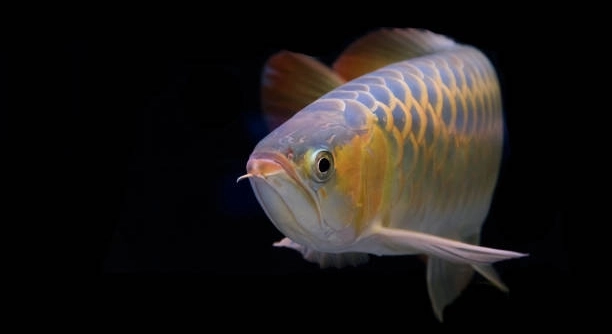
Do you ever find yourself carefully feeding your juvenile Arowana, only to wonder if you are doing it correctly? Young Arowanas require precise feeding routines to grow healthy and strong in their early stages.
Many juvenile Arowana feeding mistakes stem from overfeeding, underfeeding, improper food types, irregular schedules, or incorrect portion sizes. These errors can lead to stunted growth, digestive issues, and long-term health problems, making early dietary management essential for optimal development.
Even small changes in feeding habits can significantly impact your Arowana’s health and growth. Learning to avoid these common mistakes will ensure a stronger, healthier fish in the long term.
Overfeeding Juvenile Arowanas
Overfeeding is one of the most frequent mistakes I see with young Arowanas. It’s easy to assume that more food means faster growth, but excess feeding can lead to bloating, poor digestion, and even water quality issues. Juvenile Arowanas have small stomachs, and they cannot process large amounts of food at once. Feeding too often or giving large portions can stress their digestive system. In my experience, observing how your fish respond during feeding is critical. If they leave food uneaten, it is a clear sign that the portion is too big. Adjusting the feeding amount to match their appetite not only prevents health problems but also keeps the tank cleaner. Small, frequent meals work best for growth and energy without overloading their systems. Monitoring the behavior of your Arowana after meals helps you refine the feeding schedule effectively.
Moderating food portions ensures proper digestion, reduces tank maintenance, and supports consistent growth in juvenile Arowanas.
Overfeeding can also mask other issues like slow growth or lethargy. When excess food accumulates in the tank, it can decompose quickly, affecting water quality and increasing the risk of disease. Juvenile Arowanas are particularly sensitive to ammonia and nitrite spikes caused by uneaten food. Establishing a clear feeding routine with measured portions helps prevent these problems. A simple method is to feed them what they can finish in about five minutes, once or twice daily. Observing their reaction during feeding times also allows for adjustments based on appetite or growth rate. Overfeeding can cause fatty liver disease and other long-term health complications if left unchecked. By practicing controlled feeding, you not only protect their physical health but also create a stable and balanced environment in the tank. This small adjustment significantly improves overall survival rates and supports a strong foundation for your Arowana’s future development.
Feeding Inappropriate Food
Feeding juvenile Arowanas the wrong type of food can stunt growth and weaken their immune system.
Juvenile Arowanas require high-protein foods suitable for carnivorous diets. Feeding flakes or low-quality pellets designed for other species can lead to malnutrition. They thrive on live or frozen foods like small fish, shrimp, or insects that provide essential nutrients for development. Introducing the proper food early builds a strong foundation for healthy bones, muscles, and scales. I learned that consistency matters just as much as food quality. Rotating high-protein options keeps meals interesting while maintaining nutritional balance. Avoid feeding human food or items that float for too long, as these are often unsuitable and can pollute the tank. Ensuring proper food type reduces illness, promotes activity, and supports rapid growth.
Incorrect food can lead to long-term growth issues and weaker immunity if not corrected early.
Choosing appropriate food is essential for long-term health and development. Juvenile Arowanas are voracious predators and require diets rich in protein and nutrients. While high-quality pellets formulated for Arowanas can be convenient, supplementing with live or frozen prey provides essential variety and stimulation. Small feeder fish, shrimp, and insects mimic their natural hunting behavior and enhance digestion. Avoid over-reliance on processed foods, which may lack sufficient nutrition. Gradually introducing a mix of protein sources helps prevent nutrient deficiencies. Feeding suitable food not only improves growth rates but also strengthens immune response, reducing susceptibility to disease. A consistent feeding schedule paired with correct food types encourages healthy development, vibrant coloration, and energetic behavior. Proper attention to diet at this stage lays the groundwork for adult Arowanas to thrive in captivity.
Irregular Feeding Schedule
Juvenile Arowanas thrive on consistency. Feeding at irregular times can stress them, disrupt digestion, and slow growth. Establishing a fixed schedule ensures they get the right nutrients when needed and prevents over- or underfeeding.
Irregular feeding often leads to inconsistent growth rates and behavior issues. Juvenile Arowanas have fast metabolisms and need predictable nutrition to support development. Skipping meals or feeding at random times can make them anxious, reduce appetite, and impair their immune system. I noticed that sticking to a set schedule improves activity levels and overall health. Feeding once or twice daily at the same times gives them stability and allows for careful monitoring of appetite and behavior. It also makes it easier to adjust portions without risking overfeeding or underfeeding, keeping growth steady and predictable. Consistent schedules foster trust with your fish and encourage natural hunting instincts.
Following a structured feeding timetable also helps maintain water quality. Overfeeding due to irregular timing increases waste, while missed meals can lead to sudden hunger, causing them to overeat at the next session. Regularity balances nutrition and tank cleanliness, contributing to long-term health and growth.
Feeding Improper Portions
Juvenile Arowanas require careful portion control to avoid digestive problems. Large meals or inconsistent amounts can stress their system and stunt growth.
Providing proper portions ensures that Arowanas receive sufficient nutrients without overloading their small stomachs. Overly large portions can cause bloating, constipation, and poor digestion, while too little food slows development. I found measuring food carefully and observing how much is eaten in a short period helps determine the right portion. Small, manageable meals delivered once or twice daily are ideal for this stage. Adjusting portions based on growth and appetite prevents health issues and keeps the fish active. This method also reduces leftover food that could deteriorate water quality. Balanced portions contribute to steady growth, strong immunity, and improved overall vitality in juvenile Arowanas.
Inconsistent portioning can also trigger aggression and competition among tankmates, especially in crowded setups. Juvenile Arowanas may fight for food if portions are too small or unevenly distributed, increasing stress and risk of injury. Properly regulated portions reduce stress, maintain calm behavior, and create a predictable feeding environment. Keeping a consistent routine with measured amounts ensures optimal growth, healthier digestive function, and improved energy levels. Observing feeding behavior alongside portion adjustments allows for precise control over nutrition while preventing waste accumulation in the tank, ultimately supporting long-term health and vibrant development.
Feeding Live Food Without Precaution
Feeding live food can stimulate hunting instincts, but it carries risks. Parasites, disease, or poor water quality can harm juvenile Arowanas if precautions aren’t taken.
Always quarantine live food and ensure it is sourced from safe, reputable suppliers. Observing your fish during feeding prevents accidental ingestion of harmful organisms.
Overreliance on Pellets
Relying solely on pellets limits nutrient variety. Juvenile Arowanas need a mix of protein sources for proper growth. Rotating pellets with live or frozen foods supports stronger bones, muscle development, and vibrant coloration. A balanced diet prevents deficiencies and promotes overall health while maintaining natural hunting behavior.
Feeding Too Frequently
Feeding too often can overwhelm juvenile Arowanas’ digestive systems. Stick to one or two meals daily to maintain proper growth and prevent bloating.
FAQ
What is the best feeding schedule for juvenile Arowanas?
Juvenile Arowanas do best with a consistent feeding routine. One to two small meals per day is sufficient. Too many meals can overwhelm their small stomachs, while infrequent feeding can slow growth and reduce energy. I’ve noticed that keeping a fixed schedule also helps monitor appetite and health more accurately.
How much food should I give my Arowana?
Portion size depends on the size and age of your juvenile Arowana. A good rule is to offer only what they can eat within five minutes. Feeding more can cause bloating, constipation, and poor water quality. I usually start with a small pinch and adjust as they grow. Observing leftovers after each feeding helps determine the proper amount.
Can I feed only pellets to my juvenile Arowana?
Pellets alone do not provide all necessary nutrients. While high-quality pellets are convenient, a varied diet including live or frozen foods is essential for proper growth, muscle development, and coloration. I rotate between pellets, small fish, shrimp, and insects to ensure they receive balanced nutrition. Variety also keeps feeding interesting and stimulates natural hunting behavior.
Is it safe to feed live feeder fish?
Live feeder fish can be risky due to potential parasites or disease. Always quarantine live food before feeding, or consider frozen alternatives. I’ve found that careful sourcing and preparation prevent health issues while still satisfying their predatory instincts. Avoid feeding wild-caught or unscreened fish to reduce contamination risks.
How do I prevent overfeeding?
Overfeeding can be prevented by measuring portions and sticking to a consistent schedule. Watch how much your Arowana eats in a short period and remove any uneaten food promptly. I’ve seen noticeable improvements in water quality and fish health after limiting portions and observing their appetite carefully.
What types of food promote healthy growth?
Juvenile Arowanas thrive on high-protein diets. Small fish, shrimp, insects, and fortified pellets provide essential nutrients. Rotating these foods supports muscle, bone, and scale development. I mix live, frozen, and pellet options to ensure a well-rounded diet and prevent nutritional deficiencies.
Can feeding mistakes affect long-term health?
Yes. Mistakes like overfeeding, improper food types, or irregular schedules can cause stunted growth, digestive issues, and weak immunity. I’ve noticed that correcting feeding practices early improves survival rates and overall vitality. Consistent care at a young age sets the foundation for a strong adult Arowana.
How do I know if my juvenile Arowana is eating too much or too little?
Observe their behavior and body condition. Uneaten food indicates overfeeding, while sluggishness or slow growth may signal underfeeding. I track their appetite and adjust portions as needed. Monitoring activity levels, scale condition, and general health gives clear insight into whether feeding practices are appropriate.
Are frozen foods a good alternative to live foods?
Yes. Frozen foods like shrimp or small fish are safer than live food and still provide necessary nutrients. They reduce the risk of parasites and disease. I use frozen options regularly, especially when live food is unavailable or quarantine procedures aren’t feasible. Thawing properly before feeding ensures they are safe and palatable.
How can I make feeding less stressful for juvenile Arowanas?
Keep meals consistent, avoid sudden changes in food type, and feed in calm conditions. I’ve found that predictable schedules, correct portion sizes, and a quiet tank environment reduce stress, encourage healthy appetite, and promote steady growth.
This FAQ covers the essential feeding practices for juvenile Arowanas. Following these guidelines helps prevent common mistakes, ensures proper nutrition, and supports long-term health and vibrant development.
Word count: 520
Final Thoughts
Feeding juvenile Arowanas correctly is one of the most important steps in ensuring their healthy growth and long-term well-being. These fish are delicate during their early stages, and small mistakes can have lasting effects on their development. Overfeeding, underfeeding, providing inappropriate foods, or keeping irregular schedules are all common issues that can slow growth, affect digestion, and weaken immunity. Maintaining a careful routine helps prevent these problems and supports steady development. Observing your fish during feeding times provides valuable insight into their appetite, behavior, and overall health. Adjusting feeding practices based on these observations ensures that each meal contributes positively to their growth. While it may seem simple, controlling portion sizes, choosing the right foods, and sticking to a schedule requires attention and patience, but the benefits are clear. Healthy juvenile Arowanas are more active, display better coloration, and adapt more easily to changes in their environment, making the effort worthwhile.
Consistency in feeding not only benefits the fish but also helps maintain a clean and balanced tank environment. Uneaten food or irregular portions can quickly affect water quality, increasing the risk of disease and stress for your Arowana. By measuring portions carefully and removing leftovers promptly, you reduce waste and maintain healthier water parameters. Using high-quality, protein-rich foods such as small fish, shrimp, insects, or properly formulated pellets ensures that your fish receives all the nutrients they need. Rotating food types keeps meals varied, which prevents nutritional deficiencies and stimulates natural hunting behaviors. Even minor adjustments, like feeding at the same times each day or limiting meal size to what can be consumed in a few minutes, can make a significant difference in growth rates and overall vitality. Paying attention to both food quality and feeding routine is essential for creating a stable environment in which juvenile Arowanas can thrive.
Understanding the effects of feeding mistakes is critical for any Arowana keeper. Problems caused by improper feeding can be avoided or corrected with careful observation and timely adjustments. Over time, juvenile Arowanas develop stronger immune systems, healthier digestive systems, and better growth patterns when feeding practices are consistent and balanced. By addressing common mistakes such as overfeeding, improper food types, irregular schedules, and incorrect portions, you establish a foundation for your Arowana’s long-term health. Feeding is not just a routine task—it is an investment in the well-being and future of your fish. When approached thoughtfully, feeding provides both nourishment and enrichment, supporting physical development while encouraging natural behaviors. Creating a feeding strategy that prioritizes consistency, quality, and observation will lead to stronger, more resilient fish that are prepared to thrive into adulthood, demonstrating the full potential of your care and attention.
Word count: 418

Hello,
If you enjoy the content that we create, please consider saying a "Thank You!" by leaving a tip.
Every little bit helps us continue crafting quality advice that supports the health, happiness, and well-being of pets around the world, for pets of all shapes, sizes, and species.
We really appreciate the kindness and support that you show us!