
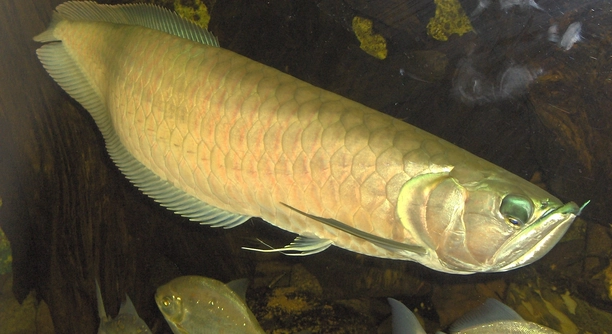
Have you ever wondered how your arowana is feeling in its tank? Many owners focus on water quality and feeding, but recognizing your fish’s mood is equally important for its well-being and care.
A happy arowana displays calm swimming patterns, responsive behavior to its environment, bright coloration, regular feeding habits, and overall vitality. Observing these indicators consistently allows owners to assess the fish’s health and emotional state accurately.
Recognizing these signs helps strengthen your bond with your arowana and ensures it thrives comfortably in its aquatic environment.
Calm and Smooth Swimming
Arowanas that are happy tend to swim gracefully across the tank. Their movements are smooth and deliberate, without sudden jerks or frantic darting. They explore the corners of the tank at their own pace, showing curiosity but not stress. Calm swimming reflects a balanced environment with proper water temperature, oxygen levels, and space to move. You may notice your arowana gliding near the surface sometimes or patrolling the mid-level areas. In contrast, a stressed or unhappy fish often hides constantly or bangs against the glass. Observing swimming patterns regularly can give a clear insight into how your arowana feels. It is also important to ensure the tank has minimal disturbances, as excessive noise or vibrations can make even a healthy arowana anxious. Over time, you will notice patterns and routines in your fish’s swimming that indicate comfort, satisfaction, and overall well-being, helping you adjust the habitat to maintain its happiness.
Smooth swimming is a reliable sign that your arowana feels secure and comfortable in its environment.
Monitoring swimming habits daily helps you catch early signs of stress, ensuring timely adjustments in care, tank setup, and feeding routines. Consistent observation strengthens the connection between the fish’s behavior and its environment, allowing you to respond appropriately. It also helps in tracking growth, energy levels, and general vitality, which are key indicators of happiness. A tank that promotes natural movement and exploration without overcrowding or excessive decoration encourages relaxed behavior. Over time, you will learn your arowana’s patterns, like favorite resting spots or preferred swimming routes. These insights make it easier to maintain optimal water conditions and feed at times that align with its natural rhythm. Even small changes, like adding gentle lighting or a secure hiding place, can reinforce a sense of comfort. By paying attention to swimming behavior, you ensure that your arowana remains active, healthy, and happy over the long term.
Bright and Vibrant Coloration
A healthy arowana usually shows clear, bright, and vibrant colors. Dull or faded tones often indicate stress, poor diet, or illness.
Bright coloration reflects overall well-being and proper nutrition.
Color changes can occur gradually or rapidly depending on water quality, lighting, and feeding. Regular observation helps identify subtle shifts that may signal a need for adjustments. Feeding a varied diet rich in protein and carotenoids promotes natural hues and prevents deficiencies. Tank lighting also plays a role; too dim or harsh lighting can affect how colors appear. A stable environment with clean water and proper filtration supports natural pigmentation, ensuring your arowana looks its best. Some species may naturally darken or lighten slightly over time, which is normal, but sudden fading should not be ignored. Maintaining consistent temperature and avoiding stressful conditions, like aggressive tank mates, preserves vibrant colors. By combining attentive care, proper diet, and a well-managed tank, you can keep your arowana’s colors vivid and a true indicator of its happiness.
Regular Feeding Habits
A happy arowana shows consistent interest in food and eats without hesitation. Skipping meals or showing disinterest may indicate stress, illness, or poor water conditions.
Feeding patterns reveal a lot about an arowana’s well-being. A healthy fish approaches feeding times actively, swimming toward food eagerly and consuming it without difficulty. Consistency is key, and sudden changes in appetite should be addressed promptly. Providing a balanced diet of pellets, live food, and occasional treats keeps the fish energetic and satisfied. Monitoring feeding behavior daily allows you to detect early signs of health issues or tank problems. Regular feeding routines also help the fish develop trust and familiarity with its environment, making it more comfortable and relaxed.
It’s important to avoid overfeeding, as excess food can pollute the water and affect your arowana’s health. Offering small, measured portions multiple times a day ensures the fish receives enough nutrients without risking water quality. Observing how your arowana reacts to different food types also helps you understand preferences, which can improve diet variety and overall satisfaction. Changes in feeding response can indicate environmental stress or disease, so attentive care and adjustment are essential. Maintaining proper feeding habits supports both physical health and emotional well-being.
Interaction with the Environment
A content arowana responds to its surroundings, exploring decorations, plants, and open spaces with interest. It may approach glass or react to movements near the tank.
Engagement with the environment shows curiosity and comfort. A happy arowana interacts with objects in its tank rather than hiding or remaining motionless. This behavior indicates confidence and a sense of safety. Providing a variety of hiding spots, open swimming areas, and gentle water currents encourages exploration. Observing how the fish navigates its space can highlight its mood and adaptability. An active, interactive arowana is less likely to experience stress, and it often shows consistent energy levels.
Environmental interaction also reflects mental stimulation. Adding new objects or rearranging decorations occasionally keeps the fish engaged. Arowanas may investigate unfamiliar items carefully or return to favorite spots repeatedly, signaling contentment. Lack of engagement can suggest boredom or discomfort, highlighting the importance of maintaining a dynamic yet stable habitat. By ensuring the tank is spacious, well-structured, and enriched, your arowana can display natural behaviors. These interactions help strengthen overall health, support activity levels, and indicate a positive state of mind.
Healthy Fins and Scales
A happy arowana has smooth, intact fins and shiny, undamaged scales. Torn fins, missing scales, or clamped fins can signal stress, poor water quality, or illness.
Consistently checking fins and scales helps maintain fish health. Bright, well-aligned scales and fully extended fins indicate comfort and proper nutrition.
Active Social Behavior
Even though arowanas are often solitary, they can show interest in tank mates or their reflection. Active observation and gentle interaction reflect a positive mood.
Breathing Patterns
Normal, steady gill movements indicate a content arowana. Rapid or labored breathing may suggest stress or water issues.
FAQ
How often should I feed my arowana?
Feeding frequency depends on the fish’s age and size. Juveniles usually eat two to three times a day, while adults can be fed once a day or every other day. Overfeeding can lead to water quality issues, so providing measured portions is best. Observing your arowana’s appetite helps determine the right routine. If it eagerly eats every feeding, the amount is likely appropriate.
What type of food keeps my arowana happy?
A balanced diet is key. High-quality pellets designed for carnivorous fish, combined with occasional live or frozen foods like shrimp, insects, and small fish, support health and coloration. Variety prevents boredom and ensures all essential nutrients are provided. Treats should be occasional, not daily, to avoid digestive issues. Rotating food types also encourages natural hunting behavior and keeps the fish active.
How can I tell if my arowana is stressed?
Stress signs include clamped fins, erratic swimming, hiding constantly, or loss of appetite. Dull coloration or rapid breathing may also indicate problems. Checking water parameters regularly—temperature, pH, ammonia, nitrites, and nitrates—helps identify environmental causes. Addressing these issues quickly ensures the fish remains healthy and happy. Stress can also be caused by aggressive tank mates, poor tank layout, or sudden changes in light or temperature.
Do arowanas need tank mates?
Arowanas are primarily solitary and may not tolerate other fish well, especially smaller species that could be seen as food. Some large, peaceful tank mates can coexist if the tank is spacious and hiding places are available. Monitor interactions closely to prevent aggression. Providing adequate swimming space and barriers like driftwood or plants can reduce conflict. Most arowanas thrive alone, making a solitary setup simpler and safer.
How important is water quality for a happy arowana?
Water quality is crucial. Arowanas need clean, well-filtered water with stable temperature and pH. Poor water can cause stress, disease, and color loss. Regular water changes, proper filtration, and monitoring chemical levels support health and behavior. Maintaining consistent conditions prevents frequent stress responses and allows your arowana to thrive naturally. Temperature swings or ammonia spikes can quickly impact mood and appetite.
Can tank decoration affect arowana happiness?
Yes. A tank with open swimming areas and a few hiding spots helps the fish feel secure. Avoid overcrowding or sharp objects that could injure fins. Proper decoration encourages exploration while providing comfort. Natural-looking elements like driftwood or smooth rocks work well. Too many decorations can restrict movement, while too few can make the environment feel empty. Balancing space and enrichment supports natural behaviors and a relaxed fish.
What are signs of a happy arowana besides appearance?
Calm swimming, curiosity, regular feeding, and gentle interaction with the environment indicate contentment. The fish should explore the tank, react to stimuli without panic, and maintain normal breathing. Energy levels remain steady, and fins stay extended. Observing these behaviors daily helps you understand your fish’s comfort and provides guidance for any necessary adjustments.
How long do arowanas live when happy and healthy?
With proper care, arowanas can live 10 to 20 years, depending on species. Long-term health requires stable water conditions, a balanced diet, and sufficient tank space. Consistent monitoring of behavior, appetite, and environment contributes to longevity. A happy arowana maintains bright colors, strong fins, and active exploration throughout its life.
Can I improve my arowana’s happiness if it seems unhappy?
Yes. Identify potential causes such as water quality issues, insufficient tank space, poor diet, or stress from tank mates. Adjusting the environment, providing enrichment, and maintaining a consistent feeding schedule can improve mood and health. Small changes often have a significant impact on behavior and vitality.
How do I monitor my arowana daily?
Observe swimming patterns, appetite, breathing, and interaction with the environment. Check water parameters regularly and look for signs of stress or illness. Keeping a short daily log of behavior and feeding can reveal subtle changes. Consistent attention helps catch problems early and maintain a happy, healthy fish.
Arowanas are remarkable fish, and understanding their behavior is key to ensuring they live healthy, happy lives. Observing your fish regularly helps you notice subtle changes in swimming, appetite, and interactions with the environment. Even small details, like slight changes in coloration or fin movement, can provide important clues about how your arowana is feeling. Maintaining consistent water quality, a balanced diet, and a proper tank setup is essential, but equally important is recognizing and responding to the signs of contentment. Happy arowanas tend to explore their tank confidently, swim smoothly, eat reliably, and display vibrant colors, all of which reflect their overall well-being. Paying attention to these signals allows you to make small adjustments that keep the fish comfortable and thriving.
Regular care routines help maintain not only the physical health of your arowana but also its emotional state. Proper feeding schedules, clean water, and a well-structured tank create an environment where your fish can feel secure. Tank decorations should provide a balance between open swimming areas and places to hide, giving the fish a sense of safety. Observing how your arowana interacts with the tank environment can indicate whether it feels comfortable or stressed. For example, exploring objects, reacting to gentle movements outside the tank, and maintaining steady breathing are all signs of a relaxed and happy fish. On the other hand, hiding constantly, erratic swimming, or clamped fins may signal the need for adjustments in care or tank conditions. Being proactive in observing these behaviors ensures that issues are addressed before they affect the fish’s health or happiness.
Finally, building a routine around observation and care strengthens the bond you have with your arowana and increases your confidence in keeping it happy. Paying attention to the small but meaningful signs of contentment allows you to respond appropriately to your fish’s needs. Over time, you will learn what behaviors are normal for your specific arowana, including its favorite spots, feeding habits, and patterns of activity. This knowledge helps you maintain optimal conditions and make informed choices about diet, tank setup, and social arrangements. Arowanas can live long, fulfilling lives with proper care, and recognizing the signs of happiness is essential to supporting them throughout their years. By observing carefully, maintaining a clean and balanced environment, and responding to the fish’s needs, you ensure that your arowana thrives both physically and emotionally.

Hello,
If you enjoy the content that we create, please consider saying a "Thank You!" by leaving a tip.
Every little bit helps us continue crafting quality advice that supports the health, happiness, and well-being of pets around the world, for pets of all shapes, sizes, and species.
We really appreciate the kindness and support that you show us!