
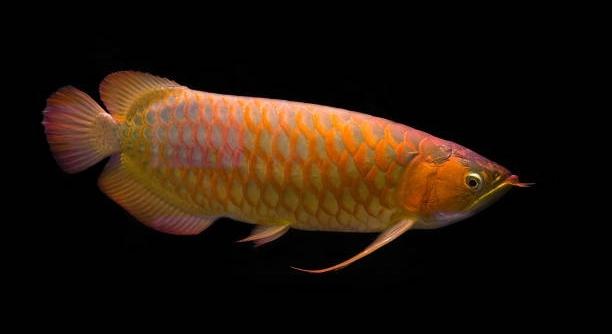
Many arowana owners notice their fish acting in unexpected ways, often unsure which habits in their care routine may be causing subtle stress or confusion. These beautiful fish rely heavily on consistent environments, making small mistakes more disruptive than they appear.
Arowanas become confused when exposed to inconsistent lighting, sudden movements, poor water parameters, irregular feeding routines, overcrowded environments, excessive reflections, and unsuitable tank layouts. These factors disrupt their sense of stability, leading to erratic behaviors and increased stress responses.
Understanding how these habits influence your arowana will help you maintain a calmer, healthier environment that supports its natural behaviors.
Inconsistent Lighting in the Tank
Arowanas rely on stable lighting to feel secure, and even small changes can unsettle them. Sudden shifts between bright and dim light, inconsistent schedules, or using lights that flicker can disrupt their sense of rhythm. These fish thrive when their surroundings change slowly and predictably, allowing them to adjust without stress. When lighting is unstable, they may become jumpy, hide more, or swim erratically. Creating a calm environment helps them feel safe, and consistent lighting is a simple yet important part of that stability. As someone who cares for these sensitive fish, maintaining a steady light routine can make a noticeable difference in their comfort.
Keeping lighting steady helps your arowana stay relaxed and aware of its surroundings without unnecessary stress that could affect its behavior or appetite.
A stable lighting routine supports your arowana’s natural instincts and helps it feel grounded in its environment. When lighting remains consistent, these fish settle into predictable patterns, reducing unnecessary fear responses. They become more confident in their space, swim more smoothly, and interact with their surroundings in a calmer way. For a species as reactive as the arowana, even small adjustments in lighting can have meaningful effects. Creating a predictable lighting schedule allows your fish to understand when to feed, rest, and explore comfortably. This simple change brings a sense of stability that helps your arowana thrive.
Sudden Movements Near the Tank
Sudden movements near your arowana can startle it quickly, causing abrupt reactions that seem confusing when you are simply going about your day. These fish are sensitive to quick motion and rely on steady surroundings to stay calm.
Rapid or unexpected movement triggers an instinctive response in your arowana, making it feel threatened even when nothing is actually wrong. They may dart, hide, or crash into the tank walls, which increases the risk of injuries and ongoing stress. By keeping your motions relaxed and steady around the tank, you help your fish understand that its environment is safe. This small habit supports its confidence and helps prevent unnecessary fear.
Poor Water Parameters
Poor water parameters disrupt your arowana’s stability and cause stress that often appears as confusion or unusual behavior. When ammonia, nitrite, or pH levels fluctuate, your fish struggles to adapt, leading to reactions that may seem unpredictable during your daily care routine.
Consistently maintaining clean water helps your arowana stay stable and avoid unnecessary stress responses. These fish rely on steady parameters to breathe comfortably, move confidently, and feel secure in their environment. When the water shifts too often, they may gasp at the surface, lose appetite, or swim erratically. Regular testing, gentle water changes, and avoiding sudden adjustments support their overall well-being and help them behave more naturally. Taking a steady approach makes it easier for your arowana to understand its surroundings.
Clear water conditions also help your arowana process its environment without added strain. Stable levels of ammonia, nitrite, nitrate, and pH give your fish predictable conditions, which reduce confusion and keep it more relaxed. Bad water quality forces the fish to work harder just to stay comfortable, making it more reactive to small disturbances. By managing filtration, avoiding overfeeding, and performing routine maintenance, you create an environment where your arowana can thrive. This simple consistency makes everyday care smoother and helps your fish feel safe.
Irregular Feeding Routine
An irregular feeding routine makes your arowana uncertain about its daily rhythm, causing it to react unpredictably when expecting food. Arowanas depend on structured patterns, and inconsistent feeding can make them restless, more aggressive, or overly alert during times when they feel food should be available.
Establishing a predictable feeding schedule gives your arowana a sense of timing that helps reduce stress. These fish respond well to routine because it tells them when to expect food, helping them conserve energy and stay calm between meals. When feeding happens at different times or in inconsistent amounts, your arowana may start pacing, begging excessively, or striking the surface too forcefully. Offering meals at steady intervals creates a smooth rhythm, making your fish feel secure and balanced in its environment.
Overcrowded Environments
Overcrowding makes your arowana feel pressured and unsure of its space, leading to tense or erratic behavior. When too many tankmates move around it, your fish struggles to settle, often reacting quickly to harmless movements or changes within the aquarium.
Limited swimming space also increases stress for arowanas that rely on wide, open areas to glide comfortably. When the tank feels cramped, they become more defensive, easily startled, and less confident in their movements. Reducing overcrowding helps restore their sense of control and calm.
Excessive Reflections
Excessive reflections confuse your arowana because it may mistake its own image for another fish. This creates unnecessary tension, making it pace, flare, or strike at the glass. Managing reflections keeps your fish from misinterpreting its surroundings and reacting with unnecessary stress.
Unsuitable Tank Layout
An unsuitable tank layout limits your arowana’s ability to navigate its space confidently. Poor placement of décor or cramped arrangements interfere with natural movement, creating confusion as your fish attempts to avoid obstacles while trying to swim smoothly.
FAQ
Why does my arowana seem stressed even though I follow all care instructions?
Even when you follow most guidelines, small inconsistencies in water parameters, lighting, or tank layout can create stress. Arowanas are sensitive to subtle changes and may show signs like hiding, erratic swimming, or refusing food when they feel unsettled.
How often should I test my tank water?
Testing water at least once a week is recommended. Check for ammonia, nitrite, nitrate, and pH levels. Regular monitoring helps catch small fluctuations before they impact your fish’s health or behavior. Consistent water quality reduces stress and confusion.
Can reflections really affect my arowana’s behavior?
Yes. Arowanas may mistake reflections for other fish, leading to aggressive or defensive actions. To minimize reflections, position the tank away from direct light and avoid highly reflective backgrounds. Covering parts of the tank or using a dark background can also help.
Is it normal for my arowana to swim erratically?
Erratic swimming often indicates stress or confusion. Check water parameters, feeding schedules, tankmates, and decorations. Eliminating sudden changes in the environment and providing open swimming space usually calms this behavior.
How many arowanas can I keep in one tank?
Arowanas need plenty of space. Overcrowding causes stress and unpredictable behavior. Ideally, only one adult arowana per tank or very large setups with careful monitoring of tankmates will prevent tension and allow safe movement.
What is the best feeding schedule for an arowana?
A consistent schedule is crucial. Feed your fish at the same times daily, providing measured portions. This routine helps it anticipate meals, reduces anxiety, and prevents overfeeding or aggressive begging behaviors.
Can sudden movements near the tank harm my arowana?
Yes. Arowanas are easily startled by fast movements. Even normal activity near the tank can cause jumps, collisions, or stress. Approaching the tank slowly and minimizing abrupt gestures helps your fish feel secure and confident in its environment.
How do I know if my tank layout is confusing my arowana?
Signs include hesitation to swim, frequent collisions, or repeated hiding. Ensure decorations are placed to allow open swimming space and gradual transitions. Avoid clutter and sharp objects that could obstruct movement or create fear.
What kind of lighting is best for arowanas?
Consistent, stable lighting is ideal. Avoid sudden changes in brightness or flickering lights. A predictable light cycle supports natural behavior, reduces stress, and helps your arowana feel safe in its surroundings.
Why does my arowana refuse food sometimes?
Refusal to eat may result from stress, poor water conditions, or inconsistent feeding times. Check tank parameters, lighting, and feeding routines. Providing a calm environment with stable routines usually encourages regular feeding habits.
How can I reduce stress in my arowana?
Maintain steady water conditions, consistent lighting, a regular feeding schedule, and open swimming space. Limit reflections and avoid overcrowding. Slow, gentle movements near the tank also help the fish feel safe and reduce erratic behaviors.
Is it okay to rearrange the tank decorations often?
Frequent rearrangements can confuse your arowana. These fish rely on familiar landmarks for orientation. Move decorations sparingly and gradually to prevent stress or hesitation in navigating their space.
What tank size is ideal for a single adult arowana?
A minimum of 250 gallons is recommended for a full-grown arowana. Adequate space allows it to swim freely, reduces stress, and prevents collisions, supporting natural behaviors and a healthier, calmer fish.
Can tankmates cause confusion for my arowana?
Yes, aggressive or overly active tankmates may disturb your arowana. Select compatible species and provide enough space to minimize interactions that could lead to stress or defensive behavior. Observing their interactions helps prevent tension.
How do I know if my arowana is comfortable in its environment?
A relaxed arowana swims smoothly, shows regular feeding behavior, and does not startle at minor movements. Consistent water quality, predictable lighting, and ample swimming space are key indicators that your fish feels secure.
What steps can I take if my arowana seems confused?
Check water parameters, review lighting and feeding routines, minimize reflections, and ensure the tank layout allows open swimming. Small adjustments in these areas often restore confidence and calmness, helping your fish behave naturally.
Can stress affect my arowana’s health long-term?
Yes. Prolonged stress can weaken the immune system, reduce appetite, and increase susceptibility to disease. Consistent care, predictable routines, and a calm environment are essential to maintain long-term health and reduce confusion.
How do I gradually adjust arowana care habits?
Make changes slowly and one at a time. Sudden shifts in lighting, layout, or feeding can overwhelm your fish. Gradual adjustments allow the arowana to adapt comfortably and reduce erratic or confused behavior.
What are the signs of a happy arowana?
A calm arowana swims steadily, explores its space confidently, and eats regularly. Its colors remain vibrant, and it does not show signs of hiding excessively or striking at reflections. Observing these behaviors helps you confirm that care routines are effective.
How important is tank maintenance for arowana behavior?
Tank maintenance is critical. Regular water changes, filter cleaning, and monitoring of parameters create a predictable environment. This stability reduces confusion, prevents stress, and ensures your arowana can maintain natural behavior patterns without disruption.
What should I do if my arowana still seems confused despite proper care?
Consider reviewing all aspects of its environment, including subtle stressors like lighting intensity, reflections, or hidden obstacles. Consulting with an aquatic specialist can provide insight into behavior patterns and tailored solutions for your fish.
Final Thoughts
Caring for an arowana requires attention to detail and patience. These fish are highly sensitive to their environment, and even small inconsistencies can lead to confusing behaviors that may worry their owners. Maintaining steady water parameters, a regular feeding schedule, consistent lighting, and a safe, open tank layout are key factors in creating a stable environment. By focusing on these elements, you help your arowana feel secure, reducing erratic movements, stress, and other signs of confusion. Observing your fish closely allows you to notice subtle changes in behavior that indicate whether your adjustments are effective.
Understanding your arowana’s needs also involves recognizing how external factors influence its daily life. Reflections in the tank, sudden movements near the aquarium, and overcrowding are common sources of stress that are easy to overlook. Even when water conditions are ideal, these disturbances can make your fish reactive or hesitant to explore its space. Minimizing these stressors helps the arowana adapt comfortably to its surroundings. Simple adjustments, like covering reflective surfaces, creating more open swimming space, and approaching the tank calmly, can make a significant difference in your fish’s well-being. Paying attention to these details ensures that your arowana’s behavior is a reflection of a stable, healthy environment rather than confusion caused by overlooked factors.
Consistency and routine are central to keeping your arowana healthy and happy. Predictable feeding times, gradual environmental changes, and regular tank maintenance provide reassurance that allows your fish to behave naturally. When these routines are followed, your arowana learns to trust its environment and exhibits calmer, more confident behavior. By addressing all aspects of care—from water quality to tank layout and daily interaction—you create a balanced setting that supports your fish’s physical and mental health. Investing the effort to maintain stability in these areas not only reduces confusion but also strengthens the bond between you and your arowana, creating a peaceful and thriving aquarium environment.

Hello,
If you enjoy the content that we create, please consider saying a "Thank You!" by leaving a tip.
Every little bit helps us continue crafting quality advice that supports the health, happiness, and well-being of pets around the world, for pets of all shapes, sizes, and species.
We really appreciate the kindness and support that you show us!