
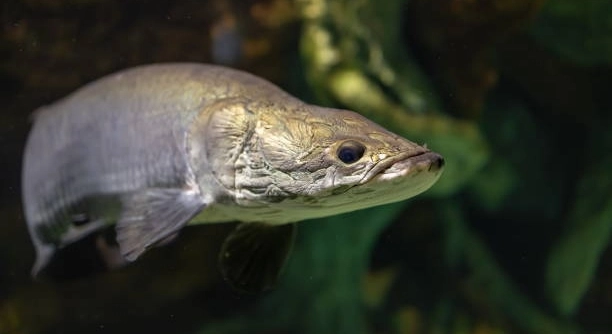
Arowanas are elegant, active fish that require careful attention to thrive. Their natural behavior includes exploring, hunting, and interacting with their environment. Observing changes in activity levels and behavior is key to maintaining their overall well-being.
Signs that an arowana requires more stimulation include reduced swimming activity, frequent hiding, lack of interest in food, and repetitive or lethargic movements. Providing environmental enrichment can improve mental and physical health and prevent stress-related behaviors.
Ensuring your arowana remains engaged goes beyond feeding and cleaning. Small adjustments in their habitat can have a significant impact on their vitality.
Recognizing Signs of Boredom in Arowanas
Arowanas show boredom in ways that are sometimes subtle. They may swim less than usual or linger in one corner of the tank. Some might tap repeatedly on the glass or refuse to eat certain foods they normally enjoy. Others display unusual aggression or chase tank mates more often. These behaviors can indicate that the fish lacks mental or physical stimulation. Observing their daily routine carefully allows you to spot changes early. Adjustments to the environment, such as adding decorations or varying feeding methods, can help. Even simple activities like rearranging ornaments or introducing floating objects can engage your arowana. Over time, this attention helps maintain their natural behavior and promotes overall health. Arowanas thrive when challenged appropriately, which reduces stress and promotes better growth. Consistency in observing their habits ensures that any problems are addressed before they affect long-term health.
Providing mental enrichment improves their quality of life. Subtle changes in the tank can make a big difference.
Small adjustments like adding plants, rocks, or floating toys encourage natural exploration, which keeps the fish active. Varying food presentation and introducing occasional live food can increase engagement. Monitoring water quality and maintaining a predictable routine also support arowana activity. Over time, these changes reduce stress, prevent lethargy, and enhance their well-being.
How to Add Stimulation Effectively
Introducing stimulation gradually helps prevent stress. Avoid sudden changes, as arowanas may react negatively to unfamiliar objects or rearrangements.
Environmental enrichment should mimic natural behavior. Floating objects, driftwood, and live plants create areas to explore. Feeding techniques can vary by hiding food or using a feeding ring to encourage hunting. Training with gentle interaction, such as hand-guided food, can increase engagement and attention. Adjusting light cycles to simulate day and night encourages normal activity patterns. Rotate tank decorations periodically to maintain novelty. Ensuring adequate swimming space while providing enrichment is crucial. Overcrowding or excessive objects can overwhelm the fish, so balance is necessary. Observation remains key—monitor reactions carefully to identify what the fish enjoys. Consistent, small interventions maintain interest and reduce stress without causing disruption to their routine. Engaging your arowana properly promotes natural behavior, encourages growth, and supports a healthy, active lifestyle within the tank.
Physical Activities to Keep Your Arowana Engaged
Encouraging swimming through obstacles improves fitness. Floating logs, plants, or rocks create paths for exploration. Regularly changing object placement keeps the environment interesting and reduces repetitive behavior.
Providing space for jumping and swimming is essential. Arowanas are active predators and need room to exercise. Introducing floating targets or live prey mimics natural hunting behavior. Even simple actions like varying feeding positions or using a small net to guide movement can stimulate muscles and coordination. Over time, this prevents lethargy and promotes healthy growth. Observing responses ensures the activities are safe and enjoyable. Consistent engagement supports mental alertness and strengthens physical stamina.
Incorporating vertical space also benefits activity levels. Some arowanas enjoy swimming near the surface or exploring tall decorations. By layering plants and adding floating objects, you encourage natural vertical movement. Feeding at different levels in the tank adds variety and promotes climbing, lunging, and swimming patterns. Over time, these adjustments reduce boredom and reinforce natural instincts. Maintaining balance between open swimming areas and enrichment objects ensures the tank remains functional while keeping the fish active and healthy.
Monitoring Behavior Changes
Track swimming patterns daily to detect shifts in activity. Noting feeding habits helps identify early signs of stress or boredom.
Behavior changes can indicate both mental and physical health issues. Reduced activity, refusal to eat, or unusual aggression often signals insufficient stimulation or environmental problems. Frequent observations allow for timely interventions. Keep a simple log of movement, feeding, and interactions. This record helps identify patterns over days or weeks. Early detection of unusual behavior prevents long-term effects, allowing adjustments in diet, enrichment, or tank setup. Arowanas respond quickly to consistent monitoring, making preventive care effective.
Understanding subtle cues ensures arowanas remain stimulated and healthy. Minor signs like restlessness, repeated tapping, or hiding may seem trivial but indicate a need for environmental adjustment. Modifying feeding methods, rearranging decor, or adding enrichment items can restore engagement. Observing reactions carefully allows you to refine strategies for each fish, as individual preferences vary. Monitoring water quality, temperature, and lighting in tandem with behavior checks strengthens overall care. These combined efforts support physical health, mental stimulation, and natural activity patterns, ensuring your arowana remains active and content.
Feeding Techniques for Stimulation
Varying feeding methods encourages natural hunting instincts. Live or frozen food presented differently engages your arowana and prevents mealtime boredom.
Hiding food or using a feeding ring promotes problem-solving. Small adjustments in how food is offered maintain interest and encourage active movement around the tank.
Environmental Enrichment Ideas
Adding decorations, driftwood, and plants creates exploration opportunities. Rearranging objects periodically keeps the environment novel and engaging. Floating objects or layering plants encourages vertical and horizontal movement, supporting both mental and physical activity. Balanced enrichment prevents overcrowding while maintaining ample swimming space.
Observing Social Interactions
Monitor how your arowana reacts to tank mates. Aggression or avoidance can indicate stress or insufficient stimulation.
FAQ
How do I know if my arowana is bored?
Signs of boredom in arowanas include reduced swimming, staying in one corner for long periods, refusing food, or displaying repetitive behaviors like tapping on the glass. Increased aggression toward tank mates or objects can also indicate a lack of stimulation. Observing these behaviors over several days helps confirm whether your fish needs more engagement.
What are the best ways to stimulate an arowana?
Providing environmental enrichment is essential. Use floating objects, driftwood, plants, and hiding spots to create areas for exploration. Vary the placement of decorations to maintain novelty. Feeding methods can also be adjusted by hiding food or using live prey to mimic natural hunting behaviors. Even gentle hand-guided feeding or floating targets encourages movement and interaction.
Can diet affect my arowana’s activity levels?
Yes, diet plays a role in stimulation. Offering a varied diet with live, frozen, or frozen-thawed food encourages natural hunting instincts. Presenting food at different levels or in unique ways can maintain interest and encourage active foraging. Avoid overfeeding, as excess food may lead to lethargy and reduced engagement.
How often should I rearrange the tank?
Rearranging the tank periodically prevents monotony. Minor changes every few weeks are sufficient to maintain interest. Ensure enough open swimming space remains while adding enrichment. Sudden or drastic changes may stress your fish, so adjust gradually and observe reactions closely.
Is it safe to add multiple arowanas to the same tank?
Arowanas are territorial and may show aggression if space is insufficient. Adding multiple fish requires careful monitoring, adequate tank size, and hiding spots. Observing interactions is crucial to prevent stress or injury. Sometimes a single arowana may thrive better in a well-enriched environment than in a crowded tank.
What types of decorations are best for stimulation?
Driftwood, rocks, floating objects, and live plants provide both mental and physical enrichment. Layering plants encourages vertical and horizontal movement. Smooth, non-toxic materials are important to prevent injury. Avoid overcrowding; enrichment should enhance space without restricting swimming or causing stress.
How can I safely introduce live prey?
Introduce live prey gradually and ensure it is appropriate for the size of your arowana. Monitor interactions to prevent aggression or overfeeding. Remove uneaten prey promptly to maintain water quality. Using live prey stimulates hunting instincts and encourages active movement.
How can I tell if enrichment is working?
Active exploration, consistent swimming, and engagement with objects indicate effective enrichment. Reduced lethargy and maintained interest in food are positive signs. If behaviors remain unchanged, consider adjusting or rotating enrichment items to better suit your fish’s preferences.
Does lighting affect activity levels?
Yes, proper lighting helps regulate daily activity. Simulating natural day-night cycles encourages normal behavior and exploration. Avoid abrupt changes in light intensity, which can stress the fish. Observing activity patterns under different lighting setups can guide adjustments for optimal engagement.
How long should enrichment sessions last?
Arowanas benefit from continuous environmental enrichment rather than short sessions. Maintaining a stimulating environment consistently supports mental health and physical activity. Rotate objects and feeding techniques regularly to sustain interest and prevent boredom without overwhelming the fish.
Final Thoughts
Caring for an arowana requires attention to both physical and mental needs. These fish are naturally active and curious, so providing a stimulating environment is essential for their overall health. Simply feeding and cleaning the tank is not enough. Observing daily behavior helps identify when your fish may need more engagement. Signs like reduced swimming, hiding, or repetitive movements are indicators that enrichment is necessary. Addressing these signs promptly can prevent long-term stress and health problems. Small adjustments in the tank setup, feeding routine, and decorations can make a noticeable difference in your arowana’s activity and mood. Over time, consistent observation and intervention promote a healthier, more vibrant fish.
Creating a stimulating environment does not have to be complicated. Adding driftwood, plants, rocks, and floating objects provides areas for exploration and encourages natural behaviors. Rearranging decorations occasionally helps maintain novelty and prevents boredom. Feeding techniques also play a significant role in engagement. Offering live or frozen food in different ways stimulates hunting instincts and encourages movement throughout the tank. Even simple actions like hiding food or using a feeding ring can make mealtime more interactive. The goal is to mimic natural behaviors and provide opportunities for mental and physical activity. By incorporating these elements thoughtfully, you ensure that your arowana remains active, alert, and healthy.
Consistency and careful monitoring are key to long-term well-being. Arowanas respond positively to gradual changes and predictable routines. Observing their reactions allows you to adjust enrichment, feeding methods, and tank setup as needed. Avoid sudden or extreme changes that might cause stress. Balancing open swimming space with objects for exploration ensures the fish has freedom to move while remaining engaged. Over time, these practices build a more enriching habitat that supports both mental and physical health. Paying attention to your arowana’s behavior, providing regular stimulation, and maintaining a clean, safe environment help create a fulfilling life for your fish. Arowanas are intelligent and sensitive creatures, and meeting their needs consistently ensures they thrive in captivity.

Hello,
If you enjoy the content that we create, please consider saying a "Thank You!" by leaving a tip.
Every little bit helps us continue crafting quality advice that supports the health, happiness, and well-being of pets around the world, for pets of all shapes, sizes, and species.
We really appreciate the kindness and support that you show us!