
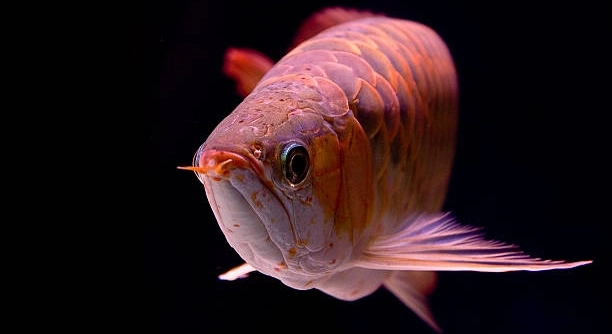
Caring for an arowana becomes difficult when its skittish behavior unsettles your aquarium. Recognizing its sensitive nature helps you adjust your approach and maintain a calm environment that encourages stability and supports gentle, predictable reactions.
The fastest way to calm a skittish arowana is to reduce sudden stimuli, stabilize water conditions, and limit movement around the tank. Consistent lighting, proper tank size, and slow, deliberate actions help lower stress and promote steadier, controlled behavioral responses.
These gentle strategies highlight changes that support your arowana’s comfort, guiding you toward understanding its needs and strengthening its stability.
Understanding What Makes an Arowana Skittish
A skittish arowana reacts quickly to even small changes, and creating a steady routine helps it feel secure. Loud noises, frequent movement near the tank, or inconsistent lighting can trigger sudden stress responses. By keeping the room quiet, maintaining stable lighting, and approaching the tank slowly, you help your arowana understand that nothing around it poses a threat. Clean water, correct temperature, and proper filtration also play a major role in keeping it calm. When its environment feels predictable, the arowana becomes more confident, showing smoother swimming patterns and fewer abrupt reactions. This steady comfort builds over time, allowing your fish to settle into a peaceful rhythm that supports healthy, balanced behavior while reducing unnecessary tension.
Small adjustments to your daily routine can create a noticeable difference in your arowana’s comfort. Gentle movements, soft lighting, and consistent tank care make the atmosphere easier for it to handle.
With steady care and a predictable environment, your arowana begins to feel safer, allowing its natural grace and confidence to show more clearly without unnecessary stress shaping its behavior.
How to Stabilize Your Arowana’s Environment
A calm environment starts with predictable conditions that help your arowana feel secure. Clean water, stable temperature, and gentle lighting allow it to relax and settle into familiar patterns without frequent disruptions.
Creating a stable environment means controlling each element that affects your arowana’s comfort. Start by maintaining clear water with regular water changes and reliable filtration. Arowanas are sensitive to sudden shifts, so aim for slow, consistent adjustments during cleaning or maintenance. Choose lighting that remains steady throughout the day, avoiding sudden brightness changes that may startle your fish. Position the tank in a quiet area where movement is minimal, reducing unnecessary stress from constant activity. Feeding should also follow a consistent routine, allowing your arowana to anticipate when food will arrive. By offering a balanced space with controlled noise, predictable lighting, and proper care, you create a foundation that encourages calm behavior and helps your arowana handle daily activity with ease.
Identifying Stress Triggers Quickly
A skittish arowana often reacts to sudden movements, bright lights, or unpredictable sounds near the tank. Watching these responses closely helps you understand what sets it off, allowing you to reduce unnecessary disturbances and keep its environment calm and steady.
Focusing on the arowana’s daily behavior helps you pinpoint exactly when and why it becomes tense. Sudden flinching, rapid swimming, or hiding behind decorations often signals discomfort caused by something in its surroundings. By observing these reactions, you can adjust lighting, reduce foot traffic, or shift the tank to a quieter location. Avoid tapping on the glass or making abrupt movements during feeding or maintenance, as these can heighten stress. With steady observation, you begin to recognize patterns and remove the triggers that make your arowana uneasy.
Reducing stress triggers becomes easier once you understand how your arowana responds to its environment. Consistent attention helps you make small changes that support calmer behavior. You may notice that adjusting lighting or maintaining a quieter space leads to smoother swimming and fewer startled reactions. These subtle improvements help your arowana feel more secure, allowing it to settle comfortably into its tank without constant tension affecting its behavior.
Why Tank Setup Matters
Arowanas rely heavily on their surroundings, and an improperly arranged tank can increase their stress. Choosing the right size tank, stable lighting, and appropriate decorations helps reduce anxiety while promoting steady, confident behavior that matches their natural tendencies.
A well-planned tank setup influences how safe your arowana feels each day. Larger tanks give it enough room to swim without bumping into walls, which decreases sudden panic responses. Soft lighting reduces sharp reflections that might startle it, while simple décor keeps the space uncluttered and predictable. Smooth lids or tight covers prevent jumping accidents, which are common when arowanas become startled. Proper filtration and gentle water flow also help maintain stability, preventing turbulence that can raise stress levels. When each element supports calm behavior, your arowana becomes more comfortable in its surroundings, leading to smoother movement, improved feeding habits, and an overall sense of comfort that carries throughout the day.
Choosing the Right Lighting Approach
Soft, consistent lighting helps your arowana stay calm by reducing harsh reflections and sudden brightness changes. Keeping the lights on a steady schedule prevents unexpected shifts that may startle it, supporting a more peaceful atmosphere throughout the day.
Avoid overly bright bulbs or lights that flicker, as these can increase tension. Gentle illumination lets your arowana navigate its space comfortably, encouraging smoother movement and fewer startled reactions as it becomes more familiar with its surroundings.
Feeding Techniques That Reduce Stress
Feeding your arowana in a calm, predictable manner helps it stay relaxed during mealtime. Offering food slowly and consistently prevents sudden splashes or frantic movements that may heighten stress. Using gentle motions and placing food in the same area each time encourages steadier behavior and improves confidence. Over time, this routine allows your arowana to associate feeding with comfort rather than disruption, reducing tension and supporting healthier eating habits.
Understanding Body Language Changes
Arowanas reveal their stress through quick movements, sudden stops, or attempts to hide. Watching these behaviors closely helps you understand when adjustments are needed, allowing you to respond quickly and support a calmer, more stable environment.
FAQ
Why does my arowana get startled so easily?
Arowanas are naturally alert fish with strong survival instincts, and quick movements or sudden changes in their surroundings can trigger immediate reactions. Their vision is highly sensitive, making them respond quickly to shadows, reflections, or movements near the tank. Even small disturbances, like shifting furniture, turning on lights abruptly, or walking past too quickly, may cause sudden flinching or rapid swimming. Keeping the environment steady, maintaining soft lighting, and reducing unpredictable noise helps your arowana feel more secure. With time and consistency, these habits support calmer behavior and reduce unnecessary stress responses.
How long does it take to calm a skittish arowana?
The timeline depends on how stressed the fish is and how stable its environment becomes. Some arowanas settle within days when conditions improve, while others need weeks to fully adjust. Consistent lighting, quiet surroundings, predictable feeding times, and slow movements around the tank speed up the process. Avoid making too many changes at once, as this may overwhelm the fish and increase tension. The more predictable its environment becomes, the faster your arowana learns that it is safe. Patience and repetition are often the key to helping it relax fully.
Should I add tank mates to help reduce my arowana’s stress?
Tank mates can sometimes increase stress rather than reduce it. Arowanas tend to be territorial, especially in smaller tanks, and the presence of other fish may cause competition or agitation. Introducing tank mates should be done only when the tank is large enough and the species are compatible. Fast, nippy fish can disturb the arowana, while overly active fish may cause more tension. If your goal is to help it calm down, focusing on environmental stability is usually more effective than adding other species. A peaceful, predictable setting often reduces stress more reliably than companionship.
What types of lighting help arowanas stay calm?
Soft, consistent lighting works best. Bright, sudden lights or bulbs that flicker can increase tension and trigger startled responses. LED lights with stable output help keep the environment even throughout the day. A slow fade-in and fade-out schedule minimizes abrupt changes during morning and evening transitions. Avoid positioning the tank where natural sunlight shifts dramatically, as reflections and moving shadows can unsettle your arowana. A gentle lighting routine makes it easier for the fish to remain calm and maintain steady swimming patterns.
Can reflections in the tank glass make my arowana nervous?
Yes, reflections often play a big part in skittish behavior. Arowanas may mistake their reflection for another fish, causing defensive or tense reactions. This can lead to sudden bursts of movement, especially during feeding or when the room lighting changes. Reducing external light sources, adjusting tank placement, or adding a background to the tank helps decrease reflections. When the fish no longer sees unexpected movement in the glass, it becomes more relaxed and steady throughout the day.
Why does my arowana hide or stay near the bottom when it’s stressed?
Arowanas typically prefer swimming near the surface, so hiding or staying low usually signals stress. This behavior may appear when water parameters shift, lighting becomes too bright, or noise levels increase. It can also happen after tank maintenance or rearranging decorations. Returning to stable lighting, gentle movements, and predictable routines helps your fish feel safe again. Monitoring water quality closely ensures nothing in the tank is contributing to its discomfort. With calm surroundings and a steady routine, your arowana gradually returns to its natural swimming position.
Final Thoughts
Caring for a skittish arowana becomes much easier when you understand how strongly its behavior is shaped by its surroundings. Arowanas respond quickly to noise, lighting changes, water disruptions, and unpredictable activity, so keeping these elements steady makes a noticeable difference. When you focus on small adjustments, such as softer lighting, slower movements, and a quiet room, the environment becomes more comfortable for your fish. These steady conditions help prevent startled reactions, allowing the arowana to feel safe enough to swim calmly and behave more naturally. Over time, you start to see that consistency matters more than drastic changes, and each improvement you make contributes to its sense of stability. Guiding your arowana toward a calmer state is about patience, gentle habits, and maintaining balance in every part of its care.
Understanding its reactions helps you stay mindful of how delicate the arowana can be, especially when it is adjusting to new routines or recovering from stress. Observing its body language gives you important clues about what makes it feel uneasy, whether it is sudden movements, water fluctuations, or reflections along the glass. When you notice these signs early, you can respond with small corrections that encourage calmer behavior. Simple steps, such as keeping the same feeding spot, approaching the tank slowly, and avoiding rearranging decorations too often, help the arowana feel more grounded. With each consistent action, you build a predictable rhythm that your fish can rely on. This steady approach creates an environment where your arowana no longer feels the need to react abruptly, giving it room to settle into a peaceful daily routine.
As you continue caring for your arowana, maintaining stability becomes the foundation of its comfort and long-term well-being. A calm, predictable tank setup supports healthier behavior and reduces the chance of sudden stress responses that could lead to injury or refusal to eat. When the surroundings remain consistent, the arowana begins to trust that nothing around it poses a threat, and this trust reflects in its smooth swimming and steady interactions with its environment. The more attention you give to gentle handling, balanced water conditions, and a quiet atmosphere, the more confident your fish becomes. With time, your effort creates a stable space where your arowana can thrive peacefully, showing its natural beauty and grace without constant tension shaping its behavior.

Hello,
If you enjoy the content that we create, please consider saying a "Thank You!" by leaving a tip.
Every little bit helps us continue crafting quality advice that supports the health, happiness, and well-being of pets around the world, for pets of all shapes, sizes, and species.
We really appreciate the kindness and support that you show us!