
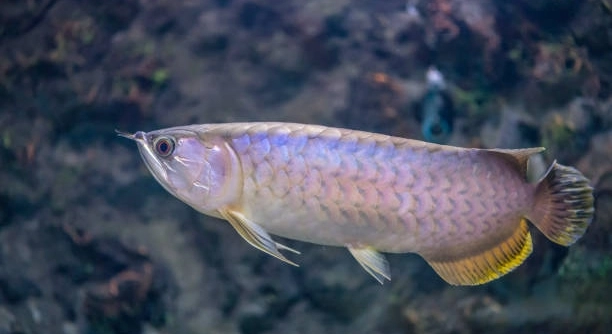
Do you ever notice your Arowana swimming nervously or hiding in its tank? Anxiety in these fish can affect their health and behavior, making it important to create a calm and comfortable environment for them to thrive.
Certain tank items can significantly reduce Arowana anxiety by providing shelter, comfort, and environmental enrichment. Adding plants, floating décor, dim lighting, and smooth surfaces can create a secure habitat that lowers stress and promotes natural behavior.
Implementing these simple adjustments can make a noticeable difference in your Arowana’s daily life, supporting both its well-being and overall tank harmony.
Floating Plants
Floating plants can create shaded areas in the tank, helping Arowanas feel safe and less exposed. These plants reduce light intensity and offer gentle hiding spots, which can lower stress levels. They also provide a natural appearance, making the tank environment more comfortable. Many types of floating plants are easy to maintain and do not require complex care. Arowanas often swim under these plants to rest, reducing unnecessary movement and anxiety. Additionally, floating plants can help maintain water quality by absorbing excess nutrients. They act as a visual barrier, limiting direct line-of-sight across the tank. This can prevent the fish from becoming startled by sudden movements outside the aquarium. Over time, the presence of floating plants can encourage calmer behavior and increase overall health. They offer both functional and aesthetic benefits, making them a valuable addition to any Arowana tank.
Floating plants not only reduce stress but also enhance the natural appearance of the tank, creating a more inviting environment for your fish.
Including a mix of floating plants with varying shapes and densities can provide multiple hiding options, which is ideal for reducing anxiety. Arowanas respond well to this layered environment, often using different areas of the tank for rest and activity. Care should be taken to trim plants regularly to prevent overcrowding. The balance between coverage and open swimming space is essential to maintain both comfort and mobility. With the right setup, floating plants can transform a bare tank into a calming habitat, promoting healthier behavior and reducing the risk of stress-related illnesses.
Smooth Tank Surfaces
Smooth tank surfaces help prevent accidental injuries and reduce anxiety caused by rough edges.
Rough or jagged decorations can make Arowanas cautious and prone to stress. Smooth surfaces, such as rounded rocks or polished ornaments, allow the fish to swim freely without the risk of scraping their fins or scales. These surfaces also facilitate cleaning, which maintains water quality and minimizes potential stressors. Arowanas often explore their surroundings, so providing safe surfaces is crucial for comfort. Incorporating smooth decorations strategically can create pathways, resting spots, and sheltered corners. This setup encourages natural exploration while minimizing areas that might provoke fear or hesitation. Choosing materials like ceramic, polished stones, or resin ornaments ensures durability and safety. Regular maintenance of these surfaces also prevents algae buildup, which could otherwise cause the fish to avoid certain areas. By prioritizing smooth textures, you are supporting both physical safety and mental well-being, contributing to a calmer, more confident Arowana.
Dim Lighting
Dim lighting helps reduce stress in Arowanas by mimicking natural conditions and limiting bright, harsh exposure. Softer light makes the tank feel more secure, allowing fish to move calmly and avoid unnecessary anxiety. Adjusting light intensity can have a significant effect on behavior.
Gradually lowering the light in the tank can create a more relaxing environment. Bright, intense lighting often makes Arowanas feel exposed, leading to erratic swimming or hiding. Using dimmable LED lights or placing floating plants to filter light can help maintain a balanced atmosphere. This adjustment allows the fish to exhibit normal patterns, rest comfortably, and feed without fear. By reducing visual stressors, dim lighting promotes overall well-being and encourages more natural behavior, making the tank a calmer place.
Dim lighting also pairs well with other tank modifications, such as smooth surfaces or floating plants. By combining these methods, you create a layered habitat that addresses multiple anxiety triggers. Observing how your Arowana responds to lighting changes can help fine-tune the setup. Some fish may prefer slightly brighter areas for short periods, while consistently dim conditions help establish a safe routine. Proper light management improves both mood and health, ensuring your Arowana thrives in a comfortable and secure environment.
Natural Hiding Spots
Providing natural hiding spots gives Arowanas a sense of security and reduces stress. Caves, driftwood, and dense plant areas allow the fish to retreat when feeling threatened or overstimulated.
Natural hiding spots are essential for maintaining calm behavior. Arowanas use these areas to rest, escape sudden movements, and reduce exposure to tank activity. Including driftwood or rock formations creates sheltered zones without overcrowding the swimming area. Carefully positioning these spots ensures easy access while maintaining visibility for observation. These spaces mimic environments the fish would naturally seek, promoting a sense of safety. Additionally, hiding spots can reduce territorial disputes in tanks with multiple fish by providing separate zones. They also contribute to the aesthetic appeal of the aquarium, blending functionality with natural beauty. Properly sized and strategically placed, natural shelters allow Arowanas to feel confident while moving through their environment.
Choosing the right materials for hiding spots is important to prevent sharp edges or unstable structures. Driftwood should be treated to remove toxins, while rocks must be smooth and securely positioned. Plants can complement these shelters, adding softness and coverage without restricting swimming paths. Arowanas gradually learn to use these spots consistently, showing calmer movements and less stress-related behavior. By creating a balanced combination of open areas and secure hiding places, you ensure your fish experiences both safety and freedom, resulting in a healthier, more relaxed aquarium environment.
Gentle Water Flow
Arowanas prefer calm water, so gentle water flow can reduce stress. Strong currents make them swim excessively, causing fatigue and anxiety. Adjusting the filter output or using flow-reducing devices helps maintain a stable, comfortable environment.
Gentle water movement also improves oxygen circulation without creating turbulence. It allows the fish to navigate easily, rest, and feed without struggling against strong currents. Maintaining this balance promotes overall well-being and reduces the likelihood of stress-related behaviors.
Tank Background
Adding a tank background can minimize visual disturbances from outside the aquarium. Solid or natural-colored backgrounds limit reflections and shadows, giving Arowanas a consistent sense of security. Properly placed, backgrounds create a calming environment that supports mental stability and reduces startle responses.
Floating Shelters
Floating shelters provide temporary cover for Arowanas during feeding or exploration. They allow the fish to retreat quickly, lowering stress and encouraging natural behavior.
Soft Substrate
Using a soft substrate reduces injury risk and creates a more comfortable tank floor. Materials like fine sand or smooth gravel are ideal, providing safe surfaces while enhancing the tank’s natural appearance.
FAQ
How can I tell if my Arowana is stressed or anxious?
Signs of anxiety in Arowanas include erratic swimming, hiding excessively, loss of appetite, clamped fins, or rubbing against objects. Some fish may appear lethargic, while others become overly aggressive. Observing their daily behavior closely helps identify stress early and allows for timely environmental adjustments.
Can tank decorations really reduce anxiety?
Yes, carefully chosen decorations can significantly lower stress. Floating plants, driftwood, smooth surfaces, and caves provide shelter and visual barriers. These items create a more secure environment, allowing Arowanas to explore safely, rest comfortably, and display natural behaviors without constant exposure to perceived threats.
Is lighting important for Arowana mental health?
Lighting plays a crucial role. Bright or harsh lights can make fish feel exposed, leading to anxiety. Using dim lighting or filtered light through floating plants creates a calmer atmosphere, mimicking natural conditions. Gradual changes in light intensity also prevent sudden stress responses.
Do hiding spots help if I have multiple Arowanas?
Absolutely. Multiple fish need separate zones to avoid conflicts. Hiding spots, caves, or plant clusters reduce territorial disputes and provide retreat areas. Each Arowana can claim its own space, promoting peaceful coexistence and lowering stress-related behaviors in a shared tank.
What kind of substrate is best for reducing anxiety?
Soft substrates like fine sand or smooth gravel are ideal. They prevent injuries from scraping or sudden movements. Rough or sharp gravel can cause physical damage and increase nervous behavior. A comfortable substrate contributes to a secure and relaxed environment, supporting overall well-being.
Does water flow affect anxiety levels?
Yes, calm water is preferred. Strong currents can tire fish and increase stress. Using gentle filter outputs or flow-reducing devices maintains stable conditions. Proper circulation ensures oxygenation without forcing the Arowana to swim constantly, keeping it comfortable and relaxed.
Are natural hiding materials better than artificial ones?
Natural materials like driftwood or live plants often provide more realistic cover and comfort. However, smooth, safe artificial decorations can also work. The key is stability, safety, and appropriate size, ensuring the Arowana can use them for shelter without risk of injury or entrapment.
How often should I adjust tank items for stress management?
Adjustments should be occasional and gradual. Sudden changes can increase anxiety. Monitor the fish’s response to each modification and maintain consistency in decorations, lighting, and water flow. Regular observation ensures the tank continues to meet the Arowana’s comfort and mental health needs.
Can floating shelters help during feeding time?
Yes, floating shelters offer quick retreat options. Some Arowanas feel exposed while feeding. Shelters give them a safe area to retreat if startled, encouraging more relaxed feeding and reducing stress during potentially vulnerable times.
Is tank cleanliness related to anxiety?
Clean water is vital. High ammonia or nitrate levels, debris, and algae buildup can increase stress. Regular maintenance, proper filtration, and water testing keep the tank environment stable, healthy, and comfortable, allowing Arowanas to feel secure and thrive.
Can combining multiple anxiety-reducing items improve results?
Definitely. Using floating plants, hiding spots, dim lighting, smooth surfaces, and gentle water flow together creates a layered environment. This comprehensive setup addresses multiple stress factors, allowing Arowanas to explore, rest, and feed with confidence while minimizing fear or nervous behaviors.
Do all Arowanas respond the same way to tank modifications?
Responses can vary based on species, personality, and past experiences. Some may prefer more open space, while others seek dense cover. Observing individual behaviors and adjusting the environment accordingly ensures that each fish’s needs are met and anxiety is minimized.
How long does it take for anxiety levels to improve?
Improvement can take days to weeks, depending on the fish and the changes implemented. Gradual adjustments and consistent care help Arowanas adapt. Patience and observation are key, as a calm environment allows stress behaviors to diminish over time.
Can anxiety affect Arowana health?
Yes, prolonged stress can weaken the immune system, reduce appetite, and increase susceptibility to disease. Chronic anxiety may lead to stunted growth or behavioral issues. Creating a secure, enriched habitat directly supports both mental and physical health, improving longevity and overall vitality.
Are there signs that tank items are not effective?
If Arowanas continue erratic swimming, hide constantly, or show aggression despite modifications, it may indicate the setup is insufficient. Reassessing decoration placement, lighting, water flow, and substrate type can help identify and correct environmental stressors effectively.
Do seasonal changes affect Arowana anxiety?
Yes, fluctuations in temperature, light, or water conditions can impact stress levels. Consistent monitoring and adjustments for seasonal variations help maintain stability, ensuring the tank remains comfortable and predictable, which is crucial for reducing anxiety.
Is it necessary to change decorations periodically?
Not frequently. Frequent rearrangement can cause stress. Only adjust items when needed for cleaning or improvements. Gradual, minimal changes are preferable, maintaining a familiar and secure environment for the fish while supporting ongoing mental health.
How can I tell if my tank setup is ideal?
An ideal setup shows calm, confident fish that swim naturally, feed regularly, and use hiding spots without hesitation. Minimal aggression, balanced activity, and consistent behavior indicate that anxiety has been effectively reduced, and the tank supports the Arowana’s well-being.
Final Thoughts
Creating a calm and comfortable environment for your Arowana is essential for its health and well-being. Anxiety in these fish can lead to stress-related behaviors, which may affect feeding, swimming, and overall vitality. By incorporating specific tank items such as floating plants, smooth surfaces, natural hiding spots, and gentle water flow, you can significantly reduce anxiety and encourage natural behaviors. Each modification plays a role in creating a secure habitat. Floating plants provide shaded areas and visual barriers, while smooth surfaces and soft substrates prevent injuries. Hiding spots allow the fish to retreat when feeling exposed, and gentle water flow ensures they can navigate the tank without unnecessary effort or stress. Even lighting can make a big difference, creating a relaxed environment that feels closer to the natural habitats of Arowanas. When these elements are combined thoughtfully, the tank becomes more than just a container—it becomes a space where your fish can thrive, exhibiting calm and confident behavior.
Consistency and careful observation are key to maintaining a stress-free environment. Arowanas respond to changes in their surroundings, so any adjustments to tank items, lighting, or water flow should be made gradually. Watching how your fish behaves after each modification helps identify what works best for their comfort. Each Arowana may have unique preferences, so it’s important to notice individual reactions. Some fish may use hiding spots more frequently, while others prefer open swimming areas with subtle coverage from floating plants. Regular tank maintenance, including cleaning the substrate, monitoring water quality, and checking decorations for safety, also contributes to a stable environment. Stability reduces anxiety, helps prevent illness, and ensures your Arowana remains active and healthy. Even small changes, when done carefully, can have a large impact on reducing stress and promoting natural behavior. Over time, you can adjust and refine the tank setup to match the needs of your fish, creating a long-lasting and comfortable habitat.
Providing a thoughtful, secure environment demonstrates how much attention and care can benefit your Arowana. The combination of practical items and consistent care creates a sense of safety that supports both mental and physical health. Anxiety in fish is not always obvious, but with proper tank modifications and careful observation, you can minimize stress and improve daily behavior. A calm fish is more likely to feed regularly, explore its tank confidently, and interact positively with its surroundings. Beyond the aesthetic value of decorations and plants, each item serves a functional purpose, contributing to comfort, security, and overall well-being. Investing time in creating an ideal environment helps your Arowana flourish, reduces behavioral problems, and supports a longer, healthier life. By focusing on both physical and psychological needs, you ensure that your fish is not just surviving but thriving, and the tank becomes a balanced, harmonious space where stress is minimized and natural behavior is encouraged.

Hello,
If you enjoy the content that we create, please consider saying a "Thank You!" by leaving a tip.
Every little bit helps us continue crafting quality advice that supports the health, happiness, and well-being of pets around the world, for pets of all shapes, sizes, and species.
We really appreciate the kindness and support that you show us!