
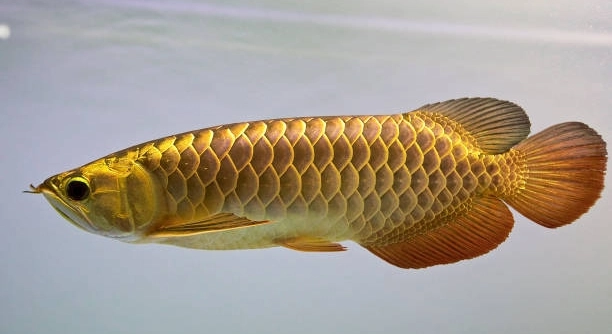
Is your arowana acting differently than usual, swimming erratically, or hiding more often? Observing subtle changes in behavior can signal that your fish may be under stress, which can affect its health and overall wellbeing.
Stress in arowanas is typically caused by environmental factors, poor water quality, overcrowding, improper diet, or sudden changes in habitat. Recognizing behavioral and physical signs early allows aquarists to implement corrective measures to restore a balanced and healthy environment.
Learning to identify stress signs is essential for maintaining arowana health and ensuring they thrive in your care over time.
Changes in Swimming Patterns
Arowanas normally swim smoothly along the tank, exploring and gliding near the surface. When stressed, their swimming can become erratic, sudden, or unusually fast. You might notice them darting back and forth or rubbing against decorations. This behavior often signals discomfort caused by poor water conditions, strong currents, or tankmates that are aggressive. Even minor disturbances, like moving the tank or changing its position, can trigger this. It is important to observe your arowana closely during feeding times and regular maintenance to see if these patterns persist. Noting when the behavior occurs can help identify potential stressors. Environmental changes like lighting and temperature fluctuations can also affect swimming behavior. By addressing these factors, you can create a calmer environment. Gradually adjusting water parameters and minimizing sudden changes helps the arowana regain normal swimming habits, improving overall health and reducing stress-related complications over time.
Erratic swimming and sudden bursts of speed are clear indicators that your arowana may be stressed.
Watching your arowana’s movements daily provides insight into its comfort. Small adjustments can quickly improve its behavior and wellbeing.
Loss of Appetite
A stressed arowana often eats less or refuses food entirely.
Loss of appetite is usually linked to stress factors like poor water quality, inappropriate temperature, or intimidation from tankmates. Consistently monitoring feeding habits can help identify problems early.
When an arowana stops eating, it can quickly lose weight, making it more vulnerable to illness. Stress suppresses appetite and disrupts digestion, which affects energy levels and immune function. Observe if your fish only avoids certain foods or refuses all types. Water conditions are often the primary reason, so testing for pH, ammonia, nitrite, and nitrate levels is essential. Providing a quiet, stable environment and avoiding sudden changes helps your arowana regain interest in feeding. Additionally, offering a variety of food types, such as live, frozen, or prepared diets, can stimulate appetite and make meals more appealing. Consistent observation, coupled with small, deliberate adjustments to the tank environment, ensures your arowana gradually recovers normal eating habits. This approach helps prevent long-term health issues caused by prolonged stress or malnutrition.
Hiding More Often
Frequent hiding is a clear stress indicator. Arowanas may retreat behind decorations or stay near the tank bottom, avoiding open areas.
Hiding more than usual can result from sudden changes in the tank environment, such as new decorations, rearranged plants, or a change in water temperature. Overcrowding and aggressive tankmates also force arowanas into corners or behind ornaments. Observing where and how often your fish hides helps determine the source of stress. Providing ample hiding spaces and reducing disturbances can gradually make your arowana feel safer, encouraging more normal activity. Stress reduction improves overall health and prevents potential disease.
Creating a calm environment involves stable lighting, consistent water parameters, and minimal sudden movements around the tank. By adjusting these factors and observing your arowana’s response, hiding behavior usually decreases, allowing the fish to swim freely and regain confidence in its surroundings. This step-by-step attention ensures long-term wellbeing and prevents further stress-related complications.
Clamped Fins
Clamped fins indicate discomfort or stress in arowanas. Fins pressed close to the body suggest the fish is not relaxed.
Clamped fins often appear due to poor water conditions, temperature fluctuations, or inadequate tank size. This behavior can also indicate internal health issues or parasites. Continuous observation and testing water parameters are essential to address the problem promptly. Ensuring the tank environment is stable and the arowana feels secure is key to helping it recover.
Arowanas with clamped fins benefit from a quiet tank environment with minimal disturbances. Adjusting lighting, reducing strong currents, and checking for signs of illness can encourage fin relaxation. Gradual improvements in water quality and tank setup allow the fish to regain natural posture and swimming patterns. Over time, consistent care and monitoring help prevent recurrence, ensuring the arowana remains healthy and stress-free.
Gasping at the Surface
Gasping at the water surface is a sign your arowana may be stressed. It often indicates low oxygen levels or poor water quality.
This behavior can result from overcrowding, high temperatures, or insufficient aeration. Ensuring proper water circulation and regular maintenance helps your arowana breathe comfortably and reduces stress.
Color Fading
Stress can cause your arowana’s colors to fade or appear dull. Changes in hue often reflect poor health or environmental issues. Maintaining clean water, balanced diet, and stable lighting encourages the fish to regain its natural vibrancy over time.
Aggression Towards Tankmates
Stressed arowanas may become aggressive. They may chase, nip, or intimidate other fish, disrupting tank harmony.
Managing tank conditions, providing enough space, and reducing stressors helps curb aggressive behavior, ensuring both the arowana and its tankmates remain calm and healthy.
FAQ
How can I tell if my arowana is stressed?
Signs of stress in arowanas include erratic swimming, hiding, loss of appetite, clamped fins, gasping at the surface, dull coloration, and aggression toward tankmates. Observing these behaviors consistently can help you identify stress early before it affects your fish’s health.
What causes arowanas to become stressed?
Stress is usually caused by environmental factors such as poor water quality, sudden changes in temperature, overcrowding, or incompatible tankmates. Improper diet, inadequate tank size, and frequent disturbances around the tank also contribute to stress. Addressing these issues can restore arowana wellbeing.
How can I reduce my arowana’s stress?
Maintaining stable water parameters, providing proper filtration and aeration, and avoiding sudden changes in lighting or decorations help reduce stress. Offering hiding spaces and keeping the tank free from aggressive fish creates a safer environment. Feeding a balanced diet and observing behavior daily are also essential.
Why does my arowana hide so much?
Frequent hiding often indicates discomfort, fear, or stress. It can result from tank overcrowding, aggressive tankmates, poor water conditions, or sudden environmental changes. Providing quiet spaces, stable water parameters, and a calm environment encourages your arowana to feel secure and explore more freely.
What should I do if my arowana stops eating?
Loss of appetite is a common stress symptom. Check water quality, temperature, and tankmates. Offer a variety of foods like live, frozen, or prepared diets to stimulate interest. Avoid overfeeding and make gradual adjustments to water conditions to help your fish regain its appetite.
Are clamped fins dangerous?
Clamped fins indicate discomfort or stress but are not always immediately dangerous. Persistent clamping can signal underlying health issues or poor environmental conditions. Correcting water quality, reducing disturbances, and monitoring health closely helps your arowana recover and prevents long-term problems.
Why is my arowana gasping at the surface?
Gasping often indicates low oxygen levels or poor water quality. Overcrowding, high water temperature, or insufficient aeration can make it difficult for your arowana to breathe. Increasing aeration, improving water circulation, and performing regular water changes help alleviate this stress.
Can stress affect my arowana’s color?
Yes, stress can cause dull or faded coloration. Environmental factors like lighting, water quality, and tank setup play a role, as well as diet. By stabilizing conditions and feeding nutrient-rich foods, your arowana can gradually regain its natural colors.
How can I prevent aggression in my arowana?
Aggression is often linked to stress or insufficient space. Ensure the tank is large enough and provide hiding areas. Avoid keeping incompatible fish together, and maintain consistent water conditions. Reducing stress improves your arowana’s behavior and helps maintain harmony among tankmates.
When should I seek professional help for my arowana?
If stress signs persist despite proper care, or if you notice physical symptoms like sores, infections, or rapid weight loss, consulting a veterinarian experienced with fish is recommended. Early intervention prevents serious health issues and supports long-term recovery.
How often should I monitor my arowana for stress?
Daily observation is best. Watching feeding habits, swimming behavior, fin condition, and interactions with other fish helps detect stress early. Regular monitoring allows for timely adjustments to water quality, diet, or tank environment, ensuring your arowana remains healthy.
Can stress shorten my arowana’s lifespan?
Prolonged stress negatively affects immunity, appetite, and overall health. If left unchecked, it can lead to disease and reduced lifespan. Maintaining optimal tank conditions, diet, and a calm environment helps your arowana live a long, healthy life.
Are there natural ways to calm a stressed arowana?
Yes. Providing hiding spots, gentle water flow, stable lighting, and minimizing disturbances helps. Feeding high-quality food and ensuring a proper tank size also support a stress-free environment. Gradual adjustments rather than sudden changes are key to keeping your arowana calm.
How do I know if changes are working?
Observe behavior over days or weeks. Increased swimming confidence, regular feeding, relaxed fins, and brighter coloration indicate improvement. If no positive changes occur, reassess water quality, diet, or tank setup, and consider seeking expert advice to address persistent stress effectively.
Final Thoughts
Caring for an arowana requires patience and attention to detail. These fish are sensitive to changes in their environment, and even small shifts in water quality, temperature, or tank setup can cause stress. Observing your arowana closely each day is the best way to understand its needs and recognize early signs of discomfort. Paying attention to behaviors like erratic swimming, hiding, clamped fins, or loss of appetite gives you valuable insight into how your fish is feeling. By addressing issues promptly, you can prevent stress from developing into more serious health problems. Over time, this attention becomes routine, helping you create a balanced and stable environment that supports your arowana’s wellbeing.
Arowanas thrive in conditions that closely match their natural habitat. Proper tank size, clean and well-maintained water, consistent lighting, and gentle water flow all contribute to a calm and healthy fish. Providing hiding spots or decorations can also give your arowana a sense of security. Equally important is diet. Feeding a balanced variety of foods ensures your fish gets the nutrients it needs and can help stimulate natural behaviors. Avoid overfeeding, sudden changes in diet, or inconsistent feeding times, as these can contribute to stress. Small, steady improvements in water quality, tank setup, and feeding routines often have a larger impact than drastic changes. Monitoring the effects of each adjustment allows you to see what works best for your arowana.
Consistency is the key to reducing stress and maintaining long-term health. While it may take time to notice improvements, a calm and stable environment will gradually allow your arowana to return to normal behaviors. Signs of recovery include regular swimming, relaxed fins, bright coloration, and consistent appetite. Avoiding sudden changes, observing interactions with other tankmates, and maintaining water quality are essential practices for keeping stress levels low. By investing attention and care into your arowana’s habitat, you help it feel safe, healthy, and more confident. These steps not only prevent stress but also enhance your enjoyment of watching your fish thrive in its environment, creating a peaceful and satisfying experience for both you and your arowana.

Hello,
If you enjoy the content that we create, please consider saying a "Thank You!" by leaving a tip.
Every little bit helps us continue crafting quality advice that supports the health, happiness, and well-being of pets around the world, for pets of all shapes, sizes, and species.
We really appreciate the kindness and support that you show us!