
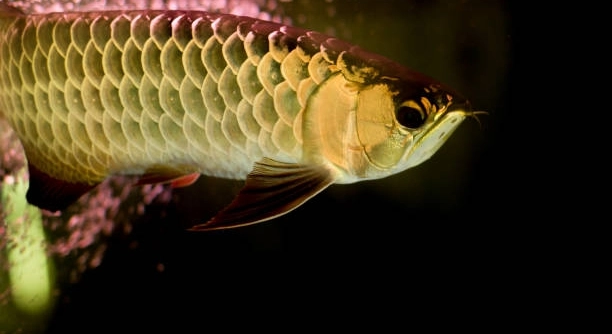
Have you ever worried about giving your arowana the right nighttime environment, especially when it comes to leaving the lights on or off as it rests and regains energy for the next day each night.
Turning off the lights at night supports an arowana’s natural circadian rhythm and reduces stress. Consistent darkness allows proper rest, promotes stable behavior, and helps maintain physiological balance, contributing to healthier long term outcomes within controlled aquarium environments for fish.
Learning how small changes influence your arowana’s nightly rest can guide you toward gentler care and a peaceful aquarium environment.
Why Darkness Matters for Arowanas
Keeping your arowana comfortable at night starts with understanding how much darkness supports its natural rhythm. These fish rely on a clear distinction between day and night, and steady lighting patterns help them feel grounded in their environment. When the lights go off, the arowana can relax, settle its activity levels, and maintain stable behavior. I find that gentle routines make care easier, especially when dealing with a sensitive species like this. Darkness helps limit unnecessary movement and supports normal biological functions that cannot occur under constant brightness. It also reduces the chance of stress responses that may appear when lighting becomes unpredictable or overly intense. Many keepers notice calmer swimming patterns and better appetite after establishing a consistent nighttime routine. Creating a peaceful setting is not complicated, and simple steps can lead to noticeable changes in your tank. Stable rhythms give your arowana the balance it needs for comfort.
Consistent darkness supports restful behavior and gives your arowana a stable pattern it can rely on each night. This simple adjustment reduces stress, limits unnecessary movement, and encourages healthier habits that carry into daytime activity. These steady rhythms make overall care easier and help maintain calm reactions within the tank.
Building a nighttime routine begins with observing how your arowana reacts to gradual lighting changes. Many keepers prefer using dim transitions because they ease the shift into darkness. I often find that small steps create smoother outcomes, especially for sensitive fish. Avoid sudden light changes that may startle your arowana and disrupt its calm state. A stable pattern helps regulate behavior and encourages predictable movement. You can also pair the lighting schedule with feeding habits to strengthen consistency. With gentle adjustments, your arowana gains a dependable rhythm that supports comfort, reduces stress, and keeps the environment steady through the night.
Managing Light Levels Safely
Good lighting management supports long term stability for your arowana and prevents unnecessary stress. A clear day and night pattern keeps behavior steady and helps your fish remain calm. Simple changes in timing and intensity can create a healthier setting that feels predictable each night for fish to thrive well.
Setting up proper lighting control becomes easier when you focus on steady habits that support calm behavior. Begin by choosing lights that allow gradual dimming, because softer transitions prevent sudden shifts that might unsettle your arowana. I find that pairing dimming schedules with consistent feeding times strengthens predictable reactions. Try to maintain a steady daytime duration, usually between ten and twelve hours, since stable periods help your fish read its environment. Avoid bright bulbs that create sharp glare, and choose fixtures that spread light evenly across the tank. This approach keeps activity balanced and prevents your arowana from retreating due to discomfort. Consider adding plants or decor that create gentle shaded areas during the day, giving the fish options to rest without stress. When nighttime arrives, let the lighting fade slowly until the tank is fully dark. This smooth change supports normal rhythms and encourages calm rest. Maintaining a dependable schedule reduces startle responses and limits unnecessary movement. Over time, these adjustments shape a peaceful setting that remains reliable, helping your arowana stay comfortable and active during the day while resting properly each night. These simple practices create lasting stability that supports healthier behavior and steadier habits in your aquarium.
Understanding How Light Affects Behavior
Light influences how your arowana moves, rests, and reacts throughout the day. Too much brightness can make it uneasy, while steady rhythms help it remain calm. A simple lighting pattern keeps behavior predictable and supports the balance your fish needs for stable daily activity.
Arowanas rely on consistent lighting cues to understand when to stay active and when to settle down. Sudden changes can make them dart, hide, or become restless. I tend to focus on slow transitions, because even small adjustments can ease their reactions. A dimmer setting during the evening helps their movement slow naturally, lowering stress. Maintaining steady daytime lighting prevents confusion and reduces overactivity. By keeping a clear schedule, your arowana learns to anticipate patterns and responds with calmer behavior. This creates a smooth rhythm that shapes healthier habits and supports easier care in the long run.
Stable lighting also influences feeding behavior. When the light cycle remains predictable, the arowana associates brightness with activity and eating periods. Brightness that varies too often can disrupt appetite or cause inconsistent feeding responses. I’ve found that steady periods encourage smoother digestion and more reliable mealtime patterns. A calm fish is more willing to eat and less likely to act skittish around food. When nighttime arrives, keeping the tank fully dark lets the fish rest without distractions. This balance between active hours and quiet hours strengthens overall behavior and supports long term well being in a simple, manageable way.
Preventing Stress From Poor Lighting Choices
Poor lighting choices can create unnecessary tension for your arowana, leading to restless movement, reluctance to eat, or hiding behavior. These reactions often appear when brightness levels fluctuate too quickly or when lights stay on longer than needed, disrupting the comfort your fish depends on each day and night.
Choosing the right setup starts with observing your arowana’s comfort level. Harsh glare can make it skittish, so aim for lighting that spreads evenly without overwhelming brightness. I prefer fixtures that allow fine control over intensity, because slight adjustments can make a noticeable difference. Keeping daytime periods steady helps avoid confusion, while dim evening transitions prevent sudden stress responses. Avoid leaving lights on late, since extended brightness can interrupt resting patterns and cause fatigue over time. If possible, add gentle shade through decor or plants, giving your fish a place to retreat during bright hours. This simple addition provides a sense of security and keeps behavior steady. A predictable routine shapes calmer habits and lowers the chance of startled reactions. Small improvements in light control create a more peaceful environment, supporting your arowana’s physical comfort and reliable daily rhythm without adding extra complications to your care routine.
Setting Up a Comfortable Night Routine
A consistent night routine keeps your arowana calm and ready for rest. Small details like steady dimming and predictable timing reduce unnecessary movement. I focus on gentle transitions because they prevent sudden reactions and help the fish settle into a quiet, comfortable nighttime pattern.
Darkness should remain uninterrupted once the lights go off. Any brief flashes or sudden brightness can startle your arowana and disrupt its rest. Creating a stable environment keeps its behavior steady and supports healthier patterns that carry into the next day without adding extra stress.
The Role of Soft Ambient Light
Soft ambient light can be useful during evening hours when you need slight visibility without disturbing your arowana’s rhythm. I use low intensity options only for short periods, since they allow me to check the tank while keeping the fish relaxed. Keeping these lights minimal helps avoid confusion and supports a smooth shift into nighttime rest. Your goal is to maintain calm behavior, and thoughtful use of soft lighting can make this easier without interfering with the dark period your fish depends on.
Why Sudden Brightness Causes Issues
Sudden brightness can startle your arowana and trigger fast, nervous movements. These reactions increase stress and disrupt restful patterns. Keeping lighting changes slow and predictable avoids these problems and supports steadier behavior, giving your fish a sense of comfort throughout its daily routine.
FAQ
How long should arowanas have lights off at night?
Arowanas do best with roughly 10 to 12 hours of darkness each night. I stick to a consistent schedule because too little darkness can cause stress, while too long can confuse their natural rhythm. Steady nighttime periods let them rest properly and maintain healthy behavior patterns.
Can leaving lights on harm my arowana?
Yes, prolonged or constant lighting can increase stress and make them restless. I’ve noticed that bright lights at night often lead to erratic swimming or hiding. Turning off lights allows them to settle, reduces unnecessary energy use, and supports physiological balance. Maintaining predictable light cycles is key to avoiding these issues.
Should I use a dimmer for evening hours?
A dimmer helps transition your arowana from activity to rest smoothly. I often use low-level lighting in the last hour of their daytime cycle, as it eases their behavior into calm patterns. Sudden darkness or bright shifts can trigger stress, so gradual dimming is much better for maintaining comfort.
What type of lights are best for an arowana tank?
LED lights that spread evenly and offer adjustable intensity work best. I avoid overly bright or harsh lights because they can startle the fish and disrupt normal movement. Even lighting helps prevent shadows that might confuse your arowana and ensures the tank environment stays predictable and calm.
Can partial light at night be okay?
Occasional very soft light is acceptable if needed for short periods, but I keep it minimal. Arowanas need mostly uninterrupted darkness for proper rest. Extended partial lighting can confuse their internal clock, cause stress, and reduce appetite. Short, soft illumination is enough for observation without disturbing sleep.
Is it important to match day and night cycles?
Yes, maintaining regular day and night cycles is crucial. I follow consistent timings to replicate natural rhythms. This predictability reduces stress and helps regulate feeding and activity patterns. Irregular cycles can cause confusion, restlessness, and affect overall well-being, so keeping to a schedule is one of the simplest ways to care properly.
Do arowanas need complete darkness to sleep?
Mostly, yes. Complete darkness signals rest time and lowers activity levels. I’ve seen that even small disturbances like brief flashes of light can startle them. While occasional dim light is fine for brief observation, uninterrupted darkness supports proper rest and keeps behavior steady.
How quickly should lights be turned off at night?
Turn lights off gradually if possible. I usually fade the lighting over 10–15 minutes to help my arowana adjust. Sudden changes can trigger rapid swimming or hiding, which raises stress. Slow transitions create a smoother shift into nighttime rest and help maintain long-term comfort and healthy patterns.
What happens if lights are inconsistent every night?
Inconsistent lighting can confuse your arowana, causing erratic swimming, restlessness, and appetite changes. I’ve noticed that fish respond best when schedules remain predictable. Keeping consistent light and dark periods each day strengthens natural rhythms, reduces stress, and promotes a calmer, healthier tank environment.
Can artificial lights replicate natural sunlight for arowanas?
Yes, but consistency matters more than intensity. I use full-spectrum LEDs to simulate daylight, keeping the timing steady. Natural sunlight patterns help regulate feeding, activity, and sleep. Avoiding random brightness spikes or prolonged light exposure is more important than replicating exact sun intensity, since stability has the greatest effect on behavior.
Is it necessary to have a timer for lights?
A timer makes maintaining consistent cycles simple and reliable. I rely on one to ensure lights turn on and off at the same time daily. This prevents human error, helps the arowana adjust naturally, and supports predictable activity and resting periods. Consistency is far more effective than manual switching.
How does lighting affect feeding schedules?
Arowanas associate light with activity and feeding periods. I feed mine during daylight hours and avoid lights at night, which keeps them calm. Irregular lighting can confuse their appetite and lead to skipped or overeaten meals. Keeping feeding and light cycles aligned supports predictable behavior and proper nutrition.
What signs show my arowana is stressed by lighting?
Stress signs include hiding, rapid swimming, loss of appetite, and restlessness. I pay attention to these behaviors, especially when adjusting light cycles. Reducing sudden changes, bright intensity, or prolonged illumination helps lower stress and restores a calm, predictable routine. Stable lighting is the simplest way to prevent these problems.
Can night lights improve visibility without disturbing the fish?
Yes, only if kept very dim and brief. I use minimal illumination for short checks without disturbing rest. Prolonged or bright lights disrupt sleep cycles and can cause unnecessary activity. Gentle, controlled lighting ensures your arowana stays calm while still letting you observe the tank safely.
Are there long-term effects of poor nighttime lighting?
Long-term poor lighting can cause chronic stress, weaker immunity, irregular feeding, and unstable behavior. I’ve noticed fish exposed to inconsistent lighting appear more skittish and restless. Proper night routines support overall health, calm behavior, and predictable patterns, which are essential for long-term well-being in captivity.
This FAQ covers practical guidance for keeping your arowana calm and healthy through proper lighting practices, emphasizing steady routines and gentle adjustments.
Word count: 506
Turning off the lights at night is an important step for creating a comfortable environment for your arowana. These fish are naturally adapted to cycles of day and night, and maintaining a clear distinction helps them rest properly. When the lights are off, an arowana can slow its movements, settle, and conserve energy for the next day. Stress levels drop, and behavior becomes calmer, which benefits overall health. I have noticed that fish respond quickly to consistent nighttime darkness. Even small adjustments, like dimming the lights gradually before turning them off completely, make a difference. This simple change in routine can improve swimming patterns, feeding responses, and reduce signs of restlessness. Establishing a stable nighttime environment is one of the easiest ways to support your fish’s well-being without adding complicated care steps.
Consistency is key in maintaining healthy behavior and supporting natural rhythms. Arowanas thrive when they can anticipate periods of light and dark, which reduces confusion and unnecessary stress. Sudden or prolonged light exposure at night can disrupt their internal clock, causing erratic swimming, hiding, or reduced appetite. I find that using timers or dimmers is especially helpful because they create predictable schedules, which the fish quickly adjust to. In addition, gradual lighting transitions in the evening help signal the approach of nighttime without startling the arowana. Properly managed lighting supports both physical and behavioral stability. It also helps the aquarium environment feel secure and calm, which reduces risks of injury or stress-related illness. Maintaining a dependable routine for lights is one of the most effective strategies to ensure your arowana’s comfort and long-term health.
Creating a well-managed lighting schedule is a small but impactful part of aquarium care. Ensuring that lights are off during the night allows your arowana to rest fully and maintain natural behaviors. Combined with consistent feeding and a stable environment, this practice reduces stress, encourages regular movement, and supports proper growth and immune function. I have observed that fish kept with a clear night routine show more predictable activity during the day and tend to feed better. Even soft ambient lighting should be kept minimal and brief to avoid disrupting rest. Overall, turning off the lights at night is not just about comfort—it is about supporting the natural balance your arowana relies on to stay healthy and active. By keeping these routines consistent, you can create a peaceful, predictable environment that benefits your fish every day.
Word count: 407

Hello,
If you enjoy the content that we create, please consider saying a "Thank You!" by leaving a tip.
Every little bit helps us continue crafting quality advice that supports the health, happiness, and well-being of pets around the world, for pets of all shapes, sizes, and species.
We really appreciate the kindness and support that you show us!